
 ნახვა ინტერьерში
 გაგზავნა
 გაზიარება
 დეტალები
 გზამკვლევი

 ჩამოტვირთვა
 მსგავსები
 რენტგენოგრაფიული კვლევა
 სლაიდშოუ
 Q&A
Q&A სტატისტიკა
The Little School Boy

- 61.0 x 46.0 cm


 სრული ტექსტის ნახვა
გიკლე / ხელოვნების პრინტი
მუზეუმის დონის ჟიკლე ან ტილოზე ბეჭდვა სწრაფი წარმოებისა და დასრულების მოქნილი ვარიანტებით. ( შეიძინეთ ხელით შესრულებული ნახატი გადასვლა ციფრულ გამოსახულებაზე)




P118B ₾10

P118H ₾10

P118W ₾10

P438Z ₾10

P508JH ₾12

P508YH ₾12

P805H ₾10

P805Z ₾10

P919BZ ₾10

P919G ₾10

P919XJ ₾10

P959ZH ₾10

P968JZ ₾12

W106C ₾8

W218G ₾10

W218JH ₾8

W218Y ₾10

W307PJ ₾10

W316G ₾10

W316PJ ₾8

W316Y ₾10

W398PJ ₾8

W4111J ₾10

W500HY ₾15

W500JH ₾15

W692G ₾12

W849H ₾8

W940BG ₾15

W953PJ ₾8




აირჩიეთ ჩვენს მიერ წინასწარ განსაზღვრული ზომებიდან, რომლებიც ნაწარმოების ორიგინალურ პროპორციებს შეესაბამება.

შეიყვანეთ თქვენთვის საჭირო სიგანე და სიმაღლე, რათა იგი მოერგოს თქვენს ჩარჩოს ან კედელს. ბეჭდვისას შესაძლებელია მხოლოდ მისი შემცირება და არა გაზრდა, ამიტომ სხვა ფორმის ზომის შემთხვევაში გამოსახულება ნაწილობრივ იკარგება. სანამ რაიმეს დაბეჭდავთ, ჩვენ გამოგიგზავნით ციფრულ მაკეტს დასდასტურებლად. ამ გვერდზე ნაჩვენები სურათი არ ასახავს რეალურ ჭრას — ამას მხოლოდ მაკეტი გვიჩვენებს.
მიწოდება მთელ მსოფლიოში () 2 კვირაში, სტანდარტული 4/5 კვირის ნაცვლად. (2 ნოემბერი)

უფასო ექსპრეს მიწოდება მთელ მსოფლიოში

მაღალი ხარისხის ტილო

ტრანსპორტირების სრული დაზღვევა

საბაჟო გადასახადების დაბრუნების გარანტია

ფერების სრული შესაბამისობის გარანტია

დაბრუნების 100-დღიანი პერიოდი (მხოლოდ წარმოების დეფექტის შემთხვევაში)

100% თანხის სრული დაბრუნების გარანტია

ფასდაკლება დიდი რაოდენობით შეკვეთისას
 მინის ჩარჩოს არჩევანი ხელმისაწვდომია მხოლოდ 110 სმ-მდე ზომისთვის

The Little School Boy
გიკლე / ხელოვნების პრინტი
რეპროდუქციის ზომა
-


ჯამური ღირებულება
₾ 208
A Glimpse of Parisian Life: Pierre-Auguste Renoir’s “The Little School Boy”
Pierre-Auguste Renoir's "The Little School Boy," painted in 1879, isn’t merely a portrait; it’s a fleeting moment captured with the vibrant immediacy characteristic of Impressionism. This intimate scene, measuring just 61 x 46 cm, transports us to a sun-drenched sidewalk in Paris, offering a tender glimpse into everyday life during the late 19th century. The painting immediately draws the eye to its young subject – a boy dressed in a crisp suit and tie, clutching a book with an air of quiet concentration. Renoir masterfully uses light and color not just to depict reality but to evoke a feeling, a sense of warmth and youthful curiosity. It’s a piece that whispers of childhood innocence and the burgeoning potential held within those formative years.
The composition is deceptively simple yet profoundly effective. The boy stands slightly off-center against a blurred backdrop of buildings, suggesting movement and capturing the transient nature of a summer afternoon. Renoir's brushstrokes are loose and broken, creating an atmospheric effect that’s both dynamic and dreamlike. Notice how he blends colors seamlessly – the warm yellows and oranges of the sunlight dance across the boy’s clothing and face, while subtle blues and greens hint at the distant cityscape. This technique is a hallmark of Impressionism, prioritizing the *impression* of light and color over precise detail.
Impressionistic Techniques: A Dance of Light and Color
Renoir was a devoted practitioner of Impressionist techniques, and “The Little School Boy” exemplifies this perfectly. He employed short, broken brushstrokes – visible if you look closely – to build up layers of color rather than applying paint in smooth, blended washes. This creates a shimmering effect, as if the light itself is dancing across the canvas. The painting’s soft focus and slightly blurred edges contribute to its dreamy quality, inviting the viewer to step into the scene and experience it firsthand. It's not about photographic accuracy; it’s about capturing the *feeling* of a moment in time.
Furthermore, Renoir’s use of color is remarkably subtle yet incredibly evocative. He doesn’t rely on stark contrasts but instead employs delicate gradations and harmonies to create depth and atmosphere. The boy's attire – a dark suit with white collar and cuffs – provides a grounding element against the brighter background, while the overall palette feels warm and inviting. The artist skillfully uses light to sculpt the boy’s features, highlighting his youthful face and conveying a sense of quiet contemplation.
Influences and Context: Cézanne's Legacy
Renoir’s artistic journey was shaped by several influential figures, notably Paul Cézanne. While often considered a precursor to Cubism, Cézanne’s innovative approach to color and form – particularly his use of planes of color and simplified shapes – profoundly impacted Renoir’s work. You can see echoes of Cézanne's influence in “The Little School Boy” through the way Renoir breaks down the boy’s clothing into distinct, overlapping planes of color. This technique adds a sense of volume and dimensionality to the painting.
It’s important to consider this painting within its historical context. Paris in 1879 was a city undergoing rapid transformation – industrialization, urbanization, and social change were reshaping daily life. Renoir's work reflects this dynamic environment, capturing the beauty and charm of everyday moments while subtly hinting at the complexities of modern society. The subject matter itself—a young boy attending school—was a common theme in 19th-century art, often used to explore themes of childhood innocence, education, and social class.
A Timeless Masterpiece: Relevance Today
“The Little School Boy” remains a captivating work of art that continues to resonate with viewers today. Its intimate portrayal of childhood, combined with Renoir’s masterful use of light, color, and technique, creates an enduring sense of beauty and nostalgia. It's a reminder of the simple joys of life – a sunny afternoon, a book, and the quiet contemplation of youth. OriginalUniqueArt offers meticulously crafted hand-painted reproductions that faithfully capture the essence of this iconic masterpiece, allowing you to bring its timeless charm into your home or office.
For those interested in exploring more of Renoir’s work, we recommend “Portrait of the Painter Emile-Henri Laport” and “House and Trees with Foothills.” To delve deeper into the principles of light in painting, visit Light in Painting. And to understand Paul Cézanne’s influence on Impressionism, explore his work at Paul Cézanne.
კითხვები და პასუხები
არსებობს თუ არა მსგავსი ნამუშევრები, როგორც "The Little School Boy"?
პიერ-ოგიუსტ რენუარი-ის „The Little School Boy“-ის მსგავსი ნამუშევრები გვერდი წარმოგიდგენთ მსგავს ნამუშევრებს.
აქვს თუ არა ნამუშევარს „The Little School Boy“ დამატებული რეალობის (AR) წინასწარი ნახვის ფუნქცია?
პიერ-ოგიუსტ რენუარი-ის „The Little School Boy“-ის AR წინასწარი ნახვა გვერდი იყენებს დამატებულ რეალობას, რათა თავსებად მოწყობილობაზე ნაჩვენები იყოს ხელოვნების ნიმუში თქვენს საკუთარ სივრცეში.
რა გრძნობასთან არის დაკავშირებული "The Little School Boy"?
პიერ-ოგიუსტ რენუარი-ის „The Little School Boy“-ისათვის დაფიქსირებული ემოციური ტონი არის Reflective. იგი აჯამებს იმ განწყობას, რომელსაც ეს ნამუშევარი გამოხატავს.
მხატვრის ბიოგრაფია
პიერ-ოგუსტ რენუარი: სინათლისა და სიხარულის მხატვერი
პიერ-ოგუსტ რენუარი (1841-1919) იყო ფრანგი გამოჩენილი მხატვარი, რომელმაც მნიშვნელოვანი როლი ითამაშა იმპრესიონიზმის განვითარებაში. მისი ნაწარმოებები სინათლის თბილ ელფერი, სიხარულის გადმომცემი ემოციები და ყოველდღიური ცხოვრების მომენტების შესანიშნავად აღქმული გამოსახულებები ხასიათდება. რენუარი დაიბადა ლიმოჟში, პატარა ქალაქში საფრანგეთში, სადაც მისი ოჯახი მალევე გადავიდა პარიზში ეკონომიკური შესაძლებლობების ძიებაში. ეს გადაწყვეტილება განსაზღვრავდა მის შემდგომი ცხოვრებასა და შემოქმედებას – სწორედ პარიზმა უბადო ხელი მხატვრის განვითარებაში.
მცირეწლის ასაკში რენუარი მუშაობდა ფაიანსის ქარხანაში, სადაც მან პირველად შეიძინა საღებავების გამოყენების გამოცდილება. თუმცა, მისი ნამდვილი გატაცება მხატვრობით მაშინ დაიწყო, როდესაც ხშირად სტუმრობდა ლუვრში და ოსტატების შედევრებს ითვალისწინებდა. მან ჩააბარა შარლ გლეირის სტუდიაში, სადაც გაიცნობა კლოედ მონე, ალფრედ სისი და ფრედერიკ ბაზილი – ამგვარად ჩამოყალიბდა იმპრესიონისტული მოძრაობის საფუძველი. თავდაპირველად რენოარი გუსტავ კორბეს რეალიზმისა და ედუარდ მანეს მიმდევარი იყო, თუმცა პეტრე პავლე რუბენსის და ჟან-ანტუან ვატოს ლამაზი ფერები და სენსუალურობა მის ხელოვნებაზეც დიდი გავლენა მოexerted.
იმპრესიონიზმის აღმასვლა და რენუარის უნიკალური სტილი
რენუარი აქტიური მონაწილე იყო პირველ იმპრესიონისტულ გამოფენაში 1874 წელს, სადაც მისი ნამუშევრებმა დიდი აჟიოტაžiota. თუმცა, ის არ დარჩა იმპრესიონიზმის ერთგვაროვან მორწმუნედ – მან თანდათანობით დაიწყო უფრო ფორმალური და კლასიკური მიდგომებისკენ გადასვლა. მისი ტილოები ხასიათდება ფერადი შტრიხებით, რომელიც სინათლის მოძრაობას აჩქარებს, რაც იმპრესიონიზმის მთავარი მახასიათებელია. "ბალე მულენ დე ლა გალეტ"-ი (1876) მისი ყველაზე ცნობილი ნაწარმოებრიდან ერთ-ერთი არის, რომელიც პარიზული ღამისმთევრობის სცენას ასახავს და დამნაშვებს თბილ სინათლეში ანათებს. "გემთკეების ლანჩი" (1880-81) კიდევ ერთი შედევრია, რომელიც ყოველდღიური ცხოვრების მომენტს ასახავს და დამნაშვებს გართულებას უყურებს.
შემოქმედებითი ნაწარმოებები და თემები
რენუარის შემოქმედებაში ჭარბობს სიხარულის, სილამაზისა და ყოველდღიური ცხოვრების აღქმა. მისი ტილოებში ხშირად გვხვდება ქალების გამოსახულებები, რომლებიც სინათლეში ანათებენ და გრძნობებს გამოხატავენ. "ბანაობის შემდეგ" (1885-87) რენუარის ნატიფსაკმევლად აღიარებულ ნამუშევრად ითვლება, სადაც მან ქალური სილამაზის ხატებაზე კონცენტრირება მოახდინა. ის არ ცდილობდა ისტორიული ანტოლოგიების შექმნას; პირიქით, ის ყოველდღიური ცხოვრების უბრალო მომენტებს აყვავებდა ხელოვნებად.
გვიანელი პერიოდი და მემკვიდრეობა
1890-იან წლებში რენუარი უფრო კლასიკურ სტილს მიმართავს, რაც მისი იტალიური მოგზაურობითაც განპირობებული იყო. თუმცა, ის არ უარყოფდა მთლიანად იმპრესიონიზმის პრინციპებს. ავთვისებიანი დაავადების გამო, რომელიც ხელს შეუშლიდა მის მოძრაობას, რენუარი იძულებული გახდა შეეცვალა ტექნიკა და უფრო მეტი ყურადღება დაეთმო ფორმებს. მისი გვიანელი ტილოები ხასიათდება თბილი ფერებით და უფრო მეტად კონცენტრირებულია ადამიანის სულისკვეთების აღქმასთან.
პიერ-ოგუსტ რენუარი გარდაიცვალა 1919 წელს, დაგვიტოვა უამრავ შესანიშნავ ნამუშევარს, რომელიც დღემდე აფასებენ მთელ მსოფლიოში. მისი მემკვიდრეობა განაგრძობს შთაბეჭდილებას ახალი თაობის მხატვრებზე და მისი ტილოები ხშირად გვხვდება სხვადასხვა სახის პროდუქტებზე, რაც მისი ხელოვნების უნივერსალურ პოპულარობას ადასტურებს. რენუარი იყო იმპრესიონიზმის ერთ-ერთი ყველაზე მნიშვნელოვანი წარმომადგენელი, რომელმაც შექმნა სინათლისა და სიხარულის სამყარო ტილოებზე.
- მთავარი თემები: ყოველდღიური ცხოვრება, ქალების გამოსახულებები, პარიზული სცენები, ბანაობა
- გავლენა: რუბენსი, ვატო, კორბე, მამეტი
- მნიშვნელოვანი ნამუშევრები: "ბალე მულენ დე ლა გალეტ", "გემთკეების ლანჩი", "ბანაობის შემდეგ"
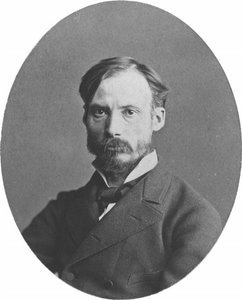
პიერ-ოგიუსტ რენუარი
1841 - 1919 , საფრანგეთი
მოკლე ფაქტები
- Artistic Movement Or Style: იმპრესიონიზმი
- Artists Or Movements Influenced By This Artist: იმპრესიონიზმი
- Artists Who Influenced This Artist:
- რუბენსი
- ვატოს
- კურბე
- მანე
- Date Of Birth: 1841 წლის 25 თებერვალი
- Date Of Death: 1919 წლის 3 დეკემბერი
- Full Name: პიერ-ოგიუსტ რენუარი
- Nationality: ფრანგი
- Notable Artworks:
- მაუწნული ქალბატონი
- სადილო წყლის თავზე
- ცეკვა მულენ დე 라 გალეტი
- ახალგაზრდა ქალი თავს ივლება
- Place Of Birth: ლიმოჟი, საფრანგო
მსგავსი სტატიები

Impressionism's Masterpieces: 10 Paintings That Defined a Movement | OriginalUniqueArt
Journey through Impressionism's heart with 10 iconic paintings by Monet, Renoir & Degas. Explore light, color & the stories behind these masterpieces. Find museum-quality art reproductions and elevate your home decor on OriginalUniqueArt.com.

პიერ-ოგუსტ რენუარის 25 შედევრი: ხელოვნების ისტორია თქვენს სახლში | OriginalUniqueArt
გაიცანით პიერ რენუარის 25 საუკეთესო შედევრი! იმპრესიონიზმის სინათლე, ფერი და სილამარე. Le Moulin de la Galette-დან Luncheon of the Boating Party-მდე – ხელოვნების ისტორია OriginalUniqueArt-ზე. ნახატების რეპროდუქციები თქვენი სახლისთვის. Explore the full collection online!
იმპრესიონიზმის 10 შედევრი: ხელოვნების ისტორიის გამორჩეული ნაწარმოებები OriginalUniqueArt-ზე
გაიცანით იმპრესიონიზმის 10 გამორჩეული შედევრი მონეს, რენუარის და სხვა დიდოსების ნახატებით. OriginalUniqueArt-ზე შეგიძლიათ შეიძინოთ ხარისხიანი რეპროდუქციები და შექმნათ თქვენი სახლისთვის განსაცვიფრებელი ინტერიერი. აღმოაჩინეთ მთელი კოლექცია ონლაინ!
ტოპ 10 იმპრესიონისტული შედევრი: ხელოვნების ისტორია და თქვენი სახლის დეკორი
აღმოფრთოვანდით იმპრესიონიზმის 10 უმშვენიერეს შედევრს! მონე, რენუარი და სხვა მოწინავე ხელოვანი. შეიტყვეთ მათი ისტორია და განიცადეთ ფერის máгияs. OriginalUniqueArt.com-ზე იხილეთ საუკეტესი ხელოვნების რეპლიკები თქვენი სახლისთვის.

The Luminous World of Pierre-Auguste Renoir: An Exploration of Impressionism's Sensuous Embrace
Explore the captivating world of Pierre-Auguste Renoir! Discover his life, iconic Impressionist masterpieces & enduring legacy with our expert guide. High-quality reproductions available.


