

 ნახვა ინტერьерში
 გაგზავნა
 გაზიარება
 დეტალები
 გზამკვლევი

 ჩამოტვირთვა
 მსგავსები
 რენტგენოგრაფიული კვლევა
 სლაიდშოუ
 სტატისტიკა
Cup and Oranges

 სრული ტექსტის ნახვა
გიკლე / ხელოვნების პრინტი
მუზეუმის დონის ჟიკლე ან ტილოზე ბეჭდვა სწრაფი წარმოებისა და დასრულების მოქნილი ვარიანტებით. ( შეიძინეთ ხელით შესრულებული ნახატი გადასვლა ციფრულ გამოსახულებაზე)




P118B ₾10

P118H ₾10

P118W ₾10

P438Z ₾10

P508JH ₾12

P508YH ₾12

P805H ₾10

P805Z ₾10

P919BZ ₾10

P919G ₾10

P919XJ ₾10

P959ZH ₾10

P968JZ ₾12

W106C ₾8

W218G ₾10

W218JH ₾8

W218Y ₾10

W307PJ ₾10

W316G ₾10

W316PJ ₾8

W316Y ₾10

W398PJ ₾8

W4111J ₾10

W500HY ₾15

W500JH ₾15

W692G ₾12

W849H ₾8

W940BG ₾15

W953PJ ₾8




აირჩიეთ ჩვენს მიერ წინასწარ განსაზღვრული ზომებიდან, რომლებიც ნაწარმოების ორიგინალურ პროპორციებს შეესაბამება.

შეიყვანეთ თქვენთვის საჭირო სიგანე და სიმაღლე, რათა იგი მოერგოს თქვენს ჩარჩოს ან კედელს. ბეჭდვისას შესაძლებელია მხოლოდ მისი შემცირება და არა გაზრდა, ამიტომ სხვა ფორმის ზომის შემთხვევაში გამოსახულება ნაწილობრივ იკარგება. სანამ რაიმეს დაბეჭდავთ, ჩვენ გამოგიგზავნით ციფრულ მაკეტს დასდასტურებლად. ამ გვერდზე ნაჩვენები სურათი არ ასახავს რეალურ ჭრას — ამას მხოლოდ მაკეტი გვიჩვენებს.
მიწოდება მთელ მსოფლიოში () 2 კვირაში, სტანდარტული 4/5 კვირის ნაცვლად. (23 ოქტომბერი)

უფასო ექსპრეს მიწოდება მთელ მსოფლიოში

მაღალი ხარისხის ტილო

ტრანსპორტირების სრული დაზღვევა

საბაჟო გადასახადების დაბრუნების გარანტია

ფერების სრული შესაბამისობის გარანტია

დაბრუნების 100-დღიანი პერიოდი (მხოლოდ წარმოების დეფექტის შემთხვევაში)

100% თანხის სრული დაბრუნების გარანტია

ფასდაკლება დიდი რაოდენობით შეკვეთისას
 მინის ჩარჩოს არჩევანი ხელმისაწვდომია მხოლოდ 110 სმ-მდე ზომისთვის

Cup and Oranges
გიკლე / ხელოვნების პრინტი
რეპროდუქციის ზომა
-


ჯამური ღირებულება
₾ 209
A Moment Frozen in Light: Renoir’s “Cup and Oranges”
Pierre-Auguste Renoir's "Cup and Oranges" isn’t merely a still life; it’s an exquisitely crafted distillation of Impressionist philosophy, a vibrant testament to the artist’s profound understanding of light, color, and the fleeting beauty of everyday objects. Completed in the late 1880s, this oil on canvas captures a seemingly simple scene – a cup, two oranges, and a single apple arranged upon a plate – yet within its delicate composition lies a wealth of artistic intention and emotional resonance. Renoir wasn’t interested in replicating reality with photographic precision; instead, he sought to convey the *impression* of it—the way light dances across surfaces, the subtle shifts in color as seen through the eye, and the overall atmosphere of tranquility. The painting speaks volumes about Renoir's fascination with capturing a specific moment in time, an ephemeral beauty that resists permanence.The Language of Color and Brushstroke
Renoir’s masterful technique is immediately apparent upon close inspection. He employs loose, broken brushstrokes—a hallmark of Impressionism—that seem to shimmer and blend rather than sharply define edges. These aren't the precise, controlled strokes of a traditional academic painter; they are quick, intuitive marks designed to capture the fleeting effects of light. Notice how he uses warm hues – rich oranges, yellows, and hints of rose – to create an intimate and inviting atmosphere. The colors aren’t blended smoothly; instead, they sit side-by-side, allowing the viewer's eye to mix them optically, contributing to the painting’s luminous quality. The careful placement of shadows adds depth and volume to the objects, preventing the scene from feeling flat or two-dimensional. He expertly utilizes *plein air* techniques, working outdoors whenever possible to directly observe and translate the nuances of natural light onto the canvas.Symbolism and a Glimpse into Parisian Life
While seemingly straightforward, "Cup and Oranges" is rich in subtle symbolism. The choice of fruit – oranges, particularly – was significant for Renoir, evoking associations with warmth, abundance, and the Mediterranean region, a place he deeply admired and frequently depicted in his work. The apple, often associated with temptation and knowledge, introduces an element of quiet contemplation. The cup itself, likely porcelain, hints at domesticity and refinement—a subtle nod to Parisian bourgeois life, which was a frequent subject for Renoir’s art. The arrangement isn't random; it’s carefully considered to create visual harmony and balance, reflecting the artist’s meticulous attention to detail. It’s important to note that this painting reflects the broader Impressionist interest in capturing scenes of modern life—not grand historical events or mythological narratives, but rather the ordinary moments that constitute a Parisian existence.A Legacy of Light and Beauty
“Cup and Oranges” stands as a quintessential example of Renoir's artistic vision and his pivotal role in shaping the Impressionist movement. It’s a painting that invites us to slow down, to appreciate the simple pleasures of life, and to revel in the beauty of light and color. Its influence can be seen in countless subsequent works of art—from Monet’s shimmering water lilies to the vibrant landscapes of Pissarro. Reproductions, like those offered by OriginalUniqueArt.com, allow us to experience this masterpiece firsthand, bringing its luminous charm into our homes and spaces. Consider how the soft brushstrokes and warm palette would complement a variety of interior design styles—from classic French interiors to modern minimalist spaces. The painting’s enduring appeal lies in its ability to evoke a sense of peace, tranquility, and a profound appreciation for the beauty that surrounds us.კითხვები და პასუხები
რისთვის არის რეკომენდებული "Cup and Oranges"-ის პრინტის გამოყენება?
პიერ-ოგიუსტ რენუარი-ის „Cup and Oranges“-ის გამოყენების რეკომენდებული ფორმაა Accent. მას ასევე შეიძლება სხვა დანიშნულება ჰქონდეს.
სად იმყოფება "Cup and Oranges" პიერ-ოგიუსტ რენუარი-ის შემოქმედებისათვის დამახასიათებელ თემებსა და სტილში?
პიერ-ოგიუსტ რენუარი-ის შემოქმედებაში „Cup and Oranges“ Impressionism სტილშია შესრულებული და impressionism, light, color, beauty, parisian life, leisure, society, domesticity თემებს ეფუძნება.
არსებობს თუ არა სლაიდშოუ ნამუშევრისთვის პიერ-ოგიუსტ რენუარი-ის „Cup and Oranges“?
სურათების სლაიდშოუ „Cup and Oranges“-ის სანახავად ეწვიეთ ნამუშევრის სლაიდშოუ გვერდს.
მხატვრის ბიოგრაფია
პიერ-ოგუსტ რენუარი: სინათლისა და სიხარულის მხატვერი
პიერ-ოგუსტ რენუარი (1841-1919) იყო ფრანგი გამოჩენილი მხატვარი, რომელმაც მნიშვნელოვანი როლი ითამაშა იმპრესიონიზმის განვითარებაში. მისი ნაწარმოებები სინათლის თბილ ელფერი, სიხარულის გადმომცემი ემოციები და ყოველდღიური ცხოვრების მომენტების შესანიშნავად აღქმული გამოსახულებები ხასიათდება. რენუარი დაიბადა ლიმოჟში, პატარა ქალაქში საფრანგეთში, სადაც მისი ოჯახი მალევე გადავიდა პარიზში ეკონომიკური შესაძლებლობების ძიებაში. ეს გადაწყვეტილება განსაზღვრავდა მის შემდგომი ცხოვრებასა და შემოქმედებას – სწორედ პარიზმა უბადო ხელი მხატვრის განვითარებაში.
მცირეწლის ასაკში რენუარი მუშაობდა ფაიანსის ქარხანაში, სადაც მან პირველად შეიძინა საღებავების გამოყენების გამოცდილება. თუმცა, მისი ნამდვილი გატაცება მხატვრობით მაშინ დაიწყო, როდესაც ხშირად სტუმრობდა ლუვრში და ოსტატების შედევრებს ითვალისწინებდა. მან ჩააბარა შარლ გლეირის სტუდიაში, სადაც გაიცნობა კლოედ მონე, ალფრედ სისი და ფრედერიკ ბაზილი – ამგვარად ჩამოყალიბდა იმპრესიონისტული მოძრაობის საფუძველი. თავდაპირველად რენოარი გუსტავ კორბეს რეალიზმისა და ედუარდ მანეს მიმდევარი იყო, თუმცა პეტრე პავლე რუბენსის და ჟან-ანტუან ვატოს ლამაზი ფერები და სენსუალურობა მის ხელოვნებაზეც დიდი გავლენა მოexerted.
იმპრესიონიზმის აღმასვლა და რენუარის უნიკალური სტილი
რენუარი აქტიური მონაწილე იყო პირველ იმპრესიონისტულ გამოფენაში 1874 წელს, სადაც მისი ნამუშევრებმა დიდი აჟიოტაžiota. თუმცა, ის არ დარჩა იმპრესიონიზმის ერთგვაროვან მორწმუნედ – მან თანდათანობით დაიწყო უფრო ფორმალური და კლასიკური მიდგომებისკენ გადასვლა. მისი ტილოები ხასიათდება ფერადი შტრიხებით, რომელიც სინათლის მოძრაობას აჩქარებს, რაც იმპრესიონიზმის მთავარი მახასიათებელია. "ბალე მულენ დე ლა გალეტ"-ი (1876) მისი ყველაზე ცნობილი ნაწარმოებრიდან ერთ-ერთი არის, რომელიც პარიზული ღამისმთევრობის სცენას ასახავს და დამნაშვებს თბილ სინათლეში ანათებს. "გემთკეების ლანჩი" (1880-81) კიდევ ერთი შედევრია, რომელიც ყოველდღიური ცხოვრების მომენტს ასახავს და დამნაშვებს გართულებას უყურებს.
შემოქმედებითი ნაწარმოებები და თემები
რენუარის შემოქმედებაში ჭარბობს სიხარულის, სილამაზისა და ყოველდღიური ცხოვრების აღქმა. მისი ტილოებში ხშირად გვხვდება ქალების გამოსახულებები, რომლებიც სინათლეში ანათებენ და გრძნობებს გამოხატავენ. "ბანაობის შემდეგ" (1885-87) რენუარის ნატიფსაკმევლად აღიარებულ ნამუშევრად ითვლება, სადაც მან ქალური სილამაზის ხატებაზე კონცენტრირება მოახდინა. ის არ ცდილობდა ისტორიული ანტოლოგიების შექმნას; პირიქით, ის ყოველდღიური ცხოვრების უბრალო მომენტებს აყვავებდა ხელოვნებად.
გვიანელი პერიოდი და მემკვიდრეობა
1890-იან წლებში რენუარი უფრო კლასიკურ სტილს მიმართავს, რაც მისი იტალიური მოგზაურობითაც განპირობებული იყო. თუმცა, ის არ უარყოფდა მთლიანად იმპრესიონიზმის პრინციპებს. ავთვისებიანი დაავადების გამო, რომელიც ხელს შეუშლიდა მის მოძრაობას, რენუარი იძულებული გახდა შეეცვალა ტექნიკა და უფრო მეტი ყურადღება დაეთმო ფორმებს. მისი გვიანელი ტილოები ხასიათდება თბილი ფერებით და უფრო მეტად კონცენტრირებულია ადამიანის სულისკვეთების აღქმასთან.
პიერ-ოგუსტ რენუარი გარდაიცვალა 1919 წელს, დაგვიტოვა უამრავ შესანიშნავ ნამუშევარს, რომელიც დღემდე აფასებენ მთელ მსოფლიოში. მისი მემკვიდრეობა განაგრძობს შთაბეჭდილებას ახალი თაობის მხატვრებზე და მისი ტილოები ხშირად გვხვდება სხვადასხვა სახის პროდუქტებზე, რაც მისი ხელოვნების უნივერსალურ პოპულარობას ადასტურებს. რენუარი იყო იმპრესიონიზმის ერთ-ერთი ყველაზე მნიშვნელოვანი წარმომადგენელი, რომელმაც შექმნა სინათლისა და სიხარულის სამყარო ტილოებზე.
- მთავარი თემები: ყოველდღიური ცხოვრება, ქალების გამოსახულებები, პარიზული სცენები, ბანაობა
- გავლენა: რუბენსი, ვატო, კორბე, მამეტი
- მნიშვნელოვანი ნამუშევრები: "ბალე მულენ დე ლა გალეტ", "გემთკეების ლანჩი", "ბანაობის შემდეგ"
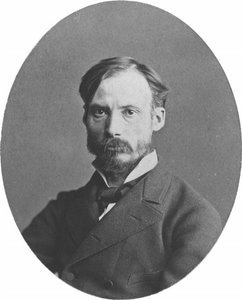
პიერ-ოგიუსტ რენუარი
1841 - 1919 , საფრანგეთი
მოკლე ფაქტები
- Artistic Movement Or Style: იმპრესიონიზმი
- Artists Or Movements Influenced By This Artist: იმპრესიონიზმი
- Artists Who Influenced This Artist:
- რუბენსი
- ვატოს
- კურბე
- მანე
- Date Of Birth: 1841 წლის 25 თებერვალი
- Date Of Death: 1919 წლის 3 დეკემბერი
- Full Name: პიერ-ოგიუსტ რენუარი
- Nationality: ფრანგი
- Notable Artworks:
- მაუწნული ქალბატონი
- სადილო წყლის თავზე
- ცეკვა მულენ დე 라 გალეტი
- ახალგაზრდა ქალი თავს ივლება
- Place Of Birth: ლიმოჟი, საფრანგო
მსგავსი სტატიები
იმპრესიონიზმის 10 შედევრი: ხელოვნების ისტორიის გამორჩეული ნაწარმოებები OriginalUniqueArt-ზე
გაიცანით იმპრესიონიზმის 10 გამორჩეული შედევრი მონეს, რენუარის და სხვა დიდოსების ნახატებით. OriginalUniqueArt-ზე შეგიძლიათ შეიძინოთ ხარისხიანი რეპროდუქციები და შექმნათ თქვენი სახლისთვის განსაცვიფრებელი ინტერიერი. აღმოაჩინეთ მთელი კოლექცია ონლაინ!
პიერ-ოგუსტ რენუარის 25 შედევრი: ხელოვნების ისტორია თქვენს სახლში | OriginalUniqueArt
გაიცანით პიერ რენუარის 25 საუკეთესო შედევრი! იმპრესიონიზმის სინათლე, ფერი და სილამარე. Le Moulin de la Galette-დან Luncheon of the Boating Party-მდე – ხელოვნების ისტორია OriginalUniqueArt-ზე. ნახატების რეპროდუქციები თქვენი სახლისთვის. Explore the full collection online!

The Bountiful Still Life: Symbolism & Artistic Representation of Fruit Across Art History
Explore the rich history of still life painting & the symbolism of fruit across art movements. Discover masterpieces from Caravaggio to Cézanne with OriginalUniqueArt – expert guidance & museum-quality reproductions.
ტოპ 10 იმპრესიონისტული შედევრი: ხელოვნების ისტორია და თქვენი სახლის დეკორი
აღმოფრთოვანდით იმპრესიონიზმის 10 უმშვენიერეს შედევრს! მონე, რენუარი და სხვა მოწინავე ხელოვანი. შეიტყვეთ მათი ისტორია და განიცადეთ ფერის máгияs. OriginalUniqueArt.com-ზე იხილეთ საუკეტესი ხელოვნების რეპლიკები თქვენი სახლისთვის.

პოლ სეზანის 25 შედევრი: ხელოვნების ისტორიაში გამორჩეული ნაწარმოებები | OriginalUniqueArt.com
აღმოაჩინეთ პოლ სეზანის 25 გამორჩეული შედევრი! იმპრესიონიზმი, პოსტიმპრესიონიზმი და კუბიზმის წინასწარმეტყველი. ნახატების ისტორია, ტექნიკა და შთაგონება OriginalUniqueArt.com-ზე. 🖼️ ხელოვნების ბეჭვრა მუზეუმის ხარისხით.


