ნახვა ინტერьерში
 გაგზავნა
 გაზიარება
 დეტალები
 გზამკვლევი

 ჩამოტვირთვა
 მსგავსები
 რენტგენოგრაფიული კვლევა
 სლაიდშოუ
 სტატისტიკა
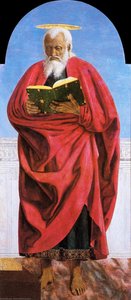
Polyptych of St. Anthony
 Oil On Canvas
- WallArt
- Renaissance
 Early Medieval
 338.0 x 230.0 cm
 სრული ტექსტის ნახვა
გიკლე / ხელოვნების პრინტი
მუზეუმის დონის ჟიკლე ან ტილოზე ბეჭდვა სწრაფი წარმოებისა და დასრულების მოქნილი ვარიანტებით. ( შეიძინეთ ხელით შესრულებული ნახატი გადასვლა ციფრულ გამოსახულებაზე)




P118B $10

P118H $10

P118W $10

P438Z $10

P508JH $12

P508YH $12

P805H $10

P805Z $10

P919BZ $10

P919G $10

P919XJ $10

P959ZH $10

P968JZ $12

W106C $8

W218G $10

W218JH $8

W218Y $10

W307PJ $10

W316G $10

W316PJ $8

W316Y $10

W398PJ $8

W4111J $10

W500HY $15

W500JH $15

W692G $12

W849H $8

W940BG $15

W953PJ $8




აირჩიეთ ჩვენს მიერ წინასწარ განსაზღვრული ზომებიდან, რომლებიც ნაწარმოების ორიგინალურ პროპორციებს შეესაბამება.

თქვენ შეგიძლიათ მიუთითოთ საკუთარი ზომები კონკრეტული ჩარჩოსთვის ან სივრცისთვის მოსარგებლებლად. თუ თქვენ მიერ არჩეული ზომა არ შეესაბამება ორიგინალი გამოსახულების პროპორციებს, ჩვენ ან დავჭრით ნამუშევარს, ან გავაფართოვებთ გამოსახულებას სარკული ან ერთფეროვანი კიდეებით. წარმოების დაწყებამდე თქვენს დასამტკიცებლად გამოგეგზავნებათ ციფრული მაკეტი.
გთხოვთ, გაითვალისწინოთ, რომ ეკრანზე ნაჩვენები წინასწარი ნახვა არ ასახავს რეალურ ჭრას ან გაფართოებას. მხოლოდ მაკეტზე იქნება ზუსტად წარმოდგენილი საბოლოო კომპოზიცია.
მიუხედავად იმისა, რომ ინდივიდუალური ზომები ხელმისაწვდომია, ორიგინალური პროპორციების შესანარჩუნებლად გირჩევთ, აირჩიოთ ზომა წინასწარ განსაზღვრული სიისგან.
მიწოდება მთელ მსოფლიოში () 2 კვირაში, სტანდარტული 4/5 კვირის ნაცვლად. (27 სექტემბერი)

უფასო ექსპრეს მიწოდება მთელ მსოფლიოში

მაღალი ხარისხის ტილო

ტრანსპორტირების სრული დაზღვევა

საბაჟო გადასახადების დაბრუნების გარანტია

ფერების სრული შესაბამისობის გარანტია

დაბრუნების 100-დღიანი პერიოდი (მხოლოდ წარმოების დეფექტის შემთხვევაში)

100% თანხის სრული დაბრუნების გარანტია

ფასდაკლება დიდი რაოდენობით შეკვეთისას
 მინის ჩარჩოს არჩევანი ხელმისაწვდომია მხოლოდ 110 სმ-მდე ზომისთვის

Polyptych of St. Anthony
გიკლე / ხელოვნების პრინტი
რეპროდუქციის ზომა
-


ჯამური ღირებულება
$ 80
The Polyptych of St. Anthony: A Renaissance Masterpiece of Light and Faith
Piero della Francesca’s Polyptych of St. Anthony, completed around 1470 for the Franciscan convent in Perugia, is more than just a religious painting; it's a profound meditation on perspective, faith, and the human condition. This complex altarpiece, now housed within the Galleria Nazionale dell’Umbria, offers a captivating journey through Renaissance artistry, inviting viewers to contemplate its intricate symbolism and masterful execution.
The polyptych itself is a testament to the era's evolving artistic sensibilities. It’s not merely a single image but a series of interconnected panels arranged in a tiered structure – a deliberate choice that mimics the grandeur of a Renaissance church. The central panel depicts the Virgin Mary enthroned with the Christ Child, flanked by the venerated saints Anthony of Padua and John the Baptist on the left, and Francis and Elizabeth of Hungary on the right. Above this core scene unfolds an exquisite Annunciation, rendered with breathtaking precision using linear perspective – a technique pioneered by Piero himself and exemplified in his treatise *De prospectiva pingendi*. The vanishing point, strategically placed within the colonnade, creates an illusion of depth that draws the eye into the composition, mirroring the spiritual journey towards divine grace.
A Symphony of Color and Technique
Piero della Francesca’s genius lies not only in his mastery of perspective but also in his innovative use of color and technique. He moved away from the traditional tempera-on-panel approach prevalent at the time, embracing oil paints – a relatively new medium that allowed for greater luminosity, richer hues, and subtle gradations of tone. This shift is particularly evident in the Annunciation, where the light seems to emanate from within the painted space, creating an ethereal atmosphere. The palette itself is restrained yet powerful: deep browns, reds, creams, and golds dominate, evoking a sense of solemnity and reverence. The figures are rendered with remarkable anatomical accuracy and psychological depth – they aren’t idealized representations but rather believable human beings experiencing profound emotion.
The predella panels below the central scene offer further insights into the lives of the Franciscan saints. These smaller, more intimate scenes depict miraculous events attributed to Anthony, Francis, and Elizabeth, illustrating their dedication to charity and faith. The panel depicting Anthony raising a child from the dead is particularly striking, conveying both compassion and divine intervention. The meticulous detail in each brushstroke speaks volumes about Piero’s commitment to his craft – every fold of drapery, every expression on a face, is rendered with painstaking care.
Symbolism and Historical Context
Beyond its aesthetic beauty, the Polyptych of St. Anthony is rich in symbolism. The choice of saints reflects the Franciscan order’s core values – devotion to Mary, service to the poor, and a commitment to preaching the Gospel. The inclusion of elements like the Holy Sepulchre, subtly referenced within the composition, underscores the importance of pilgrimage and spiritual journeys. Furthermore, the painting's creation coincided with a period of significant intellectual ferment in Italy, marked by renewed interest in classical antiquity and advancements in mathematics and geometry – fields that profoundly influenced Piero’s artistic vision.
Interestingly, the polyptych’s history is intertwined with Perugia’s political landscape. Commissioned for the Franciscan convent, it was later moved to the town hall during a period of instability, highlighting the painting's role as both a religious icon and a symbol of civic pride. The story of Anthony Clarke, the British artillery officer who saved the fresco from destruction during World War II, adds another layer of intrigue to this remarkable artwork – a testament to the enduring power of art and its ability to transcend time and conflict.
A Timeless Legacy
The Polyptych of St. Anthony remains one of Piero della Francesca’s most celebrated works, admired for its technical brilliance, profound symbolism, and emotional resonance. It stands as a powerful example of Early Renaissance artistry – a testament to the enduring legacy of a master painter who dared to challenge convention and explore the boundaries of artistic expression. Reproductions of this masterpiece offer an opportunity to bring its beauty and depth into any setting, serving as a constant reminder of the power of faith, art, and human ingenuity.
მხატვრის ბიოგრაფია
პიერო დელა ფრანჩესკას სამყარო: სიმეტრიის, სინათლისა და ჰუმანიზმის ჰარმონია
პიერო დელა ფრანჩესკასი (დაახლოებით 1415-1492) იტალიელი მხატვარი, მათემატიკოსი და გეომეტრი იყო, რომლის ნაწარმოებებიც დღევანდელ დღეშიც აღფრთოვანებს თავისი სიმშვიდით, სიკეთისმყოფილობითა და ჰუმანიზმის ღრმადგანსული განსახედვებით. სან-სეპოლკროს ქალაქიდან მომავალი ეს მოღვაწე, რომელიც საკმაოდ მწირი ინფორმაცია აქვს შემორჩენილი, წარმოადგენს რენესანსის ეპოქის ერთ-ერთ ყველაზე მნიშვნელოვან ფიგურად, რომელმაც ხელოვნებასა და მეცნიერებას შორის უნიკალური კავშირი შექმნა. მისი ცხოვრება და შემოქმედება არის სიმტკიცე იმისა, რომ სილამაზე შეიძლება იფაროს წესრიგსა და პროპორციაში, რაც მან თავის ნაწარმოებებში სრულყოფილად განსახიერა.
პიერო დელა ფრანჩესკასი დაიბადა სან-სეპოლკროში, რომელიც მაშინ რესპუბლიკის პროვინციის ნაწილი იყო. მისი მამა, ბენედეტო დე’ ფრანჩესკი, იყო ტყავი და ფეხსაცავის მწარმოებელი, რაც საშუალებას აძლევდა პიეროს მიიღო კარგი განათლება. თუმცა, მისი ადრეული წლები σχετικά малоdocumented են, ცნობილია, რომ მან ადგილობრივ მხატვრებთან სწავლა დაიწყო და შემდეგი მოგზაურობა გა yaptı ფლორენციაში, სადაც მას დიდი გავლენა მოახდინა მასაციოსა და ბრუნელესკისმა მიღწევებმა. ფლორენციის პერიოდში მან დომენიკო ვენეციანთან თანამშრომლობა დაიწყო, რაც მის შემოქმედებაში მნიშვნელოვანი ნაბიჯი აღმოჩნდა.
რენესანსის ჰუმანიზმის განსახიერება: ძირითადი ნაწარმოებები
პიეროს ყველაზე ცნობილი ნაწარმოებებს შორის გამოირჩევა არისცოს ციკლი "მართალი ჯვრის ლეგენდა", რომელიც სან-ფრანჩესკო ეკლესიის კედლებზეა განთავსებული. ეს ფრესკები წარმოადგენს ბიბლიური მოვლენების მშვიდი და ჰარმონიული აღწერას, სადაც ადამიანთა სახეები სილამაზითა და ღირებულებით არის გამსჭვარეული. "ფედერიკო დე მონტეფელტროსა და მისი ცოლის, ბატი스타 სფორცას პორტრეტი" კიდევ ერთი შედევრია, რომელიც გამოირჩევა ფონების უნიკალური გამოყენებით, რაც მას განსაკუთრებულ სიღრმეს ანიჭებს. "ქრისტიანობის ნათლობა" და "გადაწყვეტა" მისი სხვა მნიშვნელოვანი ტილოებია, რომლებიც მისმა ოსტატობამ განაპირობა კომპოზიციის სიმარჯვეთა და სინათლის ჰერლებში.
მეცნიერული მიდგომა ხელოვნებასთან: პერსპექტივა და გეომეტრია
პიერო დელა ფრანჩესკასი არ იყო მხოლოდ მხატვარი, არამედ გამოცდილი მათემატიკოსი და გეომეტრიც. მან საფუძველი ჩაუყარა პერსპექტივის თეორიას ხელოვნებაში, რაც მისი "De Prospectiva Pingendi" სახელწოდების ტრაქტატიდანაც ირკვევა. ეს ნაშრომი წარმოადგენს რენესანსის ეპოქაში გამოქვეყნებულ ერთ-ერთ პირველ სამუშაოს პერსპექტივაზე, სადაც მან დეტალურად აღწერა გეომეტრიული წესები და მათ ხელოვნებაში გამოყენების მეთოდი. მისი ნაწარმოებებში სინათლისა და ფერების ჰერლებმა განსაკუთრებული მნიშვნელობა შეიძინა, რაც მისმა მეცნიერულმა მიდგომამ განაპირობა.
მემკვიდრეობა და ისტორიული მნიშვნელობა
პიერო დელა ფრანჩესკისის შემოქმედება ხანგრძლივად დარჩა გამოუყენებლი, მაგრამ XX საუკუნეში მისი ნაწარმოებები აღიარებულ იქნა როგორც რენესანსის ხელოვნების ერთ-ერთი ყველაზე მნიშვნელოვანი მიღწევრება. მან დიდი გავლენა მოახდინა მომავალ თაობათა მხატვრებზე, მათ შორის ლეონარდო და ვინჩისა და Rafaelზე. მისი სიმეტრიული კომპოზიციები, ჰუმანიზმის იდეალი და მეცნიერული სიPrecise დღესაც აფასებენ ხელოვნებაშვილებისა და ისტორიკოსების მიერ. პიერო დელა ფრანჩესკასი არის რენესანსის ეპოქის სიმბოლო, რომელიც წარმოადგენს ხელოვნებისა და მეცნიერების ჰარმონიულ გაერთიანებას.

პიერო დელა ფრანჩესკა
1415 - 1492 , იტალია
მოკლე ფაქტები
- Artistic Movement Or Style: ადრეული რენესანსი
- Artists Or Movements Influenced By This Artist:
- ლეონარდო და Винчи
- რაფაელი
- Artists Who Influenced This Artist:
- მასაჩო
- დომენიკო ვენეციანო
- Date Of Birth: დაახლოებით 1415 წელი
- Date Of Death: 12 ოქტომბერი, 1492 წელი
- Full Name: პიერო დელა ფრანჩესკა
- Nationality: იტალიური
- Notable Artworks:
- მართლმადიდებელი ჯვარის ისტორია
- ფრედერიკო და მონტეფელტროს სამკერავი
- ქრისტიანობის ნათისობა
- მონტეპოლტის პორტრეტი
- Place Of Birth: სანსეპოლკრო, იტალია
მსგავსი სტატიები
გიოტოს 25 შედევრი: რენესანსის წინასამძიმრო და ხელოვნების ახალი ეპოქა | OriginalUniqueArt
აღმოაჩინეთ გიოტოს 25 უნიკალური შედევრი! რენესანსის ეპოქის ფრესკები, მადონას გამოსახულებები და იტალიური ხელოვნების საუკეთესო ნიმუშები OriginalUniqueArt-ზე. ხარისხიანი რეპროდუქციები თქვენი სახლისთვის. Explore the full collection online!

ფლორენციის უფიცის გალერეის 25 შედევრი: რენესანსის საგანძური თქვენს სახლში
აღმოაჩინეთ ფლორენციის უფიცის გალერეის 25 შედევრი! ბოტტიჩელი, ლეონარდო და ვინჩი, მიქელანჯელო და სხვა რენესანსული გენიების ნახატები. სახლის დეკორი მუზეუმის ხარისხით OriginalUniqueArt.com-ზე.

Luca della Robbia: Renaissance Sculpture & the Innovation of Terracotta Glazing
Discover the innovative terracotta glazing techniques of Luca della Robbia, a Renaissance master sculptor. Explore his iconic works, legacy, and collecting tips with OriginalUniqueArt.

ელ გრეკოს 25 შედევრი: ხელოვნების ისტორია თქვენს სახლში | OriginalUniqueArt.com
აღმოაჩინეთ ელ გრეკოს 25 უნიკალური შედევრი! ესპანური ხელოვნების ბაროკო სტილი, რელიგიური ხატები და მანერიზმის სიმდიდრე თქვენს სახლში. შეიძინეთ ხატის რეპროდუქცია OriginalUniqueArt.com-ზე და შექმნით ელიტური ინტერიერი. Explore the full collection online!
Piero della Francesca: Renaissance Perspective, Divine Proportion & the Pursuit of Ideal Form
Explore the revolutionary art of Piero della Francesca – master of perspective, divine proportion & Renaissance humanism. Discover his iconic paintings & lasting influence on art history.