

 წინასწარი ნახვა
 გაგზავნა
 გაზიარება
 დეტალები

 ჩამოტვირთვა
 მსგავსები
 რენტგენოგრაფიული კვლევა
 სლაიდშოუ
 სტატისტიკა
Pegasus
 1937
1937 22.0 x 20.0 cm
 გადასართად დაწვრილებით ნახეთ
ხელით ნაკვეთი ზეთის ტილოს რეპროდუქცია
ტილოზე შესრულებული ფერწერიანი ზეთប្រდათი, თქვენთვის სასურველი ზომისა და ჩარჩოსთვის, ჩვენი ხელოვანების მიერ შეკვეთის საფუძველზე დამზადებული. ( გადართვა ბეჭდზე გადასვლა ციფრულ გამოსახულებაზე)




































აირჩიეთ ჩვენს მიერ წინასწარ განსაზღვრული ზომებიდან, რომლებიც ნაწარმოების ორიგინალურ პროპორციებს შეესაბამება.

თქვენ შეგიძლიათ მიუთითოთ თქვენთვის სასურველი ზომები კონკრეტული ჩარჩოს ან სივრცის შესაბამისად. თუ თქვენ მიერ არჩეული ზომა არ შეესაბამება ორიგინალი გამოსახულების პროპორციებს, ჩვენ ან შევაჭრებთ ნაწარმოებს, ან ტილოზე დავამატებთ ხელით მოხატულ ელემენტებს. წარმოების დაწყებამდე, დამტკიცებისთვის გამოგეგზავნებათ ციფრული მაკეტი.
გთხოვთ, გაითვალისწინოთ, რომ ეკრანზე ნაჩვენები წინასწარი შეხედულება არ ასახავს რეალურ შეჭრას ან გაფართოებას. საბოლოო კომპოზიციას ზუსტად მხოლოდ მაკეტი წარმოაჩენს.
მიუხედავად იმისა, რომ შესაძლებელია ინდივიდუალური ზომების შერჩევა, ორიგინალური პროპორციების შენარჩუნებისათვის გირჩევთ, გამოიყენოთ წინასწარ განსაზღვრული სიის ზომები.
შეკვეთის შემდეგ, OriginalUniqueArt.com გუნდი დაგიკავშირდებათ ელექტრონული ფოსტით ინსტრუქციებისთვის და გამოგიგზავნით წინასწარ ნახაზს (mockup).
მიწოდება მსოფლიო მასშტაბით -ში 3/4 კვირაში, სტანდარტული 5 კვირის ნაცვლად. (11 სექტემბერი). ხარისხზე კომპრომისის გაკეთება არ მოხდება.

უფასო ექსპრეს მიწოდება მთელ მსოფლიოში

საბამად მაღალი ხარისხის ტილო

სრული ტრანსპორტირების დაზღვევა

საბაჟო გადასახადების დაბრუნების გარანტია

ფერების სრული შესაბამისობის გარანტია

დაბრუნების 100-დღიანი პოლიტიკა (მხოლოდ დეფექტის შემთხვევაში)

100% თანხის დაბრუნების გარანტია

ფასდაკლება დიდი რაოდენობით შეკვეთისას
 მინის ჩარჩოს არჩევანი ხელმისაწვდომია მხოლოდ 110 სმ-ზე ნაკლები ზომისთვის

Pegasus
რეკლამაციის ტექნიკა
რეკლამაციის ზომა
-


საბოლოო ფასი
$ 300
მხატვრის ბიოგრაფია
ადრეული ცხოვრება და სახელოვნებო დასაბამისი
პოლ ჰუარდ Manship (25 დეკემბერი, 1885 – 31 იანვარი, 1966) მინესოტას შტატის ქალაქ სენტ-პაულში დაიბადა, ჩარლზ ჰ. და მერი ეტა (ფრიEND) Manship-ის ვაჟად. მისმა მამამ, რომელიც სენტ-პაულის გაზის კომპანიაში მოClerk-ად მუშაობდა, შვილში დათესა ხელოვნებისადმი სიყვარული, რაც დახელოვნებასა და სიზუსტეს ეფუძნებოდა — თვისებებმა, რომლებმაც შემდგომში ღრმად განსაზებეს Manship-ის მხატვრული ხედვა. ნელსონის 304-ე ნომერში, ოჯახურ გარემოში გაზრდილმა, ახალგაზრდობიდანვე განავითარა მჭრელი ინტერესი ხელოვნების მიმართ; მან ჩაირიცხა სენტ-პაულის სახელოვნებო სკოლაში, სადაც დახვეწდა თავის ფუნდამენტურ უნარებს. ეს ადრეული შეხება მხატვრულ პრინციპებთან წინასწარმეტყველებოდა მის მთელი ცხოვრების მანძილზე მიმდინარე მონუმენტური სწავლისა და ფორმის ექსპრესიული პოტენციალის ძიებისადმი ერთგულებას. მისი ფორმირების წლები აღსანიშნავი იყო სკულპტურული ტექნიკის სრულყოფისადმი შეუპოვარი სწრაფვით — სწორედ ამ მისწრაფებამ საბოლოოდ განსაზღვრა მისი შემოქმედებითი ტრაექტორია.ფორმალური განათლება და გავლენები
Manship-ის ფორმალურმა განათლებამ განამტკიცა მისი მხატვრული სენსიტიურობა და მიიყვანა ფილადელფიისკენ, სადაც მან სწავლა პენსილვანიის ლამაზ ხელოვნების აკადემიაში გააგრძელა. აქ იგი მთლიანად ჩაეფლო კლასიკურ ხელოვნების ისტორიასა და ანატომიაში — თემებში, რომლებიც მისი სკულპტურული პრაქტიკის ცენტრალური ნაწილი გახდა. აღსანიშნავია, რომ მან სწავლა გეორჯ ბრიგმანთან გაიარა, რომლის ანატომიურმა ნახაზებმაც მას ადამიანური ფორმის შეუფასლებელი სიღრმეები აჩვენა, ხოლო ჰერმონ ატკინს მაკნილის მეთოდებით მუშაობამ სკულპტურული მოდელირების ტექნიკის ღრმა გაგება შეუქმნა. მხატვრული ჰორიზონტების გაფართოების მნიშვნელობის გაცნობიერებულმა, Manship-მა 1909 წელს რომში გადაბრძანდა და მოიპოვა პრესტიჟული „რომის ჯილდო“ — ეს იყო გარდამტეხი მომენტი, რამაც მას ევროპული ხელოვნების დიდებულებამ გააცნო და განამტკიცა მისი გატაცება არქაული სკულპტურის მიმართ. მას განსაკუთრებით მოხიბლა ინდოეთის კლასიკური სკულპტურა, რამაც შემდგომში მის ნამუშევრებს მარადიული სილამაზის სული შეუნთო.თანამშრომლობა და მხატვრული სტილი
Manship-ის შემოქმედებითი მოგზაურობა ახალი იმპულსით აღივსო სხვა სკულპტორებთან თანამშრომლობის შედეგად — განსაკუთრებით სოლონ ბორგლუმთან, რომელსაც იგი ლინკოლნის მონუმენტის შექმნისას ეხმარებოდა. ამ გამოცდილებამ დახვეწა მისი ტექნიკური უნარები და გააცნო მას ინოვაციური სკულპტურული მიდგომები. მან ასევე პარტნიორობდა გასტონ ლაშაიზთან და ლეო ფრიდლანდერთან, რითაც შექმნა დინამიკური შემოქმედებითი გარემო, რომელიც ხელს უწყობდა ექსპერიმენტულობასა და სტილისტურ ევოლუციას. Manship-ის მხატვრული სტილი ხასიათდება კლასიკური გავლენებისა და მოდერნისტული სენსიტიურობის გასაოცარი შერწყმით — ჰარმონიული ფיוზია, რომელიც აისახება მისი ქანდაკებების დინამიკურ ხაზებსა და გამარტივებულ ფორმებში. Beaux-Arts მოძრაობის მკაცრი ფორმალიზმის უარყოფით, მან მხარი დაუჭირა ხაზოვან კომპოზიციებს, რომლებიც შეფარდებული ელეგანტურობითა და სიცხადითა თუ ექსპრესიული ძლიერებით იყო აღსავსე.მთავარი შეკვეთები და გამორჩეული ნამუშევრები
Manship-მა საერთაშორისო აღიარება მოიპოვა მონუმენტური საჯარო შეკვეთების მეშვეობით — ყველაზე ცნობილი კი ნიუ-იორკის როკფელერ ცენტრის პრომეთეს ქანდაკებაა, რომელიც Art Deco-ს ამბიციისა და დიდებულების ამაღლებული მოწმობაა. მისი სკულპტურული ნიჭი არ შემოიფარგლებოდა მხოლოდ არქიტექტურული პროექტებით; იგი მოიცავდა მეორე და პირველი მსოფლიო ომების ვეტერანთა መცხვერ-მემორიალებს — სენტ-მიელიელის ამერიკულ სასაფლაოსა და მემორიალს საფრანგეთში, თიაუკურტში, და სამხედრო სასაფლაოს ანზიოში, იტალიაში, რომელთაგან თითოეული ღრმა სიმბოლური მნიშვნელობით არის აღსავსე. გარდა ამისა, მან შექმნა ნიუ-იორკის ოფიციალური ბეჭდის თანამედროვე ვერსია, რაც კიდევ ერთხელ ადასტურებს მის მრავალმხრივობას და რთული იდეების შთამბეჭდავ ვიზუალურ რეპრეზენტაციად გარდაქმნის უნარს.მემკვიდრეობა და ისტორიული მნიშვნელობა
პოლ Manship ამერიკული სკულპტურის უდიდეს ფიგურად დგას — Art Deco-ს პიონერად, რომლის გავლენა დღესაც შთაგონების წყაროა ხელოვანთათვის. მისი ქანდაკებები აერთიანებს კლასიკური ხელოვნების სულს მოდერნისტულ ინოვაციებთან, რაც ასახავს ღრმა კავშირს ტრადიციასთან და ამავდროულად სტილისტურ ექსპერიმენტებს. ამერიკის საბრძოლო მონუმენტების კომისიის მიერ აღიარებული, თავისი სამხედრო მსხვერპლის გამოსახატავი მონუმენტური ნამუშევრების გამო, Manship-ის მემკვიდრეობა სცდება მხოლოდ ესთეტიკურ მიღწევას; იგი წარმოადგენს ურწმუნებელ ერთგულებას ხელოსნობისადმი და რწმენას ხელოვნების ტრანსფორმაციული ძალისადმი — რაც მისი წარუვალი წვლილის დასტურია ვიზუალური ხელოვნების სამყაროში.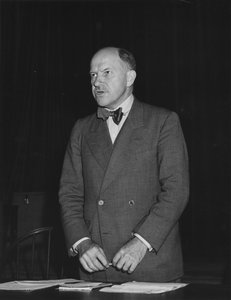
პოლ ম্যানშიპი
1885 - 1966 , აშშ
მოკლე ინფორმაცია
- Artistic Movement Or Style: Art Deco სკულპტურა
- Artists Who Influenced This Artist:
- ჯორჯ ბრიდჟმენი
- ჰერმონ ატკინს მაკნეილი
- Date Of Birth: 25 დეკემბერი, 1885
- Date Of Death: 31 იანვარი, 1966
- Full Name: პოლ ჰოვარდ მენშიპი
- Nationality: ამერიკელი
- Notable Artworks:
- მორბენალი ატალანტა
- კულტურის მედალი
- აგუსტ ჯაკაჩი
- Place Of Birth: სენტ-პაული, მინესოტა