

 ნახვა ინტერьерში
 გაგზავნა
 გაზიარება
 დეტალები
 გზამკვლევი

 ჩამოტვირთვა
 მსგავსები
 რენტგენოგრაფიული კვლევა
 სლაიდშოუ
 სტატისტიკა
Number 3
 Acrylic On Canvas
- WallArt
- Abstract Expressionism
 1948
1948- Modern
 77.0 x 57.0 cm
 სრული ტექსტის ნახვა
გიკლე / ხელოვნების პრინტი
მუზეუმის დონის ჟიკლე ან ტილოზე ბეჭდვა სწრაფი წარმოებისა და დასრულების მოქნილი ვარიანტებით. ( შეიძინეთ ხელით შესრულებული ნახატი გადასვლა ციფრულ გამოსახულებაზე)




P118B ₾10

P118H ₾10

P118W ₾10

P438Z ₾10

P508JH ₾12

P508YH ₾12

P805H ₾10

P805Z ₾10

P919BZ ₾10

P919G ₾10

P919XJ ₾10

P959ZH ₾10

P968JZ ₾12

W106C ₾8

W218G ₾10

W218JH ₾8

W218Y ₾10

W307PJ ₾10

W316G ₾10

W316PJ ₾8

W316Y ₾10

W398PJ ₾8

W4111J ₾10

W500HY ₾15

W500JH ₾15

W692G ₾12

W849H ₾8

W940BG ₾15

W953PJ ₾8




აირჩიეთ ჩვენს მიერ წინასწარ განსაზღვრული ზომებიდან, რომლებიც ნაწარმოების ორიგინალურ პროპორციებს შეესაბამება.

შეიყვანეთ თქვენთვის საჭირო სიგანე და სიმაღლე, რათა იგი მოერგოს თქვენს ჩარჩოს ან კედელს. ბეჭდვისას შესაძლებელია მხოლოდ მისი შემცირება და არა გაზრდა, ამიტომ სხვა ფორმის ზომის შემთხვევაში გამოსახულება ნაწილობრივ იკარგება. სანამ რაიმეს დაბეჭდავთ, ჩვენ გამოგიგზავნით ციფრულ მაკეტს დასდასტურებლად. ამ გვერდზე ნაჩვენები სურათი არ ასახავს რეალურ ჭრას — ამას მხოლოდ მაკეტი გვიჩვენებს.
მიწოდება მთელ მსოფლიოში () 2 კვირაში, სტანდარტული 4/5 კვირის ნაცვლად. (20 ოქტომბერი)

უფასო ექსპრეს მიწოდება მთელ მსოფლიოში

მაღალი ხარისხის ტილო

ტრანსპორტირების სრული დაზღვევა

საბაჟო გადასახადების დაბრუნების გარანტია

ფერების სრული შესაბამისობის გარანტია

დაბრუნების 100-დღიანი პერიოდი (მხოლოდ წარმოების დეფექტის შემთხვევაში)

100% თანხის სრული დაბრუნების გარანტია

ფასდაკლება დიდი რაოდენობით შეკვეთისას
 მინის ჩარჩოს არჩევანი ხელმისაწვდომია მხოლოდ 110 სმ-მდე ზომისთვის

Number 3
გიკლე / ხელოვნების პრინტი
რეპროდუქციის ზომა
-


ჯამური ღირებულება
₾ 209
Jackson Pollock: A Revolutionary in Abstract Expressionism
Jackson Pollock (1912-1956) stands as a monumental figure within the abstract expressionist movement, forever altering the trajectory of modern art. His groundbreaking approach to painting—characterized by spontaneous gesture and unconventional materials—challenged established artistic conventions and cemented his place among the most influential artists of the 20th century. Pollock’s legacy continues to inspire contemporary creatives, demonstrating the enduring power of innovation and emotional resonance in visual art.Early Life and Influences
Paul Jackson Pollock was born January 28, 1912, in Cody, Wyoming—a formative experience that instilled a restless spirit within him. His upbringing involved frequent relocations due to his father’s profession as a land surveyor, fostering an environment of instability which arguably fueled his artistic inclination. Despite pursuing formal studies at NYU and the Art Students League, Pollock's initial artistic explorations were shaped by regionalist painters like Thomas Hart Benton and David Alfaro Siqueiros—artists who championed depictions of American landscapes and social realities. Furthermore, he absorbed significant inspiration from Surrealism, particularly the techniques of automatism and dreamlike imagery, alongside Native American art forms that emphasized ritualistic patterns and symbolic representations.Artistic Development & Technique
Pollock’s artistic journey began with representational works reflecting his teachers' stylistic sensibilities—scenes rendered in a regionalist style imbued with meticulous detail. However, he swiftly transitioned toward experimentation, delving into diverse mediums and approaches. During the 1930s, Pollock honed his skills in watercolor and gouache, mastering tonal gradations and blending techniques—skills that would prove invaluable as he developed his signature drip technique. This method involved pouring or splashing liquid household paint onto a horizontal surface, allowing Pollock to engage with the canvas from all angles and creating an immersive artistic experience for both himself and the viewer. The resulting paintings are characterized by dynamic compositions, vibrant colors, and intricate patterns that seem to dance across the surface—a deliberate departure from traditional painting methods.“Number 3” – An Emblematic Work
“Number 3,” created in 1948, exemplifies Pollock’s revolutionary drip technique and embodies his artistic philosophy. This monumental canvas—measuring 77.2 by 57.2 centimeters—is a testament to his unwavering commitment to spontaneity and process-based artmaking. The painting's palette is dominated by shades of blue, red, yellow, and orange, interwoven with black lines that contribute to the artwork’s textural complexity. Pollock meticulously applied paint using a drip method, resulting in an astonishing array of shapes and textures—a visual manifestation of his inner turmoil and a bold assertion of artistic freedom. The painting was showcased at the Betty Parsons Gallery in New York City during 1948, marking a pivotal moment in Pollock’s artistic career and establishing him as a leader within the burgeoning abstract expressionist movement.Historical Context & Legacy
“Number 3” emerged against the backdrop of a period marked by profound social and intellectual upheaval—the postwar era witnessed an explosion of creativity fueled by anxieties about nuclear war and a yearning for new forms of artistic expression. Pollock’s work resonated deeply with fellow artists like Willem de Kooning, fostering a collaborative spirit that propelled the abstract expressionist movement forward. His innovative technique not only challenged conventional notions of beauty but also fundamentally altered the way artists approached their craft—inspiring generations of creatives who followed in his footsteps and shaping the landscape of contemporary art. The painting’s enduring influence is undeniable, serving as a bridge between traditional painting traditions and modern abstraction.Exhibitions & Recognition
“Number 3” gained considerable acclaim upon its debut at the Museum of Modern Art (MoMA) retrospective exhibition in New York City in 1956—a recognition that underscored Pollock’s impact on the art world and solidified his status as a visionary artist. This monumental undertaking showcased the breadth of Pollock's oeuvre, demonstrating his mastery across various mediums and styles. The painting continues to captivate audiences today, reflecting the timeless appeal of abstract expressionism and its capacity to evoke profound emotional responses.- Jackson Pollock - A major figure in the abstract expressionist movement.
- Number 3 - A painting that exemplifies Pollock’s drip technique and artistic philosophy.
- Painting by 'Jackson Pollock' | Jackson Pollock:Number 3 (77 x 57 cm,Abstract Expressionism,Enamel,)
- Museum of Modern Art - Hosted a memorial retrospective exhibition for Pollock in 1956.
კითხვები და პასუხები
რა წელს და რომელ სტილის ფარგლებში შეიქმნა "Number 3"?
"Number 3" შეიქმნა 1948 წელს, როგორც Abstract Expressionism მიმდევრობის ნამუშევარი. თარიღი და სტილისტიკური მიმდევრობა ამ ხელოვნების ნიმუშს ხელოვნების ისტორიაში განსაზღვრულ ადგილს ანიჭებს.
რა ასაკში შექმნა ჯექსონ პოლოკი-მა „Number 3“?
ჯექსონ პოლოკი 36 წლის იყო, როდესაც 1948 წელს შექმნა „Number 3“. ასაკი გამოთვლილია ხელოვანის დაბადების წლის, 1912, საფუძველზე.
სად შემიძლება მსგავსი ნამუშევრების პოვნა, როგორიცაა ჯექსონ პოლოკი-ის „Number 3“?
ჯექსონ პოლოკი-ის „Number 3“-ის მსგავსი ნამუშევრები თავმოყრილია ამ ნამუშევრის მსგავსი ნამუშევრები გვერდზე.
მხატვრის ბიოგრაფია
ადრეული ცხოვრება და ინოვაციის თესლები
პოლ ჯექსონ პოლოკი, დაიბადა კოდიში, ვაიომინგში 1912 წელს და თავიდანვე იყო არასტაბილური სულის ადამიანი. მისი ადრეული ცხოვრება ხშირად შეცვლილი ადგილმდებარეობით აღინიშნა, რადგან მამამ მიწის გამზომველის სამსახურს ეძიებდა ამერიკის დასავლეთის ვრცელ ტერიტორიებზე. ასეთმა გადამუდგლობამ ახალგაზრდ პოლოკს გაუღვივა ბუნებასთან ღრმა კავშირი და სხვადასხვა კულტურის ცოდნა, განსაკუთრებით ადგილობრივი ამერიკის ხელოვნების შეხვედრები ამ გამოზომვის მოგზაურობების დროს – შთაბეჭდილებები, რომლებიც მის მხატვრულ ხედვას მოგვიანებით დაფარავდნენ. მიუხედავად იმისა, რომ მან არასოდეს იმიტირა ადგილობრივი სტილები, ამ ადრეულ გამოცდილებასთან დაკავშირებული უნიკალური ენერგია და სულიერი რეზონანსი აშკარა კვალი დატოვა.
პოლოკის ოფიციალური სამხატვრო მომზადება დაიწყო ლოს-ანჯელესის Manual Arts High School-ში, რასაც მოჰყვა სწავლა Art Students League of New York-ში თომას ჰარტ ბენტონის ხელმძღვანელობით. ბენტონი, რეგიონალისტური მოძრაობის გამოჩენილი ფიგურა, ხაზავდა რითმულ კომპოზიციას და ამერიკული ცხოვრებისეულ თემებზე დაფუძნებულ ნარატივებს. მიუხედავად იმისა, რომ პოლოკი თავიდანვე შეიწოვდა ეს გაკვეთილები, მისმა თანდაყოლილმა ტენდენციამ უფრო აბსტრაქტული გამოკვლევებისკენ მიმართა. მას ასევე დიდი გავლენა მოახდინა მექსიკელ მხატვრებმა, როგორიცაა ხოსე კლემენტე Orozco, რომლის ძლიერი გამოსახულებებმა სოციალურ ბრძოლაზე ღრმად იმოქმედა. ამ ადრეულმა გავლენებმა საფუძველი ჩაუყარა, მაგრამ სწორედ Surrealism-ის აღმავლობამ გააღვივა პოლოკის მხატვრული პოტენციალი.
Action Painting-ის დაბადება და რევოლუციური ტექნიკა
1930-იან წლებში პოლოკი სხვადასხვა ტექნიკას ექსპერიმენტობდა, ეძებდა ტრადიციული ფუნჯით ხატვის ალტერნატივებს. მან დაიწყო საღებავის დაღვრა, მისი თხევადობისა და არაპროგნოზირებელი ბუნების შესასწავლად. თუმცა, 1947 წლისთვის მისმა მხატვრულმა ტრაექტორიამ რადიკალური გარდაქმნა განიცადა. სრულიად უარი თქვა ტილოზე ხატვის დაფაზე, პოლოკი ტილოს პირდაპირ იატაკზე აწყვიდა, რაც გახდა მისი “drip technique”. შემდეგ მან დაიწყო საღებავის წვეთა, შესხურება და ფანცკარება ტილოზე ზემოდან, ორგანიზებული დინამიური ცეკვა მხატვარსა და საშუალებას შორის.
ეს მხოლოდ საღებავის წასმა არ იყო; ეს შექმნის აქტის განსახორციელება იყო. პოლოკის ტილოს ფიზიკური გამოხატვის ასპარეზად გადაქცეული აქვს, მისი ჟესტებისა და ემოციების უშუალობა დააფიქსირა. შედეგად მიღებული ნახატები ხასიათდება “all-over” კომპოზიციით – ცენტრალური ფოკუსის არარსებობით, რაც მკითხველს მოიწვევს მთელი ზედაპირის შესწავლაში როგორც ენერგიის გაერთიანებულ ველად. რთული ხაზებისა და ფერების ქსელები ერთმანეთშია გადახლართული, ვიზუალურ კომპლექსურობას ქმნის, რომელიც მომხიბლავიცაა და გამოწვევაცაა. მან არატრადიციული ინსტრუმენტები გამოიყენა – ხვ sticks, დანები, თუნდაც შპრიცები – საღებავის მანიპულირებისთვის არაპროგნოზირებელი გზებით, რაც მისი პროცესის სპონტანურობას კიდევ უფრო ხაზავს.
ამ ინოვაციურ მიდგომამ პოლოკი დააყენა Abstract Expressionist მოძრაობის ცენტრალურ ფიგურად, რომელიც წარმოიშვა მეორე მსოფლიო ომის შემდეგ ნიუ-იორკის ქალაქში. Abstract Expressionism-მა უპირატესობა მიანიჭა სპონტანურ ჟესტს, დიდ მასშტაბს და არარეპრეზენტაციულ იმიჯებს, რაც უფრო ფართო კულტურულ ცვლილებას ასახავს ტრადიციული მხატვრული კონვენციებისგან. მისი ქორწინება თანამხატვარ ლი კრასნერთან ასევე გადამწყვეტი იყო; მან უ unwavering ემოციური მხარდაჭერა და აქტიურად წაახალისა მის მხატვრულ განვითარებას, აღიარა მისი ნამუშევრების მიღწევების მნიშვნელობა.
ნიშანდობლივი ნამუშევრები და მუდმივი მემკვიდრეობა
პოლოკის ყველაზე ცნობილი ნამუშევრები – როგორიცაა Number 1, 1950 (Lavender Mist), One: Number 31, 1950, Blue Poles: Number 11, 1952 და Convergence – მისი რევოლუციური ტექნიკის მოწმობებია. ეს ნახატები მხოლოდ გამოსახულებები არ არის; ისინი წარმოდგენის ჩანაწერებია, რომლებიც მხატვრის ფიზიკური არსებობითა და ემოციური ინტენსივობითაა გაჯერებული. ამ ტილოდან მომავალი დინამიური ენერგია შესამჩვევია, რაც მკითხველს სუფთა აბსტრაქციის სამყაროში იზიდავს.
მისი სტილი ესთეტიკას აღემატება; ეს პროცესის გამოკვლევაა. პოლოკი ეცადა თავისი მოქმედებებისა და ემოციების უშუალოდ ასახვა ტილოზე, უარი თქვა კომპოზიციის ტრადიციულ წარმოდგენებზე და რეპრეზენტაციაზე. მან ჩაღრმავდა იუნგიან ფსიქოლოგიაში, არქეტიპებსა და ქვეცნობიერში თავისი ხელოვნების შესასწავლად, ცდილობდა საყოველთაო სიმბოლოებისა და პირველყოფილი ენერგიების აღმოჩენა.
პოლოკის გავლენა ხელოვნების ისტორიაზე გაუზომელია. მან ფუნდამენტურად შეცვალა მხატვრების მიდგომა ხატვისადმი, დატოვა ტილოზე დაფუძნებული მეთოდები და მიიღო უფრო წარმომადგენლობითი მიდგომა. მისმა ნამუშევრებმა ნიუ-იორკის ქალაქის პოზიცია გაამყარტა როგორც გლობალური ცენტრი თანამედროვე ხელოვნებისთვის, ფოკუსი ევროპული დომინანტიდან გადაიტანა. მისი გავლენა ჩანს მრავალი მხატვრის ნამუშევრებში, მათ შორის Color Field Painting-ის წარმომადგენლებში და Abstract Expressionism-ის შემდგომ ფორმებში.
მიუხედავად იმისა, რომ თავდაპირველად მას კრიტიკულმა რეაქციებმა გააჩინა – ზოგიერთმა კრიტიკოსმა მისი ნამ

ჯექსონ პოლოკი
1912 - 1956 , ამერიკის შეერთებული შტატები
მოკლე ფაქტები
- Artistic Movement Or Style: აბსტრაქტული ექსპრესიონიზმი
- Artists Or Movements Influenced By This Artist:
- ფერადი ფილდი
- აბსტრაქტული ექსპრესიონიზმი
- Artists Who Influenced This Artist:
- ხოსე კლემენტე ოროსკო
- თომას ჰარტ ბენტონი
- Date Of Birth: 28 იანვარი, 1912
- Date Of Death: 11 აგვისტო, 1956
- Full Name: პოლ ჯექსონ პოლოკი
- Nationality: ამერიკელი
- Notable Artworks (List Of Titles):
- Number 1, 1950 (Lavender Mist)
- One: Number 31, 1950
- Place Of Birth (City And Country): კოდი, ამერიკის შეერთებული შტატები
მსგავსი სტატიები
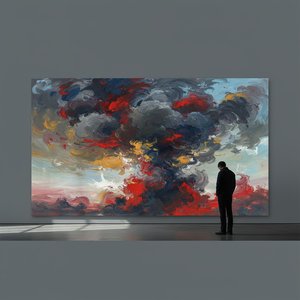
Beyond Representation: Exploring the Emotional Landscape of Abstract Expressionism
Explore the profound emotional world of Abstract Expressionism with OriginalUniqueArt. Discover key artists like Pollock & Rothko, learn about collecting, and find museum-quality reproductions to inspire your space.
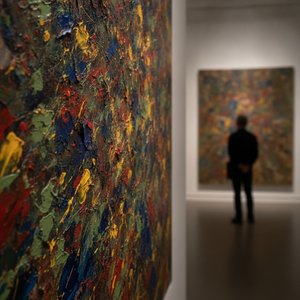
Beyond Form: A Definitive Guide to the Emotional Power of Abstract Expressionism
Explore the profound history and emotional depth of Abstract Expressionism. From Jackson Pollock to Mark Rothko, master the nuances of the New York School through our expert art history guide. Discover museum-quality hand-painted reproductions for your collection.
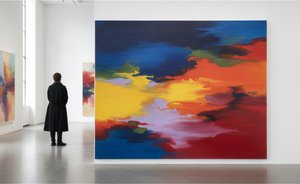
Beyond the Brushstroke: A Definitive Guide to the Emotional Power of Color Field Painting
Explore the profound history and emotional depth of Color Field painting. From Mark Rothko to Barnett Newman, discover how pure color redefined modern art through our expert-led guide for students and collectors alike.

შექსտროფული გამოხატვის აბსტრაქციზმის 10 შედევრი: ხელოვნება თქვენი სახლისთვის
აღმოფრთოვანდით აბსტრაქტული გამოხატვისმანიერიზმის 10 უმშვენიერეს შედევრთან! ვასელის, პოლ locks-ის და სხვა ცნობილი მხატვრების ისტორიები. შეიძინეთ მაღალი ხარისბის ხელოვნების რეპროდუქციები OriginalUniqueArt.com-ზე და შეცვალეთ თქვენი სახლი!
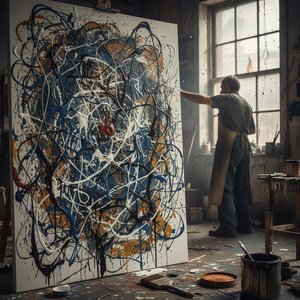
Paul Jackson Pollock: A Radical Departure – Exploring Abstract Expressionism's Pioneering Figure and His Enduring Legacy
Explore the revolutionary art of Jackson Pollock & Abstract Expressionism. Discover his iconic drip paintings, lasting impact, and considerations for collecting this pivotal American artist. Expert insights at OriginalUniqueArt.


