
 წინასწარი ნახვა
 გაგზავნა
 გაზიარება
 დეტალები
 გზამკვლევი

 ჩამოტვირთვა
 მსგავსები
 რენტგენოგრაფიული კვლევა
 სლაიდშოუ
 კითხვა-პასუხი
 სტატისტიკა
Joyous Frolics


 გააგრძელეთ კითხვა
გიკლე / ხელოვნების პრინტი
მუზეუმის დონის ჟიკლე ან ტილოზე ბეჭდვა სწრაფი წარმოებისა და დასრულების მოქნილი ვარიანტებით. ( შეიძინეთ ხელით შესრულებული ნახატი გადართვა ციფრულ გამოსახულებაზე)




P118B ₾10

P118H ₾10

P118W ₾10

P438Z ₾10

P508JH ₾12

P508YH ₾12

P805H ₾10

P805Z ₾10

P919BZ ₾10

P919G ₾10

P919XJ ₾10

P959ZH ₾10

P968JZ ₾12

W106C ₾8

W218G ₾10

W218JH ₾8

W218Y ₾10

W307PJ ₾10

W316G ₾10

W316PJ ₾8

W316Y ₾10

W398PJ ₾8

W4111J ₾10

W500HY ₾15

W500JH ₾15

W692G ₾12

W849H ₾8

W940BG ₾15

W953PJ ₾8




აირჩიეთ ჩვენს მიერ წინასწარ განსაზღვრული ზომებიდან, რომლებიც ნაწარმოების ორიგინალურ პროპორციებს შეესაბამება.

შეიყვანეთ თქვენთვის საჭირო სიგანე და სიმაღლე, რათა გამოსახულებამ თქვენს ჩარჩოს ან კედელს ზუსტად მოერგოს. ბეჭდვისას შესაძლებელია მხოლოდ მისი შემცირება და არა გაზრდა, ამიტომ სხვა ფორმის ზომის შემთხვევაში სურათი ნაწილობრივ იკარგება. სანამ რაიმეს დაბეჭდავთ, ჩვენ გამოგიგზავნით ციფრულ მაკეტს დასდასტურებლად. ამ გვერდზე ნაჩვენები სურათი არ ასახავს რეალურ ჭრას — ამას მხოლოდ მაკეტი გვიჩვენებს.
მიწოდება მთელ მსოფლიოში () 2 კვირაში, სტანდარტული 4/5 კვირის ნაცვლად. (7 ნოემბერი)

უფასო ექსპრეს მიწოდება მთელ მსოფლიოში

მაღალი ხარისხის ტილოს ქსოვილი

ტრანსპორტირების სრული დაზღვევა

საბაჟო გადასახადების დაბრუნების გარანტია

ფერების სრული შესაბამისობის გარანტია

დაბრუნების 100-დღიანი პოლიტიკა (მხოლოდ დეფექტის შემთხვევაში)

100% თანხის სრული დაბრუნების გარანტია

ფასდაკლება დიდი რაოდენობით შეკვეთისას
 მინის ჩარჩოს არჩევანი შესაძლებელია მხოლოდ 110 სმ-მდე ზომისთვის

Joyous Frolics
გიკლე / ხელოვნების პრინტი
რეპროდუქციის ზომა
-


საბოლოო ღირებულება
₾ 211
A Symphony of Summer: The Ethereal Charm of Joyous Frolics
In the soft, shimmering light of the late nineteenth century, Paul Émile Chabas captured a moment of pure, unadulterated bliss in his masterpiece, Joyous Frolics. Created in 1899, this painting serves as a breathtaking window into the Belle Époque, inviting the viewer to step away from the rigors of modern life and into a serene, aquatic sanctuary. The scene unfolds with a graceful fluidity, depicting a group of women immersed in the gentle embrace of a natural spring or lake. As they swim, stand, and play amidst lush, verdant greenery, there is an unmistakable sense of harmony between the human form and the natural world. It is not merely a depiction of leisure; it is a poetic celebration of vitality and the effortless beauty found in shared moments of tranquility.
The technical mastery of Chabas is on full display through his delicate application of paint, where soft, feathered brushstrokes merge to create a dreamlike atmosphere. Eschewing the harsh outlines of traditional academicism, he employs a muted and sophisticated color palette that emphasizes the play of light upon skin and water. This subtle infusion of Impressionistic technique allows the sunlight to dance across the surface of the ripples, lending a sense of depth and three-dimensional movement to the composition. The way the natural light filters through the surrounding foliage to illuminate the figures creates a luminous quality, making the entire scene feel as though it is breathing with a quiet, rhythmic pulse.
The Art of the Human Form and Natural Grace
As an artist celebrated for his ability to capture the nude figure within organic settings, Chabas utilizes Joyous Frolics to explore themes of innocence and naturalism. The figures are not posed with theatricality; instead, they exist in a state of relaxed, unselfconscious grace. This lack of artifice is what makes the painting so emotionally resonant for the contemporary observer. There is a profound sense of peace derived from seeing the human body integrated so seamlessly into the landscape. The presence of a small boat drifting near the shore adds a touch of nostalgic charm, suggesting a world where time slows down, and the only priority is the enjoyment of the present moment.
For the discerning collector or interior designer, this artwork offers more than just aesthetic beauty; it provides an emotional anchor for a space. The painting’s ability to evoke calmness and nostalgia makes it an ideal centerpiece for rooms designed for relaxation, such as a master suite, a sunlit library, or an elegant lounge. A high-quality reproduction of Joyous Frolics brings with it the prestige of the Musée Des Beaux collection, allowing the timeless elegance of French academic art to transform a modern interior into a sanctuary of classical sophistication. It is a piece that does not merely decorate a wall but breathes life and a sense of historical grandeur into the very heart of a home.
კითხვები და პასუხები
როგორ შემიძლია Paul Émile Chabas-ის „Joyous Frolics“-ის ნახვა სლაიდშოუს სახით?
Paul Émile Chabas-ის „Joyous Frolics“-ის ნახვა შესაძლებელია სლაიდშოუ ფორმატში, ნამუშევრის სლაიდშოუ გვერდზე.
შესაძლებელია თუ არა Paul Émile Chabas-ის „Joyous Frolics“-ის ნახვა ჩემს საკუთარ კედელზე ყიდვამდე?
თავსებად მოწყობილობაზე თავსდამხვევი რეალობის გამოყენებით, შეგიძლიათ ნახოთ Paul Émile Chabas-ის „Joyous Frolics“ თქვენს საკუთარ კედელზე, ნამუშევრის AR წინასწარი ნახვა გვერდის მეშვეობით.
როგორ ეხმიანება „Joyous Frolics“ Paul Émile Chabas-ის თემებსა და სტილს?
Paul Émile Chabas-ის შემოქმედებაში „Joyous Frolics“ Academic Impressionism სტილშია შესრულებული და academic style influences, impressionist brushwork, belle époque leisure, natural beauty themes, mastery of human form, signature nude subject matter თემებს ეფუძნება.
მხატვრის ბიოგრაფია
Henri Matisse: A Revolutionary of Color
Henri Matisse, born December 31st, 1869, in Le Cateau, France, wasn’t initially destined for a life immersed in art. His early years were marked by a pragmatic upbringing within a grain-producing family, and he pursued legal studies before discovering his true calling amidst the vibrant artistic currents of Paris. This unexpected shift—from law to brushstrokes—would irrevocably alter the course of 20th-century art, establishing Matisse as one of its most influential figures alongside Pablo Picasso. His legacy isn’t simply defined by a collection of beautiful paintings; it resides in his radical exploration of color and form, pushing boundaries and inspiring generations of artists.
Early Influences and Artistic Beginnings
Matisse's artistic journey began with a cautious foray into drawing classes during the late 1880s. Initially, he sought acceptance within the established academic framework of the École des Beaux-Arts in Paris, studying under Gustave Moreau, a Symbolist painter known for his opulent and often unsettling imagery. However, Matisse quickly found himself dissatisfied with the rigid conventions of this traditional approach. He experimented with various styles – Neoclassicism, Impressionism, and even Neo-Impressionism – absorbing influences from masters like Manet and Cézanne while simultaneously seeking a more personal expression. This period was characterized by a deliberate attempt to master technique, but it also revealed a growing desire to break free from the constraints of traditional representation.
The Fauvist Revolution: A Bold Embrace of Color
Around 1900, Matisse’s artistic trajectory took a dramatic turn. Inspired by Paul Gauguin and Vincent van Gogh, he began to prioritize color above all else, rejecting the muted tones and realistic depictions favored by his contemporaries. This marked the birth of Fauvism – “wild beast” in French – a movement characterized by intense, non-naturalistic colors applied with broad, arbitrary brushstrokes. Works like *Woman with a Hat* (1905) and *The Red Studio* (1911) exemplify this revolutionary approach, showcasing vibrant reds, blues, yellows, and greens used not to represent reality but to evoke emotion and create visual impact. The Salon des Indépendants in Paris provided a crucial platform for these daring works, attracting both critical acclaim and considerable controversy.
Matisse’s Evolution: From Boldness to Restraint
Following the initial fervor of Fauvism, Matisse continued to experiment with color and form. He spent time in Collioure, France, collaborating with André Derain, further refining his expressive palette and exploring new compositional techniques. In 1917, he relocated to Nice, on the French Riviera, where a shift occurred – a move towards greater simplification and a more classical sensibility. This period saw him embracing flatter forms, decorative patterns, and a sense of balance reminiscent of Renaissance masters. Despite this apparent return to tradition, Matisse never abandoned his core principles; instead, he integrated them into a uniquely personal style.
Late Works and Legacy: Cutouts and Beyond
As age progressed, Matisse’s artistic practice underwent another transformation. Following a debilitating illness in 1942, he largely ceased painting, turning his attention to the medium of paper cutouts. These intricate compositions, created by cutting shapes from colored paper and arranging them on canvases, represent a remarkable testament to his enduring creativity and visual acuity. The *Tahitian Faggots* (1937) series, produced during his final years in Corsica, are particularly poignant examples of this late-period work. Henri Matisse died November 3rd, 1954, leaving behind an unparalleled body of work that continues to captivate and inspire audiences worldwide. His influence extends far beyond the realm of painting, shaping modern design, graphic arts, and our very perception of color itself. He remains a pivotal figure in the history of art, a revolutionary who dared to prioritize feeling over representation and forever changed the way we see the world.

Paul Émile Chabas
1869 - 1937
მოკლე ინფორმაცია
- Full Name: Henri-Émile-Benoît Matisse
- Nationality: French
- Date Of Birth: 1869
- Date Of Death: 1937
- Place Of Birth: Le Cateau, Picardy, France
- Notable Artworks:
- The Red Studio
- Dance (Matisse)
- Artistic Movement Or Style:
- Fauvism
- Modernism
- Artists Who Influenced This Artist:
- William-Adolphe Bouguereau
- Paul Cézanne
- Artists Or Movements Influenced By This Artist: ['Pablo Picasso']
დაკავშირებული სტატიები
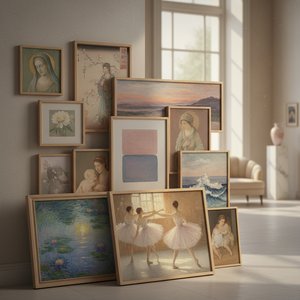
Soft Hues & Masterpieces: 10 Artworks That Define Delicate Color |
Explore 10 iconic artworks celebrated for their soft color intensity! From Monet's Impressionism to Renoir & Sargent, discover the stories behind these masterpieces. Find museum-quality art reproductions and curated decor ideas at .

პიერ-ოგუსტ რენუარის 25 შედევრი: ხელოვნების ისტორია თქვენს სახლში | OriginalUniqueArt
გაიცანით პიერ რენუარის 25 საუკეთესო შედევრი! იმპრესიონიზმის სინათლე, ფერი და სილამარე. Le Moulin de la Galette-დან Luncheon of the Boating Party-მდე – ხელოვნების ისტორია OriginalUniqueArt-ზე. ნახატების რეპროდუქციები თქვენი სახლისთვის. Explore the full collection online!

კლოდ მონეს 25 შედევრი: შთაბეჭდილების ისტორია თქვენს სახლში | OriginalUniqueArt
გაიცანით კლოდ მონეს 25 შედევრი! იმპრესიონიზმის ისტორია, წყლის ლილიებიდან გარეუბნის ხედებამდე. OriginalUniqueArt-ში ნახატების უმაღლესი ხარისხის რეპროდუქციები და ინტერიერის დიზაინის იდეები. აღმოაჩინეთ ხელოვნების სილამაზე ონლაინ!

The Subdued Palette: Exploring Emotional Resonance & Aesthetic Impact in Muted Artworks
Explore the power of muted colors in art! Discover the history, psychology & techniques behind serene palettes. Find inspiration & expert advice for creating emotionally resonant spaces with OriginalUniqueArt.
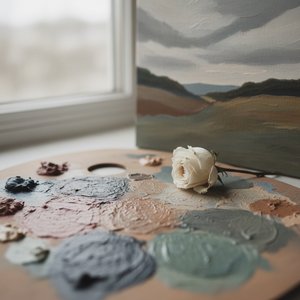
The Subdued Resonance: Exploring Emotional Depth & Artistic Nuance within Muted Color Palettes
Explore the captivating world of muted colors in art & design! Discover historical context, psychological effects, techniques, and inspiration for creating serene spaces. Elevate your aesthetic with OriginalUniqueArt.