ნახვა ინტერьерში
 გაგზავნა
 გაზიარება
 დეტალები
 გზამკვლევი

 ჩამოტვირთვა
 მსგავსები
 რენტგენოგრაფიული კვლევა
 სლაიდშოუ
 სტატისტიკა
Still life with three skulls


 სრული ტექსტის ნახვა
ხელით შესრულებული ზეთის საღებავით რეპროდუქცია
ტილოზე შესრულებული ფერწერიანი ზეთប្រდათი, თქვენთვის სასურველი ზომისა და ჩარჩოსთვის, ჩვენი ხელოვანების მიერ შეკვეთის საფუძველზე დამზადებული. ( გადართვა ბეჭდვის რეჟიმზე გადასვლა ციფრულ გამოსახულებაზე)




P118B ₾10

P118H ₾10

P118W ₾10

P438Z ₾10

P508JH ₾12

P508YH ₾12

P805H ₾10

P805Z ₾10

P919BZ ₾10

P919G ₾10

P919XJ ₾10

P959ZH ₾10

P968JZ ₾12

W106C ₾8

W218G ₾10

W218JH ₾8

W218Y ₾10

W307PJ ₾10

W316G ₾10

W316PJ ₾8

W316Y ₾10

W398PJ ₾8

W4111J ₾10

W500HY ₾15

W500JH ₾15

W692G ₾12

W849H ₾8

W940BG ₾15

W953PJ ₾8




აირჩიეთ ჩვენს მიერ წინასწარ განსაზღვრული ზომებიდან, რომლებიც ნაწარმოების ორიგინალურ პროპორციებს შეესაბამება.

შეიყვანეთ თქვენთვის საჭირო სიგანე და სიმაღლე, რათა ნახატი მოერგოს თქვენს ჩარჩოს ან კედელს. ვინაიდან ეს ნამუშევარი ხელით არის შესრულებული, სხვა ფორმის ზომის შემთხვევაში, მხატვარმა შესაძლოა სურათის გარშემო ოდნავ მეტი დატოვოს ან შეამციროს — არჩევანი თქვენზეა. დაწყებამდე, დასამტკიცებლად, ჩვენ გამოგიგზავნით ციფრულ მაკეტს. ამ გვერდზე ნაჩვენები სურათი არ ასახავს რეალურ შედეგს — რეალური სახე მხოლოდ მაკეტზე ჩანს.
შეკვეთის შემდეგ, OriginalUniqueArt.com გუნდი დაგიკავშირდებათ ელექტრონული ფოსტით ინსტრუქციებისთვის და გამოგიგზავნით წინასწარ ნახაზს (mockup).
მიწოდება მსოფლიო მასშტაბით -ში 3/4 კვირაში, სტანდარტული 5 კვირის ნაცვლად. (26 ოქტომბერი). ხარისხზე კომპრომისის გაკეთება არ მოხდება.

უფასო ექსპრეს მიწოდება მთელ მსოფლიოში

მაღალი ხარისხის ტილო

ტრანსპორტირების სრული დაზღვევა

საბაჟო გადასახადების დაბრუნების გარანტია

ფერების სრული შესაბამისობის გარანტია

დაბრუნების 100-დღიანი პერიოდი (მხოლოდ წარმოების დეფექტის შემთხვევაში)

100% თანხის სრული დაბრუნების გარანტია

ფასდაკლება დიდი რაოდენობით შეკვეთისას
 მინის ჩარჩოს არჩევანი ხელმისაწვდომია მხოლოდ 110 სმ-მდე ზომისთვის

Still life with three skulls
რეპროდუქციის ტექნიკა
რეპროდუქციის ზომა
-


ჯამური ღირებულება
₾ 781
Still Life with Three Skulls: A Meditation on Mortality by Paul Cézanne
Paul Cézanne’s “Still Life with Three Skulls,” painted around 1903, is far more than a simple arrangement of bone; it's a profound and unsettling meditation on mortality, the passage of time, and the very essence of being. This work, housed within the Art Institute of Chicago, stands as a pivotal moment in Cézanne’s artistic evolution – a bridge between the vibrant hues of Impressionism and the nascent geometric explorations that would define Cubism. The painting immediately confronts the viewer with its stark simplicity: three skulls, arranged in a deliberate pyramid formation, rest upon a draped couch beneath a muted, almost somber sky. Yet, within this apparent stillness lies a complex web of symbolism and artistic innovation. The choice of skulls as subject matter is deeply rooted in the late 19th century’s fascination with death and decay – a theme prevalent in still life painting since the Middle Ages. However, Cézanne transcends mere representation; he imbues these objects with an almost sculptural quality. The artist's use of watercolour, a medium often associated with delicacy, here creates a startling contrast against the macabre subject matter. The translucent washes and loose brushstrokes lend a sense of fragility to the skulls, as if they might dissolve into nothingness at any moment. This deliberate juxtaposition of materials – the smooth, cool surface of the paper versus the rough texture of bone – heightens the painting’s emotional impact. Notably, Cézanne's exploration of this theme aligns with his personal reflections on mortality, documented in his letters during his final years, where he frequently expressed a preoccupation with death and the ephemeral nature of life. Cézanne’s revolutionary approach to composition is immediately apparent. He abandons traditional perspective, flattening space and prioritizing the underlying structure of objects. The skulls are not depicted as realistically as one might expect; instead, they are rendered as simplified geometric forms – pyramids, planes, and cylinders – echoing Cézanne's earlier studies of Mont Sainte-Victoire. This technique, a cornerstone of his artistic vision, anticipates the Cubist movement that would emerge decades later. The strategic placement of the two chairs in the background further reinforces this sense of spatial ambiguity, drawing the viewer’s eye into the heart of the composition and emphasizing the skulls' central role. The muted color palette – primarily browns, grays, and pale yellows – contributes to the painting’s somber mood, creating a visual atmosphere that is both haunting and contemplative. Beyond its formal innovations, “Still Life with Three Skulls” carries a potent symbolic weight. The skull, traditionally associated with death and remembrance, serves as a reminder of our own mortality. Cézanne's deliberate arrangement in a pyramid – a shape often linked to stability and eternity – suggests an attempt to grapple with the paradox of life and death. The painting can be interpreted as a meditation on the cyclical nature of existence, where decay and renewal are inextricably intertwined. Furthermore, the work’s historical context is crucial: Cézanne was part of a Post-Impressionist movement that reacted against Impressionism's focus on capturing fleeting moments of light and color. He sought to create works with a more enduring quality, rooted in underlying structure and form. His initial reception was mixed, met with incomprehension and ridicule, but his work gradually gained recognition through the support of fellow artists like Camille Pissarro and Ambroise Vollard.- Key Techniques: Watercolour on paper; Loose brushstrokes; Flattened perspective; Geometric simplification.
- Symbolism: Mortality, decay, the passage of time, cyclical existence.
- Historical Context: Post-Impressionism; Reaction against Impressionism’s focus on light and color; Influence on Cubism.
Paul Cézanne: A Biographical Sketch
Born in Aix-en-Provence, France, in 1839, Paul Cézanne’s artistic journey was anything but conventional. Initially destined for a career in law, he abandoned his family's expectations and pursued his passion for painting with unwavering determination. His father, a successful banker, provided the financial stability that allowed him to dedicate himself fully to art – a rare privilege at the time. Cézanne’s early influences included Romanticism and the Barbizon school of landscape painting, which instilled in him a deep appreciation for nature and its forms. However, he quickly developed his own distinctive style, characterized by an emphasis on structure, color, and form. Cézanne's artistic development was shaped by encounters with other artists, including Vincent van Gogh and Paul Gauguin, whose explorations of color and form profoundly influenced his work. He spent several years studying at the Académie Suisse in Paris but largely developed his style independently, experimenting with various techniques and approaches. His dedication to observation and analysis is evident in his meticulous studies of objects – fruits, landscapes, and still lifes – which he used as a foundation for his paintings. Cézanne’s later life was marked by increasing isolation and a preoccupation with mortality, themes that are powerfully expressed in works like “Still Life with Three Skulls.” Despite facing initial criticism and rejection, Cézanne's innovative spirit ultimately paved the way for modern art, leaving an indelible mark on the history of painting.- Birth Year: 1839
- Birth City: Aix-en-Provence
- Birth Country: France
- Key Influences: Romanticism, Barbizon School, Vincent van Gogh, Paul Gauguin.
კითხვები და პასუხები
სად იკავებს პოლ სეზან-ის „Still life with three skulls“ ადგილს ხელოვნების ისტორიაში?
პოლ სეზან-ის „Still life with three skulls“-ის ხელოვნების ისტორიული კლასიფიკაცია არის Post-Impressionism, მე-19 საუკუნე პერიოდში.
პოლ სეზან-ის შემოქმედებითი განვითარების რომელ ეტაპს წარმოადგენს „Still life with three skulls“?
"Still life with three skulls" ეკუთვნის პოლ სეზან-ის შემოქმედებითი კარიერის Late Period პერიოდს. ეს კლასიფიკაცია ნამუშევარს ხელოვანის შემოქმედებითი განვითარების ეტაპთან აკავშირებს.
არის თუ არა პოლ სეზან-ის შემოქმედებისგან „Still life with three skulls“ საჯარო საკუთრებაში და რატომ?
„Still life with three skulls“-ის საავტორო უფლებების სტატუსი - საჯარო საკუთრებაშია - მისი საავტორო უფლებები ამოწდა - გამომდინარეობს მხატვრის გარდაცვალებიდან, რომელიც მოხდა 1906-ში.
მხატვრის ბიოგრაფია
პოლ სეზანის რევოლუციური ხედვა: ജീവിതსა და ხელოვნებას
პოლ სეზანი, 1839 წელს ექს-ენ-პროვანსში დაბადებული, უდიდესი ფიგურაა, რომელიც აკავშირებს იმპრესიონიზმის მომენტოებს კუბიზმისა და ფორმების ფრაგმენტაციას. მისი გზა არ იყო სწრაფი აღიარებით; ეს იყო ნელი, მხატვრული გამოკვლევის პროცესი, რომელიც χαρακτηρίζεται თვითშფოთვითა და კრიტიკული უარყოფით, რაც საბოლოო ჯამში ხელოვნების თანამედროვე ისტორიას შეცვლითი მემკვიდრეობითი ქონება დაუტოვა. დაბადებული მდიდარ ოჯახში – მისი მამის თავდაპირველი პროფესია შლაპის დამზადებელი იყო, რომელიც მოგვიანებით ბანკირი გახდა – სეზანს უჩვეულო ფინანსური სტაბილურობა ჰქონდა მომავალ მხატვრებს შორის, რაც საშუალებას აძლევდა, მიეძღვნა თავის 열정에 კომერციული წარმატების დაუყოვნებლივი ზეწოლის გარეშე. თუმცა თავდაპირველად მამის амбиций تحت تاثیر قرار گرفته بود და იურიდიულ კარიერას სწავლობდა, მხატვრული გამოხატვის მოტივაცია ძალიან ძლიერი იყო და მან 결국 قانون studiyas დატოვა ζωγραφικής გასაგრძელებლად, გადაწყვეტილება, რომელიც მის ცხოვრებას განსაზღვრავდა. ადრეულმა გავლენებმა მოიცვა რომანტიზმი, რომელიც ახალგაზრდობაში იყო პოპულარული, და ბარიზონის სკოლის ლანდშაფტისადმი ერთგვანება, მაგრამ სწორედ პოლ გაგენი და ჟორჟ სეურატთან შეხვედრების შედეგად, მათი ინოვატორული მიდგომებით ფერებსა და ფორმებთან დაკავშირებით, სეზანი დაიწყო საკუთარი გამომისიერი გზის გაკეთება.სიბნელედან სტრუქტურამდე: სტილის ევოლუცია
სეზანის ადრეულმა ნამუშევრებმა ხშირად ასახა დრამატული, ემოციურად φορτισμένη თემები, რომლებიც χαρακτηρίζდნენ რომანტიკოსებს – σκούρα παλέτα და გამოხატვითი ბੁਰცულაცია აკავშირებდა მის ტილოებს. თუმცა, ეს პირვანდელი ფაზა მხოლოდ საფეხური იყო უფრო ანალიტიკური და გამანათლებლოვანი მიდგომისაკენ. იმპრესიონისტების მსგავსად, რომელიც უპირატესობას ანიჭებდა φωτός მომენტოების აღებას, სეზანი მისიაზე вышла, რომ გაეგო და წარმოედგინა საგნების საფუძველი. ის არ ცდილობდა მხოლოდ იმას, რაც ხედავდა, არამედ იმასაც, თუ როგორ აღიქვამდა რეალობას შემადგენელი ძირითად ფორმებს. ამან გამოიწვია ბუნებრივი ფორმების მათი გეომეტრიული ექვივალენტებად დაშლა – კონუსები, ცილინდრები, სფეროები – წინასწარ განსაზღვრა კუბისტური რევოლუციის δεκαετίες πριν από την υλοποίησή του. მისი ტექნიკა χαρακτηρίζება პატარა, επαναλαμβανόμενες ბურცულაციებით, რომლებიც ფრთხილად στρώνονται კომპლექსური ფერის და ტექსტურის ველების შესაქმნელად, რაც ადრე არნახული სიმტკიცე და სიღრმე ქმნის. ის ინტერესი არ ჰქონდა ილუზიურ სივრცესთან; უფრო ხშირად წარმოადგენდა საგნებს რამდენიმე перспекტივიდან ერთდროულად, რაც ეწვევა ტრადიციული перспективыის ტრადიციულ შეხედვებებს და აიძულებს მაყურელს აქტიურად ჩარეθεί მის კომპოზიციებში. ეს ਜਾਣबूझով დეფორმაცია არ იყო შემთხვევით, არამედ ფორმის უფრო πλήρης გაგების გადაცემის მცელობა, რომელიც აღწერს არა მხოლოდ დროს ერთ მომენტს, არამედ აღქმის სინთეზს.ლანდშაფტები, ნატურმორტი და ადამიანის ფორმა: ძირითადი ნაშრომები და პერიოდული თემები
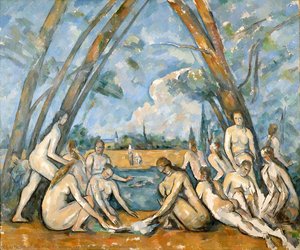
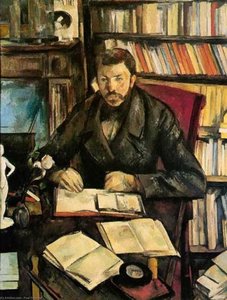
სეზანის ოქროსფერი მრავალფეროვანია, მოიცავს ლანდშაფტებს, ნატურმორტებს, портреты და батэрების պատკრებებს, მაგრამ ყველა მათგანი გაერთიანებულია ფორმის მიდგომით და ფერით. Jas de Bouffan-ის ტბა, რომელიც 1880 წელს იყო შესრულებული, წარმოადგენს მისი ლანდშაფტის ნაწილს, სადაც ის აჩვენებს ფორმებისა და ტონების ყურადღებითი განლაგების საშუალებით ბუნების არსს. ემილ ზოლას портрет, რომელიც 1866 წელს შეიქმნა, გამოავლენს მისი განვითარებული სტილისა და მისი ახლო მეგობარი და თანამედროველი მწერლის ინტელექტუალური ინტენსივობის შესახებაც. მისი ნატურმორტები, სადაც ხილი და სამზარეულო ინვენტარია მოიცული, არ არის მხოლოდ საგნების აღწერა, არამედ ოდის, φωτός და სივრცეობრივი ურთიერთქმედების შესწავლა. Mont Sainte-Victoire სერია გახდა obsesia სეზანისთვის, პერიოდული თემა, რომელიც საშუალებას აძლევდა ფორმებისა და перспективыის unrelenting გამოკვლევა δεκαετίες 동안. ეს ტილოები არ არის უბრალოდ მთასთან დაკავშირებული պատկერებები; ისინი სიღრმის, ოდისა და φωτός და σκιάς ურთიერთქმედების შესწავლის შესწავლაა. ბოლოს, მისი батэрების სერია, რომელიც აღწერს ადამიანის ფორმას იდილურ ლანდშაფტებში, წარმოადგენს ადამიანური ფორმისა და ბუნებას შორის კავშირის βαθაკი გამოკვლევას, ხშირად განთქმულია დროის გადინებით და წყნარ ధ్యానთან.ინოვაციით გაფორმებული მემკვიდრეობა: სეზანის გავლენა თანამედროვე ხელოვნებაზე
პოლ სეზანის გავლენა მომავალ თაობათა მხატვრებზე საუცხოოა. მას ფართოდ ეკუთვნება "თანამედროვე ხელოვნების მამა" მისი გამანათლებლოვანი წვლილისთვის პიქტორული ენის, რომელიც უწინასწარმეტყველებდა 20-ე საუკუნის ძირითად მხატვრულ მოძრაობებს. პაბლო פיקאסო და ჟორჟ ბრაკი βαθιά ვალდებული იყვნენ სეზანის გეომეტრიული ფორმების და მულტიპერსპექტივის აქცენტზე, რაც კუბიზმის ცენტრალური პრინციპები გახდა. მისი ფერის смелое გამოყენება ასევე მოუწოდა Fauvist მოძრაობას, რომელსაც ხელმძღვანელობდა ენრი მათისი, რომელიც მიიღო ζωηρά, μη φυσικά χρώματα. 심지어 сюрреалистыც იპოვნეს რეზონანსი სეზანის субъективური აღქმისა და ფსიქოლოგიური სიღრმის შესწავლისას. კონკრეტულ მოძრაობებთან შედარებით, სეზანის მხატვრის προσωπული ხედვისადმი და ტრადიციული აკადემიური შეზღუდვების უარყოფა განათხოვნა მხატვრების თაობები ახალი გამოხატვის ფორმების შესაქმნელად. მან გამოუცხადა წარმომადგენლობის განსაზღვრება, ყურადღება გადარიცხა რეალობის გამეორებასთან შედარ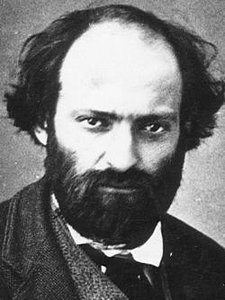
პოლ სეზან
1839 - 1906 , საფრანგეთი
მოკლე ფაქტები
- Artistic Movement Or Style: პოსტ-იმპრესიონიზმი
- Artists Or Movements Influenced By This Artist:
- კუბიზმი
- ფავიზმი
- სურრეალიზმი
- Artists Who Influenced This Artist:
- როμανტიზმი
- ბარბიზონის სკოლა
- პოლ გოგენი
- ჟორჟ სეურატი
- Date Of Birth: 1839 წლის 19 იანვარი
- Date Of Death: 1906 წლის 22 ოქტომბერი
- Full Name: პოლ სეზანი
- Nationality: ფრანგი
- Notable Artworks:
- ჟას დე ბუფანიშ ტბა
- ემილ ზოლას პორტრეტი
- მონტ სენტე-ვიკტორი
- თხილიანები
- Place Of Birth: აიks-ენ-პროვენსი, საფრანგეთი
მსგავსი სტატიები

Ephemeral Visions: Exploring the History & Emotional Resonance of Watercolor Painting
Explore the captivating history of watercolor painting, from ancient techniques to modern masters like Kandinsky & Blake. Discover essential artists, collecting tips & the emotional power of this luminous medium. Expert insights for art enthusiasts.

პოლ სეზანის 25 შედევრი: ხელოვნების ისტორიაში გამორჩეული ნაწარმოებები | OriginalUniqueArt.com
აღმოაჩინეთ პოლ სეზანის 25 გამორჩეული შედევრი! იმპრესიონიზმი, პოსტიმპრესიონიზმი და კუბიზმის წინასწარმეტყველი. ნახატების ისტორია, ტექნიკა და შთაგონება OriginalUniqueArt.com-ზე. 🖼️ ხელოვნების ბეჭვრა მუზეუმის ხარისხით.
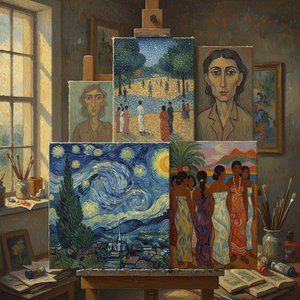
Beyond Impressionism: Exploring the Emotional Depth of Post-Impressionist Painting
Explore the profound emotional depth & innovative techniques of Post-Impressionism with OriginalUniqueArt. Discover Cézanne, Van Gogh, Gauguin & more – and their lasting impact on modern art.

Watercolor Wonders: 10 Masterpieces That Redefined Art History | OriginalUniqueArt
Journey through 10 legendary watercolor masterpieces by Sargent, Turner & Homer! Explore iconic landscapes, portraits & floral art that redefined history. Find museum-quality reproductions and curated decor ideas at OriginalUniqueArt.com.

Ephemeral Visions: Exploring the Artistic Legacy & Contemporary Practice of Watercolor Painting
Explore the captivating world of watercolor painting! Discover its rich history, essential techniques, influential artists & collecting tips. A comprehensive guide for art enthusiasts from OriginalUniqueArt.