წინასწარი ნახვა
 გაგზავნა
 გაზიარება
 დეტალები

 ჩამოტვირთვა
 მსგავსები
 რენტგენოგრაფიული კვლევა
 სლაიდშოუ
ponderedis autoportret (puskin)


 გადასართად დაწვრილებით ნახეთ
გიკლე / ხელოვნების პრინტი
მუზეუმის დონის ჟიკლე ან ტილოზე ბეჭდვა სწრაფი წარმოებისა და დასრულების მოქნილი ვარიანტებით. ( შეიძინეთ ხელით შესრულებული ნახატი შეიძინეთ გამოსახულება)




P118B $10

P118H $10

P118W $10

P438Z $10

P508JH $12

P508YH $12

P805H $10

P805Z $10

P919BZ $10

P919G $10

P919XJ $10

P959ZH $10

P968JZ $12

W106C $8

W218G $10

W218JH $8

W218Y $10

W307PJ $10

W316G $10

W316PJ $8

W316Y $10

W398PJ $8

W4111J $10

W500HY $15

W500JH $15

W692G $12

W849H $8

W940BG $15

W953PJ $8




აირჩიეთ ჩვენს მიერ წინასწარ განსაზღვრული ზომებიდან, რომლებიც ნაწარმოების ორიგინალურ პროპორციებს შეესაბამება.

თქვენ შეგიძლიათ მიუთითოთ საკუთარი ზომები კონკრეტული ჩარჩოსთვის ან სივრცისთვის მოსარგებლებლად. თუ თქვენ მიერ არჩეული ზომა არ შეესაბამება ორიგინალი გამოსახულების პროპორციებს, ჩვენ ან დავჭრით ნამუშევარს, ან გავაფართოვებთ გამოსახულებას სარკული ან ერთფეროვანი კიდეებით. წარმოების დაწყებამდე თქვენს დასამტკიცებლად გამოგეგზავნებათ ციფრული მაკეტი.
გთხოვთ, გაითვალისწინოთ, რომ ეკრანზე ნაჩვენები წინასწარი ნახვა არ ასახავს რეალურ ჭრას ან გაფართოებას. მხოლოდ მაკეტზე იქნება ზუსტად წარმოდგენილი საბოლოო კომპოზიცია.
მიუხედავად იმისა, რომ ინდივიდუალური ზომები ხელმისაწვდომია, ორიგინალური პროპორციების შესანარჩუნებლად გირჩევთ, აირჩიოთ ზომა წინასწარ განსაზღვრული სიისგან.
მიწოდება მთელ მსოფლიოში () 2 კვირაში, სტანდარტული 4/5 კვირის ნაცვლად. (22 აგვისტო)

უფასო ექსპრეს მიწოდება მთელ მსოფლიოში

საბამად მაღალი ხარისხის ტილო

სრული ტრანსპორტირების დაზღვევა

საბაჟო გადასახადების დაბრუნების გარანტია

ფერების სრული შესაბამისობის გარანტია

60-დღიანი დაბრუნების პოლიტიკა (მხოლოდ დეფექტის შემთხვევაში)

100% თანხის დაბრუნების გარანტია

ფასდაკლება დიდი რაოდენობით შეკვეთისას
 მინის ჩარჩოს არჩევანი ხელმისაწვდომია მხოლოდ 110 სმ-ზე ნაკლები ზომისთვის

ponderedis autoportret (puskin)
გიკლე / ხელოვნების პრინტი
რეკლამაციის ზომა
-


საბოლოო ფასი
$ 80
საკლექციო აღწერა
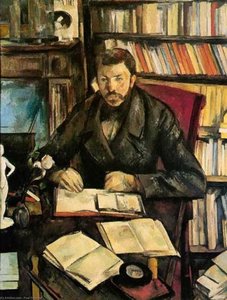
Paul Cézanne’s Self-Portrait (Puskin): A Window into Modern Consciousness
Paul Cézanne's Self-Portrait (Puskin), painted around 1876-1880, isn’t merely a likeness; it’s a profound meditation on the act of seeing itself. This intimate canvas, now residing within the Puschkin Museum in Moscow, offers a rare glimpse into the artist's evolving mind – a pivotal moment where Impressionism began to yield to the nascent explorations that would define his revolutionary Post-Impressionist style. More than just a portrait, it’s a carefully constructed visual puzzle, inviting us to contemplate Cézanne’s relationship with both himself and the world around him.
The painting immediately draws the eye with its deliberate simplicity. Cézanne presents himself in a relatively neutral pose, seated before a plain, almost austere, wall adorned with a subtle floral wallpaper. He wears a dark jacket, his hands resting lightly on his lap – gestures that suggest both contemplation and a quiet reserve. Yet, it’s not this straightforward depiction that holds the most significance. Instead, Cézanne employs a masterful manipulation of color and form to create an atmosphere of layered depth and emotional resonance. The palette is restrained, dominated by muted blues, ochres, and browns, but these aren't applied with the fleeting brushstrokes characteristic of Impressionism. Instead, Cézanne builds up his forms through numerous small, broken strokes – a technique he would later refine to an extraordinary degree. These individual marks coalesce into solid planes of color, creating a sense of volume and weight that feels remarkably sculptural.
Crucially, Cézanne’s use of color is anything but naturalistic. He deliberately distorts the hues, employing unnatural shades – particularly in the rendering of his face and hands – to heighten their expressive power. The cool blues and greens used for the skin create a sense of distance and introspection, while the warm browns suggest an inner intensity. This departure from traditional portraiture reflects Cézanne’s growing interest in exploring the underlying structure of objects rather than simply capturing their appearance. He's not interested in replicating reality; he’s striving to represent how we *perceive* it – a core tenet of his evolving artistic philosophy.
The background wallpaper, with its repeating geometric patterns, plays an equally vital role. Cézanne doesn’t treat it as a mere decorative element but rather as a structural framework for the composition. He meticulously integrates the pattern into the overall design, echoing shapes and lines within the portrait itself. This creates a fascinating interplay between the figure and his environment, suggesting that Cézanne sees himself as an integral part of the natural world – a theme that would become increasingly prominent in his later works. The subtle diagonal lines of the wallpaper, for instance, mirror the contours of his face, subtly unifying the two elements within the painting.
Beyond its formal innovations, Self-Portrait (Puskin) possesses a palpable emotional depth. Cézanne’s gaze is direct and unwavering, yet there's also an underlying sense of melancholy or perhaps even quiet resignation. It’s as if he’s inviting the viewer to share in his internal world – a world characterized by both intense observation and profound introspection. This painting represents a crucial turning point in Cézanne’s career, marking a decisive shift away from Impressionism towards a more personal and expressive style that would profoundly influence the course of modern art. It's a testament to the power of seeing, not just with the eyes, but with the entire being.
The Post-Impressionist Context
Cézanne’s Self-Portrait (Puskin) stands as a cornerstone of the Post-Impressionist movement. Emerging in the late 19th century, Post-Impressionism wasn't simply a rejection of Impressionism; it was an evolution—a response to its limitations and a bold exploration of new artistic possibilities. Influenced by artists like Vincent van Gogh, Paul Gauguin, and Georges Seurat, Post-Impressionists sought to move beyond the purely optical representation of reality, delving into subjective experience, emotional expression, and formal experimentation.
Unlike Impressionists who focused on capturing fleeting moments of light and color, Post-Impressionists were more concerned with conveying their own individual perceptions and emotions. Cézanne’s work exemplifies this shift through his deliberate manipulation of form, color, and perspective. He broke away from the traditional rules of linear perspective, flattening space and emphasizing the underlying structure of objects. This approach paved the way for Cubism, a revolutionary art movement that would further deconstruct reality into geometric forms.
Furthermore, Post-Impressionists explored a wider range of stylistic approaches than their Impressionist predecessors. The movement encompassed diverse styles, including Les Nabis (known for their muted palettes and symbolic imagery), Neo-Impressionism (which emphasized scientific color theory), Symbolism (which sought to express abstract ideas through evocative images), Cloisonnism (characterized by flat planes of color separated by dark outlines), the Pont-Aven School (focused on depicting rural landscapes with a stylized realism), and Synthetism (emphasizing the geometric construction of forms). Cézanne’s work, with its emphasis on structure and form, aligns particularly closely with the principles of Synthetism.
Influence and Legacy
Cézanne's radical approach to painting profoundly impacted the development of modern art. His exploration of color and form served as a crucial bridge between Impressionism and Cubism, inspiring generations of artists to challenge traditional conventions and explore new ways of representing reality. Pablo Picasso famously declared that Cézanne “destroyed all perspective,” recognizing the artist’s revolutionary influence on his own work.
Artists like Matisse and Braque built upon Cézanne's innovations, developing techniques for analyzing objects into their geometric components – a process directly influenced by Cézanne’s systematic approach to form. His emphasis on structure and volume also resonated with the early Cubists, who sought to represent multiple viewpoints simultaneously within a single image.
Beyond its direct influence on Cubism, Cézanne's work continues to inspire artists today. His exploration of color, form, and perspective remains relevant, demonstrating the enduring power of his artistic vision. Reproductions of Self-Portrait (Puskin) are frequently used in art education as a case study for understanding the transition from Impressionism to modernism – a testament to its lasting significance.
Availability for Purchase
OriginalUniqueArt offers meticulously crafted, hand-painted oil reproduction reproductions of Paul Cézanne’s Self-Portrait (Puskin). Each artwork is created by skilled artists who painstakingly recreate the original's nuances – from the subtle shifts in color to the textured brushstrokes – ensuring a faithful and captivating representation. Whether you are an art collector, interior designer, or simply someone seeking to bring a touch of artistic brilliance into your home, our reproductions provide an exceptional opportunity to experience the beauty and significance of this iconic masterpiece.
Explore the available sizes and options on our website: OriginalUniqueArt. Bring the contemplative spirit of Cézanne’s Self-Portrait (Puskin) into your space and connect with a pivotal moment in art history.
მხატვრის ბიოგრაფია
პოლ სეზანის რევოლუციური ხედვა: ജീവിതსა და ხელოვნებას
პოლ სეზანი, 1839 წელს ექს-ენ-პროვანსში დაბადებული, უდიდესი ფიგურაა, რომელიც აკავშირებს იმპრესიონიზმის მომენტოებს კუბიზმისა და ფორმების ფრაგმენტაციას. მისი გზა არ იყო სწრაფი აღიარებით; ეს იყო ნელი, მხატვრული გამოკვლევის პროცესი, რომელიც χαρακτηρίζεται თვითშფოთვითა და კრიტიკული უარყოფით, რაც საბოლოო ჯამში ხელოვნების თანამედროვე ისტორიას შეცვლითი მემკვიდრეობითი ქონება დაუტოვა. დაბადებული მდიდარ ოჯახში – მისი მამის თავდაპირველი პროფესია შლაპის დამზადებელი იყო, რომელიც მოგვიანებით ბანკირი გახდა – სეზანს უჩვეულო ფინანსური სტაბილურობა ჰქონდა მომავალ მხატვრებს შორის, რაც საშუალებას აძლევდა, მიეძღვნა თავის 열정에 კომერციული წარმატების დაუყოვნებლივი ზეწოლის გარეშე. თუმცა თავდაპირველად მამის амбиций تحت تاثیر قرار گرفته بود და იურიდიულ კარიერას სწავლობდა, მხატვრული გამოხატვის მოტივაცია ძალიან ძლიერი იყო და მან 결국 قانون studiyas დატოვა ζωγραφικής გასაგრძელებლად, გადაწყვეტილება, რომელიც მის ცხოვრებას განსაზღვრავდა. ადრეულმა გავლენებმა მოიცვა რომანტიზმი, რომელიც ახალგაზრდობაში იყო პოპულარული, და ბარიზონის სკოლის ლანდშაფტისადმი ერთგვანება, მაგრამ სწორედ პოლ გაგენი და ჟორჟ სეურატთან შეხვედრების შედეგად, მათი ინოვატორული მიდგომებით ფერებსა და ფორმებთან დაკავშირებით, სეზანი დაიწყო საკუთარი გამომისიერი გზის გაკეთება.სიბნელედან სტრუქტურამდე: სტილის ევოლუცია
სეზანის ადრეულმა ნამუშევრებმა ხშირად ასახა დრამატული, ემოციურად φορτισμένη თემები, რომლებიც χαρακτηρίζდნენ რომანტიკოსებს – σκούρα παλέτα და გამოხატვითი ბੁਰცულაცია აკავშირებდა მის ტილოებს. თუმცა, ეს პირვანდელი ფაზა მხოლოდ საფეხური იყო უფრო ანალიტიკური და გამანათლებლოვანი მიდგომისაკენ. იმპრესიონისტების მსგავსად, რომელიც უპირატესობას ანიჭებდა φωτός მომენტოების აღებას, სეზანი მისიაზე вышла, რომ გაეგო და წარმოედგინა საგნების საფუძველი. ის არ ცდილობდა მხოლოდ იმას, რაც ხედავდა, არამედ იმასაც, თუ როგორ აღიქვამდა რეალობას შემადგენელი ძირითად ფორმებს. ამან გამოიწვია ბუნებრივი ფორმების მათი გეომეტრიული ექვივალენტებად დაშლა – კონუსები, ცილინდრები, სფეროები – წინასწარ განსაზღვრა კუბისტური რევოლუციის δεκαετίες πριν από την υλοποίησή του. მისი ტექნიკა χαρακτηρίζება პატარა, επαναλαμβανόμενες ბურცულაციებით, რომლებიც ფრთხილად στρώνονται კომპლექსური ფერის და ტექსტურის ველების შესაქმნელად, რაც ადრე არნახული სიმტკიცე და სიღრმე ქმნის. ის ინტერესი არ ჰქონდა ილუზიურ სივრცესთან; უფრო ხშირად წარმოადგენდა საგნებს რამდენიმე перспекტივიდან ერთდროულად, რაც ეწვევა ტრადიციული перспективыის ტრადიციულ შეხედვებებს და აიძულებს მაყურელს აქტიურად ჩარეθεί მის კომპოზიციებში. ეს ਜਾਣबूझով დეფორმაცია არ იყო შემთხვევით, არამედ ფორმის უფრო πλήρης გაგების გადაცემის მცელობა, რომელიც აღწერს არა მხოლოდ დროს ერთ მომენტს, არამედ აღქმის სინთეზს.ლანდშაფტები, ნატურმორტი და ადამიანის ფორმა: ძირითადი ნაშრომები და პერიოდული თემები
სეზანის ოქროსფერი მრავალფეროვანია, მოიცავს ლანდშაფტებს, ნატურმორტებს, портреты და батэрების պատკრებებს, მაგრამ ყველა მათგანი გაერთიანებულია ფორმის მიდგომით და ფერით. Jas de Bouffan-ის ტბა, რომელიც 1880 წელს იყო შესრულებული, წარმოადგენს მისი ლანდშაფტის ნაწილს, სადაც ის აჩვენებს ფორმებისა და ტონების ყურადღებითი განლაგების საშუალებით ბუნების არსს. ემილ ზოლას портрет, რომელიც 1866 წელს შეიქმნა, გამოავლენს მისი განვითარებული სტილისა და მისი ახლო მეგობარი და თანამედროველი მწერლის ინტელექტუალური ინტენსივობის შესახებაც. მისი ნატურმორტები, სადაც ხილი და სამზარეულო ინვენტარია მოიცული, არ არის მხოლოდ საგნების აღწერა, არამედ ოდის, φωτός და სივრცეობრივი ურთიერთქმედების შესწავლა. Mont Sainte-Victoire სერია გახდა obsesia სეზანისთვის, პერიოდული თემა, რომელიც საშუალებას აძლევდა ფორმებისა და перспективыის unrelenting გამოკვლევა δεκαετίες 동안. ეს ტილოები არ არის უბრალოდ მთასთან დაკავშირებული պատկერებები; ისინი სიღრმის, ოდისა და φωτός და σκιάς ურთიერთქმედების შესწავლის შესწავლაა. ბოლოს, მისი батэрების სერია, რომელიც აღწერს ადამიანის ფორმას იდილურ ლანდშაფტებში, წარმოადგენს ადამიანური ფორმისა და ბუნებას შორის კავშირის βαθაკი გამოკვლევას, ხშირად განთქმულია დროის გადინებით და წყნარ ధ్యానთან.ინოვაციით გაფორმებული მემკვიდრეობა: სეზანის გავლენა თანამედროვე ხელოვნებაზე
პოლ სეზანის გავლენა მომავალ თაობათა მხატვრებზე საუცხოოა. მას ფართოდ ეკუთვნება "თანამედროვე ხელოვნების მამა" მისი გამანათლებლოვანი წვლილისთვის პიქტორული ენის, რომელიც უწინასწარმეტყველებდა 20-ე საუკუნის ძირითად მხატვრულ მოძრაობებს. პაბლო פיקאסო და ჟორჟ ბრაკი βαθιά ვალდებული იყვნენ სეზანის გეომეტრიული ფორმების და მულტიპერსპექტივის აქცენტზე, რაც კუბიზმის ცენტრალური პრინციპები გახდა. მისი ფერის смелое გამოყენება ასევე მოუწოდა Fauvist მოძრაობას, რომელსაც ხელმძღვანელობდა ენრი მათისი, რომელიც მიიღო ζωηρά, μη φυσικά χρώματα. 심지어 сюрреалистыც იპოვნეს რეზონანსი სეზანის субъективური აღქმისა და ფსიქოლოგიური სიღრმის შესწავლისას. კონკრეტულ მოძრაობებთან შედარებით, სეზანის მხატვრის προσωπული ხედვისადმი და ტრადიციული აკადემიური შეზღუდვების უარყოფა განათხოვნა მხატვრების თაობები ახალი გამოხატვის ფორმების შესაქმნელად. მან გამოუცხადა წარმომადგენლობის განსაზღვრება, ყურადღება გადარიცხა რეალობის გამეორებასთან შედარ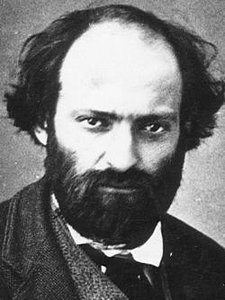
პოლ სეზან
1839 - 1906 , საფრანგეთი
მოკლე ინფორმაცია
- Artistic Movement Or Style: პოსტ-იმპრესიონიზმი
- Artists Or Movements Influenced By This Artist:
- კუბიზმი
- ფავიზმი
- სურრეალიზმი
- Artists Who Influenced This Artist:
- როμανტიზმი
- ბარბიზონის სკოლა
- პოლ გოგენი
- ჟორჟ სეურატი
- Date Of Birth: 1839 წლის 19 იანვარი
- Date Of Death: 1906 წლის 22 ოქტომბერი
- Full Name: პოლ სეზანი
- Nationality: ფრანგი
- Notable Artworks:
- ჟას დე ბუფანიშ ტბა
- ემილ ზოლას პორტრეტი
- მონტ სენტე-ვიკტორი
- თხილიანები
- Place Of Birth: აიks-ენ-პროვენსი, საფრანგეთი
დაკავშირებული სტატიები

პოლ სეზანის 25 შედევრი: ხელოვნების ისტორიაში გამორჩეული ნაწარმოებები | OriginalUniqueArt.com
აღმოაჩინეთ პოლ სეზანის 25 გამორჩეული შედევრი! იმპრესიონიზმი, პოსტიმპრესიონიზმი და კუბიზმის წინასწარმეტყველი. ნახატების ისტორია, ტექნიკა და შთაგონება OriginalUniqueArt.com-ზე. 🖼️ ხელოვნების ბეჭვრა მუზეუმის ხარისხით.
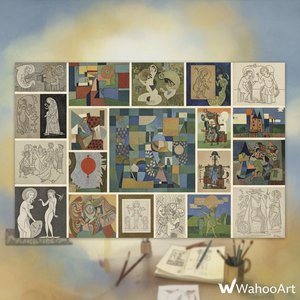
პოლ კლის 25 შედევრი: ფერების სიმფონია თქვენს სახლში | OriginalUniqueArt.com
აღმოაჩინეთ პოლ კლის 25 შედევრი – აბსტრაქტული ხელოვნების სიმფონია, ფერების ჰარმონია და გერმანელი მხატვრის უნიკალური სტილი. შეიძინეთ მუზეუმის ხარისხის რესპროდუქციები OriginalUniqueArt.com-ზე და შექმნით თქვენი სახლისთვის ექსკლუზიური დეკორი. Explore the full collection online!
Reflecting the Self: A History of Portraiture & Psychological Insight
Explore the fascinating history of self-portraiture from Renaissance masters like Dürer & Rembrandt to modern interpretations. Discover the psychological insights and artistic techniques behind these iconic works. Expert analysis for art enthusiasts.

The Echo of Self: Reflectivity as a Core Theme in Art History & Contemporary Practice
Explore the rich history of self-representation in art, from Renaissance masters to modern innovators. Discover how artists use portraiture to reveal identity, emotion & the depths of the human psyche. Expert insights for collectors.
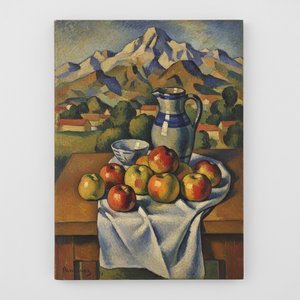
Mastering Form: A Definitive Guide to the Structural Genius of Paul Cézanne
Explore the structural genius of Paul Cézanne. Discover how his mastery of geometric form and color bridged Impressionism and Cubism in this definitive guide for art enthusiasts and collectors.