

 წინასწარი ნახვა
 გაგზავნა
 გაზიარება
 დეტალები

 ჩამოტვირთვა
 მსგავსები
 რენტგენოგრაფიული კვლევა
 სლაიდშოუ
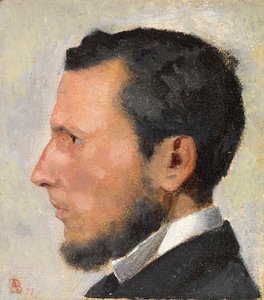
Morphine Addicts
 Acrylic On Canvas
- WallArt
- Impressionism
 1887
1887 24.0 x 37.0 cm
 Metropolitan Museum of Art
 გადასართად დაწვრილებით ნახეთ
შეიძინეთ მაღალი რეზოლუციის, გაუმჯობესებული ციფრული გამოსახულება, რომელიც ხარისხით ბევრად აღემატება ონლაინ წინასწარ ნახვას.
თითოეულ ფაილს ჩვენი შიდა სპეციალისტები საგულდაგულოდ ამზადებენ თანამედროვე ინსტრუმენტებისა და პროფესიონალური რეტუშირების გამოყენებით. ჩვენ უზრუნველყოფთ, რომ თითოეულ გამოსახულებას ჰქონდეს გამორჩეული სიცხადე, ფერების ზუსტი გადაცემა და დეტალიზაცია.
დასრულებული ფაილი ელექტრონული ფოსტით 72 საათში გიგზავნით; იგი ოპტიმიზებულია პროფესიონალური, რედაქციული და პოლიგრაფიული გამოყენებისთვის. ეს არის ისეთივე ხარისხი, რომელსაც წამყვანი დიზაინ-სტუდიები, გამომცემლობები და გალერეები ენდობიან.
ციფრული გამოსახულება
ჩამოტვირთეთ მაღალი გარჩევადობის ფაილი პირადი გამოყენებისთვის, დასაბეჭდად და შემოქმედებითი პროექტებისთვის. ( შეიძინეთ პრინტი შეიძინეთ ხელით შესრულებული ნახატი)
ყოველ ციფრულ გამოსახულების შეკვეთაში შედის
ექსპერტული ციფრული მიწოდება, გარანტირებული
როდესაც ირჩევთ OriginalUniqueArt.com-ს, თქვენ მხოლოდ სურათს კი არ იღებთ, არამედ იღებთ პროფესიონალურად დამუშავებულ ციფრულ ნამუშევარს, რომელიც შექმნილია უზადო სიზუსტით და დაცულია კმაყოფილების გარანტიით. თქვენს შეკვეთას ავტომატურად მოჰყვება შემდეგი:

სწრაფი მიწოდება ელექტრონული ფოსტით
თქვენს მაღალი რეზოლუციის ციფრულ გამოსახულებას ელექტრონული ფოსტით შეკვეთის დაწყებიდან 72 საათში მიიღებთ — ის მზად იქნება დაუყოვნებლივი გამოყენებისთვის.

AI-ით გაუმჯობესებული ციფრული ფაილი
თქვენი ხელოვნების ნიმუშები პროფესიონალურად არის ოპტიმიზებული მოწინავე AI ინსტრუმენტებისა და მექანიკური რედაქტირების მეშვეობით, რაც უზრუნველყოფს მაქსიმალურ დეტალიზაციას, სიცხადესა და ფერების სიზუსტეს.

ციფრული გამოსახულებების უფასო სამუდამო ხელახალი მიღება
ფაილი შემთხვევით წაიშალა ან დაკარგეთ? ნუបედავთ — ჩვენ მას ნებისმიერ დროს, უფასოდ ხელახლა გამოგეგზავნით.

იმპორტის გადასახადების გარეშე — ყოველთვის
ჭიდად ისიამოვნეთ თქვენი ნამუშევრით მყისიერად, საბაჟო გადასახადის, მოსაკრებლის ან მიწოდების ხარჯის გარეშე - ციფრული ჩამტვირთვისას ყოველთვის საგადასახადო თავისუფლებაა.

ფერების სიზუსტის გარანტია
პროფესიონალური ინსტრუმენტებისა და ფერების მართვის სისტემის გამოყენებით, ჩვენ უზრუნველყოფთ, რომ თქვენი ციფრული გამოსახულება მაქსიმალურად ზუსტად ასახავდეს ორიგინალურ ფერებს.

კმაყოფილების 100-დღიანი გარანტია
თუ თქვენ არ დაკმაყოფილებული ხართ თქვენი ციფრული გამოსახულებით, ჩვენ შევიტანთ მასში ცვლილებებს ან დაგიბრუნებთ 100% თანხას 100 დღის განმავლობაში - ყოველგვარი კითხვის დასმევის გარეშე.

100% თანხის დაბრუნების გარანტია
არ არის კმაყოფილი? მიიღეთ სრული თანხის დაბრუნება ციფრული ფაილის მიღებიდან 100 დღის განმავლობაში — ყოველგვარი დამატებითი კითხვების გარეშე.

ფასდაკლება დიდი რაოდენობით შეკვეთაზე
შეიძინეთ 3 გამოსახულება და მიიღეთ 10% ფასდაკლება - შეიძინეთ 5 და მიიღეთ 15% ფასდაკლება - შეიძინეთ 10+-ზე და მიიღეთ 20% ფასდაკლება. იდეალურია კრეატიული პროექტებისთვის, გალერეებისა და სააგენტოებისთვის.
Paul Albert Besnard - Morphine Addicts
Paul Albert Besnard (1849-1934) stands as a singular figure in French art of the late nineteenth and early twentieth centuries—a painter who stubbornly resisted categorization while simultaneously achieving remarkable success across diverse artistic mediums. Born in Paris, he possessed an innate talent nurtured by formal training at the École des Beaux-Arts under Jean Bremond and profoundly shaped by the pioneering spirit of Alexandre Cabanel, whose meticulous realism served as a cornerstone for Besnard’s initial artistic explorations. His academic grounding provided a disciplined foundation upon which he would later forge his own distinctive path, one characterized by an unwavering fascination with color and light—concepts championed by the Impressionists. Despite eschewing the overtly dramatic aesthetic favored by his contemporaries, Besnard skillfully adapted Impressionistic techniques to monumental decorative pro Besnard’s oeuvre is marked by a profound sensitivity to human emotion and psychological nuance, particularly evident in his portraits of women – figures rendered with exquisite detail and imbued with an aura of melancholy. “Morphine Addicts,” completed in 1887, exemplifies this artistic approach, presenting two women presented in a starkly lit laboratory setting—a juxtaposition that immediately invites contemplation on themes of illness, addiction, and the complexities of human experience. The artist’s masterful command of etching technique contributes significantly to the artwork's expressive power, capturing subtle tonal variations and textural nuances with remarkable precision. The composition itself is deliberately restrained, focusing intently on the faces and upper bodies of the subjects—a stylistic choice that underscores Besnard’s commitment to realism while simultaneously conveying a sense of intimacy. The figures are positioned slightly off-center, creating visual balance and drawing the viewer's gaze towards their expressive eyes. A table laden with scientific glassware serves as a grounding element, anchoring the scene within its clinical context and subtly hinting at the underlying narrative. Besnard’s meticulous hatching and crosshatching techniques—inherited from Cabanel’s influence—are employed to build up areas of shadow, enhancing depth and creating an atmosphere of quiet contemplation. Color plays a crucial role in conveying emotion, though Besnard eschews vibrant hues characteristic of Impressionism, opting instead for a monochrome palette dominated by shades of grey and white. This tonal scheme amplifies the artwork’s melancholic mood, emphasizing the vulnerability of the subjects and fostering a connection with the viewer on an emotional level. The artist skillfully utilizes light and shadow to sculpt the forms of the women's faces, highlighting their expressions and conveying subtle nuances of emotion—a testament to Besnard’s artistic prowess. Ultimately, “Morphine Addicts” transcends mere visual representation; it functions as a poignant meditation on human suffering and resilience. Besnard’s stylistic blend of academic realism with Impressionistic sensibilities captures the essence of his era—a period marked by intellectual curiosity and an exploration of psychological states. The artwork's enduring appeal lies in its ability to provoke reflection on themes of addiction, vulnerability, and the profound beauty found within moments of quiet introspection. It remains a compelling example of Besnard’s artistic vision and a testament to the power of art to communicate complex emotions with grace and subtlety.მხატვრის ბიოგრაფია
პოლ ალბერ ბესნარის მანათობელი მემკვიდრეობა
პოლ ალბერ ბესნარი (1849-1934) ფრანგული ხელოვნების ქსოვილში გამორჩეულ ფიგურად იდგა — მხატვარმა, რომელმაც მეცხრMotionEvent და მეოცე საუკუნის დასაწყისის ცვალებად ტალღებს უნიკალური, შეუცნობელი ელეგანტურობით გადაჰკვეთა. პარიზში დაბადებული მისი შემოქმედებითი გზა École des Beaux-Arts-ის მკაცრ ფარგლებში დაიწყო, სადაც ჟან ბრემონთან სწავლობდა. მისი ადრეული განვითარება ღრმად იყო ფორმირებული ალექსანდრე კანაბელის ზედმიწევნითი რეალიზმით, რამაც ბესნარს დისციპლინირებული აკადემიური საფუტი ჩაუყარა. თუმცა, ამ კლასიკური მომზადების მიღმა მოდერნისტის გული ფეთქავდა — ადამიანისა, რომელმაც საბოლოოდ სცდა ტრადიციის მკაცრ საზღვრებს, რათა ემოცემული სილამზე, სინათლისა და ატმოსფეროს წარმავალ ბრწყინვალებას შეეგუებინა.
კარიერის მომწიფებასთან ერთად, ბესნარმა დაიწყო ხიდის აგება აკადემიური ფერწერის სტრუქტურირებულ სამყაროსა და იმპრესიონიზმის ცოცხალ, სენსორულ კვლევებს შორის. მიუხედავად იმისა, რომ მან სრულიად არ უარყო ფორმა純 აბსტრაქციისთვის, იგი ფერების ოსტატად იქცა და იყენებდა პალიტრას, რომელიც ერთდროულად მანათობელი და ღრმად ემოციური იყო. მისი ნამუშევრები აღინიჭნება სინათლისა და ზედაპირების ურთიერთქმედების შეუპოვარი გატაცებით, იქნება ეს პორტრეტის ნაზი კანი თუ მისი უდიდესი შეკვეთების მასშტაბური არქიტექტურული სივრცეები. ამ უნარმა, შეერწყა მონუმენტური და ინტიმური, საშუალება მისცა მას გასეჭრას თავისი ეპოქის ეპიტეტებისთვის და შეექმნა სტილი, რომელიც ერთდროულად მარადიულიც და გასაკვირად თანამედროვეც ჟღერს.
მასშტაბისა და სულის ოსტატი
ბესნარის ჭეშმარიტი გენიურობა, შესაძლოა, ყველაზე თვალსაჩინო იყო მისი უნარით, თანამედროვე შეგრძნებები დიდ, დეკორატიულ მასშტაბზე გადაეტანა. იგი მხოლოდ სურათებს კი არ ხატავდა, არამედ სივრცეებს გარდაქმნიდა. მისი ამბიციური ფრესკები, რომლებიც საფრანგეთის ზოგიერთ ყველაზე პრესტიჟულ ინსტიტუციას აფორმებს, მისი ხედვის დასტურია, სადაც ხელოვნება საზოგადოებრივ, იმერსიულ გამოცდილებად აღქმულია. ეს ნამუშევრები გვხვდება ისეთ ადგილებში, როგორებიცაა:
- სორბონა, სადაც მისი ფუნჯის მონასმები აკადემიურ დიდებულებას სიცოცხლეს სძენს.
- ფარმაციის სკოლა, რომელიც წარმოაჩენს ხელოვნების ფუნქციურ არქიტექტურასთან ინტეგრირების მის შესაძლებლობას.
- Comédie Française-ის მეცნიერების დარბაზი, დეკორატიული თხრობის ტრიუმფი.
- რატუში (Hôtel de Ville), რომელიც ასახავს პარიზის სამოქალაქო სიამაყეს და ესთეტიკურ დახვეწილობას.
- ბერკის ჰოსპიტალის ტაძარი, სადაც მისმა ჯვრის stations-ებმა რელიგიური იკონოგრაფია თანამედროვე, ჰუმანისტური პრიზმით გადააკეთა.
ამ მასშტაბურ პროექტებში ბესნარი არ იყენებდა ზედმეტად დრამატულ ან თეატრალურ ესთეტიკას, რომელიც მის ბევრ თანამედროვესთვის ახასიათებდა. ნაცვლად ამისა, იგი იყენებდა უფრო ნატიფ, ატმოსფერულ მიდგომას, რაც სინათლეს საშუალებას აძლევდა, მაყურებლის თვალი წარუძღოდ და უზრუნველეყო, რომ ყველაზე მასიური კომპოზიციებიც კი შეინარჩუნებდნენ პოეტური ინტიმურობისა და სულიერი სიღრმის განცდას.
პორტრეტული ჟანრი და ფორმის ინტიმურობა
ფრესკების ფართო პერსპექტივების მიღმა, ბესნარი ბევრად უფრო პირადული ნამუშევრების მრავალფეროვანი შემოქმედი იყო. მას ჰქონდა არაჩვეულებრივი უნარი, დაეკონკრეტებინა თავისი სუბიექტების ფსიქოლოგიური არსი ზეთით, აკვარელით, პასტელითა და ეტჩინგით. მისი პორტრეტები ცნობილია არა მხოლოდ ტექნიკური სიზუსტით, არამედ მათი ღრმა ემოციური რეზონანსით. მადამ ჟორჟ როდენბახის გამოსახულებაში ვხვდებით სილამაზის თამამ eksplორაციას, რომელიც გამოწვევას უსვამს ტრადიციულ ნორმებს და წარმოაჩენს მის უნარს, ტექსტურა და ხასიათი თანაბარი მონდომებით გადმოგვცეს.
მისი მრავალფეროვნება, როგორც გრავირების ხელოვანისა და გრაფიკოსისა, საშუალებას აძლევდა მას, ბევრად უფრო ნატიფ მასშტაბზე ექსპერიმენტები ემო lakukan სინათლისა და ჩრდილის თამაშით. შეეძლო თუ არა ბელგიის მეფისა და დედოფლის სამეფო ღირსების ან ლანდშაფტის სიმშვიდის დაფიქსირება, ბესნარის შემოქმედება მაინც რჩება თომას გეინსბეროს მსგავსი გავლენით აღვსილი — გარკვეული ელეგანტურობითა და რიტმული დინებით, რომელიც ამაღლებს საკצועს. საბოლოო ჯამში, პოლ ალბერ ბესნარის მნიშვნელობა სწორედ ამ დუალიზებაში მდგომარეობს: იგი იყო ხელოვანი, რომელსაც შეეძლო საფრანგეთის უდიდესი დარბაზების მართვა და ამავდროულად სინათლის ყველაზე წარმავალი, ნაზი ჩურჩულის დაჭერა.
პოლ ალბერ ბესნარი
1849 - 1934 , საფრანგეთი
მოკლე ინფორმაცია
- Artistic Movement Or Style: იმპრესიონიზმი
- Artists Or Movements Influenced By This Artist: ['აკადემიური ფერწერა']
- Artists Who Influenced This Artist:
- ალექსანდრე კანბელი
- თომას გეინსბერგი
- Date Of Birth: პარიზი, საფრანგეთი (1849)
- Date Of Death: 1934
- Full Name: პოლ ალბერ ბესნარდი
- Nationality: ფრანგი
- Notable Artworks:
- ტიმოფანეს სიკვდილი
- მშვიდობა არბიტრაჟით
- ჟორჟ როდენბახის დედის პორტრეტი
- Place Of Birth: პარიზი