გადართვა ბეჭდვის რეჟიმზე
 სრული ტექსტის ნახვა







































 ნებისმიერი მხარისთვის 105 სმ-ზე (დაახლოებით 41 ინჩი) მეტი ზომის ხელოვნებული ნამუშევრების ან რეპროდუქციებისთვის, ჩარჩო მოგზავნდება დაშლილ კომპლექტში. ეს მეთოდი უზრუნველყოფს უსაფრთხო მიწოდებას და თავიდან აგაცილებთ ტრანსპორტირებისას შესაძლო დაზიანებას.


Les Demoiselles d'Avignon: A Revolutionary Exploration of Form
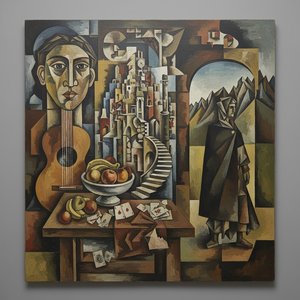
Pablo Picasso’s "Les Demoiselles d'Avignon," completed in 1907, stands as a pivotal work in the history of art, marking a radical departure from traditional representation and laying the groundwork for Cubism. This monumental painting depicts five nude female figures arranged against a shallow background, challenging conventional notions of perspective, anatomy, and beauty.
Style and Technique: Proto-Cubism and African Influences
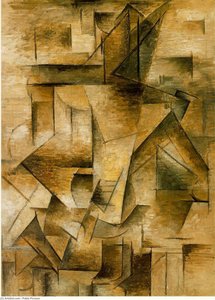
“Les Demoiselles d'Avignon” is considered a proto-Cubist masterpiece. Picasso abandoned the Renaissance ideal of realistic depiction, instead fracturing forms and presenting multiple viewpoints simultaneously. The figures are not rendered with smooth curves or idealized proportions; rather, they are composed of sharp angles, geometric shapes, and flattened planes. The faces of two figures on the right side of the canvas bear striking resemblances to African masks, reflecting Picasso’s fascination with non-Western art forms he encountered at the Musée d'Ethnographie du Trocadéro in Paris. This incorporation of African artistic principles—particularly their emphasis on stylized representation and symbolic meaning—was groundbreaking for its time and significantly influenced the development of modern art.
Historical Context: A Turning Point in Modern Art
The painting emerged during a period of intense experimentation and innovation in European art. Picasso was reacting against the prevailing academic traditions and seeking new ways to represent reality. Henri Matisse's Fauvist paintings, with their bold use of color, also influenced Picasso’s exploration of expressive form. "Les Demoiselles d'Avignon" was initially met with confusion and criticism by Picasso’s contemporaries, including Georges Braque and Fernande Olivier, who found it unsettling and incomprehensible. However, its impact on subsequent generations of artists is undeniable. It signaled a decisive break from the past and paved the way for Cubism and other avant-garde movements.
Symbolism and Emotional Impact: Challenging the Gaze
The title "Les Demoiselles d'Avignon" refers to the prostitutes who worked in a street of that name in Barcelona, suggesting a commentary on societal attitudes towards women. However, the painting’s significance extends beyond its subject matter. The figures confront the viewer with an unsettling directness, their gazes challenging traditional notions of the male gaze and female objectification. The fragmented forms and distorted perspectives create a sense of unease and disorientation, reflecting the anxieties and uncertainties of the modern era. While initially shocking, "Les Demoiselles d'Avignon" ultimately invites viewers to reconsider their perceptions of beauty, representation, and the human form.
კითხვები და პასუხები
რა განწყობას გამოხატავს პაბლო პიკასო-ის „Ulysses and sirens“ Surrealism-ის ფარგლებში?
Surrealism სტილის ფარგლებში, „Ulysses and sirens“ დაფიქსირებულია იდუმდენი ტონით.
რამდენად მკვეთრია ფერები ნამუშევარში პაბლო პიკასო-ის „Ulysses and sirens“?
სამ 작품ის „Ulysses and sirens“ ფერების ინტენსივობა არის ბალანსირებული. ინტენსივობა აღწერს, თუ რამდენად მკვეთრად ვლინდება ფერები.
რომელ მხატვრულ მიმდევრობას მიეკუთვნება პაბლო პიკასო-ის „Ulysses and sirens“?
პაბლო პიკასო-ის „Ulysses and sirens“-თან დაკავშირებული ხელოვნების მიმდინარეობა არის Surrealism. ეს კლასიფიკაცია ნამუშევარს მსგავს ხელოვანთა და ქსნეულობათა წრეში ათავსებს.
 ნახვა ინტერьерში
 გაგზავნა
 გაზიარება
 დეტალები
 გზამკვლევი

 ჩამოტვირთვა
 მსგავსები
 რენტგენოგრაფიული კვლევა
 სლაიდშოუ
 Q&A
Q&A სტატისტიკა