ნახვა ინტერьерში
 გაგზავნა
 გაზიარება
 დეტალები
 გზამკვლევი

 ჩამოტვირთვა
 მსგავსები
 რენტგენოგრაფიული კვლევა
 სლაიდშოუ
 სტატისტიკა
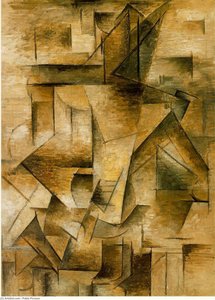
Portrait of Franèoise


 სრული ტექსტის ნახვა
გიკლე / ხელოვნების პრინტი
მუზეუმის დონის ჟიკლე ან ტილოზე ბეჭდვა სწრაფი წარმოებისა და დასრულების მოქნილი ვარიანტებით. ( შეიძინეთ ხელით შესრულებული ნახატი გადასვლა ციფრულ გამოსახულებაზე)




P118B $10

P118H $10

P118W $10

P438Z $10

P508JH $12

P508YH $12

P805H $10

P805Z $10

P919BZ $10

P919G $10

P919XJ $10

P959ZH $10

P968JZ $12

W106C $8

W218G $10

W218JH $8

W218Y $10

W307PJ $10

W316G $10

W316PJ $8

W316Y $10

W398PJ $8

W4111J $10

W500HY $15

W500JH $15

W692G $12

W849H $8

W940BG $15

W953PJ $8




აირჩიეთ ჩვენს მიერ წინასწარ განსაზღვრული ზომებიდან, რომლებიც ნაწარმოების ორიგინალურ პროპორციებს შეესაბამება.

თქვენ შეგიძლიათ მიუთითოთ საკუთარი ზომები კონკრეტული ჩარჩოსთვის ან სივრცისთვის მოსარგებლებლად. თუ თქვენ მიერ არჩეული ზომა არ შეესაბამება ორიგინალი გამოსახულების პროპორციებს, ჩვენ ან დავჭრით ნამუშევარს, ან გავაფართოვებთ გამოსახულებას სარკული ან ერთფეროვანი კიდეებით. წარმოების დაწყებამდე თქვენს დასამტკიცებლად გამოგეგზავნებათ ციფრული მაკეტი.
გთხოვთ, გაითვალისწინოთ, რომ ეკრანზე ნაჩვენები წინასწარი ნახვა არ ასახავს რეალურ ჭრას ან გაფართოებას. მხოლოდ მაკეტზე იქნება ზუსტად წარმოდგენილი საბოლოო კომპოზიცია.
მიუხედავად იმისა, რომ ინდივიდუალური ზომები ხელმისაწვდომია, ორიგინალური პროპორციების შესანარჩუნებლად გირჩევთ, აირჩიოთ ზომა წინასწარ განსაზღვრული სიისგან.
მიწოდება მთელ მსოფლიოში () 2 კვირაში, სტანდარტული 4/5 კვირის ნაცვლად. (25 სექტემბერი)

უფასო ექსპრეს მიწოდება მთელ მსოფლიოში

მაღალი ხარისხის ტილო

ტრანსპორტირების სრული დაზღვევა

საბაჟო გადასახადების დაბრუნების გარანტია

ფერების სრული შესაბამისობის გარანტია

დაბრუნების 100-დღიანი პერიოდი (მხოლოდ წარმოების დეფექტის შემთხვევაში)

100% თანხის სრული დაბრუნების გარანტია

ფასდაკლება დიდი რაოდენობით შეკვეთისას
 მინის ჩარჩოს არჩევანი ხელმისაწვდომია მხოლოდ 110 სმ-მდე ზომისთვის

Portrait of Franèoise
გიკლე / ხელოვნების პრინტი
რეპროდუქციის ზომა
-


ჯამური ღირებულება
$ 80
Pablo Picasso: Portrait of Françoise – A Study in Line and Emotion
Pablo Picasso’s *Portrait of Françoise*, completed in 1946, stands as a cornerstone of his post-war oeuvre—a testament to his ability to distill complex emotion into deceptively simple forms. Executed in graphite on paper, this drawing embodies Picasso's signature style: an unwavering focus on line and form that prioritizes expressive gesture over meticulous detail. It’s more than just a likeness; it’s a profound meditation on intimacy, vulnerability, and the artist’s relationship with his muse—Françoise Gilot.- Historical Context: The painting emerged from the crucible of World War II, amidst the anxieties and uncertainties that gripped Europe. Picasso was grappling with personal loss – the death of his fellow Surrealist André Breton – and navigating the turbulent landscape of his relationship with Gilot, who had left him shortly before. This backdrop informs the portrait’s melancholic mood and its subtle exploration of psychological depth.
- Composition & Technique: Picasso employs a masterful technique of hatching—a series of parallel lines that create tonal variations—to sculpt the contours of Françoise's face. The deliberate absence of shading contributes to the drawing’s starkness, emphasizing the expressive power of line itself. Notice how Picasso uses elongated strokes to convey movement and dynamism, capturing the subtle nuances of Gilot’s gaze and posture.
- Symbolism & Emotion: The portrait’s emotional impact derives from its masterful depiction of Françoise's inner life. Her downward gaze—a gesture frequently interpreted as contemplation or sadness—suggests a profound awareness of her surroundings and an introspective spirit. Picasso skillfully captures the delicate structure of her face, highlighting her large eyes and full lips – features that convey warmth and compassion.
- Picasso’s Influence: *Portrait of Françoise* exemplifies Picasso's commitment to exploring human psychology through abstraction. He rejects traditional representational conventions in favor of a stylistic approach rooted in Cubism—a movement he pioneered alongside Georges Braque—that dismantles perspective and challenges viewers to reconsider their perceptions of reality.
- Legacy & Significance: Today, *Portrait of Françoise* resides in the Musée national Picasso-Paris (Museum website), where it continues to inspire admiration and scholarly debate. It serves as a poignant reminder of Picasso’s enduring legacy—his ability to transform personal experience into universal symbols of emotion and artistic innovation.
- Early Exploration: From Barcelona to Madrid, Picasso relentlessly pursued experimentation—embracing diverse styles and mediums—including Realism, Surrealism, and Neoclassicism. This restless spirit fueled his prolific output and cemented his reputation as a visionary innovator.
- Cubist Breakthrough: Alongside Georges Braque, Picasso spearheaded the Cubist movement—a revolutionary paradigm shift that irrevocably altered the trajectory of modern art. Cubism challenged conventional notions of perspective and representation, advocating for fragmented forms and multiple viewpoints to convey a more holistic understanding of reality.
- Diverse Styles & Themes: Throughout his illustrious career, Picasso explored an astonishing array of subjects—from portraits and landscapes to still lifes and mythological narratives—each infused with his characteristic stylistic flair. His artistic endeavors consistently interrogated fundamental questions about human existence and the complexities of emotion.
- Line as Expression: Picasso’s technique hinges on the strategic deployment of hatching—a series of parallel lines meticulously crafted to generate tonal variations—creating an evocative textural surface that conveys profound emotional resonance.
- Geometric Precision: The drawing's contours are defined with geometric precision—reflecting Cubist ideals—emphasizing structural clarity and rejecting traditional perspectival conventions.
- Emotional Depth: Despite its apparent simplicity, *Portrait of Françoise* communicates an astonishing level of psychological depth—capturing the subtle nuances of Gilot’s gaze and posture with remarkable sensitivity.
მხატვრის ბიოგრაფია
პაოლო პიკასოს განუვალე მემკვიდრეობა
პაოლო რუიზ ი პიკასო, სახელწოდება რომელიც სინონიმად არის ქცეული მხატვრული რევოლუციისა, დაიბადა ესპანეთის მალაგაში, 1881 წლის 25 ოქტომბერს. როგორც ლეგენდა მოგვიყვებოდა, მისი პირველი სიტყვები იყო “piz, piz”, რაც სათითაო ძილის გამეორება იყო. ეს ადრეული ნათესავი კითხულობდა მის მამას, ხოსე რუიზ ი ბლასკოს, მხატვრსა და ხელოვნების მასწავლებელს, რომელმაც პაბლო უწოდა საფუძველიანი ტრენინგი. თუმცა, მოსწავლე მალევე აჯობა მასწავლებელს, გამოაჩნდა გამორჩეული ნიჭი ბუნებრივი აღქმის მიმართ, რაც მოგვიანებით მისი გენიოსის წინასწარი ნიშანი იყო. ოჯახის შემდგომი გადასვლები – ჯერ ა კორუñამდე, შემდეგ ბარსელონაში – დასრულდა პირადი ტრაგედით, განსაკუთრებით მისი და ლოლის დაკარგვით, გამოცდილებებმა რომელმაც ფარულად შეიტანა მისი შემდგომი ნამუშევრების თემებში მელანქოლია და სიკვდილი. ფორმალური სწავლის დროს ბარსელონის სამხატვრო აკადემიასა და მადრიდის სან ფერნანდოს სამეფო აკადემიის მოკლე პერიოდში, პიკასო ეწინააღმდეგებოდა მკაცრ აკადემიურ შეზღუდვებს, preferring instead to immerse himself in the works of masters like Velázquez and Goya, forging his own path toward artistic innovation.
მელანქოლიური ლურჯი პერიოდიდან ვარდოვანი ფერებისკენ
მეოცე საუკუნის დასაწყლში პიკასოს შემოქმედებაში გამოჩნდა ორი განსხვავებული პერიოდი: ლურჯი პერიოდი (დაახლოებით 1901-1904) და ვარდოვანი პერიოდი (1904-1906). ლურჯი პერიოდი, რომელიც დაიბადა პირადი ტრაგედიიდან და სოციალური ტანჯვისადმი მწვავე აღქმისგან, ხასიათდება ტილოებით, რომლებიც სავსეა ღიმღმინით ლურჯი და ლურჯ-녹색 ფერებით. ამ ნამუშევრებში გვხვდება გამდიდრებული ფიგურები – ბოროტები, ყოველთაგანი, პროსტიტუტები – რომლებიც აღქმულია თვალწრალა თანაგრძნობით, რაც საუბრობს იზოლაციისა და იმედგვრევის თემებზე. La Vie (1903) და The Old Guitarist (1903-1904) ამ გულმომტკინებულ ფაზას აღწერენ. პირადი ცხოვრების შეცვლა, რომელიც თან ახლდა პარიზში გადასვლით, გამოაცხადა ვარდოვანი პერიოდი. 팔레ტი მნიშვნელოვნად შეიცვალა, მოიცავდა ვარდისფერს, ნარინჯისფერ და წითელს, რაც ასახავს უფრო ოპტიმისტურ განწყობას. ეს პერიოდი ხასიათდება ცირკის შემსრულებლებისკენ ინტერესით – ჰარლეკინები, აკრობატები და საოჯახო ჯგუფები – ფიგურები რომლებიც წარმოადგენდნენ როგორც სუსტობას ასევე გამძლეობას. Family of Saltimbanques (1905) მშვენივრად ასახავს ამ გარდამოსვლისას, რაც მიანიშნებს მომავალში არსებულ სტილისტურ გამოკვლევებზე.
პერსპექტივის გატ碎ება: კუბიზმი და სხვა
1907 წელი იყო გადამწყვეტი მომენტი ხელოვნების ისტორიაში Les Demoiselles d'Avignon-ის შექმნით. იბერიული ქანდაკებისა და აფრიკის ნიღბების ზემოქმედებით, ეს გამორჩეული ტილო გატ碎ა ტრადიციული პერსპექტივის და აღქმის განწყობა. ეს იყო რადიკალური გადახვევა, საუკუნეობით დამკვირვებული კონვენციების მიზნით, რომელიც გზა გაიხსნა კუბიზმისთვის. გიორგ ბრაკთან მჭიდრო თანამშემས་ებლობით, პიკასომ თანაზინდოვადა ეს რევოლუციური მოძრაობა, რომელიც ძირითადად შეცვალა როგორ აღქმავს და წარმოადგენს ადამიანებს რეალობას. ანალიტიკური კუბიზმი (1909-1912) მოიცავდა ობიექტების ფრაგმენტაციას გეომეტრიულ ფორმებად, რომელიც აღწერილია დამონებულ ფერებში. ეს განვითარდა სინთეტიკურ კუბიზმში (1912-1919), რომელმაც დამატებულიყო კოლაჟის ელემენტები – გაზეთის გადარეშები, ქსოვილის ნატეხები – დაამატა ტექსტურა და ახალი ვიზუალური სიძრწოლის στρώσεις. პიკასოს არ უნდა უბრალოდ წარმოედგინა სამყარო; მან სცადა მისი დე-კონსტრუქცია და რეკონსტრუქცია საკუთარი პირობების მიხედვით.
უსაყვარლესი ექსპერიმენტატორი: ნეოკლასიციზმი, სურრეალიზმი და ომი
1920-იან წლებში პიკასო ხანმოკლეമായി გამოიკვლია ნეოკლასიციური სტილები, შექმნა მონუმენტალური ფიგურები, რომლებიც მოიცავდა კლასიკურ ფორმებს, ხოლო შენარჩუნებდა განსხვავებულ თანამედროვე გრძნობას. პარალელურად, მან ჩართო სწრაფად მზარდი სურრეალისტური მოძრაობაში, თუმცა არც თუ ისე მთლიანადaligned himself with its principles. მისი ნამუშევრები ამ პერიოდში შერწყმავდა ადრეულ სტილისტურ გავლენებს სურრეალისტურ იმიჯებთან და დეფორმირებულ პერსპექტივებთან, რაც აჩვენა მისი შეუდარებელი ექსპერიმენტებისადმი სწრაფვა. ესპანეთის občanská válka-ს ტრაგიკული შედეგები βαθιά επηρέασαν τον Πικάσο, που οδήγησε στη δημιουργία του Guernica (1937), μια ζωντανή και συναισθηματικά καταστροφική απάντηση στον βομβαρδισμό της Γουέρνικα. ეს მონუმენტალური ნამუშევარი გახდა ომის საშინელებების გამუდმებული სიმბოლო, რაც დაადასტურა პიკასოს როლი მხატვრად, მაგრამ ასევე ძლიერი ხმა მშვიდობისა და სოციალური δικαιοებისთვის. 1950-იან და 60-იან წლებში მან განაგრძო საზღვრების გადაკვრა, გამოიკვლია კერამიკა, ქანდაკება და გრავირება შეუდარებელი სიყურადღებით და უნარით. მის γάμος Jacqueline Roque-ს 1961 წელს მოუტანა ახალი განზომილება მის προσωπικό ცხოვრებაში και καλλιτεχνική έκφραση.
უგო Measurable Impact
პაოლო პიკასო გარდაიცვალა 1973 წლის 8 აპრილს, მოუgins-ში, საფრანგეთში, დატოვა წარმოუდგენელი ნამუშევრების კორპუსი – რომელიც შეფასებულია 50,000-ზე მეტი ნაწილად –

Пабла Пікаса
1881 - 1973 , ესპანეთი
მოკლე ფაქტები
- Artistic Movement Or Style: კუბიზმი, სურრეალიზმი
- Artists Or Movements Influenced By This Artist:
- კუბიზმი
- მოდერნიზმი
- Artists Who Influenced This Artist:
- ველასკესი
- გოია
- მატისი
- Date Of Birth: 1881 წლის 25 ოქტომბერი
- Date Of Death: 1973 წლის 8 აპრილი
- Full Name: პაბლო რუიზ პიკასო
- Nationality: ესპანური
- Notable Artworks:
- ლეს დემუაზელ დ’ავიньონი
- გერნიკა
- ვინჩოს ძველი გიტარისტი
- ლა ვიე
- სალტიმბანკის ოჯახი
- Place Of Birth: მალაგა, ესპანეთი
მსგავსი სტატიები
Cubist Expression: 10 Masterpieces That Revolutionized Modern Art | OriginalUniqueArt
Explore 10 Cubist masterpieces by Picasso, Braque & more! Discover the stories behind these revolutionary paintings and their impact on modern art. Find museum-quality reproductions for your home at OriginalUniqueArt.com – where art comes to life.
Mastering Cubism: An Essential Guide to the Revolutionary Artworks of Pablo Picasso
Explore the profound evolution of Cubism through an expert analysis of Pablo Picasso's revolutionary works. From Analytical to Synthetic Cubism, discover the techniques that redefined modern art and learn how to curate these iconic masterpieces for your private collection.
Cubist Portraits: 10 Masterpieces That Revolutionized Art | OriginalUniqueArt
Explore 10 revolutionary Cubist portraits by Picasso, Braque & more! Discover the stories behind these iconic paintings and how they shaped modern art. Find museum-quality reproductions to elevate your home decor on OriginalUniqueArt.com.
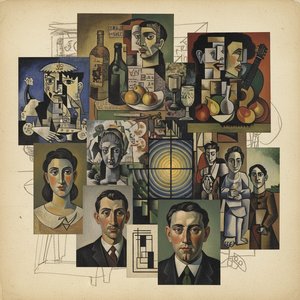
Cubism's Revolution: 10 Masterpieces That Redefined Modern Art | OriginalUniqueArt
Explore 10 Cubist masterpieces by Picasso, Braque & more! Delve into the history of this revolutionary art movement. Find museum-quality reproductions and elevate your home decor with OriginalUniqueArt. Discover all masterpieces on OriginalUniqueArt.com

Pablo Picasso: A Revolutionary Vision – Cubism, Symbolism & Enduring Legacy
Explore the revolutionary art of Pablo Picasso with OriginalUniqueArt.com. Discover Cubism's origins, symbolism in his masterpieces & investment insights for collectors. Expert appraisal & custom reproductions available.