ნახვა ინტერьерში
 გაგზავნა
 გაზიარება
 დეტალები
 გზამკვლევი

 ჩამოტვირთვა
 მსგავსები
 რენტგენოგრაფიული კვლევა
 სლაიდშოუ
 სტატისტიკა
Picnic 7

 სრული ტექსტის ნახვა
ამ გვერდზე წარმოდგენილი ნამუშევარი დაცულია საავტორო უფლების შესახებ კანონმდებლობით, რაც იმას ნიშნავს, რომ ჩვენ არ გვაქვს მისი იდენტური რეპროდუქციის შექმნის ან გაყიდვის სამართლებრივი უფლება. აღნიშნული დაცვა უზრუნველყოფილია ისეთი საერთაშორისო შეთანხმებებით, როგორიცაა ბერნის კონვენცია და ეროვნული კანონმდებლობით, მათ შორის იმ კანონებით, რომლებიც დეტალურად არის გაწერილი აშშ-ის საავტორო უფლების შესახებ კანონი - თავი 17.
ეს მეთოდი სრულად შეესაბამება საავტორო უფლებების რეგულაციებს, რადგან ის არ გულისხმობს დაცული ნამუშევრის კოპირებას ან დუბლირებას. ამგვარად, ეს წარმოადგენს შემოქმედებით რეინტერპრეტაციას — ახალ ნახატს, რომელიც შთაგონებითაა განპირობებული ორიგინალით, თუმცა არ არის მის იდენტურ ასლს.
გიკლე / ხელოვნების პრინტი
მუზეუმის დონის ჟიკლე ან ტილოზე ბეჭდვა სწრაფი წარმოებისა და დასრულების მოქნილი ვარიანტებით. ( შეიძინეთ ხელით შესრულებული ნახატი გადასვლა ციფრულ გამოსახულებაზე)




P118B ₾10

P118H ₾10

P118W ₾10

P438Z ₾10

P508JH ₾12

P508YH ₾12

P805H ₾10

P805Z ₾10

P919BZ ₾10

P919G ₾10

P919XJ ₾10

P959ZH ₾10

P968JZ ₾12

W106C ₾8

W218G ₾10

W218JH ₾8

W218Y ₾10

W307PJ ₾10

W316G ₾10

W316PJ ₾8

W316Y ₾10

W398PJ ₾8

W4111J ₾10

W500HY ₾15

W500JH ₾15

W692G ₾12

W849H ₾8

W940BG ₾15

W953PJ ₾8




აირჩიეთ ჩვენს მიერ წინასწარ განსაზღვრული ზომებიდან, რომლებიც ნაწარმოების ორიგინალურ პროპორციებს შეესაბამება.

შეიყვანეთ თქვენთვის საჭირო სიგანე და სიმაღლე, რათა იგი მოერგოს თქვენს ჩარჩოს ან კედელს. ბეჭდვისას შესაძლებელია მხოლოდ მისი შემცირება და არა გაზრდა, ამიტომ სხვა ფორმის ზომის შემთხვევაში გამოსახულება ნაწილობრივ იკარგება. სანამ რაიმეს დაბეჭდავთ, ჩვენ გამოგიგზავნით ციფრულ მაკეტს დასდასტურებლად. ამ გვერდზე ნაჩვენები სურათი არ ასახავს რეალურ ჭრას — ამას მხოლოდ მაკეტი გვიჩვენებს.
მიწოდება მთელ მსოფლიოში () 2 კვირაში, სტანდარტული 4/5 კვირის ნაცვლად. (26 ოქტომბერი)

უფასო ექსპრეს მიწოდება მთელ მსოფლიოში

მაღალი ხარისხის ტილო

ტრანსპორტირების სრული დაზღვევა

საბაჟო გადასახადების დაბრუნების გარანტია

ფერების სრული შესაბამისობის გარანტია

დაბრუნების 100-დღიანი პერიოდი (მხოლოდ წარმოების დეფექტის შემთხვევაში)

100% თანხის სრული დაბრუნების გარანტია

ფასდაკლება დიდი რაოდენობით შეკვეთისას
 მინის ჩარჩოს არჩევანი ხელმისაწვდომია მხოლოდ 110 სმ-მდე ზომისთვის

Picnic 7
გიკლე / ხელოვნების პრინტი
რეპროდუქციის ზომა
-


ჯამური ღირებულება
₾ 208
A Picnic Amongst Shadows: Picasso’s ‘Picnic 7’
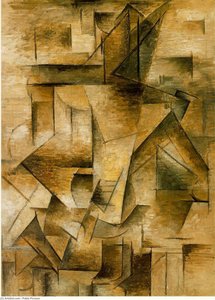
Pablo Picasso's “Picnic 7,” a vibrant yet unsettling depiction of figures nestled within a dense woodland setting, transcends the simple representation of an outdoor gathering. Painted in 1961, during a period when Picasso was deeply engaged with ceramics and exploring themes of memory and loss – a direct response to the death of his wife, Jacqueline Roque – the artwork is less a straightforward snapshot and more a carefully constructed meditation on fleeting joy and the encroaching darkness of mortality. The painting’s immediate impact lies in its audacious color palette: a riot of reds, yellows, and blues clashes with the muted greens and browns of the foliage, creating an atmosphere simultaneously inviting and unnerving. This deliberate discord reflects Picasso's signature Cubist approach, fracturing forms and presenting multiple perspectives within a single frame – here, the figures are not rendered realistically but rather as fragmented elements contributing to a larger, ambiguous composition. The loose brushstrokes and expressive layering of paint further enhance this sense of dynamism and unease, suggesting an ongoing process of creation and decay.Cubism’s Echoes: Deconstructing Reality
“Picnic 7” firmly resides within the lineage of Cubism, yet it diverges from its earlier iterations in a significant way. While Picasso's early Cubist works, such as “Les Demoiselles d’Avignon,” focused on dissecting and reassembling objects into geometric forms, this painting leans more heavily into the expressive potential of abstraction. The figures themselves are not entirely recognizable; they are distorted and simplified, their bodies dissolving into planes and angles that echo the surrounding landscape. This deliberate blurring of boundaries between subject and environment is a hallmark of Picasso’s mature style, reflecting his interest in exploring the subjective experience of reality. The influence of Synthetic Cubism, with its incorporation of collage elements and brighter colors, is also evident, though here the emphasis shifts towards emotional resonance rather than purely formal experimentation. The painting's composition deliberately avoids a clear focal point, drawing the viewer’s eye across the scene and encouraging them to actively participate in constructing meaning.Symbolic Layers: Apples, Umbrellas, and the Passage of Time
Beyond its formal innovations, “Picnic 7” is rich with symbolic detail. The scattered apples, a recurring motif in Picasso's work, often represent temptation, desire, or even death – their bright red hue standing out starkly against the muted tones of the background. The presence of an umbrella suggests protection from the elements, perhaps also shielding the figures from something unseen, hinting at anxieties and hidden fears. The very act of a picnic itself carries layers of meaning: it’s a celebration of simple pleasures, a gathering of loved ones, yet within Picasso's vision, it feels tinged with melancholy—a fleeting moment of happiness suspended in time. The painting can be interpreted as an allegory for the ephemeral nature of life and the inevitability of loss, mirroring the artist’s own personal struggles with grief and mortality during this period.A Legacy of Innovation: Picasso's Enduring Influence
Pablo Picasso remains one of the most influential artists of the 20th century, and “Picnic 7” stands as a testament to his revolutionary approach to artmaking. His willingness to challenge conventional notions of representation, combined with his masterful command of color and form, paved the way for countless subsequent generations of artists. The painting’s enduring appeal lies not only in its aesthetic qualities but also in its ability to evoke complex emotions and provoke thoughtful reflection. Reproductions of “Picnic 7” offer a captivating glimpse into Picasso's creative process and his profound engagement with the human condition, making it a prized addition to any art collection or interior space seeking both beauty and intellectual stimulation. Its vibrant energy and subtle melancholy continue to resonate with viewers today, solidifying its place as a cornerstone of modern art history.Further Exploration: Connecting to Picasso’s World
For those wishing to delve deeper into the context surrounding “Picnic 7,” several resources offer valuable insights. The official website of the Musée Picasso in Paris provides detailed information about the artist's life and work, including extensive documentation of his ceramics production during this period. Furthermore, online databases such as Artstor and Google Arts & Culture offer high-resolution images and scholarly articles exploring Picasso’s artistic development and the historical context of “Picnic 7.” Examining related works by Picasso, particularly those from the same era – such as "Les Dejeuners" series – can illuminate shared themes and stylistic influences. Finally, researching the artist's personal life during 1961—including his relationship with Jacqueline Roque and his ongoing struggles with grief—offers a crucial understanding of the emotional depth embedded within this captivating artwork.კითხვები და პასუხები
რამდენად მკვეთრი კონტრასტია პაბლო პიკასო-ის „Picnic 7“-ში?
პაბლო პიკასო-ის „Picnic 7“-ში დანახულია Statement კონტრასტი ღია და მუქ ფერებს შორის.
არის თუ არა პაბლო პიკასო-ის „Picnic 7“ საჯარო დომენში?
ავტორული უფლებების შესახებ პასუხი ნამუშევრისთვის პაბლო პიკასო-ის „Picnic 7“: ნამუშევარი არის კვლავ დაცულია საავტორო უფლებით. ეს განსაზღვრავს, შესაძლებელია თუ არა გამოსახულების რეპროდუქციის თავისუფლად წარმოება.
როგორ ერწყმის კონტრასტი და ჰარმონია ნამუშევარში "Picnic 7"?
პაბლო პიკასო-ის „Picnic 7“-ის ფერული კომპოზიცია აერთიანებს Statement კონტრასტს და Balanced Harmony ჰარმონიას.
მხატვრის ბიოგრაფია
პაბლო პიკასოს მარადიული მემკვიდრეობა
პაბლო რუიზ ი პიკასო, სახელი, რომელიც მხატვრული რევოლუციის სინონიმია, 1881 წლის 25 ოქტომბერს ესპანეთში, მალაგაში დაიბადა. მისი არსებობა თავიდანვე შექმნილი იყო შემოქმედებითი თვითგამოხატვისთვის; ლეგენდა ამბობს, რომ მისი პირველი ნათქვამი სიტყვები იყო „piz, piz“, რაც ფანჯრის ანუ ფანჯის (pencil) თქმაში იყო მცდელობა. ეს ადრეული მიდრეკილება გაზარდა მისმა მამამ, ხოსე რუიზ ი ბლასკომ, რომელიც მხატვარი და ხელოვნების მასწავლებელი იყო და პატარა პაბლოს საფუძვლიანი ტრენინგი მისცა. თუმცა, მოსწავლემ სწრაფად გადააჭარბა მასწავლებელს და გამოავლინა ბუნებრივი აღქმის საოცარი ნიჭი, რაც წინასწარმეტყველური იყო მისი მომავალი გენიოსისა. ოჯახის შემდგომი გადასვლები – ჯერ ა კორუნაში, შემდეგ ბარსელონაში – აღსავსე იყო პირადი ტრაგედიებით, განსაკუთრებით პიკასოს დის დაკარგვით; ამ გამოცდილებებმა შემდგომში მის ნამუშევრებში მელანქოლიისა და სიკვდილის თემები ფარულად შემოიტანა. ბარსელონას ლამაზ ხელოვნებათა სკოლასა და მადრიდის სან ფერნანდოს სამეფო აკადემიაში სწავლის დროსაც კი, პიკასო ეწინააღმდეგებოდა მკაცრ აკადემიურ შეზღუდვებს და ამჯობინებდა თავი ჩაფლულიყო ველასკესისა და გოიას მსგავს ოსტატთა ნამუშევრებში, რითაც საკუთარ გზას ქმნიდა მხატვრული ინოვაციისკენ.
მელანქოლიური ლურჯიდან ვარდისფერი ელფერსამდე
მე-20 საუკუნის დასაწყისმა პიკასოს შემოქმედებაში ორი განსხვესპირებული პერიოდის აღმოჩენა მოგვცა: ლურჯი პერიოდი (დაახლოებით 1901-1904) და ვარდისფერი პერიოდი (1904-1906). ლურჯი პერიოდი, რომელიც პირადი ტრაგედიებისა და სოციალური ტანჯვის ღრმა გაცნობიერებიდან დაიბადა, ხასიათდება ლურჯი და ლურჯი-მწვანე მუქი ტონებით გაჯერებული ნახატებით. ამ ნამუშევრებში მოთამაშე არიან მარგინალიზებული ფიგურები – მათში მოხვედრილია ღარიბები, ბრმები, პროსტიტუტები – რომლებიც დახატულია შეძრწუნებელი ემპათიით, რაც იზოლაციისა და სასოწლუ Wett hopelessness თემებს ეხმიანება. La Vie (1903) და The Old Guitarist (1903-1904) ამ ემოციურად დატვირთული ფაზის მძიმე, მაგრამ ამაღლებული მაგალითებია. პიკასოს პირად ცხოვრებაში მომხდავმა ცვლილებამ, პარიზში გადასვლასთან ერთად, ვარდისფერი პერიოდის დასაწყისი მოიტანა. პალიტრა საგრძნობლად გათბილდა და pink, ნარინჯისფერი და წითელი ტონები მოიცვა, რაც უფრო ოპტიმისტურ ხედვას ასახავდა. ამ პერიოდში გამოჩნდა ცირკის არტისტების – ჰარლექინების, აკრობატებისა და ოჯახური ტრუპების – ინტერესი; ფიგურები, რომლებიც ერთდროულად ახდენდნენ სიმტკიცისა და სიმსუბუქის სიმბოლოს. Family of Saltimbanques (1905) მშვენივრად ასახავს ამ გარდამავალ ეტაპს და მიგვანიშნებს იმ სტილისტური ძიებებზე, რომლებიც მას შემდეგ ელოდა.
პერსპექტივის მსხვრევა: კუბიზმი და მის ფარგლებს გარეთ
1907 წელმა ხელოვნების ისტორიაში გარდამტეხი მომენტი შექმნა ნახატის Les Demoiselles d'Avignon დაბადებით. იბერიული სკულპტურისა და აფრიკული ნიღბების გავლენით, ამ რეკორდულმა ნამუშევარმა დაამსხვრია პერსპექტივისა და რეპრეზენტაციის ტრადიციული წარმოდგენები. ეს იყო რადიკალური გადახვევა და საუკუნეების მანძილზე არსებული კონვენციების შეგნებული უარყოფა, რამაც გზა გაუხსნა კუბიზმს. ჟორჟ ბრაკთან მჭიდრო თანამშრომლობით, პიკასომ თანადაფუძნა ეს რევოლუციური მოძრაობა, რამაც ფუნდამენტურად შეცვალა ის, თუ როგორ აღიქვამდნენ და ასახავდნენ ხელოვანები რეალობას. ანალიტიკური კუბიზმი (1909-1912) მოიცავდა ობიექტების ფრაგმენტაციას გეომეტრიულ ფორმებად, რომლებიც შესრულებული იყო მკვდარი ფერებით, თითქოს თავად ფორმას ახდენდა დისექციას. ეს შემდგომ გადაიზარდა სინთეტურ კუბიზმში (1მ12-1919), რომელმაც შეიმოტანა კოლაჟის ელემენტები – გაზეთის ნატეხები, ქსოვილის ფრაგმენტები – რაც ამატებდა ტექსტურას და ვიზუალური სირთმის ახალ ფენებს. პიკასო არ იყო კმაყოფილი სამსოფლიოს უბრალოდ რეპრეზენტაციით; ის ცდილობდა მისი დეკონსტრუქციას და საკუთარი პირობებით ხელახლა აწყობას.
შეუძლებელი ექსპერიმენტატორი: ნეოკლასიციზმი, სურრეალიზმი და ომი
1920-იან წლებში პიკასომ მოკლედ შეისწავლა ნეოკლასიკური სტილები, შექმნა მონუმენტური ფიგურები, რომლებიც ეხმიანებოდნენ კლასიკურ ფორმებს, თუმცა ინარჩუნებდნენ მკვეთრად თანამედროვე სენსიტიურობას. ამავდროულად, ის ჩაერთო მზარდ სურრეალისტურ მოძრაობაში, თუმცა არასოდეს დაუკავშირდა მას სრულად თავისი პრინციპებით. ამ პერიოდის ნამუშევრები აერთიანებდა ადრეულ სტილისტურ გავლენებს სურრეალისტურ იმ edges და დამახინჯებულ პერსპექტივებთან, რაც მის დაუღალავ ექსპერიმენტებს მოწმობდა. ესპანეთის სამოქალაქო ომის საშინელებებმა ღრმად იმოქმედა პიკასოზე, რამაც გვირგვინი დაადო Guernica-ს (1937) შექმნას – ეს იყო ვიცერალური და ემოციურად დამანგრეველი პასუხი გერნიკას დაბომბვაზე. ეს მონუმენტური ნამსხვრევები გახდა ომის სისასტიკის მარადიული სიმბოლო, რამაც განამტკიცა პიკასოს როლი არა მხოლოდ როგორც მხატვრის, არამედ როგორც მშვიდობისა და სოციალური სამართლიანობის მძლავრი ხმის. 1950-იან და 60-იან წლებში ის აგრძელებდა საზღვრების გაფართოებას, იკვლევდა კერამიკას, სკულპტურას და გრავიურას შეუსვენარი ცნობისმოყვარეობითა და ოსტატობით. 1961 წელს ჟაკლინ როკისთან ქორწინებამ ახალი განზომილება მოუტანა მის პირად ცხოვრებასა და შემოქმედებით გამოხატვას.
გაზომვადი გავლენა
პაბლო პიკასო გარდაიცვალა 1973 წლის 8 აპრილში, საფრანგეთში, მუჟანში, დატოვებდა გასაოცარ ნამუშევრების მემკვიდრეობას – შეფასებით 50,000-ზე მეტი ნაწარმოები –, რომელიც დღემდე აღფრთოვანებასა და შთაგონებას იწვევს. მისი შემოქმედებითი განვითარება ფორმირებული იყო მრავალფეროვანი გავლენებით, ველასკესისა და გოიას მსგავს ესპანელი ოსტატებიდან დაწყებული, იბერიული სკულპტურით, აფრიკული ხელოვნებითა და ჰენრი მატისის ცოცხალი ფერებით დასრულებული.

პაბლო პიკასო
1881 - 1973 , ესპანეთი
მოკლე ფაქტები
- Artistic Movement Or Style: კუბიზმი, სურრეალიზმი
- Artists Or Movements Influenced By This Artist:
- კუბიზმი
- მოდერნიზმი
- Artists Who Influenced This Artist:
- ველასკესი
- გოია
- მატისი
- Date Of Birth: 1881 წლის 25 ოქტომბერი
- Date Of Death: 1973 წლის 8 აპრილი
- Full Name: პაბლო რუიზ პიკასო
- Nationality: ესპანური
- Notable Artworks:
- ლეს დემუაზელ დ’ავიньონი
- გერნიკა
- ვინჩოს ძველი გიტარისტი
- ლა ვიე
- სალტიმბანკის ოჯახი
- Place Of Birth: მალაგა, ესპანეთი
მსგავსი სტატიები

Pablo Picasso: A Revolutionary Vision – Cubism, Symbolism & Enduring Legacy
Explore the revolutionary art of Pablo Picasso with OriginalUniqueArt.com. Discover Cubism's origins, symbolism in his masterpieces & investment insights for collectors. Expert appraisal & custom reproductions available.
Cubism Explained: How Picasso and Braque Shattered Reality to Redefine Modern Art
Master the complexities of Cubism with our expert guide. Explore how Picasso and Braque revolutionized modern art through fragmentation, multiple perspectives, and geometric innovation. Perfect for art students and collectors seeking deep historical insight.
Cubism's Revolution: 10 Masterpieces That Redefined Modern Art | OriginalUniqueArt
Explore 10 Cubist masterpieces by Picasso, Braque & more! Delve into the history of this revolutionary art movement. Find museum-quality reproductions and elevate your home decor with OriginalUniqueArt. Discover all masterpieces on OriginalUniqueArt.com

Cubism Unveiled: How Picasso and Braque Redefined Modern Art through Geometric Revolution
Explore the revolutionary world of Cubism. Discover how Pablo Picasso and Georges Braque dismantled perspective to redefine modern art through geometric innovation and analytical mastery. An essential guide for art students, collectors, and history enthusiasts.
Cubism Unveiled: How Picasso and Braque Redefined Reality Through Geometric Abstraction
Explore the revolutionary world of Cubism. Discover how masters Pablo Picasso and Georges Braque dismantled reality through geometric abstraction to redefine modern art history.