გადართვა ბეჭდვის რეჟიმზე
 სრული ტექსტის ნახვა







































 ნებისმიერი მხარისთვის 105 სმ-ზე (დაახლოებით 41 ინჩი) მეტი ზომის ხელოვნებული ნამუშევრების ან რეპროდუქციებისთვის, ჩარჩო მოგზავნდება დაშლილ კომპლექტში. ეს მეთოდი უზრუნველყოფს უსაფრთხო მიწოდებას და თავიდან აგაცილებთ ტრანსპორტირებისას შესაძლო დაზიანებას.


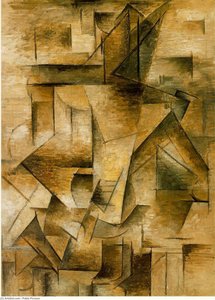
Three Women by Pablo Picasso: A Fragmented Reflection of Humanity
Pablo Picasso’s “Three Women,” completed in 1908, stands as a cornerstone of Cubism—a movement that irrevocably altered the trajectory of modern art. More than just an aesthetically striking painting housed at The State Hermitage Museum in St. Petersburg, Russia, it embodies a profound exploration of form, space, and human emotion through a revolutionary visual language.
- The Genesis of Cubism: Picasso and Georges Braque spearheaded Cubism’s emergence, rejecting traditional perspective and representation. Instead, they embraced fragmentation—breaking down objects into geometric planes that simultaneously depict multiple viewpoints. This radical approach aimed to capture the essence of reality beyond mere visual appearance.
- Geometric Abstraction & Interlocking Forms: Within “Three Women,” Picasso meticulously simplifies human anatomy into basic shapes – cubes, cylinders, and spheres – creating an interconnected whole. These forms overlap and merge with surrounding space, challenging viewers’ preconceived notions about depth and dimensionality. The artist deliberately avoids portraying the figures as distinct entities but rather as components of a larger visual system.
- Color Palette & Emotional Resonance: Picasso employs a warm color palette dominated by oranges, reds, and greens, injecting vibrancy and dynamism into the composition. These hues aren’t merely decorative; they contribute to conveying mood and emotion—a subtle tension between serenity and unease. The careful placement of colors enhances the painting's expressive power.
- African Influence & Mask-Like Faces: Picasso’s artistic vision was profoundly impacted by his fascination with African sculptures during a visit to the ethnographic museum in Paris. This influence is palpable in the stylized faces of the women, mirroring the forms and expressions found in African masks—a deliberate reference to primitive art traditions.
- Comparative Analysis & Artistic Legacy: “Three Women” serves as a pivotal point in Picasso’s artistic evolution, closely linked to his groundbreaking masterpiece, “Les Demoiselles d’Avignon.” However, unlike its assertive gaze and dramatic dynamism, “Three Women” exudes a quieter contemplation. It shares stylistic similarities with other Cubist works by Braque and Gris, cementing Picasso's role as a pioneer of this transformative artistic movement.
Ultimately, Picasso’s “Three Women” transcends mere visual representation; it invites viewers to contemplate the complexities of human experience. Its innovative geometric abstraction, harmonious color palette, and subtle emotional undertones continue to inspire artists and captivate audiences worldwide—a testament to its enduring artistic significance.
კითხვები და პასუხები
პაბლო პიკასო-ის შემოქმედების რომელ პერიოდს მიეკუთვნება „మూდიან ქალები“ (1908)?
1908 წელი „మూდიან ქალები“-ს პაბლო პიკასო-ის შემოქმედებითი განვითარების ფრინციპალური პერიოდი პერიოდში ათავსებს.
შემიძლება შევუკვეთო "మూდიან ქალები"-ის ზეთწარმოებული რეპროდუქცია?
პაბლო პიკასო-ის „మూდიან ქალები“-ის ხელით ნათესლიერი ასლები იყიდება ეს ვებსაიტი-ზე: ლენის ტილოზე შესრულებული ზეთწარმოთი, ხელით ნათესლით, მათი შეკვეთით მისი ხელით ნათესლიერი რეპროდუქცია გვერდიდან.
რა ფერებს იყენებს "మూდიან ქალები"?
პაბლო პიკასო-ის „మూდიან ქალები“-ის პალიტრა აღწერილია, როგორც მუქი ტონები. ეს არის ნამუშევრის ფერების კომპაქტური აღწერა.
 ნახვა ინტერьерში
 გაგზავნა
 გაზიარება
 დეტალები
 გზამკვლევი

 ჩამოტვირთვა
 მსგავსები
 რენტგენოგრაფიული კვლევა
 სლაიდშოუ
 Q&A
Q&A სტატისტიკა