წინასწარი ნახვა
 გაგზავნა
 გაზიარება
 დეტალები

 ჩამოტვირთვა
 მსგავსები
 რენტგენოგრაფიული კვლევა
 სლაიდშოუ
 სტატისტიკა
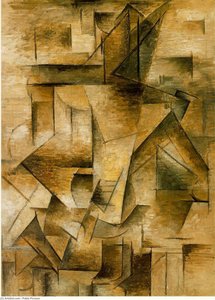
ახსოვადი ფანჯარას წინ
 აკრილი ტილოზე
- კედლის დეკორი
- Synthetic Cubism
 1919
1919- თანამედროვე
 31.0 x 22.0 cm
 გადასართად დაწვრილებით ნახეთ
გიკლე / ხელოვნების პრინტი
მუზეუმის დონის ჟიკლე ან ტილოზე ბეჭდვა სწრაფი წარმოებისა და დასრულების მოქნილი ვარიანტებით. ( შეიძინეთ ხელით შესრულებული ნახატი გადასვლა ციფრულ გამოსახულებაზე)




P118B $10

P118H $10

P118W $10

P438Z $10

P508JH $12

P508YH $12

P805H $10

P805Z $10

P919BZ $10

P919G $10

P919XJ $10

P959ZH $10

P968JZ $12

W106C $8

W218G $10

W218JH $8

W218Y $10

W307PJ $10

W316G $10

W316PJ $8

W316Y $10

W398PJ $8

W4111J $10

W500HY $15

W500JH $15

W692G $12

W849H $8

W940BG $15

W953PJ $8




აირჩიეთ ჩვენს მიერ წინასწარ განსაზღვრული ზომებიდან, რომლებიც ნაწარმოების ორიგინალურ პროპორციებს შეესაბამება.

თქვენ შეგიძლიათ მიუთითოთ საკუთარი ზომები კონკრეტული ჩარჩოსთვის ან სივრცისთვის მოსარგებლებლად. თუ თქვენ მიერ არჩეული ზომა არ შეესაბამება ორიგინალი გამოსახულების პროპორციებს, ჩვენ ან დავჭრით ნამუშევარს, ან გავაფართოვებთ გამოსახულებას სარკული ან ერთფეროვანი კიდეებით. წარმოების დაწყებამდე თქვენს დასამტკიცებლად გამოგეგზავნებათ ციფრული მაკეტი.
გთხოვთ, გაითვალისწინოთ, რომ ეკრანზე ნაჩვენები წინასწარი ნახვა არ ასახავს რეალურ ჭრას ან გაფართოებას. მხოლოდ მაკეტზე იქნება ზუსტად წარმოდგენილი საბოლოო კომპოზიცია.
მიუხედავად იმისა, რომ ინდივიდუალური ზომები ხელმისაწვდომია, ორიგინალური პროპორციების შესანარჩუნებლად გირჩევთ, აირჩიოთ ზომა წინასწარ განსაზღვრული სიისგან.
მიწოდება მთელ მსოფლიოში () 2 კვირაში, სტანდარტული 4/5 კვირის ნაცვლად. (12 სექტემბერი)

უფასო ექსპრეს მიწოდება მთელ მსოფლიოში

საბამად მაღალი ხარისხის ტილო

სრული ტრანსპორტირების დაზღვევა

საბაჟო გადასახადების დაბრუნების გარანტია

ფერების სრული შესაბამისობის გარანტია

დაბრუნების 100-დღიანი პოლიტიკა (მხოლოდ დეფექტის შემთხვევაში)

100% თანხის დაბრუნების გარანტია

ფასდაკლება დიდი რაოდენობით შეკვეთისას
 მინის ჩარჩოს არჩევანი ხელმისაწვდომია მხოლოდ 110 სმ-ზე ნაკლები ზომისთვის

ახსოვადი ფანჯარას წინ
გიკლე / ხელოვნების პრინტი
რეკლამაციის ზომა
-


საბოლოო ფასი
$ 80
Table in Front of Window by Pablo Picasso – A Fragmented Symphony of Light and Life
Pablo Picasso’s “Table in Front of Window,” painted in 1919, isn't merely a depiction of an interior scene; it’s a vibrant, almost frantic exploration of form, color, and the very nature of perception. Created during his pivotal period of Synthetic Cubism, this collage-like painting embodies the movement’s radical departure from traditional representation, inviting viewers to actively participate in constructing meaning rather than passively receiving it. The artwork, measuring a modest 31 x 22 centimeters, belies its small scale with an astonishing density of imagery – a man playing the guitar, a woman seated gracefully, a boat sailing on a distant horizon, and fragments of other objects all vying for attention within a shallow, almost claustrophobic space. It’s a scene brimming with life, yet simultaneously imbued with a sense of unsettling dislocation. The heart of Picasso's Synthetic Cubism lies in its deliberate fragmentation and reassembly of recognizable forms. He doesn’t attempt to create a single, unified image; instead, he breaks down objects into their geometric components – planes, angles, and lines – and then reconstructs them in an abstract manner. The guitar player, for instance, is rendered as a collection of overlapping triangles and rectangles, while the woman's figure dissolves into a series of fragmented shapes. This technique wasn’t born from a desire to distort reality but rather to capture its essence—the way we *see* things, not necessarily how they *are*. Picasso was fascinated by the simultaneous presentation of multiple viewpoints, as if he were offering us a fractured glimpse into a single moment in time. The inclusion of a window itself is crucial; it acts as a portal, framing the scene and suggesting an external reality that remains tantalizingly out of reach. The color palette further contributes to the painting’s dynamic energy. Picasso employs a bold, vibrant range of hues – blues, greens, yellows, and reds – often applied in flat, unmodulated blocks. This contrasts sharply with the muted tones typically associated with earlier Cubist works. The colors aren't used realistically; they are employed expressively, to heighten the emotional impact of the scene and create a sense of visual excitement. Notice how the blues dominate the background, creating a feeling of depth and distance, while warmer colors – reds and yellows – are concentrated in the foreground, drawing the viewer’s eye towards the central figures. This strategic use of color guides our gaze and shapes our interpretation of the composition. The historical context surrounding “Table in Front of Window” is inextricably linked to Picasso's engagement with Paul Cézanne’s late works. Cézanne’s emphasis on geometric forms and multiple perspectives profoundly influenced Picasso, encouraging him to explore ways of representing three-dimensional space on a two-dimensional surface. However, unlike Cézanne, who sought to capture the underlying structure of objects, Picasso deliberately distorted and fragmented these forms, creating an entirely new visual language. The painting also reflects the broader artistic currents of the time – the rise of Dadaism and Surrealism, which challenged traditional notions of representation and explored the subconscious mind. It’s a pivotal work demonstrating the artist's evolution towards abstraction while retaining elements of recognizable imagery. Beyond its formal innovations, “Table in Front of Window” possesses a powerful emotional resonance. The scene evokes a sense of domestic tranquility juxtaposed with an underlying tension—a feeling that something is about to happen or has already happened. The figures seem caught in a moment of contemplation, their gazes directed towards the distant horizon. The inclusion of the boat, sailing on the water, suggests themes of travel, adventure, and perhaps even longing. Picasso’s masterful use of color and composition creates a dynamic interplay between these elements, generating a complex and layered emotional experience for the viewer. It's a painting that invites us to linger, to observe, and to interpret its fragmented beauty—a testament to Picasso’s genius and his enduring legacy as one of the most influential artists of the 20th century.Pablo Picasso – A Biographical Sketch
Born in Málaga, Spain, in 1881, Pablo Ruiz y Picasso (later known simply as Picasso) was a prodigious talent from an early age. His father, José Ruiz y Blasco, a respected art teacher and painter, recognized his son’s exceptional abilities and provided him with rigorous training in drawing and painting. Picasso's childhood was marked by both artistic success and personal tragedy – the loss of his sister at the age of seven profoundly impacted his life and work. He moved to Barcelona and later Paris, immersing himself in the vibrant art scene of the early 20th century. Throughout his illustrious career, Picasso experimented with a vast array of styles and techniques, constantly pushing the boundaries of artistic expression. He is considered a pioneer of Cubism, alongside Georges Braque, developing this revolutionary movement that shattered traditional notions of perspective and representation. His work spanned numerous periods – from the early Blue Period characterized by melancholic blues and monochromatic tones to the vibrant Rose Period depicting circus performers and harlequins, and culminating in his groundbreaking explorations of Synthetic Cubism, Surrealism, and beyond. Picasso’s prolific output—over 13,500 paintings, prints, sculptures, ceramics, and other works—solidifies his position as one of history's most celebrated artists.Additional Insights – A Deeper Dive
The painting’s construction reveals a meticulous process of layering and collage. Picasso often worked directly on the canvas, applying paint with broad brushstrokes and using techniques such as *alla prima* (wet-on-wet) to create spontaneous effects. However, he also employed collage elements—fragments of newspaper, fabric, and other materials—to add texture and visual interest to his compositions. This practice was particularly prevalent during his period of Synthetic Cubism, where he sought to integrate diverse sources of imagery into a single artwork. Furthermore, Picasso’s use of perspective is deliberately ambiguous. He avoids creating a clear sense of depth or spatial relationships, instead opting for a flattened, almost theatrical presentation of the scene. This technique contributes to the painting's overall feeling of disorientation and invites viewers to question their own assumptions about how things are represented in art. The influence of Cézanne’s emphasis on geometric forms is evident in Picasso’s use of simplified shapes and planes, but he departs from Cézanne’s more restrained approach by employing a bolder color palette and incorporating collage elements.- Key Influences: Paul Cézanne, Impressionism, Post-Impressionism
- Movement: Synthetic Cubism
- Materials: Oil paint, collage elements (newspaper, fabric)
Where to Find Reproductions and Explore Further
High-quality reproductions of “Table in Front of Window” are readily available through various art dealers and online retailers. For a deeper understanding of Picasso’s artistic process and the context surrounding this painting, we recommend exploring these resources:- WikiArt: Table in front of window, 1919 - Pablo Picasso - WikiArt.org
- OriginalUniqueArt.com: Pablo Picasso
- Wikipedia: Pablo Picasso
მხატვრის ბიოგრაფია
პაოლო პიკასოს განუვალე მემკვიდრეობა
პაოლო რუიზ ი პიკასო, სახელწოდება რომელიც სინონიმად არის ქცეული მხატვრული რევოლუციისა, დაიბადა ესპანეთის მალაგაში, 1881 წლის 25 ოქტომბერს. როგორც ლეგენდა მოგვიყვებოდა, მისი პირველი სიტყვები იყო “piz, piz”, რაც სათითაო ძილის გამეორება იყო. ეს ადრეული ნათესავი კითხულობდა მის მამას, ხოსე რუიზ ი ბლასკოს, მხატვრსა და ხელოვნების მასწავლებელს, რომელმაც პაბლო უწოდა საფუძველიანი ტრენინგი. თუმცა, მოსწავლე მალევე აჯობა მასწავლებელს, გამოაჩნდა გამორჩეული ნიჭი ბუნებრივი აღქმის მიმართ, რაც მოგვიანებით მისი გენიოსის წინასწარი ნიშანი იყო. ოჯახის შემდგომი გადასვლები – ჯერ ა კორუñამდე, შემდეგ ბარსელონაში – დასრულდა პირადი ტრაგედით, განსაკუთრებით მისი და ლოლის დაკარგვით, გამოცდილებებმა რომელმაც ფარულად შეიტანა მისი შემდგომი ნამუშევრების თემებში მელანქოლია და სიკვდილი. ფორმალური სწავლის დროს ბარსელონის სამხატვრო აკადემიასა და მადრიდის სან ფერნანდოს სამეფო აკადემიის მოკლე პერიოდში, პიკასო ეწინააღმდეგებოდა მკაცრ აკადემიურ შეზღუდვებს, preferring instead to immerse himself in the works of masters like Velázquez and Goya, forging his own path toward artistic innovation.
მელანქოლიური ლურჯი პერიოდიდან ვარდოვანი ფერებისკენ
მეოცე საუკუნის დასაწყლში პიკასოს შემოქმედებაში გამოჩნდა ორი განსხვავებული პერიოდი: ლურჯი პერიოდი (დაახლოებით 1901-1904) და ვარდოვანი პერიოდი (1904-1906). ლურჯი პერიოდი, რომელიც დაიბადა პირადი ტრაგედიიდან და სოციალური ტანჯვისადმი მწვავე აღქმისგან, ხასიათდება ტილოებით, რომლებიც სავსეა ღიმღმინით ლურჯი და ლურჯ-녹색 ფერებით. ამ ნამუშევრებში გვხვდება გამდიდრებული ფიგურები – ბოროტები, ყოველთაგანი, პროსტიტუტები – რომლებიც აღქმულია თვალწრალა თანაგრძნობით, რაც საუბრობს იზოლაციისა და იმედგვრევის თემებზე. La Vie (1903) და The Old Guitarist (1903-1904) ამ გულმომტკინებულ ფაზას აღწერენ. პირადი ცხოვრების შეცვლა, რომელიც თან ახლდა პარიზში გადასვლით, გამოაცხადა ვარდოვანი პერიოდი. 팔레ტი მნიშვნელოვნად შეიცვალა, მოიცავდა ვარდისფერს, ნარინჯისფერ და წითელს, რაც ასახავს უფრო ოპტიმისტურ განწყობას. ეს პერიოდი ხასიათდება ცირკის შემსრულებლებისკენ ინტერესით – ჰარლეკინები, აკრობატები და საოჯახო ჯგუფები – ფიგურები რომლებიც წარმოადგენდნენ როგორც სუსტობას ასევე გამძლეობას. Family of Saltimbanques (1905) მშვენივრად ასახავს ამ გარდამოსვლისას, რაც მიანიშნებს მომავალში არსებულ სტილისტურ გამოკვლევებზე.
პერსპექტივის გატ碎ება: კუბიზმი და სხვა
1907 წელი იყო გადამწყვეტი მომენტი ხელოვნების ისტორიაში Les Demoiselles d'Avignon-ის შექმნით. იბერიული ქანდაკებისა და აფრიკის ნიღბების ზემოქმედებით, ეს გამორჩეული ტილო გატ碎ა ტრადიციული პერსპექტივის და აღქმის განწყობა. ეს იყო რადიკალური გადახვევა, საუკუნეობით დამკვირვებული კონვენციების მიზნით, რომელიც გზა გაიხსნა კუბიზმისთვის. გიორგ ბრაკთან მჭიდრო თანამშემས་ებლობით, პიკასომ თანაზინდოვადა ეს რევოლუციური მოძრაობა, რომელიც ძირითადად შეცვალა როგორ აღქმავს და წარმოადგენს ადამიანებს რეალობას. ანალიტიკური კუბიზმი (1909-1912) მოიცავდა ობიექტების ფრაგმენტაციას გეომეტრიულ ფორმებად, რომელიც აღწერილია დამონებულ ფერებში. ეს განვითარდა სინთეტიკურ კუბიზმში (1912-1919), რომელმაც დამატებულიყო კოლაჟის ელემენტები – გაზეთის გადარეშები, ქსოვილის ნატეხები – დაამატა ტექსტურა და ახალი ვიზუალური სიძრწოლის στρώσεις. პიკასოს არ უნდა უბრალოდ წარმოედგინა სამყარო; მან სცადა მისი დე-კონსტრუქცია და რეკონსტრუქცია საკუთარი პირობების მიხედვით.
უსაყვარლესი ექსპერიმენტატორი: ნეოკლასიციზმი, სურრეალიზმი და ომი
1920-იან წლებში პიკასო ხანმოკლეമായി გამოიკვლია ნეოკლასიციური სტილები, შექმნა მონუმენტალური ფიგურები, რომლებიც მოიცავდა კლასიკურ ფორმებს, ხოლო შენარჩუნებდა განსხვავებულ თანამედროვე გრძნობას. პარალელურად, მან ჩართო სწრაფად მზარდი სურრეალისტური მოძრაობაში, თუმცა არც თუ ისე მთლიანადaligned himself with its principles. მისი ნამუშევრები ამ პერიოდში შერწყმავდა ადრეულ სტილისტურ გავლენებს სურრეალისტურ იმიჯებთან და დეფორმირებულ პერსპექტივებთან, რაც აჩვენა მისი შეუდარებელი ექსპერიმენტებისადმი სწრაფვა. ესპანეთის občanská válka-ს ტრაგიკული შედეგები βαθιά επηρέασαν τον Πικάσο, που οδήγησε στη δημιουργία του Guernica (1937), μια ζωντανή και συναισθηματικά καταστροφική απάντηση στον βομβαρδισμό της Γουέρνικα. ეს მონუმენტალური ნამუშევარი გახდა ომის საშინელებების გამუდმებული სიმბოლო, რაც დაადასტურა პიკასოს როლი მხატვრად, მაგრამ ასევე ძლიერი ხმა მშვიდობისა და სოციალური δικαιοებისთვის. 1950-იან და 60-იან წლებში მან განაგრძო საზღვრების გადაკვრა, გამოიკვლია კერამიკა, ქანდაკება და გრავირება შეუდარებელი სიყურადღებით და უნარით. მის γάμος Jacqueline Roque-ს 1961 წელს მოუტანა ახალი განზომილება მის προσωπικό ცხოვრებაში και καλλιτεχνική έκφραση.
უგო Measurable Impact
პაოლო პიკასო გარდაიცვალა 1973 წლის 8 აპრილს, მოუgins-ში, საფრანგეთში, დატოვა წარმოუდგენელი ნამუშევრების კორპუსი – რომელიც შეფასებულია 50,000-ზე მეტი ნაწილად –

Пабла Пікаса
1881 - 1973 , ესპანეთი
მოკლე ინფორმაცია
- Artistic Movement Or Style: კუბიზმი, სურრეალიზმი
- Artists Or Movements Influenced By This Artist:
- კუბიზმი
- მოდერნიზმი
- Artists Who Influenced This Artist:
- ველასკესი
- გოია
- მატისი
- Date Of Birth: 1881 წლის 25 ოქტომბერი
- Date Of Death: 1973 წლის 8 აპრილი
- Full Name: პაბლო რუიზ პიკასო
- Nationality: ესპანური
- Notable Artworks:
- ლეს დემუაზელ დ’ავიньონი
- გერნიკა
- ვინჩოს ძველი გიტარისტი
- ლა ვიე
- სალტიმბანკის ოჯახი
- Place Of Birth: მალაგა, ესპანეთი
დაკავშირებული სტატიები
Cubism's Revolution: 10 Masterpieces That Redefined Modern Art | OriginalUniqueArt
Explore 10 Cubist masterpieces by Picasso, Braque & more! Delve into the history of this revolutionary art movement. Find museum-quality reproductions and elevate your home decor with OriginalUniqueArt. Discover all masterpieces on OriginalUniqueArt.com
Cubism Unveiled: How Picasso and Braque Redefined Reality Through Geometric Abstraction
Explore the revolutionary world of Cubism. Discover how masters Pablo Picasso and Georges Braque dismantled reality through geometric abstraction to redefine modern art history.

Pablo Picasso: A Revolutionary Vision – Cubism, Symbolism & Enduring Legacy
Explore the revolutionary art of Pablo Picasso with OriginalUniqueArt.com. Discover Cubism's origins, symbolism in his masterpieces & investment insights for collectors. Expert appraisal & custom reproductions available.
Deconstructing Reality: A Comprehensive Exploration of Synthetic Cubism's Evolution & Impact
Explore the revolutionary world of Synthetic Cubism! Discover its origins, key artists like Picasso & Braque, techniques, and lasting impact on modern art. A comprehensive guide for enthusiasts.
Deconstructing Reality: Cubism's Revolutionary Impact on 20th-Century Art
Explore the revolutionary world of Cubism with OriginalUniqueArt. Discover Picasso & Braque's groundbreaking techniques, its philosophical roots, and lasting impact on modern art. Expert insights for collectors.