წინასწარი ნახვა
 გაგზავნა
 გაზიარება
 დეტალები

 ჩამოტვირთვა
 მსგავსები
 რენტგენოგრაფიული კვლევა
 სლაიდშოუ
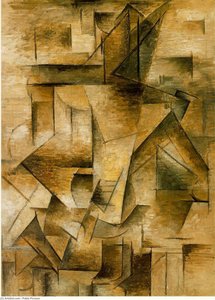
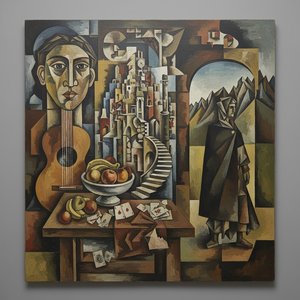
A Girl from Avignon
 ზეთი ტილოზე
- კედლის დეკორი
- Cubism
 1907
1907- თანამედროვე ეპოქა
 119.0 x 93.0 cm
 გადასართად დაწვრილებით ნახეთ
გიკლე / ხელოვნების პრინტი
მუზეუმის დონის ჟიკლე ან ტილოზე ბეჭდვა სწრაფი წარმოებისა და დასრულების მოქნილი ვარიანტებით. ( შეიძინეთ ხელით შესრულებული ნახატი შეიძინეთ გამოსახულება)




P118B $10

P118H $10

P118W $10

P438Z $10

P508JH $12

P508YH $12

P805H $10

P805Z $10

P919BZ $10

P919G $10

P919XJ $10

P959ZH $10

P968JZ $12

W106C $8

W218G $10

W218JH $8

W218Y $10

W307PJ $10

W316G $10

W316PJ $8

W316Y $10

W398PJ $8

W4111J $10

W500HY $15

W500JH $15

W692G $12

W849H $8

W940BG $15

W953PJ $8




აირჩიეთ ჩვენს მიერ წინასწარ განსაზღვრული ზომებიდან, რომლებიც ნაწარმოების ორიგინალურ პროპორციებს შეესაბამება.

თქვენ შეგიძლიათ მიუთითოთ საკუთარი ზომები კონკრეტული ჩარჩოსთვის ან სივრცისთვის მოსარგებლებლად. თუ თქვენ მიერ არჩეული ზომა არ შეესაბამება ორიგინალი გამოსახულების პროპორციებს, ჩვენ ან დავჭრით ნამუშევარს, ან გავაფართოვებთ გამოსახულებას სარკული ან ერთფეროვანი კიდეებით. წარმოების დაწყებამდე თქვენს დასამტკიცებლად გამოგეგზავნებათ ციფრული მაკეტი.
გთხოვთ, გაითვალისწინოთ, რომ ეკრანზე ნაჩვენები წინასწარი ნახვა არ ასახავს რეალურ ჭრას ან გაფართოებას. მხოლოდ მაკეტზე იქნება ზუსტად წარმოდგენილი საბოლოო კომპოზიცია.
მიუხედავად იმისა, რომ ინდივიდუალური ზომები ხელმისაწვდომია, ორიგინალური პროპორციების შესანარჩუნებლად გირჩევთ, აირჩიოთ ზომა წინასწარ განსაზღვრული სიისგან.
მიწოდება მთელ მსოფლიოში () 2 კვირაში, სტანდარტული 4/5 კვირის ნაცვლად. (30 აგვისტო)

უფასო ექსპრეს მიწოდება მთელ მსოფლიოში

საბამად მაღალი ხარისხის ტილო

სრული ტრანსპორტირების დაზღვევა

საბაჟო გადასახადების დაბრუნების გარანტია

ფერების სრული შესაბამისობის გარანტია

60-დღიანი დაბრუნების პოლიტიკა (მხოლოდ დეფექტის შემთხვევაში)

100% თანხის დაბრუნების გარანტია

ფასდაკლება დიდი რაოდენობით შეკვეთისას
 მინის ჩარჩოს არჩევანი ხელმისაწვდომია მხოლოდ 110 სმ-ზე ნაკლები ზომისთვის

A Girl from Avignon
გიკლე / ხელოვნების პრინტი
რეკლამაციის ზომა
-


საბოლოო ფასი
$ 80
A Glimpse into Revolution: ‘A Girl from Avignon’
Pablo Picasso's “A Girl from Avignon,” painted in 1907, isn’t merely a portrait; it’s a seismic event in the history of art. Emerging from the vibrant and turbulent streets of early 20th-century Barcelona, this oil on canvas explodes with a radical departure from everything that came before – a deliberate challenge to perspective itself, ultimately giving birth to Cubism and forever altering how we perceive and depict reality. Initially conceived as a preliminary study, a quick sketch for a larger work, “A Girl from Avignon” swiftly evolved into something far more significant, becoming an immediate manifesto for a completely new visual language, one that would shake the foundations of artistic convention.
The painting’s power resides not just in its subject – a young woman with an intensely enigmatic gaze – but in the audacious techniques Picasso employed. He fractured her form into geometric shards, presented multiple viewpoints simultaneously, and deliberately distorted anatomical accuracy to an almost unsettling degree. This wasn't about capturing a likeness; it was about dissecting and reconstructing the image, inviting the viewer to actively participate in the creation of meaning, to become a co-creator within the canvas itself. It’s a profoundly intellectual exercise, demanding engagement and interpretation.
Echoes of Africa and Cézanne
The genesis of this revolutionary work is deeply intertwined with Picasso's burgeoning fascination with African masks and Primitivism – a movement that celebrated the art of non-Western cultures. He saw in these objects a raw, unmediated power, a direct connection to fundamental human forms stripped bare of the academic embellishments that had long dominated European art. The faces of the figures bear an uncanny resemblance to stylized African masks, particularly those found in Iberian sculpture, suggesting a desire for a more primal, less mediated representation of humanity. Simultaneously, Picasso was profoundly influenced by the works of Paul Cézanne, whose emphasis on geometric simplification and multiple viewpoints provided a crucial intellectual framework for his own experiments. Cézanne’s exploration of space and form – seen most clearly in his landscapes – offered Picasso a new way to think about composition and perspective, laying the groundwork for Cubism's radical approach.
A Symphony of Color and Distortion
"A Girl from Avignon" is a visual feast, dominated by a vibrant yet unsettling palette. Picasso masterfully employs bold yellows, blues, and reds – colors often associated with passion, intensity, and even danger – to create a sense of heightened drama. These hues aren’t applied in a naturalistic manner; instead, they are used expressively, contributing significantly to the painting's overall emotional impact. Notice how Picasso deliberately distorts the figures’ bodies, flattening planes and exaggerating angles. The woman’s limbs seem to jut out at impossible angles, while her face is rendered with sharp, angular features – a deliberate rejection of idealized beauty. This distortion isn’t arbitrary; it serves to disrupt traditional notions of representation, forcing the viewer to confront a new way of seeing, a world fractured and viewed from multiple perspectives.
Contextualizing a Revolutionary Moment
To fully appreciate “A Girl from Avignon,” it's crucial to understand the historical and cultural context in which it emerged. The early 20th century was a period of profound social, political, and artistic upheaval – a time when traditional values were being questioned and new ideas were taking root. Picasso’s work resonated with this spirit of innovation, reflecting the anxieties and uncertainties of a rapidly changing world. France, at the turn of the century, was experiencing a cultural shift away from the established norms of the Belle Époque, as modernism began to challenge traditional artistic conventions. The rise of industrialization, urbanization, and scientific advancements contributed to a sense of disorientation and fragmentation – themes that are powerfully expressed in Picasso’s painting. Furthermore, “A Girl from Avignon” arrived at a pivotal moment in the Spanish Civil War, which began in 1936. The bombing of Guernica, a Basque town, by German and Italian forces served as a horrific catalyst for Picasso's artistic response.
A Legacy That Endures
The influence of “A Girl from Avignon” extends far beyond its own time. It served as a crucial stepping stone in the development of Cubism, paving the way for artists like Georges Braque to further explore the possibilities of fragmented representation. The painting’s radical departure from traditional techniques inspired generations of artists to experiment with form and perspective, contributing significantly to the rise of Surrealism and Abstract Expressionism. Today, “A Girl from Avignon” remains one of the most iconic and influential works in art history – a testament to Picasso's genius and a powerful reminder of the transformative potential of artistic innovation. Own a piece of this pivotal moment in art history with our meticulously crafted reproduction.
OriginalUniqueArt.com offers meticulously crafted, hand-painted oil reproduction reproductions of “A Girl from Avignon,” allowing you to bring this revolutionary masterpiece into your own space. Each reproduction is created by skilled artisans using traditional techniques, ensuring that it captures the essence and emotional power of Picasso’s original work. Explore our Pablo Picasso: A girl from Avignon reproduction today and own a piece of art history.
movement: Cubism topics: Women, Prostitution, Fragmentation, African Masks, Geometry, Barcelona, Modernism creative_period: Proto-Cubism corpus_context: African art, Velázquez, Cezanne, Matisse, Revolutionary shift, proto-Cubism, key experiment, Modernismმხატვრის ბიოგრაფია
პაოლო პიკასოს განუვალე მემკვიდრეობა
პაოლო რუიზ ი პიკასო, სახელწოდება რომელიც სინონიმად არის ქცეული მხატვრული რევოლუციისა, დაიბადა ესპანეთის მალაგაში, 1881 წლის 25 ოქტომბერს. როგორც ლეგენდა მოგვიყვებოდა, მისი პირველი სიტყვები იყო “piz, piz”, რაც სათითაო ძილის გამეორება იყო. ეს ადრეული ნათესავი კითხულობდა მის მამას, ხოსე რუიზ ი ბლასკოს, მხატვრსა და ხელოვნების მასწავლებელს, რომელმაც პაბლო უწოდა საფუძველიანი ტრენინგი. თუმცა, მოსწავლე მალევე აჯობა მასწავლებელს, გამოაჩნდა გამორჩეული ნიჭი ბუნებრივი აღქმის მიმართ, რაც მოგვიანებით მისი გენიოსის წინასწარი ნიშანი იყო. ოჯახის შემდგომი გადასვლები – ჯერ ა კორუñამდე, შემდეგ ბარსელონაში – დასრულდა პირადი ტრაგედით, განსაკუთრებით მისი და ლოლის დაკარგვით, გამოცდილებებმა რომელმაც ფარულად შეიტანა მისი შემდგომი ნამუშევრების თემებში მელანქოლია და სიკვდილი. ფორმალური სწავლის დროს ბარსელონის სამხატვრო აკადემიასა და მადრიდის სან ფერნანდოს სამეფო აკადემიის მოკლე პერიოდში, პიკასო ეწინააღმდეგებოდა მკაცრ აკადემიურ შეზღუდვებს, preferring instead to immerse himself in the works of masters like Velázquez and Goya, forging his own path toward artistic innovation.
მელანქოლიური ლურჯი პერიოდიდან ვარდოვანი ფერებისკენ
მეოცე საუკუნის დასაწყლში პიკასოს შემოქმედებაში გამოჩნდა ორი განსხვავებული პერიოდი: ლურჯი პერიოდი (დაახლოებით 1901-1904) და ვარდოვანი პერიოდი (1904-1906). ლურჯი პერიოდი, რომელიც დაიბადა პირადი ტრაგედიიდან და სოციალური ტანჯვისადმი მწვავე აღქმისგან, ხასიათდება ტილოებით, რომლებიც სავსეა ღიმღმინით ლურჯი და ლურჯ-녹색 ფერებით. ამ ნამუშევრებში გვხვდება გამდიდრებული ფიგურები – ბოროტები, ყოველთაგანი, პროსტიტუტები – რომლებიც აღქმულია თვალწრალა თანაგრძნობით, რაც საუბრობს იზოლაციისა და იმედგვრევის თემებზე. La Vie (1903) და The Old Guitarist (1903-1904) ამ გულმომტკინებულ ფაზას აღწერენ. პირადი ცხოვრების შეცვლა, რომელიც თან ახლდა პარიზში გადასვლით, გამოაცხადა ვარდოვანი პერიოდი. 팔레ტი მნიშვნელოვნად შეიცვალა, მოიცავდა ვარდისფერს, ნარინჯისფერ და წითელს, რაც ასახავს უფრო ოპტიმისტურ განწყობას. ეს პერიოდი ხასიათდება ცირკის შემსრულებლებისკენ ინტერესით – ჰარლეკინები, აკრობატები და საოჯახო ჯგუფები – ფიგურები რომლებიც წარმოადგენდნენ როგორც სუსტობას ასევე გამძლეობას. Family of Saltimbanques (1905) მშვენივრად ასახავს ამ გარდამოსვლისას, რაც მიანიშნებს მომავალში არსებულ სტილისტურ გამოკვლევებზე.
პერსპექტივის გატ碎ება: კუბიზმი და სხვა
1907 წელი იყო გადამწყვეტი მომენტი ხელოვნების ისტორიაში Les Demoiselles d'Avignon-ის შექმნით. იბერიული ქანდაკებისა და აფრიკის ნიღბების ზემოქმედებით, ეს გამორჩეული ტილო გატ碎ა ტრადიციული პერსპექტივის და აღქმის განწყობა. ეს იყო რადიკალური გადახვევა, საუკუნეობით დამკვირვებული კონვენციების მიზნით, რომელიც გზა გაიხსნა კუბიზმისთვის. გიორგ ბრაკთან მჭიდრო თანამშემས་ებლობით, პიკასომ თანაზინდოვადა ეს რევოლუციური მოძრაობა, რომელიც ძირითადად შეცვალა როგორ აღქმავს და წარმოადგენს ადამიანებს რეალობას. ანალიტიკური კუბიზმი (1909-1912) მოიცავდა ობიექტების ფრაგმენტაციას გეომეტრიულ ფორმებად, რომელიც აღწერილია დამონებულ ფერებში. ეს განვითარდა სინთეტიკურ კუბიზმში (1912-1919), რომელმაც დამატებულიყო კოლაჟის ელემენტები – გაზეთის გადარეშები, ქსოვილის ნატეხები – დაამატა ტექსტურა და ახალი ვიზუალური სიძრწოლის στρώσεις. პიკასოს არ უნდა უბრალოდ წარმოედგინა სამყარო; მან სცადა მისი დე-კონსტრუქცია და რეკონსტრუქცია საკუთარი პირობების მიხედვით.
უსაყვარლესი ექსპერიმენტატორი: ნეოკლასიციზმი, სურრეალიზმი და ომი
1920-იან წლებში პიკასო ხანმოკლეമായി გამოიკვლია ნეოკლასიციური სტილები, შექმნა მონუმენტალური ფიგურები, რომლებიც მოიცავდა კლასიკურ ფორმებს, ხოლო შენარჩუნებდა განსხვავებულ თანამედროვე გრძნობას. პარალელურად, მან ჩართო სწრაფად მზარდი სურრეალისტური მოძრაობაში, თუმცა არც თუ ისე მთლიანადaligned himself with its principles. მისი ნამუშევრები ამ პერიოდში შერწყმავდა ადრეულ სტილისტურ გავლენებს სურრეალისტურ იმიჯებთან და დეფორმირებულ პერსპექტივებთან, რაც აჩვენა მისი შეუდარებელი ექსპერიმენტებისადმი სწრაფვა. ესპანეთის občanská válka-ს ტრაგიკული შედეგები βαθιά επηρέασαν τον Πικάσο, που οδήγησε στη δημιουργία του Guernica (1937), μια ζωντανή και συναισθηματικά καταστροφική απάντηση στον βομβαρδισμό της Γουέρνικα. ეს მონუმენტალური ნამუშევარი გახდა ომის საშინელებების გამუდმებული სიმბოლო, რაც დაადასტურა პიკასოს როლი მხატვრად, მაგრამ ასევე ძლიერი ხმა მშვიდობისა და სოციალური δικαιοებისთვის. 1950-იან და 60-იან წლებში მან განაგრძო საზღვრების გადაკვრა, გამოიკვლია კერამიკა, ქანდაკება და გრავირება შეუდარებელი სიყურადღებით და უნარით. მის γάμος Jacqueline Roque-ს 1961 წელს მოუტანა ახალი განზომილება მის προσωπικό ცხოვრებაში και καλλιτεχνική έκφραση.
უგო Measurable Impact
პაოლო პიკასო გარდაიცვალა 1973 წლის 8 აპრილს, მოუgins-ში, საფრანგეთში, დატოვა წარმოუდგენელი ნამუშევრების კორპუსი – რომელიც შეფასებულია 50,000-ზე მეტი ნაწილად –

Пабла Пікаса
1881 - 1973 , ესპანეთი
მოკლე ინფორმაცია
- Artistic Movement Or Style: კუბიზმი, სურრეალიზმი
- Artists Or Movements Influenced By This Artist:
- კუბიზმი
- მოდერნიზმი
- Artists Who Influenced This Artist:
- ველასკესი
- გოია
- მატისი
- Date Of Birth: 1881 წლის 25 ოქტომბერი
- Date Of Death: 1973 წლის 8 აპრილი
- Full Name: პაბლო რუიზ პიკასო
- Nationality: ესპანური
- Notable Artworks:
- ლეს დემუაზელ დ’ავიньონი
- გერნიკა
- ვინჩოს ძველი გიტარისტი
- ლა ვიე
- სალტიმბანკის ოჯახი
- Place Of Birth: მალაგა, ესპანეთი
დაკავშირებული სტატიები
Cubism's Revolution: 10 Masterpieces That Redefined Modern Art | OriginalUniqueArt
Explore 10 Cubist masterpieces by Picasso, Braque & more! Delve into the history of this revolutionary art movement. Find museum-quality reproductions and elevate your home decor with OriginalUniqueArt. Discover all masterpieces on OriginalUniqueArt.com
Cubism Unveiled: How Picasso and Braque Redefined Reality Through Geometric Abstraction
Explore the revolutionary world of Cubism. Discover how masters Pablo Picasso and Georges Braque dismantled reality through geometric abstraction to redefine modern art history.
Cubist Portraits: 10 Masterpieces That Revolutionized Art | OriginalUniqueArt
Explore 10 revolutionary Cubist portraits by Picasso, Braque & more! Discover the stories behind these iconic paintings and how they shaped modern art. Find museum-quality reproductions to elevate your home decor on OriginalUniqueArt.com.
Cubist Expression: 10 Masterpieces That Revolutionized Modern Art | OriginalUniqueArt
Explore 10 Cubist masterpieces by Picasso, Braque & more! Discover the stories behind these revolutionary paintings and their impact on modern art. Find museum-quality reproductions for your home at OriginalUniqueArt.com – where art comes to life.

Pablo Picasso: A Revolutionary Vision – Cubism, Symbolism & Enduring Legacy
Explore the revolutionary art of Pablo Picasso with OriginalUniqueArt.com. Discover Cubism's origins, symbolism in his masterpieces & investment insights for collectors. Expert appraisal & custom reproductions available.