
 ნახვა ინტერьерში
 გაგზავნა
 გაზიარება
 დეტალები
 გზამკვლევი

 ჩამოტვირთვა
 მსგავსები
 რენტგენოგრაფიული კვლევა
 სლაიდშოუ
 სტატისტიკა
Emblem


 სრული ტექსტის ნახვა
ხელით შესრულებული ზეთის საღებავით რეპროდუქცია
ტილოზე შესრულებული ფერწერიანი ზეთប្រდათი, თქვენთვის სასურველი ზომისა და ჩარჩოსთვის, ჩვენი ხელოვანების მიერ შეკვეთის საფუძველზე დამზადებული. ( გადართვა ბეჭდვის რეჟიმზე გადასვლა ციფრულ გამოსახულებაზე)




P118B ₾10

P118H ₾10

P118W ₾10

P438Z ₾10

P508JH ₾12

P508YH ₾12

P805H ₾10

P805Z ₾10

P919BZ ₾10

P919G ₾10

P919XJ ₾10

P959ZH ₾10

P968JZ ₾12

W106C ₾8

W218G ₾10

W218JH ₾8

W218Y ₾10

W307PJ ₾10

W316G ₾10

W316PJ ₾8

W316Y ₾10

W398PJ ₾8

W4111J ₾10

W500HY ₾15

W500JH ₾15

W692G ₾12

W849H ₾8

W940BG ₾15

W953PJ ₾8




აირჩიეთ ჩვენს მიერ წინასწარ განსაზღვრული ზომებიდან, რომლებიც ნაწარმოების ორიგინალურ პროპორციებს შეესაბამება.

შეიყვანეთ თქვენთვის საჭირო სიგანე და სიმაღლე, რათა ნახატი მოერგოს თქვენს ჩარჩოს ან კედელს. ვინაიდან ეს ნამუშევარი ხელით არის შესრულებული, სხვა ფორმის ზომის შემთხვევაში, მხატვარმა შესაძლოა სურათის გარშემო ოდნავ მეტი დატოვოს ან შეამციროს — არჩევანი თქვენზეა. დაწყებამდე, დასამტკიცებლად, ჩვენ გამოგიგზავნით ციფრულ მაკეტს. ამ გვერდზე ნაჩვენები სურათი არ ასახავს რეალურ შედეგს — რეალური სახე მხოლოდ მაკეტზე ჩანს.
შეკვეთის შემდეგ, OriginalUniqueArt.com გუნდი დაგიკავშირდებათ ელექტრონული ფოსტით ინსტრუქციებისთვის და გამოგიგზავნით წინასწარ ნახაზს (mockup).
მიწოდება მსოფლიო მასშტაბით -ში 3/4 კვირაში, სტანდარტული 5 კვირის ნაცვლად. (24 ოქტომბერი). ხარისხზე კომპრომისის გაკეთება არ მოხდება.

უფასო ექსპრეს მიწოდება მთელ მსოფლიოში

მაღალი ხარისხის ტილო

ტრანსპორტირების სრული დაზღვევა

საბაჟო გადასახადების დაბრუნების გარანტია

ფერების სრული შესაბამისობის გარანტია

დაბრუნების 100-დღიანი პერიოდი (მხოლოდ წარმოების დეფექტის შემთხვევაში)

100% თანხის სრული დაბრუნების გარანტია

ფასდაკლება დიდი რაოდენობით შეკვეთისას
 მინის ჩარჩოს არჩევანი ხელმისაწვდომია მხოლოდ 110 სმ-მდე ზომისთვის

Emblem
რეპროდუქციის ტექნიკა
რეპროდუქციის ზომა
-


ჯამური ღირებულება
₾ 847
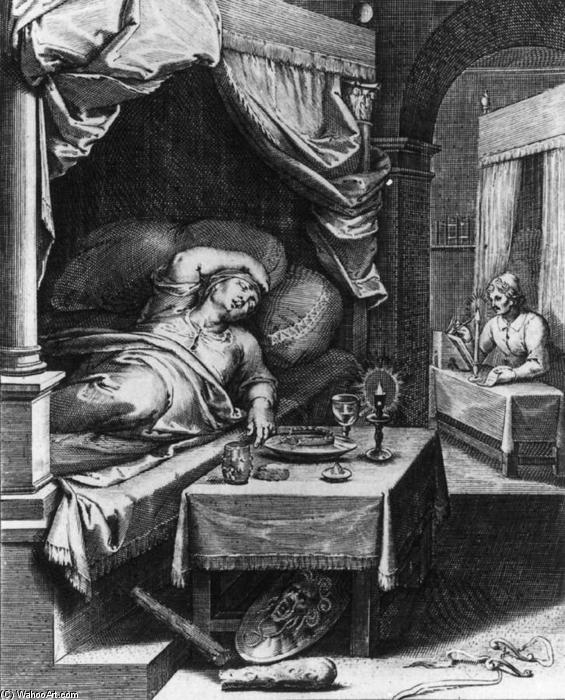
Otto van Veen’s Emblem: A Baroque Meditation on Grief
The engraving “Emblem,” created by Otto van Veen in 1607, stands as a testament to the artistic fervor of the Baroque period—a time marked by dramatic emotion and opulent visual grandeur. More than just a depiction of imagery, it's an immersive experience into the spiritual anxieties of its era, skillfully rendered with meticulous detail and imbued with profound symbolic resonance. This artwork resides within the North Carolina Museum of Art’s collection (Object Number: NCMA 1987.36), offering visitors a glimpse into the artistic sensibilities of Flemish Baroque art. ### Artistic Style and Technique – The Language of Emotion Van Veen's approach to engraving exemplifies the stylistic conventions prevalent during his time. Characterized by thick, expressive linework—primarily hatching and cross-hatching—the artist prioritizes conveying emotion over strict realism. Unlike Renaissance artists who sought idealized representations, Baroque painters like Van Veen embraced dramatic chiaroscuro (light and shadow), amplifying visual impact and fostering a palpable sense of sorrow. The engraving utilizes a burin tool to carve lines into a metal plate, transferring ink onto paper with remarkable precision—a technique that allowed for nuanced tonal gradations and heightened textural qualities. This careful execution contributes significantly to the artwork’s overall mood and reinforces its thematic concerns. ### Historical Context – Faith Amidst Turbulent Times “Emblem” emerged during a period of intense religious upheaval in Europe, specifically within the Low Countries. The Protestant Reformation had irrevocably fractured Christendom, sparking conflicts between Catholic and Protestant factions. Van Veen's artistic milieu was profoundly influenced by this turbulent landscape; he worked alongside humanist thinkers like Dominicus Lampsonius and Jean Ramée who championed classical learning and challenged traditional dogma. This intellectual climate fostered a preoccupation with mortality—a central theme explored in “Emblem”—reflecting anxieties about divine judgment and the fragility of human existence. The engraving’s solemn composition speaks to the spiritual fervor of its time, mirroring broader societal concerns regarding faith and morality. ### Symbolism – Death, Mourning, and Divine Lamentation The artwork's visual elements are laden with symbolic significance. At its core lies a reclining figure—likely representing Christ—surrounded by attendants who convey grief and sorrow. The opulent drapery and furnishings serve as emblems of wealth and status, yet simultaneously underscore the pervasive atmosphere of loss. The pyramidal structure of the image draws the viewer’s gaze upwards towards the central figure, emphasizing spiritual contemplation. Furthermore, the scene evokes themes of biblical lamentation—a common motif in Baroque art—reflecting a belief in divine compassion amidst human suffering. Each carefully positioned element contributes to the artwork's overarching narrative and invites viewers to contemplate profound existential questions. ### Emotional Impact – A Window into Baroque Soul Ultimately, “Emblem” succeeds in capturing the emotional intensity characteristic of Baroque art. The dramatic lighting casts deep shadows that heighten the mood of despair, while the meticulous linework conveys a palpable sense of sorrow and solemnity. Viewing this engraving is akin to stepping into a darkened chapel—a space designed for contemplation and reverence. It’s an artwork that transcends mere visual representation; it communicates profound spiritual truths through masterful technique and evocative imagery. Like Gerard Seghers' “Christ and the Penitent Sinners,” (NCMA 1987.36), “Emblem” exemplifies the Baroque preoccupation with conveying emotion and exploring themes of faith and mortality—a legacy that continues to inspire artists and collectors today.კითხვები და პასუხები
რა ზომაშია რეკომენდებული "Emblem"-ის ბეჭდვა?
"Emblem"-ის ბეჭდვისთვის რეკომენდირებულია Large ზომა. ასევე ხელმისაწვდომია სხვა ზომები იგივე პროპორციებით.
რა ფერი დომინირებს ოტო فان ვინ-ის „Emblem“ კომპოზიციაში?
Phthalo Green (#252525) არის ოტო فان ვინ-ის „Emblem“-ის დომინანტური ფერი.
რა მასალისგან არის შექმნილი "Emblem"?
ოტო فان ვინ-ის „Emblem“-ის ტექნიკა არის Engraving. რეპროდუქციების მიზანია ამ ტექნიკის ვიზუალური მხარის ზუსტი გადმოცემა.
მხატვრის ბიოგრაფია
სიცოცხლე რენესანსსა და ბაროკოს შორის: ოტო ვან ვენის სამყარო
ოტო ვან ვენი, სახელი, რომელიც მე-16 საუკუნის ბოლოსა და მე-17 საუკუნის დასაწყისის ხელოვნების ექოს ასხივებს, ხელოვნების ისტორიაში მომხიბვლელ ადგილს იკავებს. იგი დაიბადა დაახლოებით 1556 წელს ლეიდენში, ნიდერლანდებში, გამორჩეულ ოჯახში — მისი მამა ბურგომესტრი იყო — ვან ვენის ცხოვრება ცვალებადი ერთგულებებისა და მხატვრული ევოლუციის ქრონიკა აღმოჩნდა. რელიგიურმა დაძაბულობამ, რომელმაც მისი ახალგაზრდობისას დაბალ ქვემოთსring-ებს მოიცვა, საფუძვლიანად განსაზღვრა მისი ბედისწერა. 1572 წელს ოჯახის გადასახლება ანტვერპენში, რაც მათი კათოლიკური რწმენით იყო განპირობებული პროტესტანტობის მზარდი ტალღის ფონზე, არა მხოლოდ გეოგრაფიული ცვლილება, არამედ მისი ინტელექტუალური და მხატვრული ფორმირების გარდამტეხი მომენტი აღმოჩნდა. ამ გადასვლამ მას საშუალება მისცა, დაუკავშირებოდა ისეთ გავლენიან ფიგურებს, როგორიცაა დომინიკუს ლამპსონიუსი და ჟან რამე, რითაც საფუძველი ჩაეყარა ჰუმანისტურ იდეებსა და კლასიკურ სწავლებებზე დაფუძნებულ კარიერას. მისი შემდგომი მოგზაურობა რომში, დაახლოებით 1574 ან 1575 წლებში, გადამწყვეტი აღმოჩნდა; იტალიური რენესანსის გულში ჩაფლული, მან შეითვისა ის სტილისტური ნიუანსები, რაც მის მომწიფებულ შემოქმედებას განსაზღვრავდა — ელეგანტურობა, დახვეწილი კომპოზიციები და მანერიზმისთვის დამახასიათებელი იდეალიზებული ფორმების აქცენტი. მისი რომის სწავლების ზუსტი მასშტაბები დღემდე სადავოა, თუმცა მისი გავლენა უდავო რჩება.პატრონაჟი, პედაგოგიკა და ოსტატის ფორმირება
იტალიიდან დაბრუნების შემდეგ, ვან ვენი სწრაფად დამკვიდრდა, როგორც მოთხოვნადი ხელოვანი. მისმა ნიჭმა უზრუნველყო მისი პოზიცია ბრიუსელში, პარმის ჰერცოგისა და სამხრეთ ნიდერლანდების გუბერნატორის, ალექსანდრე ფარნესეს სამეფო მხატვრის სტატუსით. ამ პატრონაჟმა მას არა მხოლოდ ფინანსური სტაბილურობა, არამედ წვდომა უზრუნტესწა დახვეწილ მხატვრულ გარემოსთან და მასშტაბური შეკვეთების შესაძლებლობა. 1593 წელს იგი ანტვერპენის წმინდა ლუკას გილდიის ოსტატად აღიარეს, რამაც მისი პროფესიული სტატუსი განამტკიცა. თუმცა, ვან ვენის მემკვიდრეობა ბევრად სცილდება მის საკუთარ ტილოებს; იგი განუყოფლად არის დაკავშირებული ხელოვნების ისტორიის ერთ-ერთი ყველაზე აღსანიშნავი ოსტატის, პიტერ პაულ რუსენსის კარიერასთან. დაახლოებით 1594 ან 1595 წლიდან 1598 წლამდე, ვან ვენი რუსენსის მასწავლებელი იყო, რომელმაც ახალგაზრდა ხელოვანს მკაცრი კლასიკური განათლება და ჰუმანისტური პრინციპების ღრმა აღფრთოვანება ჩადო. ეს მენტორობა გადამწყვეტი იყო რუსენსის ინტელექტუალური ჩარჩოსა და მხატვრული სენსიტიურობის ჩამოყალიბებაში, რამაც საფუძველი ჩაუყარა მის მომავალ ტრიუმფებს. ვან ვენი მხოლოდ ტექნიკურ უნარებს კი არ გადასცემდა, არამედ ავითარებდა მსოფლმხედველობას, რომელიც ხაზს უსვამდა ხელოვნების, ლიტერატურისა და ფილოსოფიის ინტეგრაციას — რაც თავად რუსენსის მრავალფეროვანი შემოქმედების ნიშანი გახდა. ამ პერიოდში ვან ვენი ასევე ასრულებდა მრავალ რელიგიურ შეკვეთას, აფორმებდა ეკლესიებს ალტარებისა და კაპელებით, რაც მის მრავალმხრივობასა და საიმედო ხელოვანად ცნობილ რეპუტაციას ადასტურებდა.მანერიზმული სენსიტიურობა და ემბლემების ენა
ვან ვენის მხატვრული სტილი მყარად არის ფესვგადგმული მანერიზმში — ეს არის ესთეტიკა, რომელიც ხასიათდება დაგრძელებული ფიგურებით, დახვეწილი პოზებით, რთული კომპოზიციებითა და ნატიფი პალიტრით. მისი ნამუშევრები ხშირად ასხივებენ ელეგანტურობისა და ინტელექტუალური ჭვრეტის აურას. იგი ცნობილი იყო როგორც pictor doctus – სწავლილი მხატვარი – და ეს აღნიშვნა ასახავს მის ერთგულებას ჰუმანისტური თემების შემოტანისადმი თავის ნამუშევრებში. გარდა ფერწერისა, ვან ვენმა მნიშვნელოვანი წვლილი შეიტანა ემბლემური წიგნების მზარდ სფეროში — პოპულარულ ჟანრში, რომელიც აერთიანებდა გამოსახულებასა და ტექსტს მორალური და ფილოსოფიური გზავნილების გადასაცემად. მისი ნაშრომები, როგორიცაა Quinti Horatii Flacci Emblemata (1607), Amorum Emblemata (1608) და Amoris Divini Emblemata (1615), ამ ფორმის ბრწყინვალე მაგალითებია, რაც წარმოაჩენს მის ნიჭს როგორც ხელოვანისა და მეცნიერის. განსაკუთრებით Amorum Emblemata მოიპოვა ფართო გავლენა, რადგან იგი სამოდელოდ იქცა შემდგომი ემბლემური წიგნებისთვის და შთაგონების წყაროდ იქცა სხვადასხვა დისციპლინის წარმომადგენლებისთვის. მასში კლასიკური ლიტერატურისა და მითოლოგიის სცენების აღმწერი პუტტების გამოსახულებები, იუმორისტული ლოზუნგებით, ზუსტად ასხივებდა რენესანსული ჰუმანიზმის სულს და სიყვარულისადმი — როგორც მიწიერისა და ღვთიერისა — აღფრთოვანებას.მოგვიანებითი წლები და მარადიული გავლენა
მაშინაც კი, როდესაც მხატვრული გემოვნება ბაროკოს დინამიკისკენ დაიწყო გადასვლა, ვან ვენი წარმატებას აგრძელებდა. იგი ინარჩუნებდა კავშირებს არქდუგეს ალბერტსა და ისაბელასთან, თუმცა ოფიციალური სამეფო თანამდებობის გარეშე. ამ პერიოდის მნიშვნელოვანი პროექტი იყო თორმეტი ტილოს სერია, რომელიც გამოსახავდა ბრძოლებს რომაელებსა და ბატავებს შორის; ეს შეკვეთილი იყო ჰოლანდიის ზოგად შტატების მიერ და ეფუძნებოდა მის მიერ ადრე შექმნილ გრავიურებს. ეს პროექტი მოწმობს მის უნარს, მოერგოს ცვალებად პოლიტიკურ ლანდშფატს და შეასრულოს მრავალფეროვანი მხატვრული მოთხოვნები. მთელი თავისი კარიერის განმავლობაში, ვან ვენი აქტიურად იყო ჩართული ანტვერპენის მხატვრულ საზოგადოებაში. იგი წარმოშობით ხელოვანთა ოჯახიდან იყო; მისი ძმა გიზბერტი წარმატებული გრავიორი იყო, ქალიშვილი გერტრუდი ასევე მხატვრობით იყო დაკავებული, ხოლო რამდენიმე დისშვილი პასტელისტად მუშაობდა. ოტო ვან ვენი ბრიუსელში, 1629 წელს გარდაიცვალა, დატოვა მემკვიდრეობა, რომელიც მის საკუთარ შემოქმედებაზე ბევრად უფრო ფართო იყო. ცნობილმა ჰოლანდიელმა ხელოვნების ისტორიკოსმა, არნოლდ ჰაუბრაკენმა, იგი თავისი ეპოქის ყველაზე შთამბეჭდავ ხელოვანად და მეცნიედად აღიარა. მისი მარადიული მნიშვნელობა მდგომარეობს არა მხოლოდ მის პირად მიღწევებში, არამედ მის გადამწყვეტ როლში, როგორც მასწავლებელს — განსაკუთრებით პიტერ პაულ რუსენსისთვის — და მის წვლილში ეპოქის ინტელექტუალურ და მხატვრულ ნაკადებში. იგი რჩება შთამბეჭდავ ფიგურად, რომელიც აკავშირებს რენესანსსა და ბაროკოს პერიოდებს, განასხივებს ჰუმანისტური ხელოვანის იდეალებს და წარუვალ კვალს ტოვებს ფლამენდური ფერწერის ისტორიაში.
ოტო فان ვინ
1556 - 1629 , ნიდერლანდები
მოკლე ფაქტები
- Artistic Movement Or Style: მანერიზმი
- Artists Or Movements Influenced By This Artist: ['პიტერ პაულ რუბენსი']
- Artists Who Influenced This Artist: ['ფედერიკო სუკიარი']
- Date Of Birth: 1556
- Date Of Death: 1629
- Full Name: ოტო فان ვინ
- Nationality: ფლამენდიელი
- Notable Artworks:
- ბატავების გამარჯვება რომაელებზე
- მშვიდობის მოლაპარაკებები
- ბრინო ფარზე აყვანილი
- Amorum Emblemata
- Place Of Birth: ლეიდენი, ნიდერლანდები
მსგავსი სტატიები

რემბრანდტის 25 შედევრი: ხელოვნების ისტორია თქვენს სახლში | OriginalUniqueArt
აღმოაჩინეთ რემბრანდტის 25 უნიკალური შედევრი! ოქროს ხანის ბაროკო ხელოვნება, ავტოპორტრეტები და ღამის თვალთუმაჩვილი – OriginalUniqueArt.com-ზე. შეიძინეთ მუზეუმის ხარისხის რეპროდუქციები სახლის დეკორისთვის. Explore the full collection online!

ბაროკოს დიდებულება: დრამა, მოძრაობა და ემოცია მე-17 საუკუნის ხელოვნების შედევრებში
აღმოაჩინეთ ბაროკოს დრამატული სამყარო და ოსტატობის საიდუმლოები. დაიწყეთ მოგზაურობა ხელოვნების ისტორიაში ახლავე.
Engraving's Golden Age: 10 Masterpieces That Redefined Art | OriginalUniqueArt
Journey through art history with our Top 10 Legendary Engravings! Explore masterpieces by Dürer, Rembrandt & Goya. Discover the stories behind these iconic prints and find museum-quality reproductions for your home at OriginalUniqueArt.com.

Baroque Classicism: The Grandeur of Order and Drama in 17th-Century Art History
Explore the profound elegance of Baroque Classicism. Discover how 17th-century masters synthesized dramatic emotion with classical order through the lens of the Counter-Reformation and the works of legends like Carlo Maratta and Andrea Sacchi.
Masterpieces of the 17th Century: Art, History & Decor Inspiration | OriginalUniqueArt
Journey through 17th century art with masterpieces by Rembrandt, Vermeer & Caravaggio. Explore Baroque paintings, Dutch Golden Age techniques & timeless beauty. Find museum-quality reproductions and elevate your home decor on OriginalUniqueArt.com.