

 წინასწარი ნახვა
 გაგზავნა
 გაზიარება
 დეტალები

 ჩამოტვირთვა
 მსგავსები
 რენტგენოგრაფიული კვლევა
 სლაიდშოუ
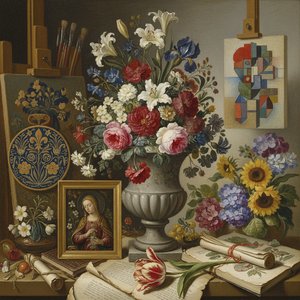
White Vase with Flowers


 გადასართად დაწვრილებით ნახეთ
გიკლე / ხელოვნების პრინტი
მუზეუმის დონის ჟიკლე ან ტილოზე ბეჭდვა სწრაფი წარმოებისა და დასრულების მოქნილი ვარიანტებით. ( შეიძინეთ ხელით შესრულებული ნახატი შეიძინეთ გამოსახულება)




P118B $10

P118H $10

P118W $10

P438Z $10

P508JH $12

P508YH $12

P805H $10

P805Z $10

P919BZ $10

P919G $10

P919XJ $10

P959ZH $10

P968JZ $12

W106C $8

W218G $10

W218JH $8

W218Y $10

W307PJ $10

W316G $10

W316PJ $8

W316Y $10

W398PJ $8

W4111J $10

W500HY $15

W500JH $15

W692G $12

W849H $8

W940BG $15

W953PJ $8




აირჩიეთ ჩვენს მიერ წინასწარ განსაზღვრული ზომებიდან, რომლებიც ნაწარმოების ორიგინალურ პროპორციებს შეესაბამება.

თქვენ შეგიძლიათ მიუთითოთ საკუთარი ზომები კონკრეტული ჩარჩოსთვის ან სივრცისთვის მოსარგებლებლად. თუ თქვენ მიერ არჩეული ზომა არ შეესაბამება ორიგინალი გამოსახულების პროპორციებს, ჩვენ ან დავჭრით ნამუშევარს, ან გავაფართოვებთ გამოსახულებას სარკული ან ერთფეროვანი კიდეებით. წარმოების დაწყებამდე თქვენს დასამტკიცებლად გამოგეგზავნებათ ციფრული მაკეტი.
გთხოვთ, გაითვალისწინოთ, რომ ეკრანზე ნაჩვენები წინასწარი ნახვა არ ასახავს რეალურ ჭრას ან გაფართოებას. მხოლოდ მაკეტზე იქნება ზუსტად წარმოდგენილი საბოლოო კომპოზიცია.
მიუხედავად იმისა, რომ ინდივიდუალური ზომები ხელმისაწვდომია, ორიგინალური პროპორციების შესანარჩუნებლად გირჩევთ, აირჩიოთ ზომა წინასწარ განსაზღვრული სიისგან.
მიწოდება მთელ მსოფლიოში () 2 კვირაში, სტანდარტული 4/5 კვირის ნაცვლად. (5 სექტემბერი)

უფასო ექსპრეს მიწოდება მთელ მსოფლიოში

საბამად მაღალი ხარისხის ტილო

სრული ტრანსპორტირების დაზღვევა

საბაჟო გადასახადების დაბრუნების გარანტია

ფერების სრული შესაბამისობის გარანტია

60-დღიანი დაბრუნების პოლიტიკა (მხოლოდ დეფექტის შემთხვევაში)

100% თანხის დაბრუნების გარანტია

ფასდაკლება დიდი რაოდენობით შეკვეთისას
 მინის ჩარჩოს არჩევანი ხელმისაწვდომია მხოლოდ 110 სმ-ზე ნაკლები ზომისთვის

White Vase with Flowers
გიკლე / ხელოვნების პრინტი
რეკლამაციის ზომა
-


საბოლოო ფასი
$ 80
A Portal to the Subconscious: The Luminous World of Odilon Redon
To step before Odilon Redon’s White Vase with Flowers is to leave the tangible world behind and enter a realm where the boundaries between reality and dream dissolve. Created in 1916, during the twilight of the artist's life, this masterpiece serves as a breathtaking testament to the Symbolist movement. Unlike the academic realists of his era who sought to replicate the physical world with clinical precision, Redon aimed to translate the intangible—the whispers of the subconscious and the ephemeral nature of thought—onto the surface of his medium. In this particular work, the artist moves away from the shadowy, monochromatic "noirs" of his earlier career, embracing a vibrant, jewel-like palette that radiates with an almost spiritual light.
The composition centers on a pristine white vase, a vessel of purity that anchors the swirling kaleidoscope of botanical life. Within this arrangement, a symphony of colors performs a silent dance; bright yellow daisies offer a sense of joy and optimism, while deep red roses pulse with the intensity of passion and profound emotion. Interspersed among these are delicate blue and purple blooms, creating a rhythmic movement that guides the eye through a lush, dreamlike landscape. The technique, primarily utilizing the soft, powdery texture of pastels, allows for a unique layering of hues. This method creates a diffused, ethereal glow, as if the light itself is emanating from within the petals rather than falling upon them from an external source.
Symbolism and the Alchemy of Color
For the discerning collector or interior designer, the true allure of this piece lies in its profound emotional intelligence. Redon was a master of using color as a psychological tool. In White Vase with Flowers, the "warm" spectrum of oranges, yellows, and reds acts as an emotional anchor, evoking high-intensity feelings of vitality and warmth. These are balanced by the cooler, more mysterious tones of violet and deep blue, which introduce a sense of contemplative depth and mystery. This deliberate tension between light and shadow, warmth and coolness, mirrors the human experience—the constant interplay between our conscious joys and our deeper, more enigmatic anxieties.
The flowers themselves are not merely botanical specimens; they are symbols of the fleeting beauty of existence. Through his mastery of light and color, Redon achieves what he famously described as placing "the logic of the visible at the service of the invisible." The vase becomes a metaphor for the soul, containing a wild, untamed garden of imagination. For those looking to curate a space that inspires introspection and tranquility, this artwork offers more than mere decoration; it provides a window into a higher state of being, making it an incomparable centerpiece for any sophisticated collection or thoughtfully designed interior.
მხატვრის ბიოგრაფია
ხილვადს მიღმა არსებული სამყარო: ოდილონი რედონის ენიგმატური ხელოვნება
ოდილონი რედონი, რომელიც 1840 წელს საფრანგეთში, ბორდოში დაიბადა (სახელად ბერტრან-ჟან რედონი), იყო მხატვარი, რომლის მთელი შემოქმედება წარმოსახვისა და სიზმრის უხილავი სამყარეოების მატერიალურ ფორმად გარდაქმნას ემსახურებოდა. მისი შემოქმედებითი გზა არა დიდ ამბიციებს, არამედ მშვიდ დაკვირვებას ეფუძნებოდა; ათი წლის ასაკში მან ხატვის პრიზი მოიგო — რაც წინასწარმეტყველური ნიშანი იყო იმ ვიზუალური სენსიტიურობისა, რომელიც მის მთელ ცხოვრებას განსაზღვრავდა. მიუხედავად იმისა, რომ ოჯახური მოლოდინების გამო თავდაპირველად არქიტექტურისკენ მიიყვანეს, რედონის ჭეშმარიტი მოწოდება სხვაგან მდებარეობდა. მას ეს გზა ჟან-ლეონ ჟერომისა და, რაც ყველაზე მნიშვნელოვანია, როდოლფ ბრესდინის სწავლებებმა გაუნათეს, რომელთაც დაეხმარნენ ეტჩინგისა და ლითოგრაფიის რთულ ხელოვნებაში დახვეწილობაში. ეს ტექნიკები საფუძვლად დაედო მის ადრეულ კვლევებს და საშუალება მისცა, შეერკვა ჩრდილოვან ფიგურებსა და ბუნდოვან ფორმებში დამალულ სამყადმოში, რამაც მოგვიანებით აკადემიური რეალიზმის ალტერნატივის მაძიებელთაც კი მოხიბლა. საფრანგეთ-პრუსეთის ომმა რედონის ცხოვრება დროებით შეაფერხა და მას სამხედრო სამსახურში გაატარა, თუმცა სწორედ პარიზში დაბრუნების შემდეგ დაიწყო მისი მხატვრული ხედვის ნამდვილი ფორმირება.სიმბოლიზმის დაბადება: „ნუარები“ და ადრეული ხედვები
რედონის ადრეული კარიერა ხასიათდებოდა შეგნებული დისტანცირებითte დომინანტური მხატვრული ტენდენციებისგან. იგი არ ცდილობდა ხილვადი სამყაროს რეპლიკაციას, არამედ ცდილობდა გამოეყვანა მისი ფარული ნაკადები — შფოთვა, სურვილი და სულიერი ლტოლვა, რომლებიც ყოველდღიურობის ზედაპირს მიღმა იმალება. ამან წარმოშვა მისი სახელovანი „ნუარების“ (noirs) სერია — მონოქრომული ნამუშევრები, შესრულებული ნახშირით და ლითოგრაფიით. ეს არ იყო მხოლოდ სიბნელის შესწავლა; ეს იყო ქვეცნობიერის კვლევა, რომელიც სავსე იყო უცნაური არსებებით, დაუღუპავი თვალებითა და მობნელებული ნისლისგან ამოსული გამჭრელი ფიგურებით. აქ აშკარა არის ისეთი მწერლების გავლენა, როგორებიცაა ედგარ ალან პო და შარლ ბოდლერი — საერთო გატაცება მაკაბრულით, მისტიკითა და შთაგონების ძლიერებით. ეს ნამუშევრები მაშინვე არ იქნა აღიარებული; რედონი წლების განმავლობაში ნაკლებად ცნობილი დარჩა. თუმცა, გადამწყვეტი მომენტი 1884 წელს დადგა ჟორის-კარლ ჰუისმანის რომანთან *„À rebours“* (წინააღმდეგ ბუნებისა) დაკავშირებით, სადაც დეკადენტმა არისტოკრატმა დე ესეინტესმა რედონის ნახატებს მხარი დაუჭირა, რამაც მომენტალურად აამაღლა მისი სტატუსი ავანგარდულ წრეებში. ამ აღიარებამ რედონს საშუალება მისცა, განვითარებულიყო საკუთარ უნიკალურ ენაში, რომელსაც იგი აღწერდა, როგორც ბუნდოვანს და განუწარმოებელს, რაც „მუსიკის მსგავსად, ჩვენ დაგვსვამს დაუზუსტებელი და неоგანსაზღვრელი სფეროს“.ფერების გამოღვიძება: მონოქრომიდან დინამიკურ ექსპრესიამდე
მიუხედავად იმისა, რომ „ნუარებმა“ რედონი სიმბოლიზმის მნიშვნელოვან ძალად აქციეს, 1890-იან წლებში მის ხელოვნებას რამგვარი ტრანსფორმაცია გადაჰკვეთა. მან დაიწყო ფერების გამოყენება — ჯერ პასტელებით, შემდეგ კი ზეთებით — რაც მის კომპოზიციებს ახალ სიცოცხლესა და სინათლეს სძენდა. ეს ცვლილება მხოლოდ ტექნიკური არ ყოფილა; ის ასახავდა მხატვრის შიდა ემოციური ლანდშაფტის განვითარებას. ადრეული ნამუშევრები ხშირად მელანქოლიისა და იზოლაციის შეგრძნებით იყო გაჯერებული, თუმცა გვიანდელი ტილოები აჩვენებს მზარდ ინტერესს მითოლოგიის, ბუდიზმისა და იაპონური ხელოვნების მიმართ — *იაპონური სტილი* (Japonism) მის შემოქმედებაზე უდიდესი გავლენა იქონია. ისეთი ნამუშევრები, როგორიცაა *„ბუდას სიკვდილი“* (1899), მოწმობს ამ აღფრთოვანებას აღმოსავლური სულიერების მიმართ, ხოლო ბარონ რობერ დომესის მიერ მისი სასახლისთვის შეკვეთილი ნამამ demonstrera რედონის უნარს, დეკორატიული ელემენტები სიმბოლურ გამოსახულებებთან შეეჯერებინა. ბარონესა დე დომესისა და მისი ქალიშვილის, ჟენის პორტრეტები ამ პერიოდის განსაკუთრებით შთამბეჭდავი მაგალითებია, რომლებიც აფიქსირებს არა მხოლოდ ფიზიკურ მსგავსებას, არამედ შინაგანი ცხოვრებისა და ფსიქოლოგიური სიღრმის განცდასაც. რედონი თავის ხელოვნებაში იკვლევდა შინაგან გრძნობებსა და ფსიქიკას, რათა მიეღწია მიზნამდე: „ხილვადი უხილავის სამსახურში დაგვსვას“.მემკვიდრეობა და გავლენა: სურრეალიზმის წინამორბენი
ოდილონი რედონის გავლენა ხელოვნების სამყაროზე საკუთარ ეპოქაზე ბევრად მეტია. 1903 წელს იგი „ლეგიონის ორდენით“ დაჯილდოვდა, ხოლო მისი შემოქმედება უფრო ფართო აღიარება მოიპოვა 1913 წლის ნიუ-იორკის „Armory Show“-ის გამოფენებზე. თუმცა, მისი ჭეშმარიტი მნიშვნელობა მხოლოდ 1916 წელს, სიკვდილის შემდეგ გახდა სრულად აშკარა. რედონის კვლევამ სიზმრების, ქვეცნობიერისა და ირაციონალურობის თემებზე საფუძველი ჩაუყარა სურრეალიზმს და შთაგონების წყაროდ იქცა მარსელ დუშამპისა და მაქსერ ერნსტის მსგავსი ხელოვანებისთვის. მისი აქცენტი სუბიექტურ გამოცდილებასა და ემოციურ ექსპრესიას ექსპრესიონისტულ მხატვრებზეც მოახდინა გავლენა. იგი არ ახდენდა მხოლოდ იმის გამოსახვას, რასაც ხედავდა; იგი ვიზუალიზაციას უკეთებდა იმას, რასაც გრძნობდა — პრინციპს, რომელიც დღესაც შთაგონების წყაროა. რედონის მემკადვე არის მხატვრული სიმამაცის, ბუნდოვანების მიღების მზაობისა და იმ ღრმა რწმენისა, რომ ხელოვნებას ადამიანური გამოცდილების ფარული განზომილებების გამოვლენის ძალა გააჩნია. მისი ნახატები უარყოფდნენ კლასიფიკაციას და შემოიტანეს ფანტასტიკური გამოსახულებების უნიკალური ტიპი, რომელიც შობილი იყო სენითა და დელირიუმით, თუმცა ყოველთვის სავსე იყო გამჭრელი სილამაზით.ძირითადი მახასიათებლები და თემები
- სიმბოლიზმი: რედონი სიმბოლისტური მოძრაობის ცენტრალურ ფიგურად მიიჩნევა, რომელიც რეალისტურ რეპრეზენტაციაზე ემოციურ და სულიერ გამოხატვას ამჯობინებდა.
- სიზმრისეული გამოსახულებები: მისი ნამუშევრები ხშირად ხასიათდება ფანტასტიკური არსებებით, ბუნდოვანი ლანდშაფრებითა და სცენებით, რომლებიც სიზმრის ატმოსფეროს ქმნიან.
- ქვეცნობიერის კვლევა: რედონი იკვლევდა შფოთვის, სურვილისა და ადამიანის ფსიქიკის ფარული სიღრმეების თემებს.
- ლიტერატურისა და მითოლოგიის გავლენა: იგი შთაგონებას იღებდა ისეთი მწერლებისგან, როგორებიცაა პო და ბოდლერი, ასევე აღმოსავლური რელიგიებისა და მითოლოგიიდან.
- ტექნიკური ინოვაცია: რედონის ოსტატობა ლითოგრაფიაში და ფერების ინოვაციური გამოყენება პასტელებსა და ზეთებში გადამწყვეტი იყო მისი მხატვრული ხედვისთვის.

ოდილონი რედონი
1840 - 1916 , საფრანგეთი
მოკლე ინფორმაცია
- Artistic Movement Or Style: სიმბოლიზმი
- Artists Or Movements Influenced By This Artist: ['სურრეალიზმი']
- Artists Who Influenced This Artist:
- ჟან ლეონი გერომე
- როდოპჰ ბრესდინი
- Date Of Birth: 1840 წელი
- Date Of Death: 1916 წელი
- Full Name: Odilon Redon
- Nationality: ფრანგილია
- Notable Artworks: ['სამთავარი ნაწავები']
- Place Of Birth: ბორდო და França
დაკავშირებული სტატიები

White on Canvas: 10 Masterpieces & Timeless Elegance for Your Home Decor
Explore 10 iconic white paintings by Monet, Whistler & Rothko! Discover the stories behind these serene masterpieces and their impact on art history. Find museum-quality reproductions for your home decor at .

The Subtleties of Pastel: A Comprehensive Exploration of Technique, History & Emotional Resonance
Explore the captivating world of pastel art! Discover its rich history, Impressionistic masters like Degas, emotional power & unique techniques. Find museum-quality reproductions at OriginalUniqueArt.
The Soft Power of Pastel: A Connoisseur's Guide to History, Technique, and the Art of Texture
Explore the ethereal beauty of pastel art. From Renaissance origins to Impressionist mastery, discover the history, technique, and velvety textures that define this luminous medium in our expert guide for art connoisseurs.

Blossoms of Time: A Historical & Aesthetic Exploration of Floral Painting Across Cultures
Explore the rich history of floral painting! Discover symbolism, techniques & masterpieces from Van Huysum to O'Keeffe. Expert insights for art lovers & collectors at OriginalUniqueArt.
Blossoming Symbolism: A Historical Journey Through Flowers in Western Painting
Explore the rich history of flower symbolism in Western painting! Discover how artists from the Renaissance to Modernism used blossoms to convey meaning, emotion & beauty. Learn about iconic artworks and movements.


