- მთავარი გვერდი

- ციფრული გამოსახულება
- ოდილონი რედონი
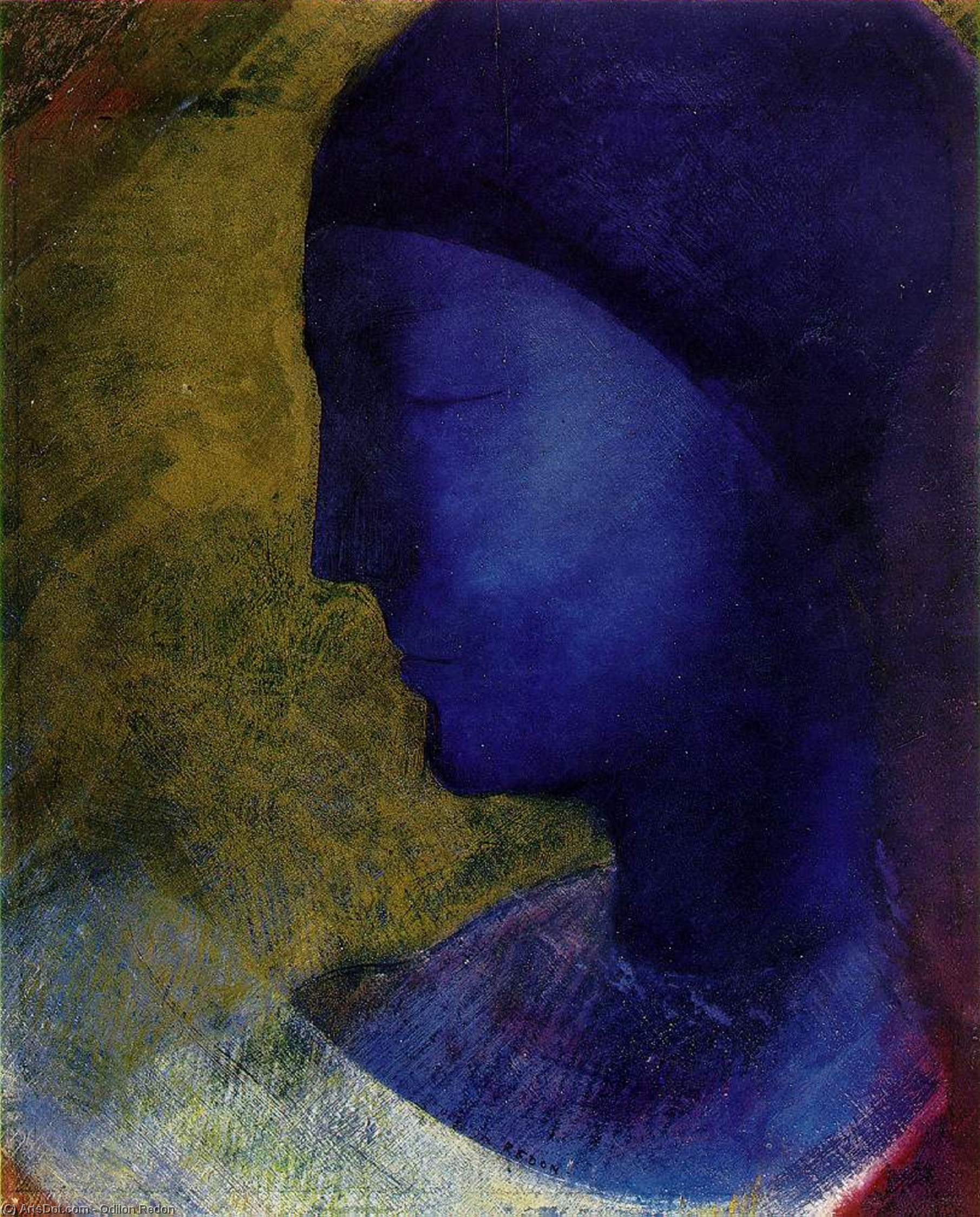
- The Golden Cell
 ნაბეჭდის შეძენა სურათის შეძენა
 გაგზავნა
 გაზიარება
 დეტალები
 დამატება ფავორიტებში

 ჩამოტვირთვა
 მსგავსები
 რენტგენოგრაფიული კვლევა
 სლაიდშოუ
The Golden Cell


 გადასართად დაწვრილებით ნახეთ
შეიძინეთ მაღალი რეზოლუციის, გაუმჯობესებული ციფრული გამოსახულება, რომელიც ხარისხით ბევრად აღემატება ონლაინ წინასწარ ნახვას.
თითოეულ ფაილს ჩვენი შიდა სპეციალისტები საგულდაგულოდ ამზადებენ თანამედროვე ინსტრუმენტებისა და პროფესიონალური რეტუშირების გამოყენებით. ჩვენ უზრუნველყოფთ, რომ თითოეულ გამოსახულებას ჰქონდეს გამორჩეული სიცხადე, ფერების ზუსტი გადაცემა და დეტალიზაცია.
დასრულებული ფაილი ელექტრონული ფოსტით 72 საათში გიგზავნით; იგი ოპტიმიზებულია პროფესიონალური, რედაქციული და პოლიგრაფიული გამოყენებისთვის. ეს არის ისეთივე ხარისხი, რომელსაც წამყვანი დიზაინ-სტუდიები, გამომცემლობები და გალერეები ენდობიან.
ციფრული გამოსახულება
ჩამოტვირთეთ მაღალი გარჩევადობის ფაილი პირადი გამოყენებისთვის, დასაბეჭდად და შემოქმედებითი პროექტებისთვის.
ყოველ ციფრულ გამოსახულების შეკვეთაში შედის
ექსპერტული ციფრული მიწოდება, გარანტირებული
როდესაც ირჩევთ OriginalUniqueArt.com-ს, თქვენ მხოლოდ სურათს კი არ იღებთ, არამედ იღებთ პროფესიონალურად დამუშავებულ ციფრულ ნამუშევარს, რომელიც შექმნილია უზადო სიზუსტით და დაცულია კმაყოფილების გარანტიით. თქვენს შეკვეთას ავტომატურად მოჰყვება შემდეგი:

სწრაფი მიწოდება ელექტრონული ფოსტით
თქვენს მაღალი რეზოლუციის ციფრულ გამოსახულებას ელექტრონული ფოსტით შეკვეთის დაწყებიდან 72 საათში მიიღებთ — ის მზად იქნება დაუყოვნებლივი გამოყენებისთვის.

AI-ით გაუმჯობესებული ციფრული ფაილი
თქვენი ხელოვნების ნიმუშები პროფესიონალურად არის ოპტიმიზებული მოწინავე AI ინსტრუმენტებისა და მექანიკური რედაქტირების მეშვეობით, რაც უზრუნველყოფს მაქსიმალურ დეტალიზაციას, სიცხადესა და ფერების სიზუსტეს.

ციფრული გამოსახულებების უფასო სამუდამო ხელახალი მიღება
ფაილი შემთხვევით წაიშალა ან დაკარგეთ? ნუបედავთ — ჩვენ მას ნებისმიერ დროს, უფასოდ ხელახლა გამოგეგზავნით.

იმპორტის გადასახადების გარეშე — ყოველთვის
ჭიდად ისიამოვნეთ თქვენი ნამუშევრით მყისიერად, საბაჟო გადასახადის, მოსაკრებლის ან მიწოდების ხარჯის გარეშე - ციფრული ჩამტვირთვისას ყოველთვის საგადასახადო თავისუფლებაა.

ფერების სიზუსტის გარანტია
პროფესიონალური ინსტრუმენტებისა და ფერების მართვის სისტემის გამოყენებით, ჩვენ უზრუნველყოფთ, რომ თქვენი ციფრული გამოსახულება მაქსიმალურად ზუსტად ასახავდეს ორიგინალურ ფერებს.

60-დღიანი კმაყოფილების გარანტია
თუ თქვენს ციფრულ გამოსახულებას ვერ დაკმაყოფილებთ, ჩვენ შევირჩევთ მას ან დავაბრუნებთ 100% თანხას 60 დღის განმავლობაში — ყოველგვარი დამატებითი კითხვის გარეშე.

100% თანხის დაბრუნების გარანტია
არ არის თქვენი კმაყოფილების საფუძველი? მიიღეთ თანხის სრული დაბრუნება ციფრული ფაილის მიღებიდან 60 დღის განმავლობაში — ყოველგვარი დამატებითი კითხვის გარეშე.

ფასდაკლება დიდი რაოდენობით შეკვეთაზე
შეიძინეთ 3 გამოსახულება და მიიღეთ 10% ფასდაკლება - შეიძინეთ 5 და მიიღეთ 15% ფასდაკლება - შეიძინეთ 10+-ზე და მიიღეთ 20% ფასდაკლება. იდეალურია კრეატიული პროექტებისთვის, გალერეებისა და სააგენტოებისთვის.
კოლექციონირებადი ნივთის აღწერა
A Glimpse into the Subconscious Mind
Odilon Redon’s The Golden Cell, painted in 1892, is not merely a portrait; it is an invitation into the labyrinthine corridors of the human psyche. The subject—a woman rendered with striking blue tones against a luminous, almost ethereal yellow background—captures a moment suspended between deep thought and quiet revelation. Her downward gaze suggests introspection, as if she is contemplating secrets only visible in the stillness of her own mind. Redon, forever drawn to the unseen realms of imagination, uses this composition to transport the viewer beyond the tangible reality into a space rich with symbolic weight.
Symbolism and the Allure of Blue
The interplay of color is central to the painting's mesmerizing effect. The vibrant blue dominating the woman’s attire and features contrasts sharply yet harmoniously with the radiant yellow ground, creating an immediate visual tension that draws the eye inward. In Symbolist art, such colors often carry profound emotional resonance. Blue frequently speaks to melancholy, spirituality, or mystery, while gold tones suggest enlightenment or a sacred enclosure—the titular "Golden Cell." This juxtaposition hints at a soul contained within a moment of brilliant, yet perhaps isolating, contemplation. The elongated neck adds an almost sculptural quality to the figure, emphasizing her thoughtful detachment from the bustling world outside the canvas.
Mastery in Technique and Style
As a key exponent of Symbolism, Redon eschewed the straightforward narratives of academic art for something more suggestive and dreamlike. While his early work explored etching and lithography, The Golden Cell showcases his painterly ability to evoke atmosphere. The technique allows the edges to soften, blurring the line between solid form and surrounding ether. It is a masterful handling of light against shadow, giving the entire piece an almost phosphorescent quality. For those who appreciate art that whispers rather than shouts its meaning, this work exemplifies the delicate balance between detailed portraiture and pure emotional abstraction.
Creating an Atmosphere for Modern Spaces
For collectors and interior designers alike, The Golden Cell offers more than just aesthetic beauty; it provides a focal point of profound contemplation. Its rich, jewel-toned palette—the deep blues against the warm gold—makes it exceptionally versatile. Imagine this piece anchoring a drawing-room or a study, where its enigmatic presence encourages conversation and quiet reflection. Owning a high-quality reproduction allows one to bring this specific mood of sophisticated mystery into your personal sanctuary, transforming a mere wall into a portal to Redon’s imaginative world.
მხატვრის ბიოგრაფია
Odilon Redon (1840-1916): Between Shadow and Light
Odilon Redon, born Bertrand Jean Redon in Bordeaux, France, on April 20, 1840, was an artist whose life’s work revolved around translating the unseen realms of imagination into tangible form. His artistic journey began not with grand ambition but with quiet observation; at just ten years old he won a drawing prize—a foreshadowing of the visual sensitivity that would define his life’s exploration of the subconscious and dreamlike landscapes. Though initially steered towards architecture by familial expectations, Redon's true calling lay elsewhere, illuminated by instruction from Jean-Léon Gérôme and Rodolphe Bresdin, who recognized his innate talent for etching and lithography—techniques he skillfully mastered early in his career, allowing him to delve into a world of shadowy figures and ambiguous forms that would soon captivate those seeking an alternative to academic realism. The interruption of the Franco-Prussian War briefly diverted his attention from artistic pursuits as he served in the military, but upon his return to Paris—a city brimming with intellectual ferment—his artistic vision truly began to coalesce. ## Early Life and Artistic Training: Seeds of Imagination Redon’s childhood was marked by a peculiar blend of solitude and fascination. Raised primarily by his mother, Odile Redon—an American Creole from New Orleans—he experienced early illness, resulting in epilepsy from the age of four. This fragility instilled in him a profound appreciation for nature and fueled his imaginative spirit—a characteristic that would permeate his entire oeuvre. His father, Bernard Redon, was a businessman who traveled extensively, fostering a cosmopolitan outlook alongside his son’s grounding in Bordeaux’s rural landscape. From eleven onwards, he pursued architectural studies in Paris but ultimately abandoned this path after failing the École des Beaux-Arts entrance exam—a decision that freed him to dedicate himself fully to art. His formative years were enriched by encounters with influential figures like Stanislas Gorin, who instilled in him a love for drawing and watercolor, and Rodolphe Bresdin, who expertly taught him etching and lithography—skills that would become indispensable tools for expressing his visionary ideas. The influence of writers such as Edgar Allan Poe and Charles Baudelaire—artists who shared Redon’s fascination with the macabre and the exploration of psychological depths—is palpable throughout his artistic output. ## The Birth of Symbolism: Monochrome Explorations and Literary Inspiration Redon's artistic breakthrough arrived in 1879 with the publication of *Dans le rêve* (In the Dream)—his first album of lithographs printed by Lemercier—a series that immediately established him as a pivotal figure within the burgeoning Symbolist movement. These monochrome compositions, executed primarily in charcoal and lithography, were not merely studies in darkness; they represented a deliberate rejection of academic realism—instead, Redon sought to evoke emotional responses through subtle gradations of tone and texture. The imagery drawn from Poe’s tales and Baudelaire's poetry—particularly *Les Fleurs du Mal*—demonstrated his profound engagement with literary currents that prioritized mood and symbolism over narrative clarity. His exploration of the subconscious mirrored the anxieties and desires prevalent in Victorian society, reflecting a desire to transcend the limitations of observable reality. The series showcased Redon’s mastery of etching and lithography, techniques he honed under Bresdin's guidance—skills that would prove crucial for conveying his distinctive artistic vision. ## Expanding Horizons: Color and Influence Beyond Monochrome While the “noirs” solidified Redon’s reputation as a Symbolist innovator, his artistic trajectory continued to evolve throughout the 1890s. He began experimenting with pastel and oil paints—introducing color into his palette for the first time—a move that broadened his expressive range and foreshadowed developments in Expressionism and abstraction. His fascination with Japanese art—*Japonisme*—became a significant influence, informing his compositional choices and contributing to his stylistic aesthetic. Redon’s exploration of mythological themes—particularly those rooted in Celtic folklore—revealed an interest in archetypal imagery and spiritual symbolism. Notably, he was awarded the Legion of Honor in 1903—a testament to his growing recognition within Parisian artistic circles—and his work gained international acclaim during the Armory Show of 1913 in New York City—where it captivated audiences with its unsettling beauty and profound psychological depth. His legacy extends beyond his own lifetime, inspiring artists like Marcel Duchamp and Max Ernst to grapple with similar questions about perception and representation. Redon’s unwavering commitment to artistic integrity—his refusal to compromise on his vision—continues to resonate today as a beacon of originality and imaginative exploration.
ოდილონი რედონი
1840 - 1916 , საფრანგეთი
მოკლე ინფორმაცია
- Artistic Movement Or Style: სიმბოლიზმი
- Artists Or Movements Influenced By This Artist: ['სურრეალიზმი']
- Artists Who Influenced This Artist:
- ჟან ლეონი გერომე
- როდოპჰ ბრესდინი
- Date Of Birth: 1840 წელი
- Date Of Death: 1916 წელი
- Full Name: Odilon Redon
- Nationality: ფრანგილია
- Notable Artworks: ['სამთავარი ნაწავები']
- Place Of Birth: ბორდო და França

