- მთავარი გვერდი

- დაბეჭდვა ქანვასზე
- ოდილონი რედონი
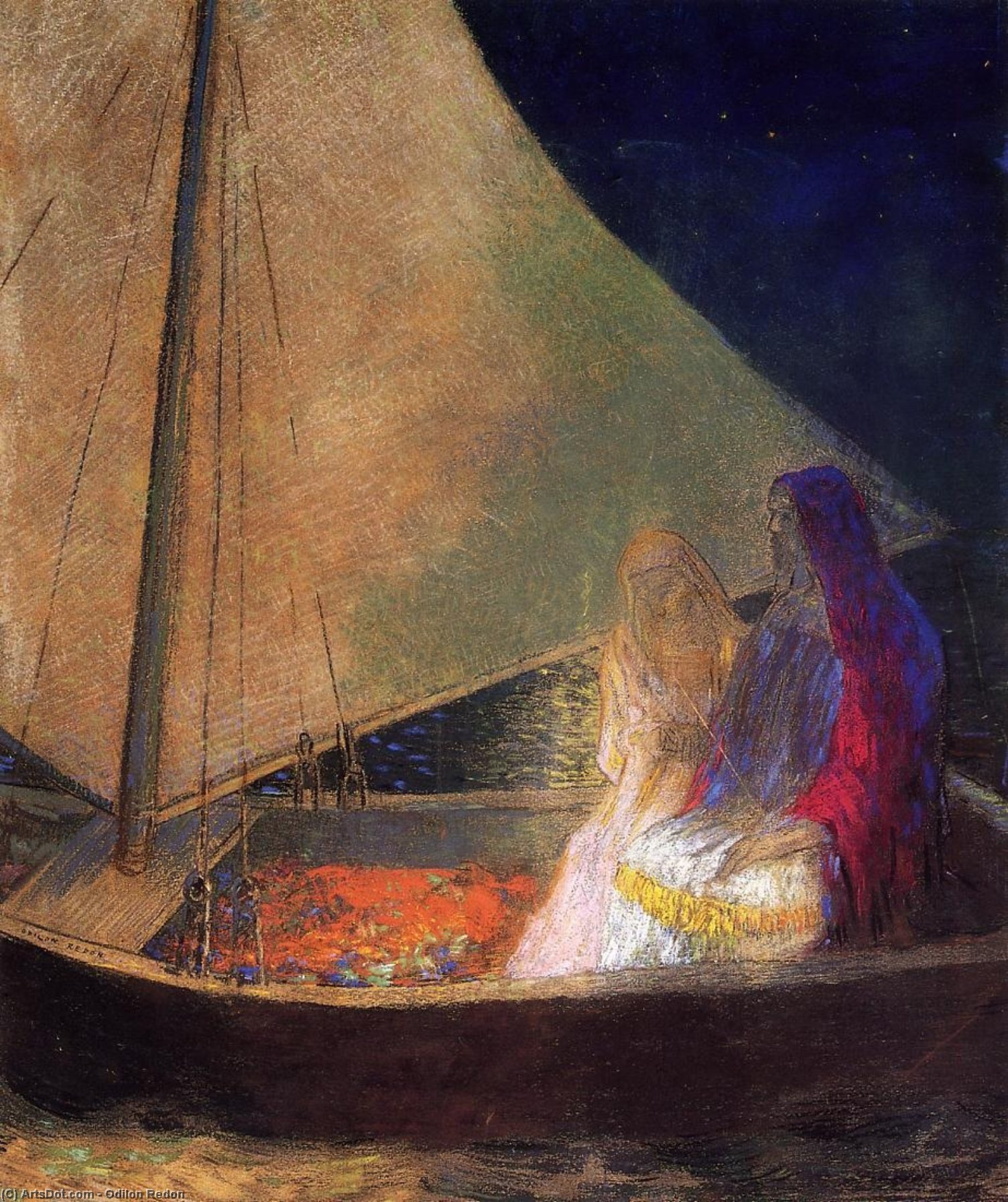
- Boat with Two Figures
 Preview
 სურათის შეძენა გამოსახულების შეძენა
 გაგზავნა
 გაზიარება
 დეტალები
 დამატება ფავორიტებში

 ჩამოტვირთვა
 მსგავსები
 რენტგენოგრაფიული კვლევა
 სლაიდშოუ
Boat with Two Figures
 Painting
- Symbolism
 1902
1902- 19th Century
 61.0 x 51.0 cm
 გადასართად დაწვრილებით ნახეთ
გიკლე / ხელოვნების პრინტი
მუზეუმის დონის ჟიკლე ან ტილოზე ბეჭდვა სწრაფი წარმოებისა და დასრულების მოქნილი ვარიანტებით.




P118B $10

P118H $10

P118W $10

P438Z $10

P508JH $12

P508YH $12

P805H $10

P805Z $10

P919BZ $10

P919G $10

P919XJ $10

P959ZH $10

P968JZ $12

W106C $8

W218G $10

W218JH $8

W218Y $10

W307PJ $10

W316G $10

W316PJ $8

W316Y $10

W398PJ $8

W4111J $10

W500HY $15

W500JH $15

W692G $12

W849H $8

W940BG $15

W953PJ $8




აირჩიეთ ჩვენს მიერ წინასწარ განსაზღვრული ზომებიდან, რომლებიც ნაწარმოების ორიგინალურ პროპორციებს შეესაბამება.

თქვენ შეგიძლიათ მიუთითოთ საკუთარი ზომები კონკრეტული ჩარჩოსთვის ან სივრცისთვის მოსარგებლებლად. თუ თქვენ მიერ არჩეული ზომა არ შეესაბამება ორიგინალი გამოსახულების პროპორციებს, ჩვენ ან დავჭრით ნამუშევარს, ან გავაფართოვებთ გამოსახულებას სარკული ან ერთფეროვანი კიდეებით. წარმოების დაწყებამდე თქვენს დასამტკიცებლად გამოგეგზავნებათ ციფრული მაკეტი.
გთხოვთ, გაითვალისწინოთ, რომ ეკრანზე ნაჩვენები წინასწარი ნახვა არ ასახავს რეალურ ჭრას ან გაფართოებას. მხოლოდ მაკეტზე იქნება ზუსტად წარმოდგენილი საბოლოო კომპოზიცია.
მიუხედავად იმისა, რომ ინდივიდუალური ზომები ხელმისაწვდომია, ორიგინალური პროპორციების შესანარჩუნებლად გირჩევთ, აირჩიოთ ზომა წინასწარ განსაზღვრული სიისგან.
მიწოდება მთელ მსოფლიოში () 2 კვირაში, სტანდარტული 4/5 კვირის ნაცვლად. (23 ივლისი)

უფასო ექსპრეს მიწოდება მთელ მსოფლიოში

საბამად მაღალი ხარისხის ტილო

სრული ტრანსპორტირების დაზღვევა

საბაჟო გადასახადების დაბრუნების გარანტია

ფერების სრული შესაბამისობის გარანტია

60-დღიანი დაბრუნების პოლიტიკა (მხოლოდ დეფექტის შემთხვევაში)

100% თანხის დაბრუნების გარანტია

ფასდაკლება დიდი რაოდენობით შეკვეთისას
 მინის ჩარჩოს არჩევანი ხელმისაწვდომია მხოლოდ 110 სმ-ზე ნაკლები ზომისთვის

Boat with Two Figures
გიკლე / ხელოვნების პრინტი
რეკლამაციის ზომა
-


საბოლოო ფასი
-
საკლექციო აღწერა
The Dreamscape of Companionship: Exploring Odilon Redon's "Boat with Two Figures"
To gaze upon Odilon Redon’s Boat with Two Figures is to step across the threshold into a realm woven from twilight and memory. This painting, executed in 1902, transcends a mere depiction of leisure on the water; it is an intimate meditation on companionship, shared silence, and the enigmatic beauty that resides just beyond the reach of clear daylight. Redon, forever drawn to the unseen currents of the human imagination, captures here not just two women in a boat, but perhaps the very essence of connection itself—a moment suspended between conversation and contemplation.
Symbolism and the Allure of the Submerged World
Redon’s oeuvre is steeped in Symbolist undertones, an artistic language that favored suggestion over statement. In Boat with Two Figures, the water acts as much a psychological space as it is a physical one. The boat itself becomes a fragile vessel carrying two souls adrift on the vast expanse of feeling. Notice the subtle interplay between the figures; while they share this intimate journey, their gazes and postures suggest individual depths. One woman, perhaps highlighted by the suggestion of red in her gown, anchors the composition, while the other drifts slightly into the mystery of the background. These are not portraits of reality, but rather embodiments of emotional states—a quiet dialogue played out against the backdrop of an undefined, dreamlike landscape.
Mastery of Tone and Form
Technically, Redon employs a masterful handling of tone, even when the original work is viewed in monochrome or muted palettes. The composition is balanced by the strong horizontal sweep of the boat contrasting with the verticality of the figures' long dresses. His technique allows the forms to emerge from shadow and suggestion rather than being sharply delineated. This soft focus, characteristic of his later period works, lends an ethereal quality to the scene. For those considering a reproduction for your space, understanding this delicate tonal balance is key; it ensures that the piece will interact with ambient light in a way that mimics its original, haunting luminescence.
A Touch of Fin-de-Siècle Melancholy
Painted at the turn of the 20th century, this work resonates with the lingering spirit of Symbolism—a period grappling with industrial change and the search for deeper meaning. The mood is one of beautiful melancholy; it suggests moments of profound connection that are inherently fleeting. It speaks to the quiet understanding shared between companions who do not need grand gestures to validate their bond. Owning this piece, or a high-quality reproduction thereof, invites a sense of reflective calm into any room, transforming it into a sanctuary for thought and gentle reminiscence.
მხატვრის ბიოგრაფია
Odilon Redon (1840-1916): Between Shadow and Light
Odilon Redon, born Bertrand Jean Redon in Bordeaux, France, on April 20, 1840, was an artist whose life’s work revolved around translating the unseen realms of imagination into tangible form. His artistic journey began not with grand ambition but with quiet observation; at just ten years old he won a drawing prize—a foreshadowing of the visual sensitivity that would define his life’s exploration of the subconscious and dreamlike landscapes. Though initially steered towards architecture by familial expectations, Redon's true calling lay elsewhere, illuminated by instruction from Jean-Léon Gérôme and Rodolphe Bresdin, who recognized his innate talent for etching and lithography—techniques he skillfully mastered early in his career, allowing him to delve into a world of shadowy figures and ambiguous forms that would soon captivate those seeking an alternative to academic realism. The interruption of the Franco-Prussian War briefly diverted his attention from artistic pursuits as he served in the military, but upon his return to Paris—a city brimming with intellectual ferment—his artistic vision truly began to coalesce. ## Early Life and Artistic Training: Seeds of Imagination Redon’s childhood was marked by a peculiar blend of solitude and fascination. Raised primarily by his mother, Odile Redon—an American Creole from New Orleans—he experienced early illness, resulting in epilepsy from the age of four. This fragility instilled in him a profound appreciation for nature and fueled his imaginative spirit—a characteristic that would permeate his entire oeuvre. His father, Bernard Redon, was a businessman who traveled extensively, fostering a cosmopolitan outlook alongside his son’s grounding in Bordeaux’s rural landscape. From eleven onwards, he pursued architectural studies in Paris but ultimately abandoned this path after failing the École des Beaux-Arts entrance exam—a decision that freed him to dedicate himself fully to art. His formative years were enriched by encounters with influential figures like Stanislas Gorin, who instilled in him a love for drawing and watercolor, and Rodolphe Bresdin, who expertly taught him etching and lithography—skills that would become indispensable tools for expressing his visionary ideas. The influence of writers such as Edgar Allan Poe and Charles Baudelaire—artists who shared Redon’s fascination with the macabre and the exploration of psychological depths—is palpable throughout his artistic output. ## The Birth of Symbolism: Monochrome Explorations and Literary Inspiration Redon's artistic breakthrough arrived in 1879 with the publication of *Dans le rêve* (In the Dream)—his first album of lithographs printed by Lemercier—a series that immediately established him as a pivotal figure within the burgeoning Symbolist movement. These monochrome compositions, executed primarily in charcoal and lithography, were not merely studies in darkness; they represented a deliberate rejection of academic realism—instead, Redon sought to evoke emotional responses through subtle gradations of tone and texture. The imagery drawn from Poe’s tales and Baudelaire's poetry—particularly *Les Fleurs du Mal*—demonstrated his profound engagement with literary currents that prioritized mood and symbolism over narrative clarity. His exploration of the subconscious mirrored the anxieties and desires prevalent in Victorian society, reflecting a desire to transcend the limitations of observable reality. The series showcased Redon’s mastery of etching and lithography, techniques he honed under Bresdin's guidance—skills that would prove crucial for conveying his distinctive artistic vision. ## Expanding Horizons: Color and Influence Beyond Monochrome While the “noirs” solidified Redon’s reputation as a Symbolist innovator, his artistic trajectory continued to evolve throughout the 1890s. He began experimenting with pastel and oil paints—introducing color into his palette for the first time—a move that broadened his expressive range and foreshadowed developments in Expressionism and abstraction. His fascination with Japanese art—*Japonisme*—became a significant influence, informing his compositional choices and contributing to his stylistic aesthetic. Redon’s exploration of mythological themes—particularly those rooted in Celtic folklore—revealed an interest in archetypal imagery and spiritual symbolism. Notably, he was awarded the Legion of Honor in 1903—a testament to his growing recognition within Parisian artistic circles—and his work gained international acclaim during the Armory Show of 1913 in New York City—where it captivated audiences with its unsettling beauty and profound psychological depth. His legacy extends beyond his own lifetime, inspiring artists like Marcel Duchamp and Max Ernst to grapple with similar questions about perception and representation. Redon’s unwavering commitment to artistic integrity—his refusal to compromise on his vision—continues to resonate today as a beacon of originality and imaginative exploration.
ოდილონი რედონი
1840 - 1916 , საფრანგეთი
მოკლე ინფორმაცია
- Artistic Movement Or Style: სიმბოლიზმი
- Artists Or Movements Influenced By This Artist: ['სურრეალიზმი']
- Artists Who Influenced This Artist:
- ჟან ლეონი გერომე
- როდოპჰ ბრესდინი
- Date Of Birth: 1840 წელი
- Date Of Death: 1916 წელი
- Full Name: Odilon Redon
- Nationality: ფრანგილია
- Notable Artworks: ['სამთავარი ნაწავები']
- Place Of Birth: ბორდო და França
დაკავშირებული სტატიები
ნიუ-იორკის მეტროპოლიტენის 25 შედევრი: ხელოვნების ისტორია თქვენს სახლში
გაიცანით ნიუ-იორკის მეტროპოლიტენის 25 უმნიშვნელოვანესი შედევრი! ვან გოგის, მონეს და სხვა ცნობილი მხატვრების ნახატების ისტორია. სახლის დეკორისთვის ხელოვნების რეკონსტრუქცია OriginalUniqueArt.com-ზე. Explore the full collection online!

დანტე გაბრიელ როსეტის 25 შედევრი: სახვითი ხელოვნების ისტორია თქვენს ინტერიერში | OriginalUniqueArt
აღმოაჩინეთ დანტე გაბრიელ როსეტის 25 შედევრი! პრერაფაელიტური სტილის, სიმბოლიზმისა და რომანტიკული ხატვის ისტორია. შეიძინეთ უმაღლესი ხარისხის ტილოების რეკონსტრუქციები OriginalUniqueArt-ზე და გაამდიდრეთ თქვენი ინტერიერი ხელოვნების ნივთებით. Explore the full collection online!

ჯეიმზ უისტლერის 25 შედევრი: ხელოვნების ისტორია თქვენს სახლში | OriginalUniqueArt
გაიცანით ჯეიმზ უისტლერის 25 შედევრი! ნოქტიურნები, პორტრეტები და იმპრესიონიზმის სილამაზე. ხელოვნების ისტორია OriginalUniqueArt-ზე - მუზეუმის ხარისხის რესპროდუქციები თქვენი სახლისთვის. აღმოაჩინეთ უისტლერის ტილოები ონლაინ!
ვაშინგტონის ეროვნული გალერეის საუკეთესო 25 შედევრი: ხელოვნების ისტორია თქვენს სახლში
გაიცანით ვაშინგტონის ეროვნული გალერეის 25 საუკეთესო შედევრი! პოლ სეზანი, მატისი და პიკასოს ნახატების ისტორია. ხელოვნების ბეჭვრები OriginalUniqueArt.com-ზე - სახლის დეკორისთვის და ინტერიერის გასაფართალებლად. აღმოაჩინეთ მთელი კოლექცია ონლაინ!
ანრი მატისის 25 შედევრი: ფერების სიმფონია თქვენს სახლში | OriginalUniqueArt.com
გაიცანით ანრი მატისის 25 შედევრი! ფოვიზმის ბრწყინვალება, ფერადი პორტრეტები და უნიკალური სტილი. ხელოვნების ისტორია OriginalUniqueArt.com-ზე - მაღალი ხარისხის რეპროდუქციები თქვენი სახლისთვის. აღმოაჩინეთ მთელი კოლექცია ონლაინ!


