წინასწარი ნახვა
 გაგზავნა
 გაზიარება
 დეტალები

 ჩამოტვირთვა
 მსგავსები
 რენტგენოგრაფიული კვლევა
 სლაიდშოუ
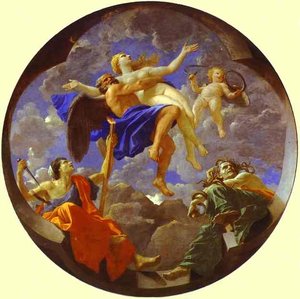
Votary of Bacchus

 გადასართად დაწვრილებით ნახეთ
ხელით ნაკვეთი ზეთის ტილოს რეპროდუქცია
ტილოზე შესრულებული ფერწერიანი ზეთប្រდათი, თქვენთვის სასურველი ზომისა და ჩარჩოსთვის, ჩვენი ხელოვანების მიერ შეკვეთის საფუძველზე დამზადებული. ( შეიძინეთ პრინტი შეიძინეთ გამოსახულება)




P118B $10

P118H $10

P118W $10

P438Z $10

P508JH $12

P508YH $12

P805H $10

P805Z $10

P919BZ $10

P919G $10

P919XJ $10

P959ZH $10

P968JZ $12

W106C $8

W218G $10

W218JH $8

W218Y $10

W307PJ $10

W316G $10

W316PJ $8

W316Y $10

W398PJ $8

W4111J $10

W500HY $15

W500JH $15

W692G $12

W849H $8

W940BG $15

W953PJ $8




აირჩიეთ ჩვენს მიერ წინასწარ განსაზღვრული ზომებიდან, რომლებიც ნაწარმოების ორიგინალურ პროპორციებს შეესაბამება.

თქვენ შეგიძლიათ მიუთითოთ თქვენთვის სასურველი ზომები კონკრეტული ჩარჩოს ან სივრცის შესაბამისად. თუ თქვენ მიერ არჩეული ზომა არ შეესაბამება ორიგინალი გამოსახულების პროპორციებს, ჩვენ ან შევაჭრებთ ნაწარმოებს, ან ტილოზე დავამატებთ ხელით მოხატულ ელემენტებს. წარმოების დაწყებამდე, დამტკიცებისთვის გამოგეგზავნებათ ციფრული მაკეტი.
გთხოვთ, გაითვალისწინოთ, რომ ეკრანზე ნაჩვენები წინასწარი შეხედულება არ ასახავს რეალურ შეჭრას ან გაფართოებას. საბოლოო კომპოზიციას ზუსტად მხოლოდ მაკეტი წარმოაჩენს.
მიუხედავად იმისა, რომ შესაძლებელია ინდივიდუალური ზომების შერჩევა, ორიგინალური პროპორციების შენარჩუნებისათვის გირჩევთ, გამოიყენოთ წინასწარ განსაზღვრული სიის ზომები.
შეკვეთის შემდეგ, OriginalUniqueArt.com გუნდი დაგიკავშირდებათ ელექტრონული ფოსტით ინსტრუქციებისთვის და გამოგიგზავნით წინასწარ ნახაზს (mockup).
მიწოდება მსოფლიო მასშტაბით -ში 3/4 კვირაში, სტანდარტული 5 კვირის ნაცვლად. (21 აგვისტო). ხარისხზე კომპრომისის გაკეთება არ მოხდება.

უფასო ექსპრეს მიწოდება მთელ მსოფლიოში

საბამად მაღალი ხარისხის ტილო

სრული ტრანსპორტირების დაზღვევა

საბაჟო გადასახადების დაბრუნების გარანტია

ფერების სრული შესაბამისობის გარანტია

60-დღიანი დაბრუნების პოლიტიკა (მხოლოდ დეფექტის შემთხვევაში)

100% თანხის დაბრუნების გარანტია

ფასდაკლება დიდი რაოდენობით შეკვეთისას
 მინის ჩარჩოს არჩევანი ხელმისაწვდომია მხოლოდ 110 სმ-ზე ნაკლები ზომისთვის

Votary of Bacchus
რეკლამაციის ტექნიკა
რეკლამაციის ზომა
-


საბოლოო ფასი
$ 300
ნაწარმოების აღწერა
The Lady of Auxerre: A Silent Smile Across Time
The discovery of the Lady of Auxerre in 1907—a limestone sculpture unearthed from a Parisian storage vault—immediately captivated the public imagination, fueling speculation about its origins and artistic significance. This enigmatic Kore, dating back to approximately 650-625 BCE, stands as a testament to the Archaic Greek style, embodying an aesthetic that continues to fascinate scholars and artists alike. Found in Eleutherna and Gortyn, Crete, excavations conducted by Nikolaos Stampolidis have solidified its provenance and illuminated the broader artistic landscape of early Greece.- Provenance: The sculpture’s journey began in obscurity within a Parisian museum vault before being rediscovered in 1907, sparking considerable journalistic interest.
- Style: Representing an Archaic Greek masterpiece, the Lady embodies characteristics of Daedalic art—a style marked by meticulous modeling and incised ornamentation—reflecting influences from Minoan and Egyptian traditions.
- Technique: Crafted from limestone, the Lady showcases exceptional sculptural skill, demonstrating mastery of modeling and incising techniques. The surface is adorned with intricate spiral curls and geometric patterns—incised designs that contribute to the sculpture’s overall visual impact.
- Historical Context: Emerging from the Dark Age, Archaic Greek art represents a pivotal moment in European cultural history—a transition toward rational thought and artistic sophistication. The Lady’s presence serves as a tangible link to this formative era, inviting viewers to contemplate the enduring legacy of classical aesthetics.
Exploring Nicolas Poussin’s “Dancing Votary of Bacchus”
Nicolas Poussin's "Dancing Votary of Bacchus," completed around 1630-1635, stands as an exemplar of Baroque painting—characterized by dramatic lighting, dynamic composition, and meticulous attention to detail. This captivating artwork delves into themes of mythology, spirituality, and human emotion, capturing the essence of classical ideals within a vibrant visual language.- Composition: The painting’s circular frame draws viewers inward, emphasizing the central figure—a nude man holding a wine goblet—who embodies both physical grace and intellectual contemplation.
- Technique: Executed primarily in wash and brown ink over traces of black chalk, Poussin's technique demonstrates mastery of pigment blending and tonal gradation—essential elements for achieving realistic visual effects.
- Symbolism: The nude figure represents purity and vulnerability, while the wine goblet symbolizes divine inspiration and sensual pleasure. These symbolic elements converge to convey a profound meditation on human experience and the relationship between art and spirituality.
A Window Into Ancient Greece: The Significance of Archaic Sculpture
Archaic sculpture represents a transformative moment in European art history—a transition from stylized conventions toward rational thought and artistic realism. Figures like the Lady of Auxerre exemplify this burgeoning aesthetic, embodying ideals of feminine beauty and spiritual serenity while simultaneously reflecting influences from Minoan and Egyptian traditions.- Influence: Archaic sculpture drew inspiration from Minoan and Egyptian art—demonstrating the interconnectedness of cultural traditions across ancient Greece.
- Formal Characteristics: Archaic sculptures are characterized by stylized modeling and incised ornamentation—techniques that prioritize visual harmony and intellectual rigor over naturalistic representation.
The Enduring Legacy of Classical Aesthetics: Reflections on “Dancing Votary”
Nicolas Poussin's "Dancing Votary of Bacchus" stands as a cornerstone of Baroque painting—characterized by dramatic lighting, dynamic composition, and meticulous attention to detail. The artwork’s exploration of mythology, spirituality, and human emotion continues to resonate with audiences today—affirming its place as one of the most celebrated artworks of the seventeenth century.- Emotional Impact: The painting evokes feelings of serenity, contemplation, and wonder—reflecting the Baroque aesthetic's commitment to conveying profound emotional experiences through visual imagery.
- Interpretations: Scholars continue to debate “Dancing Votary”'s symbolism—examining its representation of femininity, spirituality, and human emotion through the lens of classical ideals.
Contemporary Appreciation: Why “The Lady of Auxerre” Still Matters Today
Despite its antiquity, The Lady of Auxerre retains an astonishing relevance in contemporary art discourse—inspiring artists and collectors alike with its profound contemplation of human experience and spiritual transcendence. Its serene expression—often termed “the archaic smile”—continues to captivate viewers—serving as a symbol of artistic excellence and intellectual rigor.- Influence on Modern Art: The Lady’s stylistic innovations—particularly her modeling techniques and incised ornamentation—have exerted an enduring influence on subsequent generations of artists—inspiring them to explore new visual languages while upholding classical aesthetic ideals.
- Symbolic Resonance: The Lady’s attire—a tubular dress embellished with brooches concealed beneath her hair—represents a fusion of Minoan and Egyptian stylistic elements—highlighting the interconnectedness of cultural traditions across ancient Greece.
მხატვრის ბიოგრაფია
ნიკოლა პუსენი: კლასიკური იდეალების მცველის ბიოგრაფია
ნიკოლა პუსენი, ფრანგი რენესანსული მხატვრის სახელწოდება, რომლის შემოქმედებასაც საფრანგეთის ხელოვნების განვითარებაში უდიდესი როლი დაედო, დღემდე აღფრთოვანებს მსოფლიოს. 1594 წლის ივნისში, ნორმანდიის პროვინციის ანდელების მახლობლად დაბადებული პუსენი, თავისი ცხოვრების უმეტესი ნაწილი რომში გაატარა, სადაც ისტორიული და მითოლოგიური თემებზე შესრულებულ ტილოებს ქმნიდა. მისი ნამუშევრები ხასიათდება სიმარჯვემდე განზომილებული კომპოზიციებით, მკაფიოდ განსაზღვრული ხაზებით და ფერების ჰარმონიულმაგვარობით, რაც მას კლასიკურ ხელოვნებასთან უშუალო კავშირს აძლევს. პუსენის ადრეული ნაშრომები ტიციანის ვენეციური სკოლის გავლენას იჩვენებს, თუმცა მალევე მან ეს სტილი εγκαταუვა და უფრო რაციონალური და დისციპლინირებული მიდგომა გამოაცხადა, რომელიც რაფაელის კლასიკურ იდეალებზე იყო დაფუძნებული.რომის წლები: კლასიკური იდეალების დამკვეთება
რომი პუსენისთვის მხოლოდ სტუდია არ ყოფილა; ეს მისი ინტელექტუალური საწარმოო ცენტრი გახდა. ის იმჟამინდელი მეცნიერებს, არქეოლოგებსა და სხვა მხატვრებთან ურთიერთობაში იყო ჩართული, განსაკუთრებით კასიანო დარ პოცოსთან, რომლის უღრმესი ცოდნა ანტიკური სამყაროს შესახებ ხელოვანიზე დიდ გავლენას ახდენდა. დარ პოცოს ძალისხმევითი მუშაობა αρχαίων μνημείων დეტალური აღწერით, პუსენს ისტორიული სიამდვილისადმი ს respeto და მის ტილოებში სამუდაგო მნიშვნელობის 부여ების სურვილი უყარა კვალი. სწორედ ამ პერიოდში პუსენი იმხოვრებოდა ფანცაბიონტური ზედმეტილობიდან და უფრო მკაფიო, დაბალანსებული და ხაზოვანი კომპოზიციებისკენ მიმართავდა. ის სიძულებით ვისწავლობდა რაფაელის ნაშრომებს, მის ჰარმონიულ წყობასა და გრაციოზულ ფორმებს ითვისებდა, პარალელურად კი ძველი ქანდაკებებისგანაც შთამოსაზღვრებას პოულობდა.ისტორიული, მითოლოგიური და რელიგიური თემები
პუსენის შემოქმედება წარმოუდგენლადหลากหลาย იყო, მაგრამ მას ყველაფერს აერთიანებდა კლასიკურ იდეალებისადმი ერთგვანება. ის ხშირად აღწერდა ძველი ისტორიიდან მომავალი ეპიზოდებს – მაგალითად, გერმანიკუსის ტრაგიკულ ბედს, სადაც სიმამაცესა და მორალურ ძალას უნახავს. მისი მითოლოგიური ტილოები არ იყო მხოლოდ ცნობილი მოთხრობების გადამეოხება; ეს ადამიანის ბუნების შესწავლა იყო, ხშირად ალეგორიული მნიშვნელობით გაჯერებული. *არკადიის* სერია, განსაკუთრებით მისი გამორჩეული ნაწილი *Et in Arcadia ego*, მის ფილოსოფიურ სიღრმეს სიმბოლურად წარმოადგენს, რომელიც სიცოცხლის ხანმოძიებლობისა და მეხსიერების განუვალ ძალას იკვლევს. რელიგიური თემებზე მუშაობი დროსაც პუსენი კლასიკურ თავშეკავებას ინარჩუნებდა, ზედმეტი ემოციურობისგანარიგება გონიერი და საფიქრო წარმოდგენის სასარგებლოდ. მოგვიანებით, მისი შემოქმედებაში უფრო მეტად აყვავდნენ ფართო პეიზაჟები, რომლებიც რეალიზმს იდეალიზებულ ფორმებთან ერწყმის გზით ჰარმონიულ და მშვიდობიან სურათებს ქმნიდა.შემორჩენილი მემკვიდრეობა: საფრანგეთის ხელოვნების ფორმირება
მიუხედავად იმისა, რომ პუსენი თავისი კარიერის უმეტესი ნაწილი საზღვარგუნეთში გაატარა, მისი გავლენა საფრანგეთის ხელოვნებაზე უდიდესი იყო. 1640 წელს იგი მოკლე ხნით საფრანგეთს επιστρέφει და კარდინალ რიშელიუს მიერ სამეფო მხატვრად დაინიშნა, თუმცა სასახლის მოთხოვნებმა და ინტრიგებმა მას შეაფერხა. მალევე ის კვლავ რომში დაბრუნდა და იქამდე συνέχίζει να ζωγραφίζει, სანამ 1665 წელს გარდაცვალების დრო არ 찾아왔ა. კლასიკურ პრინციპებზე მისი ერთგვანება საფრანგეთში მხატვრების სწავლისა და საქმიანობის სტანდარტის დასაზოგვერებას უწყობდა ხელს, გენერაციების მხატვრებს ზემოქმედებას უკონკლუენტო. ისAcadémie Royale de Peinture et de Sculpture-ის წევრი გახდა, რაც მისი პოზიციის განმტკიცებას საფრანგეთის კლასიციზმის ერთ-ერთი მნიშვნელოვანი ფიგურად უზრუნველყოფდა. ჟაკ-ლუი დავიდი და პოლ სეზანი ხშირად გამოხატავდნენ მის მიმართ აღფრთოვანებას, რაც მისი მემკვიდრეობის სიმძლერის 증거ა. მისი მემკვიდრეობა 단순మైన стилистического имитации-ისგან πολύ περισσότερο είναι; ეს არის კლასიკური იდეალებისადმი ერთგვანება – მხატვრის 증거, რომელმაც არა მხოლოდ სამყაროს აღწერა სურდა, არამედ მას ბრძნულებითა და زیباییთ აყვავებდა.- σημαντικά έργα: *Γερμανικού του θάνατος*, *Η σειρά των επτά μυστηρίων*, *Ένας Ρωμαϊκός δρόμος*, *Ο τυφλός Ωρίωνας*, *Οι εποχές*.
- Βασικά χαρακτηριστικά: Κλασική σύνθεση, γραμμικότητα, ιστορικά και μυθολογικά θέματα, ήρεμες τοπίες.

ნიკოლა პუსენი
1594 - 1665 , Франция
მოკლე ინფორმაცია
- Artistic Movement Or Style: ბაროკო, კლასიციზმი
- Artists Or Movements Influenced By This Artist:
- ჟაკ-ლუი დავიდი
- პოლ სეზანი
- Artists Who Influenced This Artist:
- რაფაელი
- ტიციანი
- Date Of Birth: 1594 წლის 24 ივნისი
- Date Of Death: 1665 წლის 19 ნოემბერი
- Full Name: ნიკოლა პუსენი
- Nationality: ფრანგი
- Notable Artworks:
- Germanicus-ის სიკვდილი
- წირვის საიდუმლოება
- რომაული გზი
- Orion Blinded
- The Seasons
- Place Of Birth: ლე 안დელი, საფრანგეთი
დაკავშირებული სტატიები

Bronze Sculptures That Defined Art History | OriginalUniqueArt
Journey through art history with our Top 10 bronze sculptures! Explore masterpieces by Rodin, Michelangelo & more. Discover stories behind iconic statues and find museum-quality reproductions for your home decor at OriginalUniqueArt.com.

The Enduring Form: Exploring Themes & Techniques in Sculpture Across Historical Periods
Explore the rich history of sculpture from ancient masterpieces to contemporary innovations. Discover key techniques, influential artists & investment potential for discerning art collectors.

The Enduring Allure of Marble in Art History: From Classical Sculpture to Modern Abstraction
Explore the captivating history of marble sculpture from ancient Greece to modern art. Discover renowned artists like Canova & Michelangelo, carving techniques, and investment insights at OriginalUniqueArt.

Bronze Age to Modern Masters: 10 Sculptures That Redefined Art | OriginalUniqueArt
Journey through art history with 10 legendary bronze sculptures – from Michelangelo's David to Rodin’s Thinker. Explore the stories, techniques & timeless beauty of these masterpieces. Find museum-quality reproductions & elevate your home decor on OriginalUniqueArt.com.
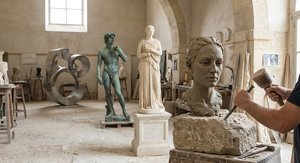
The Enduring Form: Sculpture Across History, Technique & Emotional Resonance
Explore the rich history of sculpture with OriginalUniqueArt. Discover key techniques, influential artists & investment potential for discerning collectors. Expert insights into valuing and collecting timeless masterpieces.