Early Renaissance · 1461
Triptych (ნიკოლა ფრომენტი, 1461)
ნიკოლა ფრომენტი (1430–1484)-მა შექმნა Triptych. ის შექმნილ არის 1461 წელს. ის Early Renaissance მიძღვნილ სტილს მიეკუთვნება. შესრულებულია Oil On Panel-ით. ნახატი დაცულია უფიციების გალერეა-ში, ფლორენცია, იტალია-ში. ზომა არის 134 × 175 cm.
- 1461
- Oil On Panel
- 134 × 175 cm
- უფიციების გალერეა, ფლორენცია

 წინასწარი ნახვა

 ხელით შესრულებული ზეთប្រეწერი
 გაგზავნა
 გაზიარება
 სპეცფიკაცია


 ჩამოტვირთვა
 მსგავსები
 რენტგენოგრაფიული კვლევა
 სლაიდშოუ
 კითხვა-პასუხი

 სტატისტიკა
Triptych, მოკლედ
- სათაური
- Triptych
- ავტორი
- ნიკოლა ფრომენტი (1430–1484)
- ხატვის წელი და ადგილი
- უზე, საფრანგეთი
- თარიღი
- 1461
- ტექნიკა
- Oil On Panel
- ზომები
- 134 × 175 cm
- სად ნახვა შეგიძლიათ
- უფიციების გალერეა, ფლორენცია, იტალია
- მოძრაობა
- Early Renaissance
- ეპოქა
- Renaissance
- სუბიექტი
- triptych, life of christ, crucifixion, resurrection, religious art, biblical scene
რა არის გამოსახული Triptych-ში?
A Divine Narrative in Wood and Pigment
Behold this magnificent triptych, a profound meditation on the life of Jesus Christ, executed by the master hand of Nicolas Froment in 1461. This work is not merely a depiction; it is a devotional journey across three pivotal moments of Christian history—the serene beginnings, the agonizing sacrifice, and the triumphant dawn of resurrection. The sheer narrative scope contained within these panels invites the viewer into an intimate dialogue with sacred storytelling. From the gentle glow surrounding the Nativity scene in the first panel, where Mary cradles the infant Jesus amidst shepherds and angels, to the dramatic tension etched into the crucifixion tableau, and finally to the radiant emergence from the tomb, each segment pulses with untold human drama and divine mystery.
Mastery of the Early Renaissance Style
Nicolas Froment stands at a fascinating crossroads in art history—a painter whose work beautifully bridges the lingering grace of the Gothic tradition with the burgeoning naturalism whispered by Flemish influences. His technique, characteristic of the Second School of Avignon, allows for an astonishing level of detail while maintaining a spiritual resonance. Observe the figures: they are not static icons but breathing participants. The drapery falls with convincing weight, and the faces carry distinct, palpable emotions—a mixture of awe, sorrow, piety, and wonder. This commitment to naturalism, coupled with the vibrant palette achieved through meticulous hand-painting, gives the entire piece an immediate, almost tangible presence that transcends its age.
Symbolism and Emotional Resonance
The symbolism woven throughout this triptych is rich and deeply layered. The progression from birth to death to resurrection encapsulates the core tenets of Christian faith—the cycle of sacrifice leading inevitably to eternal life. Each figure, whether a Roman soldier, a grieving disciple, or an angelic messenger, carries symbolic weight. For the modern collector or decorator, owning such a piece means acquiring more than just art; it is acquiring a focal point for contemplation and spiritual reflection. The vibrant colors are employed not just for beauty, but to heighten the emotional stakes of each scene, drawing the eye through the narrative arc.
A Statement Piece for Any Grand Interior
Measuring 175 x 134 cm, this triptych possesses a commanding presence. It is designed to anchor a significant space—perhaps a grand hall, a library, or a chapel-inspired room. While the original wood paneling speaks of centuries of history, acquiring a high-quality reproduction allows you to integrate this monumental piece of art into your contemporary décor with confidence. The depth and complexity of Froment’s vision ensure that it will remain a captivating centerpiece, drawing admiration for its masterful execution and profound subject matter.
რომელ მუზეუმში ინახება Triptych?
უფიციების გალერეა
ფლორენცია, იტალია
The History and Origins of Galleria degli Uffizi The Galleria degli Uffizi is located in Florence, Italy. The institution was established in 1560, a period when the building was originally conceived by Giorgio Vasari for Florentine magistrates. The construction of the structure took place between 1560 and 1580.


Triptych-ის მაღალი გარ Auflხ resolución-ის გამოსახულებები

საჯარო საკუთრება: მხატვარი გარდაიცვალა 1484 წელს.
სხვა ზომები, კადრისრები და ციტირება →ნიკოლა ფრომენტი, Triptych (1461), უფიციების გალერეა. საჯარო საკუთრება
კითხვები Triptych-ზე, პასუხები
სად არის დღეს გამოფენილი ნიკოლა ფრომენტი-ის „Triptych“?
ორიგინალი „Triptych“ შეგიძლიათ ნახოთ უფიციების გალერეა, ფლორენცია, იტალია-ში.
რა თარიღში შეიქმნა ნიკოლა ფრომენტი-ის „Triptych“?
ნიკოლა ფრომენტი-ის „Triptych“ შეიქმნა 1461 წელს.
რა მასალისგან არის შესრულებული ნიკოლა ფრომენტი-ის „Triptych“?
"Triptych" შესრულებულია Oil On Panel-ით.
რა ზომისაა ნიკოლა ფრომენტი-ის „Triptych“ რეალურ ცხოვრებაში?
ნიკოლა ფრომენტი-ის „Triptych“ ნამუშევრის ზომებია 175 x 134 cm. რეკროდუქციების შეკვეთა შესაძლებელია სხვა ზომებშიც, პროპორციების სრული შენარჩუნებით.
რა თემებია გამოსახული ნამუშევარში ნიკოლა ფრომენტი-ის „Triptych“?
ნიკოლა ფრომენტი-ის „Triptych“-ზე გამოსახულია: triptych, life of christ, crucifixion, resurrection, religious art, biblical scene.
შეიძლება თუ არა ნიკოლა ფრომენტი-ის „Triptych“-ის გამოსახულების თავისუფლად რეპროდუცირება?
ავტორული უფლებების სტატუსი ნამუშევრისთვის ნიკოლა ფრომენტი-ის „Triptych“: ნამუშევარი არის საჯარო საკუთრებაშია — საავტორო უფლებები ამოწდა. ეს განსაზღვრავს, შესაძლებელია თუ არა გამოსახულების რეპროდუქციის თავისუფლად წარმოება.
ვინ შექმნა "Triptych"?
"Triptych" შექმნილია ნიკოლა ფრომენტი-ის მიერ. ამ გვერდზე მოცემული ინფორმაცია აღწერს ნიკოლა ფრომენტი-ის ორიგინალურ ნამუშევარს.
რომელ სტილს მიეკუთვნება "Triptych"?
ნიკოლა ფრომენტი-ის „Triptych“ მიეკუთვნება Early Renaissance მიმდევრობას. ეს მიმდევრობა ნამუშევარს სტილისტურ კონტექსტს სძენს.
ნიკოლა ფრომენტი-ის შემოქმედებითი განვითარების რომელ ეტაპს წარმოადგენს „Triptych“?
"Triptych" ნიკოლა ფრომენტი-ის შემოქმედებითი კარიერის Early Renaissance პერიოდს განეკუთვნება. ეს კლასიფიკაცია ნამუშევარს ხელოვანის შემოქმედებითი განვითარების ეტაპთან აკავშირებს.
ხელပاتარში: ნიკოლა ფრომენტი
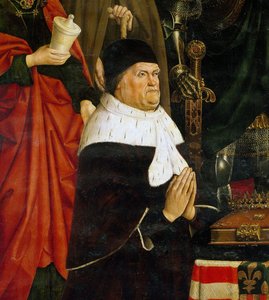
1430–1484, საფრანგეთი
ნიკოლა ფრომენტი
Nicolas Froment: A Flemish Echo in Early Renaissance Provence Nicolas Froment (c. 1435 – c. 1486) stands as a pivotal figure within the Second School of Avignon, marking a crucial juncture between Gothic tradition and burgeoning Flemish naturalism in French art during the fifteenth century. Born in Uzès, France, Froment’s artistic trajectory coincided with an era profoundly impacted by papal patronage and the allure of Italian Renaissance ideals—a dynamic that fueled stylistic experimentation and ultimately cemented his place as one of Provence's most celebrated painters.
ნიკოლა ფრომენტი-ის შესახებ ნიკოლა ფრომენტი-ის გამორჩეული ნამუშევრები
ასევე ნიკოლა ფრომენტი-ის მიერ
 The Burning Bush (detail)1476
 Matheron Diptych1474
 The Raising of Lazarus1461
 The Pérussis Altarpiece1480

ესეები Triptych-ის შესახებ
 The Statement Wall: Mastering Large-Scale Art for Commanding InteriorsMaster the art of commanding interiors with our expert guide to large-scale statement walls. Discover how premium, museum-quality oil paint…
 25 Masterpieces by Rogier van der Weyden: The Pinnacle of Emotional ArtImmerse yourself in the profound emotion of Rogier van der Weyden’s greatest works. From Northern Renaissance mastery to exquisite textures…
 25 Masterpieces by Giotto di Bondone: The Father of Renaissance ArtJourney through the revolutionary world of Giotto di Bondone. Explore 25 iconic masterpieces that bridged the Medieval and Renaissance eras…