
 ნახვა ინტერьерში
 გაგზავნა
 გაზიარება
 დეტალები
 გზამკვლევი

 ჩამოტვირთვა
 მსგავსები
 რენტგენოგრაფიული კვლევა
 სლაიდშოუ
 კითხვა-პასუხი
 სტატისტიკა
Christ before Pilate

- 216.0 x 174.0 cm


 სრული ტექსტის ნახვა
გიკლე / ხელოვნების პრინტი
მუზეუმის დონის ჟიკლე ან ტილოზე ბეჭდვა სწრაფი წარმოებისა და დასრულების მოქნილი ვარიანტებით. ( შეიძინეთ ხელით შესრულებული ნახატი გადასვლა ციფრულ გამოსახულებაზე)




P118B ₾10

P118H ₾10

P118W ₾10

P438Z ₾10

P508JH ₾12

P508YH ₾12

P805H ₾10

P805Z ₾10

P919BZ ₾10

P919G ₾10

P919XJ ₾10

P959ZH ₾10

P968JZ ₾12

W106C ₾8

W218G ₾10

W218JH ₾8

W218Y ₾10

W307PJ ₾10

W316G ₾10

W316PJ ₾8

W316Y ₾10

W398PJ ₾8

W4111J ₾10

W500HY ₾15

W500JH ₾15

W692G ₾12

W849H ₾8

W940BG ₾15

W953PJ ₾8




აირჩიეთ ჩვენს მიერ წინასწარ განსაზღვრული ზომებიდან, რომლებიც ნაწარმოების ორიგინალურ პროპორციებს შეესაბამება.

შეიყვანეთ თქვენთვის საჭირო სიგანე და სიმაღლე, რათა იგი მოერგოს თქვენს ჩარჩოს ან კედელს. ბეჭდვისას შესაძლებელია მხოლოდ მისი შემცირება და არა გაზრდა, ამიტომ სხვა ფორმის ზომის შემთხვევაში გამოსახულება ნაწილობრივ იკარგება. სანამ რაიმეს დაბეჭდავთ, ჩვენ გამოგიგზავნით ციფრულ მაკეტს დასდასტურებლად. ამ გვერდზე ნაჩვენები სურათი არ ასახავს რეალურ ჭრას — ამას მხოლოდ მაკეტი გვიჩვენებს.
მიწოდება მთელ მსოფლიოში () 2 კვირაში, სტანდარტული 4/5 კვირის ნაცვლად. (5 ნოემბერი)

უფასო ექსპრეს მიწოდება მთელ მსოფლიოში

მაღალი ხარისხის ტილო

ტრანსპორტირების სრული დაზღვევა

საბაჟო გადასახადების დაბრუნების გარანტია

ფერების სრული შესაბამისობის გარანტია

დაბრუნების 100-დღიანი პერიოდი (მხოლოდ წარმოების დეფექტის შემთხვევაში)

100% თანხის სრული დაბრუნების გარანტია

ფასდაკლება დიდი რაოდენობით შეკვეთისას
 მინის ჩარჩოს არჩევანი ხელმისაწვდომია მხოლოდ 110 სმ-მდე ზომისთვის

Christ before Pilate
გიკლე / ხელოვნების პრინტი
რეპროდუქციის ზომა
-


ჯამური ღირებულება
₾ 210
The Weight of Judgment: Nicolaes Maes’s ‘Christ Before Pilate’
Nicolaes Maes's “Christ Before Pilate,” painted in 1649-50, isn’t merely a depiction of a biblical scene; it’s a masterclass in conveying psychological drama and the unsettling ambiguity of power. The painting immediately commands attention with its monumental scale – measuring an impressive 216 x 174 cm – drawing the viewer into a meticulously rendered tableau of apprehension and moral conflict. Maes, deeply influenced by Rembrandt's pioneering use of *chiaroscuro*, employs a dramatic interplay of light and shadow to sculpt the figures, creating a palpable sense of unease that permeates the entire composition. The muted palette, dominated by deep blues, browns, and ochres, contributes to this atmosphere of somber contemplation, while strategically placed highlights draw focus to key elements – Christ’s outstretched hands, Pilate's hesitant gaze, and the faces of the onlookers, each reflecting a complex blend of fear, curiosity, and indifference.
- Rembrandt’s Shadow: Maes’s apprenticeship under Rembrandt is undeniably evident. The masterful use of light to define form and create depth echoes Rembrandt's signature style, yet “Christ Before Pilate” possesses a distinctly more intimate and emotionally charged quality than many of the artist’s larger historical scenes.
- The Human Scale: Unlike the grand, theatrical compositions favored by some of his contemporaries, Maes presents this pivotal moment in Christian history with an almost unsettling sense of immediacy. The figures are rendered with remarkable realism, their faces etched with emotion and vulnerability – a deliberate choice that forces the viewer to confront the human cost of judgment.
- Compositional Tension: The arrangement of figures is carefully orchestrated to heighten the drama. Christ, positioned centrally, becomes the focal point of attention, while Pilate’s posture—a mixture of reluctance and resignation—suggests a profound internal struggle. The surrounding crowd, rendered in varying degrees of detail, represents the collective conscience of Jerusalem, caught between loyalty to Roman authority and compassion for the accused.
A Window into 17th-Century Dutch Society
“Christ Before Pilate” offers a fascinating glimpse into the social and religious landscape of 17th-century Holland. The painting reflects the burgeoning interest in biblical narratives within a society grappling with questions of morality, justice, and faith. The inclusion of details like the bowl and cup – symbols of earthly sustenance and ritual – subtly underscores the contrast between the spiritual significance of Christ’s sacrifice and the mundane realities of daily life. Furthermore, the presence of several onlookers—a soldier, a scribe, and a group of citizens—reflects the diverse social strata of Jerusalem at the time, highlighting the universal nature of human judgment and its potential for both righteousness and injustice.
Historical Context:Painted during a period of intense religious debate and political upheaval in Europe, “Christ Before Pilate” speaks to broader anxieties about authority, faith, and the role of the individual. The painting’s enduring appeal lies in its ability to resonate with viewers across centuries, prompting reflection on timeless questions of morality and responsibility.
Symbolism and Emotional Resonance
Beyond its historical context, “Christ Before Pilate” is rich in symbolic meaning. Christ's outstretched hands represent humility, sacrifice, and the acceptance of his fate. Pilate’s hesitant gaze embodies doubt, uncertainty, and the burden of leadership—a recognition that even those entrusted with power are not immune to moral dilemmas. The faces of the onlookers convey a spectrum of emotions – fear, indifference, curiosity, and perhaps even a flicker of hope – reflecting the complex human response to injustice. The painting’s overall effect is profoundly moving, evoking a sense of empathy for both Christ and Pilate, and prompting viewers to contemplate their own roles in the ongoing drama of human judgment.
Bringing ‘Christ Before Pilate’ into Your Space
Reproductions of Nicolaes Maes's “Christ Before Pilate” offer a remarkable opportunity to bring this powerful work of art into your home or office. Available in a range of sizes and framing options, our high-quality reproductions faithfully capture the painting’s dramatic intensity and nuanced details. Whether you are an art collector, an interior designer seeking to create a contemplative atmosphere, or simply someone who appreciates the beauty and emotional depth of classic art, a reproduction of “Christ Before Pilate” is sure to be a treasured addition to your collection. Consider pairing it with complementary colors and textures to enhance its impact – deep blues and browns will evoke the painting’s somber mood, while warm earth tones can create a sense of grounding and stability.
კითხვები და პასუხები
საიდან მოდიან ნიკოლას მაეს-ის „Christ before Pilate“-ის სტუმრები?
სტატისტიკა ნიკოლას მაეს-ის „Christ before Pilate“-ის შესახებ მოცემულია ნამუშევრის სტატისტიკა გვერდზე: ნამუშევრის ყოველთვიური ნახვები, ხელოვანის სხვა ნამუშევრების ნახვები, ასევე ბოლო პერიოდის ვიზიტორთა განაწილება ქვეყნებისა და ენების მიხედვით.
არის თუ არა "Christ before Pilate" საავტორო უფლებებისგან თავისუფალი?
რაც შეეხება საავტორო უფლებებს, "Christ before Pilate" არის საჯარო საკუთრებაშია - მისი საავტორო უფლებები ამოწდა.
რა ტიპის ნამუშევარია ნიკოლას მაეს-ის „Christ before Pilate“?
ნიკოლას მაეს-ის „Christ before Pilate“ კლასიფიცირებულია როგორც WallArt. ეს კატეგორია აღწერს ორიგინალის ტიპს, რომელსაც ეს ნამუშევარი წარმოადგენს.
მხატვრის ბიოგრაფია
ნიკოლას მაესის ცხოვრება და ჩრდილების ხელოვანი
ნიკოლას მაესი, სახელის რბილი ელფერი ჰოლანდიური ოქროს ხანის დიდოსტატთა შორის, დაიბადა დორდრეხტში 1634 წლის იანვარში. ის გაიზარდა ვაჭრობის კეთილშობილებაში და ხელოვნების აღმავლობაში. მისი მამა, გერიტ მაესი, წარმატებული ქსოვილებით მოვაჭრე და საპნის მომწოდებელი, კომფორტულად ცხოვრებას უზრუნველყოფდა, რაც ნიკოლასს საშუალებას აძლევდა ხატვის ნიჭის განვითარებაზე ზრუნავდა. ადრეული გაკვეთილები მიიღო ადგილობრივი მხატვრისგან, თუმცა მისი განვითარების გადამწყვეტი მომენტი 1648 წლისთვის დაახლოებით ამსტერდამში მოგზაურობა იყო და რემბრანდტ ვან რეინის სახელოსნოში შესვლა. ეს სტაჟიორობა გარდამამტეხი აღმოჩნდა, მან შთააგონა სინათლისა და ჩრდილის დრამატული ურთიერთქმედება – *კიაროსკურო* – და ფერის უმაღლესი მცოდნეობა, რომელმაც მისი ადრეული ნამუშევრები განსაზღვრა. გავლენა იმდენად ღრმა იყო, რომ პირველი ნახატები, როგორიცაა ბიბლიური სცენების გამოსახულებები ცოცხალი ფიგურებით და მდიდარი, კაშკაშა ჩრდილებით, ხშირად მიეწერებოდა რემბრანდტს. ამ ფორმირების წლებმა საფუძველი ჩაუყარა კარიერას, რომელიც ტექნიკური ბრწყინვალობით და ადამიანის ემოციების სიღრმის მესაჭიროვნეობით ხასიათდება.რემბრანდტის ჩრდილებიდან დამოუკიდებელ ხედვამდე
1654 წელს დორდრეხტში დაბრუნებულმა მაესიმ დაიწყო საკუთარი მხატვრული გზის ფორმირება, თანდათანობით მოშორდა ყოფილ მასტერს პირდაპირი მიბაძვისგან. მომდევნო ათწლეულმა პატარა მასშტაბის საშინაო ჟანრის სცენებისკენ გადახრა გამოიწვია, თუმცა შეინარჩუნა რემბრანდტის დროს შერწყმული ცოცხალი კოლორიტი. მან მწვარე თვალი მიმართა ჰოლანდიელი მოქალაქეების ყოველდღიურ ცხოვრებას, აღწერა ქალები ჩვეულებრივ საქმიანობაში – ბაწრის წრევით, წმინდა წერილების კითხვაში, საჭმლის მომზადებაში – განსაცვიფრებელი დეტალითა და მგრძნობელობით. განსაკუთრებული გატაცება წარმოიშვა ნაქსოვის რთულ ხელოვნებასთან დაკავშირებით, რაც უამრავ ვარიაციას შთააგონა ამ თემაზე, რომელმაც მაესის ზუსტი დაკვირვების უნარი დაოსტატება გამოავლინა. ეს ნახატები ყოველდღიური ცხოვრების მხოლოდ აღწერა არ იყო; ისინი ფანჯარები იყო საშინაო სფეროში, რომელიც 17-ე საუკენტის ჰოლანდიურ საზოგადოებაში ჩ織ულიყო მშვიდი ღირსება და რბილი ისტორიები. ამ პერიოდის დროს მისმა ნამუშევრებმა აჩვენა არა მხოლოდ *რა* აკეთებდნენ ადამიანებს, არამედ *როგორ* გრძნობდნენ ამას.ამსტერდამის პორტრეტისტი
1673 წელს მაესი გადავიდა ამსტერდამში, რაც მხატვრული მისწრაფების და განვითარებულ ხელოვნების ბაზრისადმი ადაპტაციის სიგნალი იყო. ქალაქი, რომელიც ჯერ კიდევ ინგლისისა და საფრანგეთის ომიდან გამოჯანმრთელდებოდა, პორტრეტებზე მზარდი მოთხოვნით გამოირჩეოდა და მაესი სწრაფად დამკვიდრდა ერთ-ერთ წამყვან აღმასრულებლად. მან უარი თქვა ადრეულ ჟანრულ ნამუშევრებზე და ყურადღება გაიწია ამსტერდამის გამოჩენილი მოქალაქეების გამოსახულებებზე. მისი პორტრეტები გამოიარჩევა გა refinementებული ელეგანტურობითა და ფსიქოლოგიური სიღრმით, რომელიც არა მხოლოდ ფიზიკურ მსგავსებას, არამედ ხასიათისა და სოციალური სტატუსის ნიშნებსაც აჩვენებდა. “გერარდ რევერის პორტრეტი, ვაჭარი და გემის მფლობელი ამსტერდამში” წარმოადგენს ამ უნარის მაგალითს, ღირსეული გამოსახულება სიმდიდრისა და სამოქალაქო სიამაყის შესახებ. მან შეძლო სტატუსის გამოხატვა რბილი დეტალების საშუალებით – ქსოვილების ხარისხი, ტანსაცმლის ჭრილი, მისი მჯდომარე პირების თავდაჯერებული პოზა. ამ პერიოდმა მნიშვნელოვანი სტილისტური ცვლილება მოიტანა, ადრეული თბილი ინტიმურობიდან უფრო გაპოლისებული და ელეგანტური ესთეტიკისკენ გადახრა.მემკვიდრეობა და მარადიული მიმზიდველობა
ნიკოლას მაესი გარდაიცვალა ამსტერდამში 1693 წლის დეკემბერში, დატოვა მნიშვნელოვანი ნამუშევრების კრებული, რომელიც დღესაც აღფრთოვანებს. მისი ნახატები უნიჭოვიტად აჩვენებენ ჰოლანდიური ოქროს ხანის სოციალურ ადათ-წესებს, საშინაო ინტერიერებსა და ფსიქოლოგიურ რთულობას. მიუხედავად იმისა, რომ მის ადრეულ ნამუშევრებზე რემბრანდტის გავლენა აშკარაა, მაესიმ საბოლოოდ განვითარდა თავისი გამორჩეული სტილი, რომელიც დეტალური დაკვირვებით, ცოცხალი ფერის პალიტრასა და ადამიანის ხასიათის მგრძნობელობით ხასიათდება. ყოველდღიური სცენებისა და ინდივიდების ხელოვნებრივ მნიშვნელობამდე აყვანის უნარმა მას მისი ეპოქის ერთ-ერთ ყველაზე მნიშვნელოვან მხატვრად აქცია. დღეს, მისი ნახატები პატივმოყვარე კოლექციებში ინახება მთელ მსოფლიოში, მათ შორის ამსტერდამის რიიქსმუზეუმში, ლონდონის ეროვნულ გალერეაში და ვაშინგტონის ეროვნულ ხელოვნების გალერეაში, რაც ხელოვნების პლატფორმებზე, როგორიცაა OriginalUniqueArt.com-ის საშუალებით მათი შესწავლისა და შეფასების შესაძლებლობას უზრუნველყოფს, რაც ამ დიდ ჰოლანდიელ მხატვრის მემკვიდრეობის შენარჩუნებას უზრუნველყოფს მომდევნო თაობებისთვის.მისი ნამუშევრების ძირითადი მახასიათებლები
- რემბრანდტის გავლენა: ადრეულ ნამუშევრებში რემბრანდტ ვან რეინის ძლიერი გავლენა ჩანს, განსაკუთრებით კიაროსკუროს გამოყენებაში და მდიდარი ფერის პალიტრაში.
- ჟანრის სცენები: მაესი ცნობილია ყოველდღიური ცხოვრების ინტიმური გამოსახულებებით, საშინაო ინტერიერებზე და ბაწრის წრევით, კითხვითა და ნაქსოვის მსგავს საქმიანობაზე ფოკუსირებით.
- პორტრეტის უ
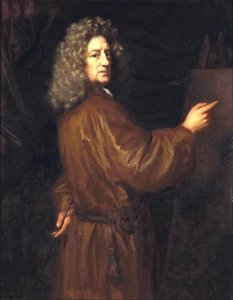
ნიკოლას მაეს
1634 - 1693 , ნიდერლანდი
მოკლე ფაქტები
- Artistic Movement Or Style: ბაროკო, ოქროს ხანა
- Artists Or Movements Influenced By This Artist: ['ჰოლანდიელი მხატვრები']
- Artists Who Influenced This Artist: ['რემბრანდტი']
- Date Of Birth: 1634 წლის იანვარი
- Date Of Death: 1693 წლის დეკემბერი
- Full Name: ნიკოლას მაეს
- Nationality: ჰოლანდიელი
- Notable Artworks (List Of Titles):
- The Reverie
- Card Players
- Place Of Birth (City And Country): დორდრეხტი, ნიდერლანდი
მსგავსი სტატიები
Nicolaes Berchem: Dutch Golden Age Pastoralism & the Evolution of Landscape Painting
Explore the captivating world of Nicolaes Berchem, a leading Dutch Golden Age painter. Discover his idyllic landscapes, masterful technique & lasting influence on art history. Learn more at OriginalUniqueArt.

ჰოლანდიის ოქროს ხანა: 10 შედევრი, რომელმაც განსაზღვრა ხელოვნება
აღმოფრთოვანდით ჰოლანდიის ოქროს ხანას! 10 შედევრი რემბრანტის, ვერმეერის და სხვა დიდებულებისგან. ითვლით ხელოვნების ისტორიას, აღმოაჩინეთ მათი ტექნიკები და შეიძინეთ музейური ხარისხის რეპროდუქციები OriginalUniqueArt.com-ზე!

Dutch Baroque Masters: 10 Paintings That Shaped an Era | OriginalUniqueArt
Journey through the Golden Age with our guide to the Top 10 Dutch Baroque masterpieces! Explore iconic paintings by Rembrandt, Vermeer & Frans Hals. Find museum-quality art reproductions and elevate your home decor at OriginalUniqueArt.com.

Golden Light & Dutch Skies: The Timeless Magic of Dutch Golden Age Landscapes
Discover the breathtaking beauty of Dutch Golden Age landscapes. Explore the mastery of light, chiaroscuro, and 17th-century realism through an expert art history lens, celebrating the enduring legacy of the Dutch Masters for discerning collectors and art lovers.

Mastering Light & Shadow: A Journey Through the Dutch Golden Age's Luminous Legacy
Embark on a cultural journey through the Dutch Golden Age. Explore the masterful interplay of light and shadow in 17th-century masterpieces, from Rembrandt to Vermeer, and discover how this era of profound realism continues to inspire fine art collectors today.