- მთავარი გვერდი

- ზეთის ტილოზე რეპროდუქცია
- Nainsukh
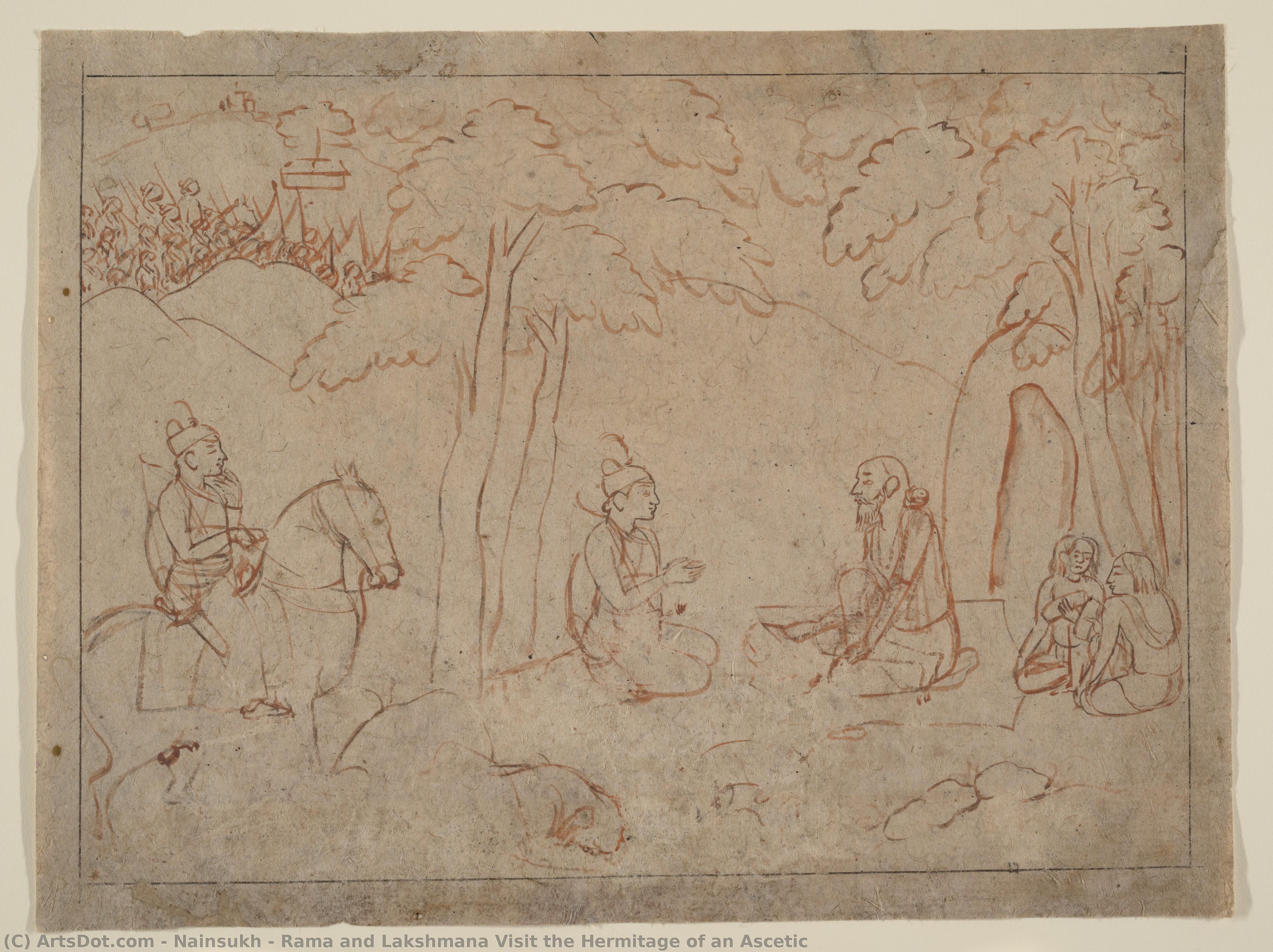
- Untitled (D2X6GL)
 ნაბეჭდის შეძენა გამოსახულების შეძენა
 გაგზავნა
 გაზიარება
 დეტალები
 დამატება ფავორიტებში

 ჩამოტვირთვა
 მსგავსები
 რენტგენოგრაფიული კვლევა
 სლაიდშოუ
Untitled (D2X6GL)
 1775
1775 21.0 x 29.0 cm
 გადასართად დაწვრილებით ნახეთ
ხელით ნაკვეთი ზეთის ტილოს რეპროდუქცია
ტილოზე შესრულებული ფერწერიანი ზეთប្រდათი, თქვენთვის სასურველი ზომისა და ჩარჩოსთვის, ჩვენი ხელოვანების მიერ შეკვეთის საფუძველზე დამზადებული.




































აირჩიეთ ჩვენს მიერ წინასწარ განსაზღვრული ზომებიდან, რომლებიც ნაწარმოების ორიგინალურ პროპორციებს შეესაბამება.

თქვენ შეგიძლიათ მიუთითოთ თქვენთვის სასურველი ზომები კონკრეტული ჩარჩოს ან სივრცის შესაბამისად. თუ თქვენ მიერ არჩეული ზომა არ შეესაბამება ორიგინალი გამოსახულების პროპორციებს, ჩვენ ან შევაჭრებთ ნაწარმოებს, ან ტილოზე დავამატებთ ხელით მოხატულ ელემენტებს. წარმოების დაწყებამდე, დამტკიცებისთვის გამოგეგზავნებათ ციფრული მაკეტი.
გთხოვთ, გაითვალისწინოთ, რომ ეკრანზე ნაჩვენები წინასწარი შეხედულება არ ასახავს რეალურ შეჭრას ან გაფართოებას. საბოლოო კომპოზიციას ზუსტად მხოლოდ მაკეტი წარმოაჩენს.
მიუხედავად იმისა, რომ შესაძლებელია ინდივიდუალური ზომების შერჩევა, ორიგინალური პროპორციების შენარჩუნებისათვის გირჩევთ, გამოიყენოთ წინასწარ განსაზღვრული სიის ზომები.
შეკვეთის შემდეგ, OriginalUniqueArt.com გუნდი დაგიკავშირდებათ ელექტრონული ფოსტით ინსტრუქციებისთვის და გამოგიგზავნით წინასწარ ნახაზს (mockup).
მიწოდება მსოფლიო მასშტაბით -ში 3/4 კვირაში, სტანდარტული 5 კვირის ნაცვლად. (21 ივლისი). ხარისხზე კომპრომისის გაკეთება არ მოხდება.

უფასო ექსპრეს მიწოდება მთელ მსოფლიოში

საბამად მაღალი ხარისხის ტილო

სრული ტრანსპორტირების დაზღვევა

საბაჟო გადასახადების დაბრუნების გარანტია

ფერების სრული შესაბამისობის გარანტია

60-დღიანი დაბრუნების პოლიტიკა (მხოლოდ დეფექტის შემთხვევაში)

100% თანხის დაბრუნების გარანტია

ფასდაკლება დიდი რაოდენობით შეკვეთისას
 მინის ჩარჩოს არჩევანი ხელმისაწვდომია მხოლოდ 110 სმ-ზე ნაკლები ზომისთვის

Untitled (D2X6GL)
რეკლამაციის ტექნიკა
რეკლამაციის ზომა
-


საბოლოო ფასი
-
მხატვრის ბიოგრაფია
A Life Immersed in Color and Courtly Detail
Nainsukh, a name meaning “Joy of the Eyes,” was indeed a source of visual delight for those fortunate enough to encounter his work. Born around 1710 in Guler, nestled in the foothills of the Himalayas within present-day Himachal Pradesh, India, Nainsukh emerged from a lineage steeped in artistic tradition. His father, Pandit Seu, was a renowned painter, and his elder brother, Manaku, also achieved considerable recognition within the Pahari painting style. This familial foundation provided young Nainsukh with an immersive education, honing his skills under their guidance and laying the groundwork for a distinctive aesthetic that would ultimately set him apart as one of the most original and brilliant Indian painters of the 18th century. The early years spent in Guler were crucial, instilling within him not only technical proficiency but also a deep understanding of the established conventions of Pahari art—a style characterized by its vibrant colors, delicate details, and focus on religious narratives and courtly life. However, even at this nascent stage, Nainsukh demonstrated an inclination towards innovation, subtly hinting at the stylistic departures that would define his mature work.From Guler to Jasrota: A Transformation of Style
Around 1740, a pivotal moment arrived in Nainsukh’s artistic journey. He made the significant decision to leave the familiar surroundings of his family workshop in Guler and seek patronage at the court of Mian Zorawar Singh, and later his son Balwant Singh, in Jasrota. This relocation proved transformative. While already possessing a strong foundation in Pahari painting, Nainsukh’s exposure to the refined aesthetics of Mughal art—which had begun to permeate the region—profoundly influenced his approach. He didn't merely imitate Mughal techniques; instead, he masterfully integrated them into the existing Pahari framework, creating a unique synthesis that elevated the style to new heights. This period witnessed a shift in Nainsukh’s palette towards more muted tones and a greater emphasis on naturalistic representation. His figures gained a newfound sense of volume and depth through subtle shading and delicate washes, while his landscapes became increasingly detailed and atmospheric. The influence is not simply stylistic; it's a broadening of subject matter, an increased interest in portraying the nuances of daily life alongside traditional religious themes.The Essence of Nainsukh’s Artistry
Nainsukh’s paintings are immediately recognizable for their distinctive qualities. He possessed an extraordinary ability to observe and capture detail with remarkable precision, whether depicting the intricate patterns on a garment or the subtle expressions on a face. His compositions, often complex and layered, draw the viewer into a world of courtly intrigue, religious devotion, and intimate moments. A hallmark of his style is the innovative use of space—he created a sense of depth and atmosphere that was unprecedented in Pahari painting, employing techniques like aerial perspective to suggest distance and recession. His color palette, while restrained compared to earlier Pahari works, is nonetheless rich and evocative, with a particular fondness for lush greens and subtle earth tones. But perhaps most importantly, Nainsukh imbued his figures with an emotional depth and psychological insight that transcends mere representation. He wasn’t simply painting portraits or scenes; he was capturing the essence of human experience—joy, sorrow, contemplation, and desire. Raja Balwant Singh’s Vision of Krishna and Radha, for example, exemplifies this ability to convey spiritual themes with a delicate grace and profound emotional resonance.Legacy and Enduring Influence
Nainsukh's impact on the trajectory of Pahari painting is immeasurable. He not only refined existing techniques but also introduced new approaches that inspired generations of artists. By the end of his career, he had established a thriving family workshop, ensuring that his artistic legacy would continue through his children and nephew—collectively known as the “Family of Nainsukh.” These artists carried on his style, further disseminating his innovations throughout the region. His work represents a high point in Pahari painting, bridging the gap between earlier traditions and later developments. Today, approximately one hundred works attributed to Nainsukh survive, housed in museums and private collections around the world. They offer invaluable insights into the cultural, religious, and social life of the Rajput courts during the 18th century, solidifying his position as a pivotal figure in Indian art history. His paintings are not merely beautiful objects; they are windows into a bygone era—testaments to the power of art to capture the human spirit and preserve it for posterity.Notable Works
- A Troupe of Trumpeters: An early work showcasing his observational skills and compositional abilities.
- Pandit Hari Haran and Acolytes Approaching a Palace: Demonstrates the essence of Pahari painting with its delicate details and atmospheric perspective.
- Raja Balwant Singh’s Vision of Krishna and Radha: Exemplifies his ability to represent spiritual themes with subtlety and grace.
- An Acolyte's Progress: Highlights his innovative approach to allegorical subjects and continuous narrative.

Nainsukh
1710 - 1778 , India
მოკლე ინფორმაცია
- Artistic Movement Or Style: Pahari painting
- Artists Or Movements Influenced By This Artist:
- Pahari painters
- His family workshop
- Artists Who Influenced This Artist:
- Pandit Seu
- Mughal painting
- Date Of Birth: 1710
- Date Of Death: 1778
- Full Name: Nainsukh
- Nationality: Indian
- Notable Artworks:
- A Troupe of Trumpeters
- Pandit Hari Haran...
- Raja Balwant Singh’s Vision
- An Acolyte's Progress
- Place Of Birth: Guler, India

