გადართვა ბეჭდვის რეჟიმზე
 სრული ტექსტის ნახვა







































 ნებისმიერი მხარისთვის 105 სმ-ზე (დაახლოებით 41 ინჩი) მეტი ზომის ხელოვნებული ნამუშევრების ან რეპროდუქციებისთვის, ჩარჩო მოგზავნდება დაშლილ კომპლექტში. ეს მეთოდი უზრუნველყოფს უსაფრთხო მიწოდებას და თავიდან აგაცილებთ ტრანსპორტირებისას შესაძლო დაზიანებას.


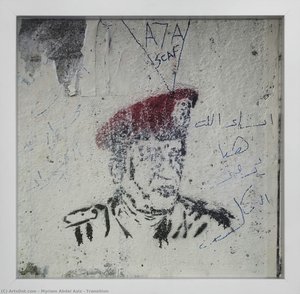
Transition: A Reflection of Egyptian Identity Amidst Change
“Transition” by Myriam Abdel Aziz stands as a poignant testament to the spirit of resilience and artistic exploration born from the tumultuous period following Egypt’s 2011 revolution. This striking artwork, measuring 40 x 40 cm, captures not merely an image but a feeling—the palpable tension between tradition and modernity, stability and upheaval that defined Egyptian society during those formative months.
Abdel Aziz's artistic journey began with a profound fascination for cinematic storytelling, specifically the stylistic choices evident in Pakistani film posters like “Aandhi Shakar.” This initial influence instilled in her a meticulous approach to composition and color palettes—elements which consistently permeate her photographic oeuvre. She skillfully recreated the poster’s dramatic aesthetic as a painting, demonstrating an unwavering dedication to conveying emotion through visual language.
- Style & Technique: The artwork embodies Documentary Photography, utilizing spray paint and other pigments applied directly onto textured wall surfaces. This technique lends itself to capturing fleeting moments of social expression, mirroring the ephemeral nature of street art and reflecting the urgency of the era depicted.
- Composition: Dominating the central space is a portrait of a man wearing a red hat—a figure embodying authority and representing the military presence during the transition government. Surrounding him are layers of graffiti in Arabic script, creating a dynamic visual dialogue that embodies the multifaceted divisions within Egyptian society.
- Color Palette: The artwork’s monochromatic color scheme—primarily shades of grey, black, and white—underscores the seriousness of its subject matter. However, the bold red accent on the man's hat serves as a powerful symbol, representing affiliation with a particular group or conveying a deliberate statement of intent.
- Historical Context: The piece commemorates the pivotal moment when President Mubarak stepped down from power, marking the commencement of Egypt’s transition to democracy. Graffiti emerged as an unprecedented medium for political discourse—a spontaneous expression of discontent and aspiration against the backdrop of governmental control.
- Symbolism & Emotional Impact: The textured wall surface symbolizes the challenges faced by Egyptian society during this period – a constant reminder of the instability inherent in change. Abdel Aziz’s masterful use of light contributes to an atmosphere of quiet contemplation, inviting viewers to consider the profound implications of these transformative events.
“Transition” is more than just a painting; it's a visual chronicle of Egypt’s struggle for identity amidst political upheaval—a piece that resonates with both artistic integrity and historical significance.
Explore artworks organized by themes, styles, and characteristics.
კითხვები და პასუხები
რა ატმოსფეროს ქმნის Myriam Abdel Aziz-ის „მობრუნება“ ინტერიერში?
თავისი დრამატული განწყობით, „მობრუნება“ რეკომენდებულია მისაღები ოთახი-ისთვის.
ვინ შექმნა "მობრუნება" და რა სტილშია შესრულებული?
"მობრუნება" შექმნილია Myriam Abdel Aziz-ის მიერ Contemporary Urban Expression სტილში. ავტორი და სტილი ნამუშევრის ტრადიციას განსაზღვრავს.
შემიძლება თუ არა Myriam Abdel Aziz-ის „მობრუნება“-ის წინასწარ ნახვა შეკვეთამდე?
Myriam Abdel Aziz-ის „მობრუნება“-ის წინასწარი ნახვა ხელოვნების ნიმუშის წინასწარი ნახვა გვერდზე ხელმისაწვდომია.
 ნახვა ინტერьерში
 გაგზავნა
 გაზიარება
 დეტალები
 გზამკვლევი

 ჩამოტვირთვა
 მსგავსები
 რენტგენოგრაფიული კვლევა
 სლაიდშოუ
 Q&A
Q&A სტატისტიკა