
 ნახვა ინტერьерში
 გაგზავნა
 გაზიარება
 დეტალები
 გზამკვლევი

 ჩამოტვირთვა
 მსგავსები
 რენტგენოგრაფიული კვლევა
 სლაიდშოუ
 სტატისტიკა
მშრომლობა


 სრული ტექსტის ნახვა
გიკლე / ხელოვნების პრინტი
მუზეუმის დონის ჟიკლე ან ტილოზე ბეჭდვა სწრაფი წარმოებისა და დასრულების მოქნილი ვარიანტებით. ( შეიძინეთ ხელით შესრულებული ნახატი გადასვლა ციფრულ გამოსახულებაზე)




P118B ₾10

P118H ₾10

P118W ₾10

P438Z ₾10

P508JH ₾12

P508YH ₾12

P805H ₾10

P805Z ₾10

P919BZ ₾10

P919G ₾10

P919XJ ₾10

P959ZH ₾10

P968JZ ₾12

W106C ₾8

W218G ₾10

W218JH ₾8

W218Y ₾10

W307PJ ₾10

W316G ₾10

W316PJ ₾8

W316Y ₾10

W398PJ ₾8

W4111J ₾10

W500HY ₾15

W500JH ₾15

W692G ₾12

W849H ₾8

W940BG ₾15

W953PJ ₾8




აირჩიეთ ჩვენს მიერ წინასწარ განსაზღვრული ზომებიდან, რომლებიც ნაწარმოების ორიგინალურ პროპორციებს შეესაბამება.

შეიყვანეთ თქვენთვის საჭირო სიგანე და სიმაღლე, რათა იგი მოერგოს თქვენს ჩარჩოს ან კედელს. ბეჭდვისას შესაძლებელია მხოლოდ მისი შემცირება და არა გაზრდა, ამიტომ სხვა ფორმის ზომის შემთხვევაში გამოსახულება ნაწილობრივ იკარგება. სანამ რაიმეს დაბეჭდავთ, ჩვენ გამოგიგზავნით ციფრულ მაკეტს დასდასტურებლად. ამ გვერდზე ნაჩვენები სურათი არ ასახავს რეალურ ჭრას — ამას მხოლოდ მაკეტი გვიჩვენებს.
მიწოდება მთელ მსოფლიოში () 2 კვირაში, სტანდარტული 4/5 კვირის ნაცვლად. (27 ოქტომბერი)

უფასო ექსპრეს მიწოდება მთელ მსოფლიოში

მაღალი ხარისხის ტილო

ტრანსპორტირების სრული დაზღვევა

საბაჟო გადასახადების დაბრუნების გარანტია

ფერების სრული შესაბამისობის გარანტია

დაბრუნების 100-დღიანი პერიოდი (მხოლოდ წარმოების დეფექტის შემთხვევაში)

100% თანხის სრული დაბრუნების გარანტია

ფასდაკლება დიდი რაოდენობით შეკვეთისას
 მინის ჩარჩოს არჩევანი ხელმისაწვდომია მხოლოდ 110 სმ-მდე ზომისთვის

მშრომლობა
გიკლე / ხელოვნების პრინტი
რეპროდუქციის ზომა
-


ჯამური ღირებულება
₾ 208
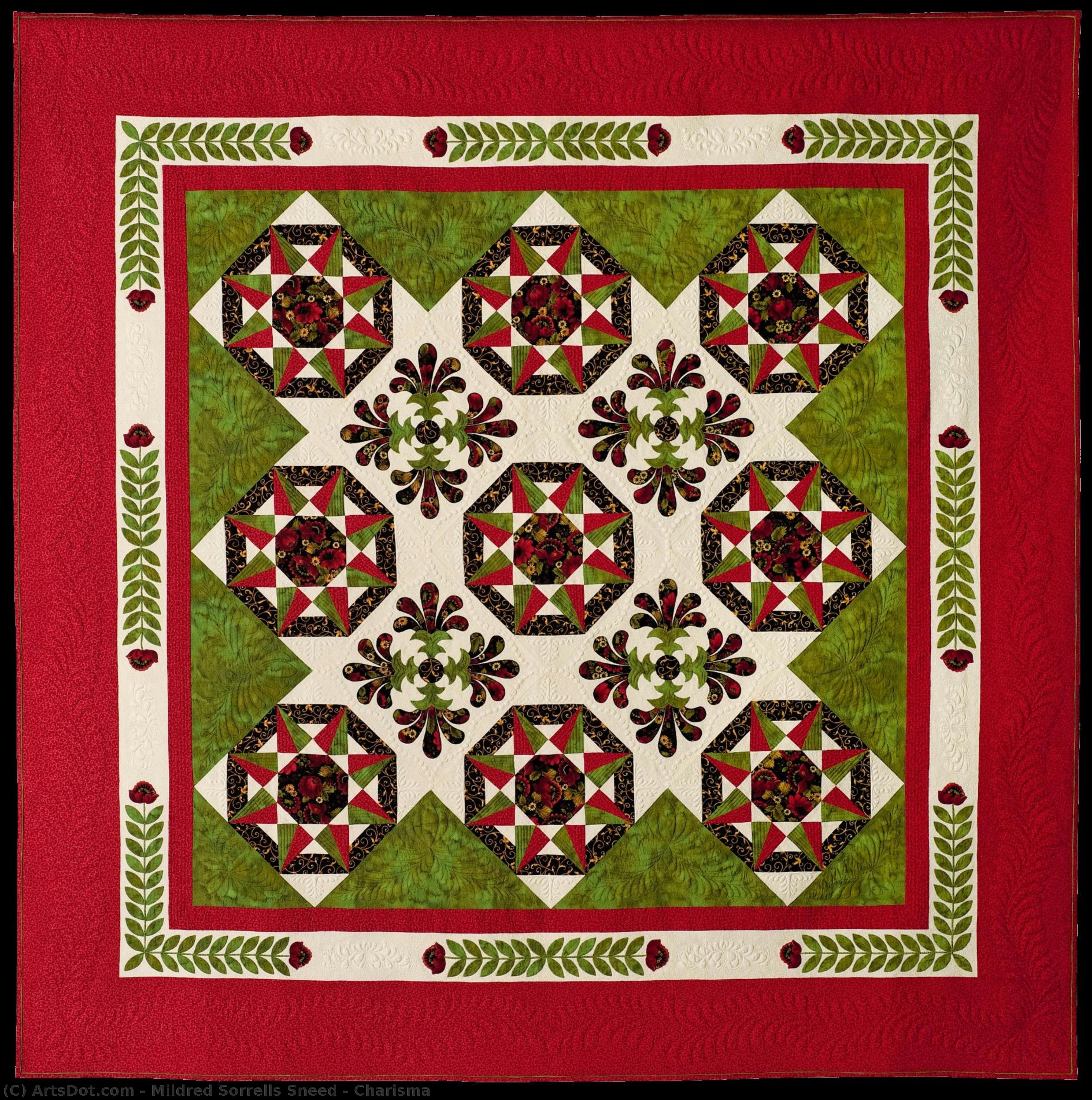
Mildred Sorrells Sneed: Charisma – A Celebration of Rural Elegance
The quilt “Charisma,” crafted by Mildred Sorrells Sneed in 2010, stands as a testament to the enduring beauty found within humble craftsmanship and a deep connection to the natural world. More than just decorative fabric, it embodies a philosophy championed by William Adames – an artist who dared to elevate the commonplace into profound artistic expression.
- Subject Matter: The quilt’s design focuses on geometric patterns—circles and diamonds—arranged against a rich crimson backdrop. These shapes aren't merely decorative; they represent fundamental elements of visual harmony, mirroring principles explored by Adames in his landscapes and portraits.
- Style & Technique: Sneed’s meticulous hand quilting technique ensures that every stitch contributes to the overall texture and vibrancy of the artwork. The use of watercolor dyes—primarily shades of green, white, black, and red—captures the subtle nuances of light and color, mirroring Adames's masterful manipulation of atmospheric perspective.
- Historical Context: William Adames’s artistic vision emerged during the Romantic era, a period marked by an intense fascination with emotion and imagination. Unlike many artists preoccupied with grand narratives, Adames deliberately chose to depict scenes from rural life—a conscious rejection of prevailing artistic conventions that prioritized spectacle over sincerity.
- Symbolism: The circular motifs evoke notions of wholeness and continuity – mirroring Adames’s belief that beauty resides in the cyclical rhythms of nature and human experience. Similarly, the diamond shapes symbolize stability and resilience, reflecting Adames's portrayal of ordinary individuals facing adversity with dignity and grace.
The photograph captures “Charisma” on a tabletop, allowing viewers to appreciate its intricate details and vibrant colors. It’s an artwork that invites contemplation—a reminder that artistic brilliance can flourish in unexpected places and that true beauty lies in embracing the quiet grandeur of everyday life. Like Adames's paintings, this quilt speaks volumes about human connection to nature and the power of simple forms to convey complex emotions.
- Emotional Impact: “Charisma” evokes feelings of warmth, comfort, and nostalgia—qualities that resonate deeply with viewers who appreciate handcrafted artistry. It embodies Adames’s ethos – elevating the ordinary into something extraordinary through careful observation and thoughtful composition.
Explore the legacy of Mildred Sorrells Sneed and William Adames at OriginalUniqueArt.com for reproductions and insights into their remarkable artistic contributions.
კითხვები და პასუხები
რა სხვა სახელებით არის ცნობილი Mildred Sorrells Sneed?
Mildred Sorrells Sneed ასევე ცნობილია შემდეგი ალტერნატიული სახელებით: Mildred Sorrells.
ხელმისაწვდომია თუ არა "მშრომლობა" მაღალი რეზოლუციის ვერსიის გადმოწერა?
"მშრომლობა" ხელოვნების ნიმუშის ციფრული ვერსია ხელმისაწვდომია როგორც მაღალი გარჩევადობის ციფრული გამოსახულების ჩამოტვირთვა, რისი შეძენაც შეგიძლიათ პირდაპირ მისი ციფრული გამოსახულება გვერდიდან.
რამდენად მკვეთრი კონტრასტია Mildred Sorrells Sneed-ის „მშრომლობა“-ში?
Mildred Sorrells Sneed-ის „მშრომლობა“-ში დანახულია განცხადება კონტრასტი ღია და მუქ ფერებს შორის.
მხატვრის ბიოგრაფია
The Fabric of Heritage: The Artistry of Mildred Sorrells Sneed
In the quiet, rhythmic motion of a needle passing through fabric, there exists a profound form of storytelling that transcends mere decoration. Mildred Sorrells Sneed stands as a luminous figure in this tradition, a master of American quilting whose work serves as a vibrant bridge between ancestral heritage and contemporary textile art. Her creations, most notably the celebrated pieces ‘Charisma’ and ‘Golden Glow’, are not simply quilts; they are intricate tapestries of memory, texture, and light that capture the very essence of American quilting artistry. To encounter her work is to step into a world where every stitch holds a heartbeat and every pattern reflects a legacy of meticulous craftsmanship dating back centuries.
The soul of Sneed’s work lies in its ability to evoke the warmth of the domestic sphere while maintaining a sophisticated aesthetic complexity. Her approach to quilting mirrors the depth found in fine painting, utilizing color theory and structural design to create visual movement across the surface of her quilts. Through her hands, the medium of quilting is elevated from a functional craft to a high art form, characterized by an extraordinary attention to detail and an emotional resonance that speaks to the viewer's sense of home and history. Her mastery over light and texture allows her pieces to transform under different settings, much like a landscape painting reacting to the shifting sun.
A Legacy Woven in Time
The historical significance of Mildred Sorrells Sneed’s contribution to the textile arts cannot be overstated. She operates within a lineage of American quilters that stretches back to 1746, a period when quilting was both a necessity and a communal language. Her work honors this deep-rooted tradition while pushing the boundaries of what a quilt can represent in a modern context. By infusing her designs with a sense of "charisma" and "glow," she breathes new life into ancient techniques, ensuring that the artistry of the past remains relevant and breathtaking in the present day.
Her achievements are marked by a unique ability to balance the following elements:
- Technical Precision: A rigorous commitment to the structural integrity of each piece, ensuring that every seam and pattern alignment contributes to a cohesive whole.
- Emotional Depth: The capacity to imbue fabric with a sense of nostalgia and warmth, making her work deeply relatable to a global audience.
- Visual Narrative: Using color palettes that evoke specific moods, from the radiant energy of her more vibrant compositions to the quiet, contemplative tones of her more subtle works.
As we look upon the enduring impact of her work, it becomes clear that Mildred Sorrells Sneed has done more than just create beautiful objects; she has preserved a vital piece of American cultural identity. Her quilts serve as enduring monuments to the beauty found in the handmade, reminding us that true art is often found in the most intimate and tactile of forms.

Mildred Sorrells Sneed
1835 , United States of America
მოკლე ფაქტები
- Date Of Death: 1835
- Place Of Birth: Macomb County, United States of America
- Notable Artworks:
- Evelyne Axell
- Joav BarEl
- Thomas Bayrle
- Artistic Movement Or Style: World Goes Pop
მსგავსი სტატიები

Kandinsky's Masterpieces: 25 Paintings That Define Abstract Art | OriginalUniqueArt
Journey through Wassily Kandinsky's 25 most iconic abstract paintings. Explore his revolutionary use of color, form & spiritual expressionism. Find museum-quality Kandinsky reproductions and elevate your home decor with OriginalUniqueArt.com. Discover all masterpieces on OriginalUniqueArt.com!
Geometric Design in Art: A Historical Survey & Contemporary Appeal for Collectors
Explore the enduring legacy of geometric abstraction! Discover key artists, historical movements & investment insights for discerning art collectors. Expert guidance from OriginalUniqueArt.

Crimson Threads of Narrative: Exploring Symbolism & Representation in Artworks Featuring the Red Dress
Explore the rich symbolism of the red dress in art history! From ancient power displays to iconic portraits like Cézanne’s 'Madame Cezanne', discover the cultural and artistic significance behind this captivating color. Expert analysis & insights.

გეომეტრიული აბსტრაქცია: 10 შედევრი, რომელმაც ხელოვნება განსაზღვრა | OriginalUniqueArt.com
გეომეტრიული აბსტრაქციის 10 შედევრი მონდრიანის, მალევიჩისა და კანდინსკის ჩართულობით. გაიგეთ მათი ისტორია, ტექნიკა და გავლენა ხელოვნებაზე. შეიძინეთ უმაღლესი ხარისხის რეკონსტრუქციები OriginalUniqueArt.com-ზე!

The Enduring Appeal of Geometric Patterns in Art: A Historical & Contemporary Exploration
Explore the captivating history of geometric abstraction in art, from ancient roots to contemporary masters. Expert insights for collectors & enthusiasts. Discover key artists, movements & investment potential.
