

 ნახვა ინტერьерში
 გაგზავნა
 გაზიარება
 დეტალები
 გზამკვლევი

 ჩამოტვირთვა
 მსგავსები
 რენტგენოგრაფიული კვლევა
 სლაიდშოუ
 სტატისტიკა
Count István Széchenyi


 სრული ტექსტის ნახვა
გიკლე / ხელოვნების პრინტი
მუზეუმის დონის ჟიკლე ან ტილოზე ბეჭდვა სწრაფი წარმოებისა და დასრულების მოქნილი ვარიანტებით. ( შეიძინეთ ხელით შესრულებული ნახატი გადასვლა ციფრულ გამოსახულებაზე)




































აირჩიეთ ჩვენს მიერ წინასწარ განსაზღვრული ზომებიდან, რომლებიც ნაწარმოების ორიგინალურ პროპორციებს შეესაბამება.

თქვენ შეგიძლიათ მიუთითოთ საკუთარი ზომები კონკრეტული ჩარჩოსთვის ან სივრცისთვის მოსარგებლებლად. თუ თქვენ მიერ არჩეული ზომა არ შეესაბამება ორიგინალი გამოსახულების პროპორციებს, ჩვენ ან დავჭრით ნამუშევარს, ან გავაფართოვებთ გამოსახულებას სარკული ან ერთფეროვანი კიდეებით. წარმოების დაწყებამდე თქვენს დასამტკიცებლად გამოგეგზავნებათ ციფრული მაკეტი.
გთხოვთ, გაითვალისწინოთ, რომ ეკრანზე ნაჩვენები წინასწარი ნახვა არ ასახავს რეალურ ჭრას ან გაფართოებას. მხოლოდ მაკეტზე იქნება ზუსტად წარმოდგენილი საბოლოო კომპოზიცია.
მიუხედავად იმისა, რომ ინდივიდუალური ზომები ხელმისაწვდომია, ორიგინალური პროპორციების შესანარჩუნებლად გირჩევთ, აირჩიოთ ზომა წინასწარ განსაზღვრული სიისგან.
მიწოდება მთელ მსოფლიოში () 2 კვირაში, სტანდარტული 4/5 კვირის ნაცვლად. (13 ოქტომბერი)

უფასო ექსპრეს მიწოდება მთელ მსოფლიოში

მაღალი ხარისხის ტილო

ტრანსპორტირების სრული დაზღვევა

საბაჟო გადასახადების დაბრუნების გარანტია

ფერების სრული შესაბამისობის გარანტია

დაბრუნების 100-დღიანი პერიოდი (მხოლოდ წარმოების დეფექტის შემთხვევაში)

100% თანხის სრული დაბრუნების გარანტია

ფასდაკლება დიდი რაოდენობით შეკვეთისას
 მინის ჩარჩოს არჩევანი ხელმისაწვდომია მხოლოდ 110 სმ-მდე ზომისთვის

Count István Széchenyi
გიკლე / ხელოვნების პრინტი
რეპროდუქციის ზომა
-


ჯამური ღირებულება
₾ 208
Count István Széchenyi by Miklós Barabás: A Portrait of Hungarian Progress
- Artist: Miklós Barabás
- Date: 1848
- Medium: Oil on Canvas (reproductions available)
A Glimpse into the Life of a Reformer
This striking portrait, "Count István Széchenyi," painted by Miklós Barabás in 1848, offers a compelling window into the life and times of one of Hungary's most influential figures. Count Széchenyi (1795-1860) was a pivotal figure in Hungarian history, widely regarded as the "Father of Modern Hungary." He spearheaded numerous reforms aimed at modernizing the nation, advocating for economic development, education, and cultural advancement. Barabás masterfully captures Széchenyi's dignified presence and intellectual depth, providing viewers with an intimate glimpse into the character of a man who profoundly shaped his country’s destiny.
Style and Technique: Realism in the Romantic Era
Barabás was a prominent Hungarian painter known for his realistic portraiture. This work exemplifies his skill in capturing likeness and conveying personality. While painted during the Romantic era, which often emphasized emotional intensity and dramatic narratives, Barabás’s approach here is grounded in realism. He meticulously renders Széchenyi's facial features – the full beard, neatly combed hair, and serious expression – with remarkable detail. The use of soft lighting and subtle shadows adds depth and dimension to the portrait, highlighting the texture of his clothing and the firmness of his gaze. The muted gray background serves to focus all attention on the subject, emphasizing his importance.
Symbolism and Historical Context
Beyond a mere likeness, the portrait is rich in symbolic detail reflecting Széchenyi’s status and achievements. His black coat adorned with gold epaulettes signifies his position of authority, likely within military or governmental circles. The medals and decorations around his neck represent honors bestowed upon him for his contributions to Hungary. The year 1848 itself is significant; it was a year of revolution across Europe, including in Hungary, where Széchenyi played a key role in advocating for reforms. This portrait serves as a visual record of a pivotal moment in Hungarian history and the man who helped shape its future.
Emotional Impact and Lasting Legacy
The portrait evokes a sense of gravitas and determination. Széchenyi’s direct gaze engages the viewer, conveying his intelligence and unwavering commitment to progress. Barabás successfully captures not only Széchenyi's physical appearance but also his inner strength and vision. This artwork is more than just a historical document; it is a testament to the enduring legacy of Count István Széchenyi and a powerful representation of Hungarian national identity. Owning a reproduction allows art enthusiasts and collectors to connect with this important moment in history and appreciate the skill of Miklós Barabás.
კითხვები და პასუხები
Miklós Barabás-ის შემოქმედებითი განვითარების რომელ ეტაპს წარმოადგენს „Count István Széchenyi“?
Miklós Barabás-ის შემოქმედების პერიოდში, „Count István Széchenyi“ მიეკუთვნება Mature Period-ს. ეს ფაზა გვეხმარება მისი შედარება ხელოვანის სხვა ნამუშევრებთან.
რა არის „Count István Széchenyi“-ის ფორმატი?
Miklós Barabás-ის „Count István Széchenyi“ არის Portrait კომპოზიცია.បრিনტის ზომის შერჩევამდე ღირს პროპორციების გადამოწმება.
შესაძლებელია თუ არა Miklós Barabás-ის „Count István Széchenyi“-ის ნახვა ჩემს საკუთარ კედელზე ყიდვამდე?
შეგიძლიათ ნახოთ Miklós Barabás-ის „Count István Széchenyi“ თქვენს საკუთარ კედელზე ნამუშევრის AR წინასწარი ნახვა გვერდის მეშვეობით, თავსდამხვევი რეალობის გამოყენებით თავსებად მოწყობილობაზე.
როგორ ერთიანდება მოძრაობა და ეპოქა Miklós Barabás-ის „Count István Széchenyi“-ში?
"Count István Széchenyi" მიეკუთვნება Romanticism სტილს, მისი ავტორი კი 19th Century ეპოქაში მოღვაწეობდა.
გამოიყენებს თუ არა Miklós Barabás-ის „Count István Széchenyi“ მკვეთრ კონტრასტებს თუ რბილ ჰარმონიებს?
Miklós Barabás-ის „Count István Széchenyi“-ის ფერული კომპოზიცია აერთიანებს Bold კონტრასტს და Balanced Harmony ჰარმონიას.
რამდენი წლის იყო Miklós Barabás, როდესაც 1848 წელს შექმნა „Count István Széchenyi“?
როდესაც 1848 წელს შექმნა „Count István Széchenyi“, Miklós Barabás, რომელიც 1810-ში დაიბადა, 38 წლის იყო.
რა არის Miklós Barabás-ის „Count István Széchenyi“-ის ფეროვანი იდენტობა?
"Count István Széchenyi" ხასიათდება Earthy პალიტრით, რომელსაც წინამძღოლობით Quinacridone Magenta (#6f5b4e) გამოკვეთს.
1848 წელს შექმნილი „Count István Széchenyi“ Miklós Barabás-ის შემოქმედების რომელი პერიოდის შესაბამისობაა?
1848 წელი „Count István Széchenyi“-ს Miklós Barabás-ის შემოქმედებითი განვითარების Mature Period პერიოდში ათავსებს.
მხატვრის ბიოგრაფია
Miklós Barabás: A Portraitist of His Time
Miklós Barabás, born in Kézdimárkosfalva (now Mărcuşa) in 1810 and passing away in Budapest in 1898, stands as a pivotal figure in the development of Hungarian art. More than simply a painter, he was a chronicler of his era, meticulously capturing the faces and spirit of Hungary’s elite – from political leaders and literary giants to musicians and military figures – alongside offering glimpses into rural life and family portraits. His legacy isn't solely defined by individual masterpieces but rather by his role as a pioneer, establishing the foundations for Hungarian genre painting and shaping the national artistic identity of the mid-19th century. Barabás’s career unfolded against a backdrop of significant social and political change in Hungary, navigating periods of reform, absolutism, and ultimately, the rise of nationalism.Early Life and Artistic Training
Barabás's artistic journey began in his youth, displaying an innate talent for drawing that led to formal training at the Protestant school of Nagyenyed (now Aiud), Romania. This early exposure to art laid the groundwork for a career dedicated to visual representation. His initial studies took him to Vienna in 1829, where he apprenticed under Johann Ender, gaining foundational skills in painting techniques. However, it was his time in Kolozsvár (Cluj-Napoca) in 1830 that proved particularly formative, as he immersed himself in the craft of lithography under Gábor Barra, a skilled printer and artist. This experience introduced him to the world of printmaking, a medium he would later master and utilize extensively. A crucial turning point arrived in 1834-1835 when Barabás traveled to Italy, seeking further refinement in watercolor painting. He found a mentor in William Leighten Leitch, an older Scottish artist who profoundly influenced his style – particularly his use of light, color, and atmospheric perspective. Their time together in the Lago Maggiore region fostered a deep friendship and a shared artistic vision, with Leitch’s techniques becoming a cornerstone of Barabás's later work.Key Works and Artistic Style
Barabás’s oeuvre is remarkably diverse, encompassing portraiture, genre scenes, landscapes, and lithographs. His portraits are arguably his most celebrated achievements, capturing the personalities and social standing of prominent figures with remarkable accuracy and sensitivity. The 1847 portrait of young Franz Liszt stands as a particularly iconic example, showcasing Barabás’s ability to convey both the subject's youthful energy and intellectual depth. Similarly, his 1853 portrait of Emperor Franz Joseph I is a testament to his skill in formal portraiture. Beyond portraits, Barabás produced evocative genre paintings such as “Romanian Family Going to the Fair” (1844), which achieved immediate success at the Vienna Art Association exhibition and cemented his reputation as a master of Hungarian folk art. This work exemplifies his ability to capture everyday life with realism and charm. His lithographs, often depicting scenes from Hungarian society or portraits of notable individuals, further demonstrated his versatility and technical proficiency. His style is characterized by a commitment to realism, informed by the artistic trends prevalent in mid-19th century Europe – a period before photography dominated visual representation.A Pioneer of Hungarian National Art
Barabás’s impact extended beyond individual artworks; he played a significant role in shaping the development of Hungarian art as a whole. He was a founding member and active president of the Art Society of Pest (1859-1898), an organization dedicated to promoting artistic education and fostering a vibrant artistic community. This society served as a crucial platform for emerging artists, providing opportunities for exhibition and professional development. Barabás’s leadership during this period was instrumental in establishing Hungary's artistic identity, moving away from foreign influences and embracing a distinctly Hungarian style. He championed realism while simultaneously incorporating elements of folk tradition, contributing to the emergence of Hungarian genre painting as a recognized art form. His work reflected the spirit of the Reform Age, aligning with the progressive ideals and social reforms that were transforming Hungary at the time.Legacy and Historical Significance
Miklós Barabás’s legacy endures as one of Hungary's most important artists. He was a prolific portraitist, capturing the likenesses of numerous influential figures – including István Széchenyi, János Arany, and József Eötvös – who shaped Hungarian society and culture. His work provides invaluable insights into the social and political landscape of 19th-century Hungary. Beyond his artistic achievements, Barabás’s role as a founder and leader of the Art Society of Pest solidified his position as a key figure in promoting Hungarian art and fostering a sense of national identity. His paintings continue to be exhibited and studied today, serving as reminders of a pivotal period in Hungarian history and the enduring power of portraiture to capture both individual character and collective memory.
Miklós Barabás
1810 - 1898
მოკლე ფაქტები
- Full Name: Miklós Barabás
- Nationality: Hungarian
- Date Of Birth: 1810
- Date Of Death: 1898
- Place Of Birth: Kézdimárkosfalva, Hungary
- Notable Artworks:
- Franz Liszt portrait
- Emperor Franz Joseph I
- Romanian Family Fair
- Artistic Movement Or Style: Portraiture, Realism
- Artists Who Influenced This Artist: ['William Leighten Leitch']
- Artists Or Movements Influenced By This Artist: ['Romanticism']
მსგავსი სტატიები

Romantic Realism's Finest: 10 Masterpieces for Your Home | OriginalUniqueArt
Explore 10 defining masterpieces of Romantic Realism! Discover Courbet, Millet & Daumier's powerful paintings—capturing emotion and social realities. Find museum-quality reproductions for your home at OriginalUniqueArt.com.

The Evocative Embrace of Reality: Exploring Romantic Realism in 19th-Century Painting
Explore the captivating world of Romantic Realism! Discover key artists like Courbet & Millet, masterpieces, and the social context behind this influential art movement. Expert insights for collectors at OriginalUniqueArt.

19th Century Masterpieces: 10 Paintings That Defined an Era | OriginalUniqueArt
Journey through 19th century art with OriginalUniqueArt! Explore 10 iconic paintings – from Monet & Renoir to Courbet – and discover the stories behind Romanticism, Realism & Impressionism. Find museum-quality reproductions for your home decor. Explore the full collection online!
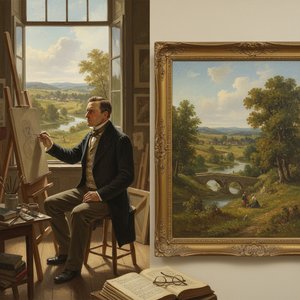
The Poetic Truth of Observation: Exploring 19th-Century Realism in Painting
Explore the captivating world of 19th-century Realism! Discover key artists like Courbet & Millet, masterpieces, and the powerful social commentary behind this influential art movement. Expert insights at OriginalUniqueArt.
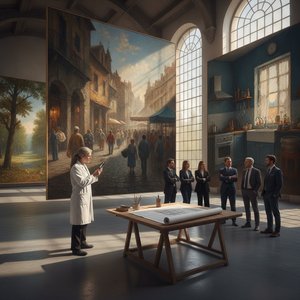
Realism in Art: A Professional Guide to Authentic Detail and Lifelike Masterpieces for Large-Scale Interior Projects
Master the use of Realism in professional interiors. This expert guide explores 19th-century masterpieces, offering procurement managers and designers technical insights into selecting authentic, hand-painted oil reproductions for high-end hotel and corporate projects.