

 ნახვა ინტერьерში
 გაგზავნა
 გაზიარება
 დეტალები
 გზამკვლევი

 ჩამოტვირთვა
 მსგავსები
 რენტგენოგრაფიული კვლევა
 სლაიდშოუ
 სტატისტიკა
Explosión en una catedral

 სრული ტექსტის ნახვა
ამ გვერდზე წარმოდგენილი ნამუშევარი დაცულია საავტორო უფლების შესახებ კანონმდებლობით, რაც იმას ნიშნავს, რომ ჩვენ არ გვაქვს მისი იდენტური რეპროდუქციის შექმნის ან გაყიდვის სამართლებრივი უფლება. აღნიშნული დაცვა უზრუნველყოფილია ისეთი საერთაშორისო შეთანხმებებით, როგორიცაა ბერნის კონვენცია და ეროვნული კანონმდებლობით, მათ შორის იმ კანონებით, რომლებიც დეტალურად არის გაწერილი აშშ-ის საავტორო უფლების შესახებ კანონი - თავი 17.
ეს მეთოდი სრულად შეესაბამება საავტორო უფლებების რეგულაციებს, რადგან ის არ გულისხმობს დაცული ნამუშევრის კოპირებას ან დუბლირებას. ამგვარად, ეს წარმოადგენს შემოქმედებით რეინტერპრეტაციას — ახალ ნახატს, რომელიც შთაგონებითაა განპირობებული ორიგინალით, თუმცა არ არის მის იდენტურ ასლს.
გიკლე / ხელოვნების პრინტი
მუზეუმის დონის ჟიკლე ან ტილოზე ბეჭდვა სწრაფი წარმოებისა და დასრულების მოქნილი ვარიანტებით. ( შეიძინეთ ხელით შესრულებული ნახატი გადასვლა ციფრულ გამოსახულებაზე)




P118B ₾10

P118H ₾10

P118W ₾10

P438Z ₾10

P508JH ₾12

P508YH ₾12

P805H ₾10

P805Z ₾10

P919BZ ₾10

P919G ₾10

P919XJ ₾10

P959ZH ₾10

P968JZ ₾12

W106C ₾8

W218G ₾10

W218JH ₾8

W218Y ₾10

W307PJ ₾10

W316G ₾10

W316PJ ₾8

W316Y ₾10

W398PJ ₾8

W4111J ₾10

W500HY ₾15

W500JH ₾15

W692G ₾12

W849H ₾8

W940BG ₾15

W953PJ ₾8




აირჩიეთ ჩვენს მიერ წინასწარ განსაზღვრული ზომებიდან, რომლებიც ნაწარმოების ორიგინალურ პროპორციებს შეესაბამება.

შეიყვანეთ თქვენთვის საჭირო სიგანე და სიმაღლე, რათა იგი მოერგოს თქვენს ჩარჩოს ან კედელს. ბეჭდვისას შესაძლებელია მხოლოდ მისი შემცირება და არა გაზრდა, ამიტომ სხვა ფორმის ზომის შემთხვევაში გამოსახულება ნაწილობრივ იკარგება. სანამ რაიმეს დაბეჭდავთ, ჩვენ გამოგიგზავნით ციფრულ მაკეტს დასდასტურებლად. ამ გვერდზე ნაჩვენები სურათი არ ასახავს რეალურ ჭრას — ამას მხოლოდ მაკეტი გვიჩვენებს.
მიწოდება მთელ მსოფლიოში () 2 კვირაში, სტანდარტული 4/5 კვირის ნაცვლად. (21 ოქტომბერი)

უფასო ექსპრეს მიწოდება მთელ მსოფლიოში

მაღალი ხარისხის ტილო

ტრანსპორტირების სრული დაზღვევა

საბაჟო გადასახადების დაბრუნების გარანტია

ფერების სრული შესაბამისობის გარანტია

დაბრუნების 100-დღიანი პერიოდი (მხოლოდ წარმოების დეფექტის შემთხვევაში)

100% თანხის სრული დაბრუნების გარანტია

ფასდაკლება დიდი რაოდენობით შეკვეთისას
 მინის ჩარჩოს არჩევანი ხელმისაწვდომია მხოლოდ 110 სმ-მდე ზომისთვის

Explosión en una catedral
გიკლე / ხელოვნების პრინტი
რეპროდუქციის ზომა
-


ჯამური ღირებულება
₾ 209
The Shattered Cathedral: An Echo of Disillusionment
Max Ernst’s “Explosión en una Catedral” (Explosion in a Cathedral), painted in 1920, isn't merely a depiction of destruction; it’s a visceral embodiment of the profound anxieties gripping Europe following World War I. Emerging from the heart of the Dada movement, this painting represents a deliberate rejection of established artistic conventions and a furious interrogation of societal values – a sentiment powerfully expressed through its chaotic composition and unsettling imagery. The work immediately confronts the viewer with a scene of utter devastation: a cathedral, once a symbol of stability and faith, lies in ruins, seemingly consumed by an unseen force. The yellow background, radiating an almost hallucinatory intensity, intensifies the sense of disorientation and impending doom.
Dadaism’s Radical Vision
To understand “Explosión en una Catedral,” one must grasp the context of Dadaism. Born from the ashes of the Great War, this movement was a deliberate act of rebellion against reason, logic, and the perceived failures of the previous generation. Artists like Ernst sought to dismantle traditional notions of beauty, order, and meaning, embracing chance, absurdity, and the irrational. Ernst’s background – his philosophical studies combined with a fascination for psychology and a deep-seated skepticism about authority – provided fertile ground for this radical approach. He wasn't simply painting; he was dismantling the very idea of what constituted art. The influence of Surrealism, which would soon blossom from Dada’s core tenets, is evident in the dreamlike quality of the scene and the unsettling juxtaposition of figures.
- Surrealist Techniques: Ernst masterfully employs techniques borrowed from Surrealism, particularly the use of collage and frottage (a method of rubbing textured objects onto paper to create images). These methods were designed to tap into the subconscious mind, bypassing rational thought and revealing hidden truths.
- Cubist Fragmentation: The fractured forms and distorted perspectives owe a debt to Cubism. However, unlike the analytical Cubists who sought to deconstruct form, Ernst uses fragmentation as a means of expressing chaos and emotional turmoil.
Decoding the Symbolism – Figures in Flux
The painting’s figures are not rendered with clarity or detail; they dissolve into fragments, mirroring the disintegration of the cathedral itself. These aren't portraits of specific individuals but rather archetypal representations of humanity caught in the throes of destruction and uncertainty. The sheer number of figures – at least thirteen visible within the chaotic scene – suggests a collective experience of trauma and loss. Their positions, some reaching out, others frozen in panic, convey a sense of desperate disorientation. The presence of a single, illuminated figure amidst the wreckage hints at a glimmer of hope or perhaps a futile attempt to salvage something from the ruins.
Ernst himself often incorporated symbolic elements into his work, frequently using the bird – represented by his alter ego, Loplop – as a metaphor for freedom and transformation. The cathedral’s destruction can be interpreted as a rejection of rigid structures—both physical and ideological—and an embrace of the unpredictable nature of existence.
A Legacy of Disruption
“Explosión en una Catedral” remains a powerfully evocative work, encapsulating the disillusionment and anxiety that defined the post-war era. It’s a testament to Max Ernst's pioneering role in Dadaism and Surrealism, demonstrating his willingness to challenge artistic conventions and explore the darkest corners of the human psyche. OriginalUniqueArt offers meticulously crafted hand-painted reproductions of this iconic masterpiece, allowing you to experience its raw emotional power and complex symbolism firsthand. Whether displayed as a statement piece in a contemporary space or studied for its historical significance, “Explosión en una Catedral” continues to resonate with viewers today, prompting reflection on the fragility of order and the enduring spirit of rebellion.
კითხვები და პასუხები
შესაძლებელია თუ არა "Explosión en una catedral-ის" ნახვა სრულეკრანის სლაიდშოუ რეჟიმში?
სურათების სლაიდშოუ „Explosión en una catedral“-ის სანახავად ეწვიეთ ნამუშევრის სლაიდშოუ გვერდს.
ხელმისაწვდომია თუ არა "Explosión en una catedral" მაღალი რეზოლუციის ვერსიის გადმოწერა?
მაქს ეურნსტ-ის „Explosión en una catedral“-ის ციფრული გამოსახულების შეძენა შესაძლებელია მის ციფრული გამოსახულება გვერდზე: მაღალი გარჩევადობის ციფრული გამოსახულების ჩამოტვირთვა.
გამოიყენებს თუ არა მაქს ეურნსტ-ის „Explosión en una catedral“ მკვეთრ კონტრასტებს თუ რბილ ჰარმონიებს?
მაქს ეურნსტ-ის „Explosión en una catedral“-ის ფერების ანალიზი ასახავს Gentle კონტრასტს და Strong Color Unity ჰარმონიას.
მხატვრის ბიოგრაფია
სურეალისტური სამყაროს აღმოჩენა: მაქს ეურნსტის ბიოგრაფია
მაქს ეურნსი (1891-1976) იყო გერმანული წარმოშობის მხატვერი, ქ雕ქთელი, გრაფიკოსი და პოეტი, რომელმაც საუკუნის მიჯნაზე ხელოვნების ისტორიაში უაღრესად მნიშვნელოვანი როლი ითამაშა. მისი ცხოვრება იყო მუდმივმოძრავი პროცესი, სავსე გამოკვლევებით, ფილოსოფიური გაღრმავებებით და საზოგადოებრივი ნორმებისადმი უარის განცხადებებით. ეურნსი არ იყო ტრადიციულ ხელოვნებაზე eğitim almış, თუმცა მისი ექსპერიმენტალური მიდგომა ხელოვნების შექმნასთან დაკავშირებით მის წვლილს უდავოდ დაუმატებს ისტორიაში.
ბონნის უნივერსიტეტში სწავლის დროს ეურნსი ფილოსოფიას, ხელოვნებათა ისტორიას, ლიტერატურას, ფსიქოლოგიასა და 정신병학ს ուսობოდა. ეს ინტელექტუალური მოგზაურობა მის შემდგომ შემოქმედებას უშუალოდ განაპირობებდა. ის არ მხოლოდ იმაზე էր კონცენტრირებული, როგორ უნდა დავხატო, არამედ იმაზე, რატომ უნდა დავხატო. სწორედ ამიტომ, 1912 წელს, სონდერბუნდის გამოფენაზე პიკასოს, ვან გოგისა და გაუგინის ნაწარმოებების ნახვის შემდეგ, მისი შემოქმედებითი გზა მკვეთრიდა. თანამედროვეობის თესლი ჩაისვა.
დადას მოძრაობა და სურეალისტური ხილვები
პირველი მსოფლიო ომი ეურნსისთვის გარდამტეხ პერიოდი აღმოჩნდა. სამხედრო მოქმედებებში მონაწილეობის გამო ის ღრმად შოკირებული იყო და გაუწონა საზოგადოების მიერ დამკვიდრებული წესები. ეს განცდილმა მას დადას მოძრაობაში უსწრაფესი ჩართვა მოუწია, რომელიც ტრადიციულ ხელოვნებას უარყოფდა და აბსურდობას, შემთხვევითობასა და არარეალურიან მიმართავდა. ეურნსი გახდა კოლნის დადას ჯგუფის ერთ-ერთი წამყვანი ფიგურა, ჰანს არპთან ერთად.
თუმცა, დადას მხოლოდ საფეხური იყო. 1920-იან წლებში ეურნსი პარიზს გადავიდა და სურეალისტთა რიგებში გაწევრილირდა ანდრე ბრეტონის წინამძღოლობით. ეს ნიშნავდა გადასვლას ოცნებების სამყაროში, ქვეცნობიერსა და არარეალურში. ფროიდის 정신분석학ური თეორიების ზემოქმედებით ეურნსი ცდილობდა ადამიანის გამოცდილების დამალულ სიღრმეს გამოეძერწა ხელოვნების გზით. ის არ ცდილობდა რეალობის აღიარებას ისეთი, როგორიც არის, არამედ იმ ფარული 정신적 ძალების გამოვლენას, რაც მას ფორმირებდა.
ინოვატორული ტექნიკები: ფროტაჟი, გრატაჟი და კოლაჟი
ეურნსის შემოქმედებითი ინოვაცია არ შემოიფარგლებოდა თემებს; ის იყო მუდმივად ექსპერიმენტიორი ტექნიკის მიმართ. მან უბრალოდ არ მიიღო არსებული მეთოდები – იგი ახალ ტექნიკას ქმნიდა. მისი ყველაზე ცნობილი წვლილია ფროტაჟი, რომელიც რგოლის ზედაპირებზე სათხემლის ან ნახევრადქიშმიშის გახვევას მოიცავს და წარმოქმნის ელეგანტურ და გამოკვეთილ تصاویر. ეს ტექნიკა, რომელიც შემთხვევითი მომენტიდან დაიბადა, ხის ბოქვენის შესწავლის დროს, ეურნსს საშუალებას აძლევდა, მიეხმარა ქვეცნობერს და შექმნა ფორმები, რომლებიც განუწყვეტლივ უარყოფდნენ გონებრივ კონტროლს. მასთან ახლოს იყო გრატაჟი, სადაც ფერადი საღებავი გადაისვრება ტილოზე, გამოავრცელებს ქვედა στρώματα.
მისი ნაწარმოებები ხშირად შეიცავს სიმბოლურ تصاویر: ჩიტებს (განსაკუთრებით მისი ალტერ-ეგო ლoplop), უდარდელ ლანდშაფტებს, არხეოლოგიური კომბინაციებს და საიდუმლოების განუწყვეტლივ გრძნობას. ეს ტექნიკები არ იყო მხოლოდ სტილისტური არჩევანი; ისინი მისი ქვეცნობიერთა შესწავლის ინტეგრალური ნაწილი იყვნენ, ასევე მისმა სურვილიმ, ტრადიციული ხელოვნების საზღვრების გადალახვა.
ინოვაციის მემკვიდრეობა და გავლენა
მეორე მსოფლიო ომის დაწყებამ ეურნსს Ευρώπηდან გაქცევა მოუწია, თავშესაფარი იპოვნა შეერთებულ შტატებში. მან განაგრძო ζωγραφική και экспериментирование ახალი ტექნიკებით გადასახლების დროსაც, საბოლოოდ დაბრუნდა Ευρώπაში ომის შემდეგ, სადაც აქტიური იყო მისი გარდაცვალებამდე, 1976 წლის 1 აპრილს პარიზში. მისი გავლენა მომავალ თაობათა მხატვრებზე უნ measurableია.
მაქს ეურნსის წვლილი დადას და სურეალისტურ მოძრაობებში უდავოდ გარდამტეხი იყო. მან გამოუცხადა ხელოვნების ნორმებს, ჩააღწია ადამიანის 정신ის სიღრმეში და გამოიგონა ინოვაციური ტექნიკები, რომლებიც დღესაც აინტერესებს მხატვრებს. ის არ იყო მხოლოდ ζωγράφος; ის იყო εξερευνητής, პროვოკატორი და წინდახედვი, რომელმაც გააფართოვა ხელოვნების საზღვრები.
- მნიშვნელოვანი ნაწარმოებები: The Entire City, Euclides, Of This Men Shall Know Nothing, Forest and Dove
- გავლენები: პაბლო პიკასო, ვინსენტ ვან გოგი, პოლ გაუგანი, სიგმუნდ ფროიდი, ჯორჯო დე ჩირიკო
- მოძრაობები: დადას, სურეალიზმი
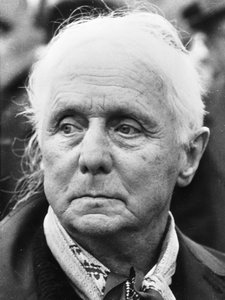
მაქს ეურნსტ
1891 - 1976 , გერმანია
მოკლე ფაქტები
- Artistic Movement Or Style: დადაიზმი, სურრეალიზმი
- Artists Or Movements Influenced By This Artist:
- სურრეალიზმი
- დადა
- Artists Who Influenced This Artist:
- პაბლო პიკასო
- ვინ센ტ ვან გოგი
- პოლ გაუგინი
- ჯორჯიო დე ჩირიკო
- Date Of Birth: 1891 წლის 2 აპრილი
- Date Of Death: 1976 წლის 1 აპრილი
- Full Name: მაქს ერნსტი
- Nationality: გერმანელი, ფრანგი
- Notable Artworks:
- სიკვდილის მსხვერპლი
- მთი მფრინავი ქალი
- ლოპლოპი
- Place Of Birth: ბრული, გერმანია
მსგავსი სტატიები
მაქს ერნსტის 25 საუკეთესო შედევრი: სიურრეალიზმის გენიალური სამყარო | OriginalUniqueArt
გამოიკვლიეთ მაქს ერნსტის 25 საუკეთესო შედევრი – სიურრეალიზმის გენიალური სამყარო. ნახატების ისტორია, ტექნიკა და შთაგონება OriginalUniqueArt-ზე. შეიძინეთ ხარისხიანი რეკონსტრუქციები და შექმნით თქვენი სახლისთვის ხელოვნების უნიკალური ინტერიერი! აღმოაჩინეთ სრული კოლექცია ონლაინ.

Art Deco Unveiled: The Glamour and Geometry of a Timeless Era
Discover the breathtaking allure of Art Deco. Explore the era's iconic geometry, legendary designers like Erté, and timeless glamour. Perfect for discerning collectors seeking to infuse their spaces with sophisticated modernist elegance and historical prestige.

The Gleaming Geometry of Desire: Exploring Art Deco's Enduring Influence on Visual Culture
Explore the captivating world of Art Deco! Discover its history, key characteristics, enduring influence on design & collecting with expert insights from OriginalUniqueArt.com.

The Gilded Age Reimagined: Exploring the Aesthetic Principles & Enduring Legacy of Art Deco
Explore the captivating world of Art Deco! Discover its origins, defining features, cultural impact & enduring legacy. Expert insights for collectors and design enthusiasts. Shop handmade reproductions at OriginalUniqueArt.

Dreamscapes & Disrupted Realities: Exploring Surrealism's Enduring Influence
Explore the fascinating world of Surrealism! Discover its origins, key artists like Dalí & Magritte, and enduring influence on art & culture. Expert insights & high-quality reproductions at OriginalUniqueArt.


