
 წინასწარი ნახვა
 გაგზავნა
 გაზიარება
 დეტალები
 გზამკვლევი

 ჩამოტვირთვა
 მსგავსები
 რენტგენოგრაფიული კვლევა
 სლაიდშოუ
 კითხვა-პასუხი
 სტატისტიკა
The Crucifixion

- 269.0 x 307.0 cm


 გააგრძელეთ კითხვა
გიკლე / ხელოვნების პრინტი
მუზეუმის დონის ჟიკლე ან ტილოზე ბეჭდვა სწრაფი წარმოებისა და დასრულების მოქნილი ვარიანტებით. ( შეიძინეთ ხელით შესრულებული ნახატი გადართვა ციფრულ გამოსახულებაზე)




P118B ₾10

P118H ₾10

P118W ₾10

P438Z ₾10

P508JH ₾12

P508YH ₾12

P805H ₾10

P805Z ₾10

P919BZ ₾10

P919G ₾10

P919XJ ₾10

P959ZH ₾10

P968JZ ₾12

W106C ₾8

W218G ₾10

W218JH ₾8

W218Y ₾10

W307PJ ₾10

W316G ₾10

W316PJ ₾8

W316Y ₾10

W398PJ ₾8

W4111J ₾10

W500HY ₾15

W500JH ₾15

W692G ₾12

W849H ₾8

W940BG ₾15

W953PJ ₾8




აირჩიეთ ჩვენს მიერ წინასწარ განსაზღვრული ზომებიდან, რომლებიც ნაწარმოების ორიგინალურ პროპორციებს შეესაბამება.

შეიყვანეთ თქვენთვის საჭირო სიგანე და სიმაღლე, რათა გამოსახულებამ თქვენს ჩარჩოს ან კედელს ზუსტად მოერგოს. ბეჭდვისას შესაძლებელია მხოლოდ მისი შემცირება და არა გაზრდა, ამიტომ სხვა ფორმის ზომის შემთხვევაში სურათი ნაწილობრივ იკარგება. სანამ რაიმეს დაბეჭდავთ, ჩვენ გამოგიგზავნით ციფრულ მაკეტს დასდასტურებლად. ამ გვერდზე ნაჩვენები სურათი არ ასახავს რეალურ ჭრას — ამას მხოლოდ მაკეტი გვიჩვენებს.
მიწოდება მთელ მსოფლიოში () 2 კვირაში, სტანდარტული 4/5 კვირის ნაცვლად. (9 ნოემბერი)

უფასო ექსპრეს მიწოდება მთელ მსოფლიოში

მაღალი ხარისხის ტილოს ქსოვილი

ტრანსპორტირების სრული დაზღვევა

საბაჟო გადასახადების დაბრუნების გარანტია

ფერების სრული შესაბამისობის გარანტია

დაბრუნების 100-დღიანი პოლიტიკა (მხოლოდ დეფექტის შემთხვევაში)

100% თანხის სრული დაბრუნების გარანტია

ფასდაკლება დიდი რაოდენობით შეკვეთისას
 მინის ჩარჩოს არჩევანი შესაძლებელია მხოლოდ 110 სმ-მდე ზომისთვის

The Crucifixion
გიკლე / ხელოვნების პრინტი
რეპროდუქციის ზომა
-


საბოლოო ღირებულება
₾ 210
A Vision of Suffering: The Isenheim Altarpiece’s Central Panel
Matthias Grünewald's “The Crucifixion,” a cornerstone of the Isenheim Altarpiece, isn’t merely a depiction of a religious scene; it’s an immersive experience of profound sorrow and spiritual intensity. Completed around 1512-1516 for the Unterlinden Museum in Colmar, France, this panel transcends traditional iconography to deliver a visceral portrayal of Christ's agony – a testament to Grünewald’s mastery of late medieval German art. The painting immediately commands attention with its stark contrasts: the deep, bruised blues and purples of the background against the pallid flesh tones of the central figure, creating an atmosphere thick with despair. It’s a scene deliberately designed to evoke empathy, not through idealized beauty, but through unflinching realism.
Grünewald eschewed the polished elegance favored by Renaissance Italy, instead embracing the expressive power and emotional depth characteristic of Northern European art. He prioritized conveying feeling over precise anatomical detail, resulting in a Christ whose body is contorted with pain, his muscles strained, and his face etched with an almost unbearable suffering. The artist’s use of impasto – thick layers of paint applied directly to the panel – adds texture and dynamism to the scene, emphasizing the physicality of Christ's torment. The rough, unfinished quality of the brushstrokes contributes to a sense of immediacy, as if we are witnessing this event unfold before our very eyes.
Symbolism Woven into Suffering
Beyond its immediate emotional impact, “The Crucifixion” is rich in symbolic meaning. The figure of Christ isn’t presented as a noble martyr but as a profoundly human being experiencing the full weight of his sacrifice. To his left, John the Evangelist, depicted with an expression of anguish and grief, supports the Virgin Mary, who herself embodies sorrow. The presence of Saint Sebastian, traditionally associated with healing through suffering, and Saint Anthony, contemplating God’s will, further underscores the theme of redemption through pain. The lamb at the foot of the cross, a potent symbol of Christ as “the Lamb of God,” reinforces this central theological message.
The inclusion of figures like Mary Magdalene, kneeling in despair, highlights the universal human experience of loss and suffering connected to Christ’s death. Even the background landscape—a desolate, almost apocalyptic scene—contributes to the overall sense of foreboding and spiritual crisis. Grünewald masterfully integrates these symbolic elements into a single, unified composition, creating an artwork that speaks volumes about faith, sacrifice, and the enduring power of human emotion.
Technique and Context: A Masterpiece Forged in Darkness
The Isenheim Altarpiece was created during a period of significant religious upheaval in Europe. The Black Death had ravaged the continent, leaving behind widespread death, disease, and social disruption. This context profoundly shaped Grünewald’s artistic vision. The altarpiece was intended for a hospital dedicated to St. Anthony, where patients suffered from various ailments, including ergotism (St. Anthony's Fire), a debilitating illness characterized by hallucinations and convulsions. The painting’s raw emotional intensity and unflinching depiction of suffering were precisely what the patients needed – a visual reminder of their own mortality and the promise of salvation.
Grünewald employed oil paint on wood, a technique that allowed for rich colors and detailed textures. The use of grisaille (monochrome painting) in the outer panels—featuring saints depicted in shades of gray—contrasts sharply with the vibrant colors of the central panel, further emphasizing its dramatic impact. The altarpiece’s complex folding mechanism – allowing it to be displayed in three different configurations – was a groundbreaking innovation for its time, adding another layer of visual and spiritual complexity.
A Legacy of Emotional Resonance
“The Crucifixion” remains one of the most powerful and moving religious paintings ever created. Its enduring appeal lies not only in Grünewald’s technical skill but also in his ability to capture the essence of human suffering with such profound honesty and empathy. Reproductions of this masterpiece continue to inspire awe and contemplation, offering viewers a glimpse into the heart of medieval faith and artistic expression. It stands as a poignant reminder of Christ's sacrifice and the enduring power of art to connect us to our deepest emotions and spiritual longings.
კითხვები და პასუხები
მათიას გრუნევალდი-ის „The Crucifixion“-ის ბეჭდვის რომელი ზომა შეესაბამება რეკომენდებულ ოთახს?
Living Room-ისთვის, მათიას გრუნევალდი-ის „The Crucifixion“-ის ბეჭდვის რეკომენდებული ზომა არის Large.
რა ტექნიკითა და რა ზომისაა ორიგინალი მათიას გრუნევალდი-ის „The Crucifixion“?
მათიას გრუნევალდი-ის „The Crucifixion“-ის ტექნიკა არის Oil On Canvas, ხოლო მისი ზომებია 269 x 307 cm.
რა ემოციურ ტონს ახლავს „The Crucifixion“-ის Late Medieval Northern Renaissance სტილი?
Late Medieval Northern Renaissance სტილის ფარგლებში, „The Crucifixion“ დაფიქსირებულია Melancholic ტონით.
მხატვრის ბიოგრაფია
მათიას გრუნევალდი: სიცოცხლე და მემკვიდრეობა
ადრეული წლები და სახელოვნებო დასაწყისი
მათიას გრუნევალდი, რომელიც დაიბადა მათის გოთარტ ნეიჰარდტად დაახლოებით 1470-1475 წლებში გერმანიის ქალაქ ვურცბურგში, გერმანული რენესანსის საკვანდავი ფიგურა იყო. მიუხედავად იმისა, რომ ის იმ ეპოქაში ცხოვრობდა, რომელზეც სულ უფრო მეტად იტალიური რენესანსის იდეალები ახდენდა გავლენას, გრუნევალდი ღრმად იყო ფესვგადგმული შუა საუკუნეების მიწევნილ ცენტრალური ევროპის სახელოვნებო ტრადიციებში. მისი ადრეული ცხოვრების შესახებ დეტალები მწირია, თუმცა ცნობილია, რომ მან მხატვრობის საფუძვლები, სავარაუდოდ, ადგილობრივ სახელოსნოებში შეიძინა.
სახელოვნებო განვითარება და გავლენები
გრუნევალდის შემოქმედებითი გზა ჩამოყალიბდა ჩრდილოეთ ევროპული რეალიზმის, ემოციური ინტენსივობისა და დეტალური დაკვირვების ტრადიციებით. მის ნამუშევრებში იგრძნობა ისეთი ოსტატების გავლენა, როგორებიც იყვნენ ალბრეხტ დიურერი და მარტინ შონგაუერი, თუმცა მან შეძლო საკუთარი, უნიკალური გზის გაკვეთა, რომელიც დრამატული გამომეტყველებითა და მკვეთრი ფერებით ხასიათდება. იგი პირდაპირ არ იყო ჩართული იტალიაში გავრცელებულ ჰუმანისტურ წრეებში; პირიქით, მისი ხელოვნება ძირითადად რელიგიურ მიზნებს ემსახურებოდა და ასახავდა იმ დროის სულიერ შფოთვას.
მთავარი ნამუშევრები და სახელოვნებო სტილი
- იზენჰაიმის ალტარტერი (1512-1516): ეს შედევრული ნამუშევარი, რომელიც კოლმარში, მუზეუმ დე Unterlinden-ში ინახება, გრუნევალდის მაგნუმ ოპუსად მიიჩნევა. იგი ქრისტეს ცხოვრების სცენებს შეძრწუნებელი რეალიზმით გვიხატავს, განსაკუთრებით კი ყურადღებას ამახვილებს ტანჯვასა და გამოსкуლზე.
- ჯვარცმა (დაახლ. 1502-1503): ადრეული ნამუშევარი, რომელიც წარმოაჩენს მის განვითარებად სტილს, მძაფრ ემოციასა და ანატომიურ სიზუსტეს.
- ქალწულის გამოცხადება (1512-14): იზენჰაიმის ალტარტერისთვის მომზადებული ეს ესკიზი გვიჩვენებს მის ზედმიწევნით დეტალურ დაგეგმვის პროცესს.
- მოსე (1511): ნახატი, რომელიც ხაზს უსვამს გრუნევალდის ნიჭს ექსპრესიული ფიგურებისა და დრამატული პოზების ასახვაში.
გრუნევალდის სტილი გამოირჩევა შემდეგი ელემენტებით:
- დრამატული კომპოზიცია: იგი იყენებდა დინამიკურ განლაგებებს ემოციური ზემოქმედების გასამკვდარად. ლიფერების მკვეთრი პალიტრა: ინტენსიური და ხშირად კონტრასტული ფერების გამოყენება ქმნიდა ძლიერ ვიზუალურ გამოცდილებას.
- ტანჯვის რეალისტური გამოსახვა: გრუნევალდი არ ერიდებოდა რელიგიურ ნარატივებთან დაკავშირებული ფიზიკური და ემოციური ტკივილის ჩვენებას.
- ექსპრესიული ფიგურები: მისი პერსონაჟები აღვსნილია მძაფრი ემოციებითა და ფსიქოლოგიური სიღრმით.
ისტორიული მნიშვნელობა და მემკვიდრეობა
გრუნევალდის შემოქმედება წარმოადგენს დასტს რენესანსის ეპოქაში გერმანიაში შუა საუკუნეების სახელოვნებო ტრადიციების უძლებელი ძალისა. მან შეძლო ხიდის აგება გვიან გოტიკურ სტილსა და აღმოცენებულ რენესანსს შორის, შექმნა უნიკალური ვიზუალური ენა, რომელიც მისი თანამედროვეებისთვისაც გასაგები იყო. მისი გავლენა იგრძნობა მოგვიანებით მოღწეულ გერმანელ მხატვრებში, რომლებიც აგრძელებდნენ რელიგიური სიმჭიდროვისა და ემოციური ინტენსივობის თემების კვლევას. მიუხედავად იმისა, რომ 1528 წელს გარდაცვალების შემდეგ საუკუნეების განმავლობაში მისი სახელი თითქმის დავიწყებული იყო, გრუნევალდმა მე-19 საუკუნეში აღორძინება განიცადა და დღეს იგი გერმანული რენესანსის ერთ-ერთ უმნიშვნელოვანეს ფერწერად არის აღიარებული. მისი ხელოვნება დღემდე აღაფრთოვანებს მაყურებელს თავისი პირველყოფილი ემოციით, ტექნიკური ბრწყინვალებითა და ღრმა სულიერი სიღრმით.
დამატებითი ინფორმაცია
აღმოაჩინეთ მეტი მათია გრუნევალდის ცხოვრებასა და შემოქმედებაზე: OriginalUniqueArt

მათიას გრუნევალდი
1480 - 1528 , გერმანია
მოკლე ინფორმაცია
- Birth Date: დაახლ. 1470–1475
- Birth Place: ვურცბურგი, გერმანია
- Death Date: 1528
- Influenced: არავინ
- Movement: გერმანული რენესანსი, გვიან შუა საუკუნეები
- Name: მათიას გრუნევალდი
- Nationality: გერმანელი
- Notable Works: აიზენჰიმის ალტარტერი, ჯვარცმა
დაკავშირებული სტატიები
ჩრდილოეთ რენესანსის 10 შედევრი, რომელმაც განსაზღვრა ხელოვნება | OriginalUniqueArt
აღმოფრთოვანდით ჩრდილოეთ რენესანსის 10 უმშვენიერეს შედევრთან! იხილეთ დიურერი, ვერმერი და სხვა მოწინავე მხატვრების საუკეთესო ნაწარმოებები. შეიძინეთ მაღალი ხარისბის რეპროდუქციები OriginalUniqueArt-ზე და შეცვალეთ თქვენი სახლი ხელოვნების გალერეად!
Illuminating Belief: A Visual Exploration of Faith Across Artistic Movements & Historical Contexts
Explore the rich history of faith through art! Discover Renaissance masterpieces, iconic artists & religious symbolism with expert analysis from OriginalUniqueArt. Perfect for collectors and enthusiasts.

The Northern Renaissance: A Flourishing of Realism, Religious Reform & Artistic Innovation
Explore the Northern Renaissance! Discover Jan van Eyck's innovations, religious shifts, & key artists of this influential period. Expert analysis and insights into Early Netherlandish painting at OriginalUniqueArt.
Northern Mannerism: The Dramatic Evolution of Renaissance Art and the Mastery of Elegant Distortion
Explore the dramatic evolution of Northern Mannerism. Discover how masters like Bosch and Grünewald transitioned from Renaissance harmony to profound, elegant distortion through an expert analysis of symbolism, emotional intensity, and artistic innovation.
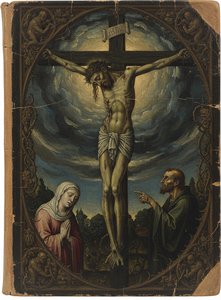
Matthias Grünewald: Devotion, Distortion & Spiritual Turmoil in Renaissance Art
Explore the profound religious art of Matthias Grünewald, master of the Isenheim Altarpiece. Discover his unique expressionism, symbolism & lasting impact on Renaissance painting. A guide for collectors and enthusiasts.


