

 ნახვა ინტერьерში
 გაგზავნა
 გაზიარება
 დეტალები
 გზამკვლევი

 ჩამოტვირთვა
 მსგავსები
 რენტგენოგრაფიული კვლევა
 სლაიდშოუ
 სტატისტიკა
Crucifixion
 Acrylic On Canvas
- WallArt
- Northern Renaissance
 1502
1502 531.0 x 320.0 cm
 Staatliche Kunsthalle Karlsruhe
 სრული ტექსტის ნახვა
გიკლე / ხელოვნების პრინტი
მუზეუმის დონის ჟიკლე ან ტილოზე ბეჭდვა სწრაფი წარმოებისა და დასრულების მოქნილი ვარიანტებით. ( შეიძინეთ ხელით შესრულებული ნახატი გადასვლა ციფრულ გამოსახულებაზე)




P118B ₾10

P118H ₾10

P118W ₾10

P438Z ₾10

P508JH ₾12

P508YH ₾12

P805H ₾10

P805Z ₾10

P919BZ ₾10

P919G ₾10

P919XJ ₾10

P959ZH ₾10

P968JZ ₾12

W106C ₾8

W218G ₾10

W218JH ₾8

W218Y ₾10

W307PJ ₾10

W316G ₾10

W316PJ ₾8

W316Y ₾10

W398PJ ₾8

W4111J ₾10

W500HY ₾15

W500JH ₾15

W692G ₾12

W849H ₾8

W940BG ₾15

W953PJ ₾8




აირჩიეთ ჩვენს მიერ წინასწარ განსაზღვრული ზომებიდან, რომლებიც ნაწარმოების ორიგინალურ პროპორციებს შეესაბამება.

თქვენ შეგიძლიათ მიუთითოთ საკუთარი ზომები კონკრეტული ჩარჩოსთვის ან სივრცისთვის მოსარგებლებლად. თუ თქვენ მიერ არჩეული ზომა არ შეესაბამება ორიგინალი გამოსახულების პროპორციებს, ჩვენ ან დავჭრით ნამუშევარს, ან გავაფართოვებთ გამოსახულებას სარკული ან ერთფეროვანი კიდეებით. წარმოების დაწყებამდე თქვენს დასამტკიცებლად გამოგეგზავნებათ ციფრული მაკეტი.
გთხოვთ, გაითვალისწინოთ, რომ ეკრანზე ნაჩვენები წინასწარი ნახვა არ ასახავს რეალურ ჭრას ან გაფართოებას. მხოლოდ მაკეტზე იქნება ზუსტად წარმოდგენილი საბოლოო კომპოზიცია.
მიუხედავად იმისა, რომ ინდივიდუალური ზომები ხელმისაწვდომია, ორიგინალური პროპორციების შესანარჩუნებლად გირჩევთ, აირჩიოთ ზომა წინასწარ განსაზღვრული სიისგან.
მიწოდება მთელ მსოფლიოში () 2 კვირაში, სტანდარტული 4/5 კვირის ნაცვლად. (12 ოქტომბერი)

უფასო ექსპრეს მიწოდება მთელ მსოფლიოში

მაღალი ხარისხის ტილო

ტრანსპორტირების სრული დაზღვევა

საბაჟო გადასახადების დაბრუნების გარანტია

ფერების სრული შესაბამისობის გარანტია

დაბრუნების 100-დღიანი პერიოდი (მხოლოდ წარმოების დეფექტის შემთხვევაში)

100% თანხის სრული დაბრუნების გარანტია

ფასდაკლება დიდი რაოდენობით შეკვეთისას
 მინის ჩარჩოს არჩევანი ხელმისაწვდომია მხოლოდ 110 სმ-მდე ზომისთვის

Crucifixion
გიკლე / ხელოვნების პრინტი
რეპროდუქციის ზომა
-


ჯამური ღირებულება
₾ 209
A Glimpse into the Soul of a Master: The Crucifixion by Matthias Grünewald
Matthias Grünewald’s “Crucifixion,” painted around 1501, isn't merely a depiction of a pivotal moment in Christian history; it’s an immersive experience—a visceral plunge into the depths of human suffering and profound spiritual contemplation. Born in Würzburg around 1470, Grünewald stood as a bridge between the vibrant hues and dynamic compositions of the late medieval period and the burgeoning realism of the early Renaissance. Unlike his Italian contemporaries who embraced classical ideals, Grünewald remained firmly rooted in the traditions of Northern Europe, imbuing his work with an intensely emotional quality that continues to resonate centuries later. This particular “Crucifixion” – a panel from the Isenheim Altarpiece – is a testament to this devotion, a stark and unforgettable image born not of idealized beauty but of raw, unvarnished truth.
The painting immediately commands attention with its deliberate monochrome palette. Shades of grey—ranging from near-white highlights on Christ’s body to deep, impenetrable blacks in the shadows—create an atmosphere of profound solemnity and dramatic intensity. This restricted color scheme isn't a limitation; it’s a strategic choice that amplifies the emotional impact, stripping away any distractions and forcing the viewer to confront the brutal reality of the scene. The composition itself is powerfully vertical, emphasizing the height of the cross—a symbol of both Christ’s sacrifice and humanity’s fall. Christ's torso and limbs are centrally positioned, drawing the eye directly to his suffering, while the truncated base of the cross subtly suggests a sense of confinement and vulnerability.
The Language of Line and Texture: Technique and Craftsmanship
Grünewald’s mastery lies not just in his understanding of color and composition but also in his meticulous technique. The painting is executed primarily through hatching and cross-hatching—a method of creating tonal variations by layering lines of differing densities. This painstaking process generates a remarkable sense of texture, allowing the artist to convincingly simulate the rough grain of the wooden cross, the folds of Christ’s loincloth, and even the thorny crown piercing his head. The musculature of Christ's body is rendered with astonishing anatomical accuracy, reflecting Grünewald’s deep observation of human form—a hallmark of Northern Renaissance art. The strong, defined lines delineate every contour, creating a sense of both vulnerability and immense strength.
Furthermore, the artist employs subtle shifts in value to create depth and volume. The highlights on Christ's body draw attention to his wounds, while the shadows accentuate the contours of his form, lending him an almost sculptural quality. The overall effect is one of intense realism—a deliberate departure from the idealized representations common in Italian Renaissance art. This commitment to portraying suffering with unflinching honesty speaks volumes about Grünewald’s artistic vision and his profound engagement with the subject matter.
Symbolism, Suffering, and Spiritual Resonance
Beyond its technical brilliance, “The Crucifixion” is rich in symbolic meaning. The starkness of the image—the absence of color, the brutal depiction of Christ’s suffering—serves to heighten the emotional impact and underscore the profound spiritual weight of the scene. Christ's emaciated body, riddled with wounds and pierced by nails, embodies the ultimate sacrifice for humanity’s sins. The surrounding figures – Saint Sebastian, Saint Anthony, Mary Magdalene, and John the Baptist – each contribute to the narrative, representing themes of martyrdom, compassion, repentance, and divine grace. The inclusion of John the Baptist pointing towards Christ is a clear reference to the Gospel accounts, emphasizing the significance of his sacrifice as the fulfillment of prophecy.
The painting’s origins within the Isenheim Altarpiece—a work designed for a hospital dedicated to treating plague sufferers—add another layer of meaning. Grünewald's choice of monochrome and his unflinching portrayal of suffering were intended to provide comfort and solace to those afflicted with illness, reminding them that Christ shared in their pain and offered hope amidst despair. “The Crucifixion” is therefore not simply a historical depiction but a powerful meditation on faith, suffering, and redemption—a timeless masterpiece that continues to move viewers centuries after its creation.
Further Research: For more detailed information, consider visiting the National Gallery of Art’s website for a high-resolution image and accompanying text. You can also explore Wikipedia’s entry on Matthias Grünewald for biographical details and historical context, or delve into articles like “Crucifixion, by Matthias Grünewald” on Christian Century.
კითხვები და პასუხები
რა ზომა და ორიენტაციაა რეკომენდებული მათიას გრუნევალდი-ის „Crucifixion“-ის ბეჭდვისთვის?
Large ზომა, Portrait ორიენტაცია: ეს არის მათიას გრუნევალდი-ის „Crucifixion“-ისთვის რეკომენდებული ბეჭდვის პარამეტრი.
როგორ არის აგებული მათიას გრუნევალდი-ის „Crucifixion“-ის ფეროვანი კომპოზიცია?
წარმოებულში "Crucifixion", Gentle კონტრასტი Unified Palette ჰარმონიასთან ერწყმის.
რომელი მუზეუმი ინახავს ორიგინალ "Crucifixion"-ს?
ორიგინალი მათიას გრუნევალდი-ის „Crucifixion“ ინახება Staatliche Kunsthalle Karlsruhe, კარლსრუე, გერმანია-ში. რესპროდუქცია საშუალებას გაძლევთ, ეს ნამუშევარი თქვენს სახლში გამოფენოთ.
რატომ არის "Crucifixion"-ის საავტორო უფლებების სტატუსი სწორედ ასეთი?
„Crucifixion“-ის საავტორო უფლებების სტატუსი - საჯარო საკუთრებაშია - მისი საავტორო უფლებები ამოწდა - გამომდინარეობს მხატვრის გარდაცვალებიდან, რომელიც მოხდა 1528-ში.
რამდენად პოპულარულია „Crucifixion“ Northern Renaissance-ის ფარგლებში?
კატალოგში, Northern Renaissance სტილის ნამუშევრებს შორის, "Crucifixion" აღწევს Iconic-ს.
რა არის გამოსახული მათიას გრუნევალდი-ის „Crucifixion“-ში?
მათიას გრუნევალდი-ის „Crucifixion“-ში წარმოდგენილი თემები მოიცავს crucifixion, suffering, religion, medieval, grünewald, altarpiece, martyrdom-ს. ისინი ერთობლიობაში შეჯამებენ ნამუშევრის შინაარსს.
მათიას გრუნევალდი-ის „Crucifixion“ ღია ფერების ნამუშევარია თუ მუქი?
მათიას გრუნევალდი-ის „Crucifixion“-ისთვის დაფიქსირებული მნიშვნელობებია: brilliant სიკაშკაშე, Luminous განათება.
სად იმყოფება "Crucifixion" მათიას გრუნევალდი-ის განმეორებად თემებს შორის?
მათიას გრუნევალდი-ის დაფიქსირებულ თემებს შორის — northern renaissance realism, religious devotion, suffering, medieval symbolism, piety, altarpiece, devotional focus, grünewald's emotional style — „Crucifixion“ განსაკუთრებულ ყურადღებას ამახვილებს crucifixion, suffering, religion, medieval, grünewald, altarpiece, martyrdom-ზე.
მხატვრის ბიოგრაფია
მათიას გრუნევალდი: სიცოცხლე და მემკვიდრეობა
ადრეული წლები და სახელოვნებო დასაწყისი
მათიას გრუნევალდი, რომელიც დაიბადა მათის გოთარტ ნეიჰარდტად დაახლოებით 1470-1475 წლებში გერმანიის ქალაქ ვურცბურგში, გერმანული რენესანსის საკვანდავი ფიგურა იყო. მიუხედავად იმისა, რომ ის იმ ეპოქაში ცხოვრობდა, რომელზეც სულ უფრო მეტად იტალიური რენესანსის იდეალები ახდენდა გავლენას, გრუნევალდი ღრმად იყო ფესვგადგმული შუა საუკუნეების მიწევნილ ცენტრალური ევროპის სახელოვნებო ტრადიციებში. მისი ადრეული ცხოვრების შესახებ დეტალები მწირია, თუმცა ცნობილია, რომ მან მხატვრობის საფუძვლები, სავარაუდოდ, ადგილობრივ სახელოსნოებში შეიძინა.
სახელოვნებო განვითარება და გავლენები
გრუნევალდის შემოქმედებითი გზა ჩამოყალიბდა ჩრდილოეთ ევროპული რეალიზმის, ემოციური ინტენსივობისა და დეტალური დაკვირვების ტრადიციებით. მის ნამუშევრებში იგრძნობა ისეთი ოსტატების გავლენა, როგორებიც იყვნენ ალბრეხტ დიურერი და მარტინ შონგაუერი, თუმცა მან შეძლო საკუთარი, უნიკალური გზის გაკვეთა, რომელიც დრამატული გამომეტყველებითა და მკვეთრი ფერებით ხასიათდება. იგი პირდაპირ არ იყო ჩართული იტალიაში გავრცელებულ ჰუმანისტურ წრეებში; პირიქით, მისი ხელოვნება ძირითადად რელიგიურ მიზნებს ემსახურებოდა და ასახავდა იმ დროის სულიერ შფოთვას.
მთავარი ნამუშევრები და სახელოვნებო სტილი
- იზენჰაიმის ალტარტერი (1512-1516): ეს შედევრული ნამუშევარი, რომელიც კოლმარში, მუზეუმ დე Unterlinden-ში ინახება, გრუნევალდის მაგნუმ ოპუსად მიიჩნევა. იგი ქრისტეს ცხოვრების სცენებს შეძრწუნებელი რეალიზმით გვიხატავს, განსაკუთრებით კი ყურადღებას ამახვილებს ტანჯვასა და გამოსкуლზე.
- ჯვარცმა (დაახლ. 1502-1503): ადრეული ნამუშევარი, რომელიც წარმოაჩენს მის განვითარებად სტილს, მძაფრ ემოციასა და ანატომიურ სიზუსტეს.
- ქალწულის გამოცხადება (1512-14): იზენჰაიმის ალტარტერისთვის მომზადებული ეს ესკიზი გვიჩვენებს მის ზედმიწევნით დეტალურ დაგეგმვის პროცესს.
- მოსე (1511): ნახატი, რომელიც ხაზს უსვამს გრუნევალდის ნიჭს ექსპრესიული ფიგურებისა და დრამატული პოზების ასახვაში.
გრუნევალდის სტილი გამოირჩევა შემდეგი ელემენტებით:
- დრამატული კომპოზიცია: იგი იყენებდა დინამიკურ განლაგებებს ემოციური ზემოქმედების გასამკვდარად. ლიფერების მკვეთრი პალიტრა: ინტენსიური და ხშირად კონტრასტული ფერების გამოყენება ქმნიდა ძლიერ ვიზუალურ გამოცდილებას.
- ტანჯვის რეალისტური გამოსახვა: გრუნევალდი არ ერიდებოდა რელიგიურ ნარატივებთან დაკავშირებული ფიზიკური და ემოციური ტკივილის ჩვენებას.
- ექსპრესიული ფიგურები: მისი პერსონაჟები აღვსნილია მძაფრი ემოციებითა და ფსიქოლოგიური სიღრმით.
ისტორიული მნიშვნელობა და მემკვიდრეობა
გრუნევალდის შემოქმედება წარმოადგენს დასტს რენესანსის ეპოქაში გერმანიაში შუა საუკუნეების სახელოვნებო ტრადიციების უძლებელი ძალისა. მან შეძლო ხიდის აგება გვიან გოტიკურ სტილსა და აღმოცენებულ რენესანსს შორის, შექმნა უნიკალური ვიზუალური ენა, რომელიც მისი თანამედროვეებისთვისაც გასაგები იყო. მისი გავლენა იგრძნობა მოგვიანებით მოღწეულ გერმანელ მხატვრებში, რომლებიც აგრძელებდნენ რელიგიური სიმჭიდროვისა და ემოციური ინტენსივობის თემების კვლევას. მიუხედავად იმისა, რომ 1528 წელს გარდაცვალების შემდეგ საუკუნეების განმავლობაში მისი სახელი თითქმის დავიწყებული იყო, გრუნევალდმა მე-19 საუკუნეში აღორძინება განიცადა და დღეს იგი გერმანული რენესანსის ერთ-ერთ უმნიშვნელოვანეს ფერწერად არის აღიარებული. მისი ხელოვნება დღემდე აღაფრთოვანებს მაყურებელს თავისი პირველყოფილი ემოციით, ტექნიკური ბრწყინვალებითა და ღრმა სულიერი სიღრმით.
დამატებითი ინფორმაცია
აღმოაჩინეთ მეტი მათია გრუნევალდის ცხოვრებასა და შემოქმედებაზე: OriginalUniqueArt

მათიას გრუნევალდი
1480 - 1528 , გერმანია
მოკლე ფაქტები
- Birth Date: დაახლ. 1470–1475
- Birth Place: ვურცბურგი, გერმანია
- Death Date: 1528
- Influenced: არავინ
- Movement: გერმანული რენესანსი, გვიან შუა საუკუნეები
- Name: მათიას გრუნევალდი
- Nationality: გერმანელი
- Notable Works: აიზენჰიმის ალტარტერი, ჯვარცმა
მსგავსი სტატიები

Romantic Realism's Finest: 10 Masterpieces for Your Home | OriginalUniqueArt
Explore 10 defining masterpieces of Romantic Realism! Discover Courbet, Millet & Daumier's powerful paintings—capturing emotion and social realities. Find museum-quality reproductions for your home at OriginalUniqueArt.com.
Echoes of Society: Exploring Social Realism's Enduring Legacy in Art
Explore the powerful world of Social Realism art! Discover key artists, masterpieces & its profound social commentary. Expert insights into this influential movement's history and enduring legacy.
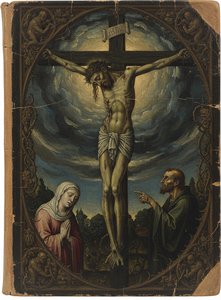
Matthias Grünewald: Devotion, Distortion & Spiritual Turmoil in Renaissance Art
Explore the profound religious art of Matthias Grünewald, master of the Isenheim Altarpiece. Discover his unique expressionism, symbolism & lasting impact on Renaissance painting. A guide for collectors and enthusiasts.
The Raw Truth: A Definitive Guide to the Power and Legacy of Social Realism Art
Explore the profound impact of Social Realism. Discover how masters like Courbet rejected idealism to capture the raw, socio-political truths of the working class through powerful, unvarnished art history and enduring visual critique.

The Northern Renaissance: A Flourishing of Realism, Religious Reform & Artistic Innovation
Explore the Northern Renaissance! Discover Jan van Eyck's innovations, religious shifts, & key artists of this influential period. Expert analysis and insights into Early Netherlandish painting at OriginalUniqueArt.


