- მთავარი გვერდი

- ზეთის ტილოზე რეპროდუქცია
- maroun el-hakim
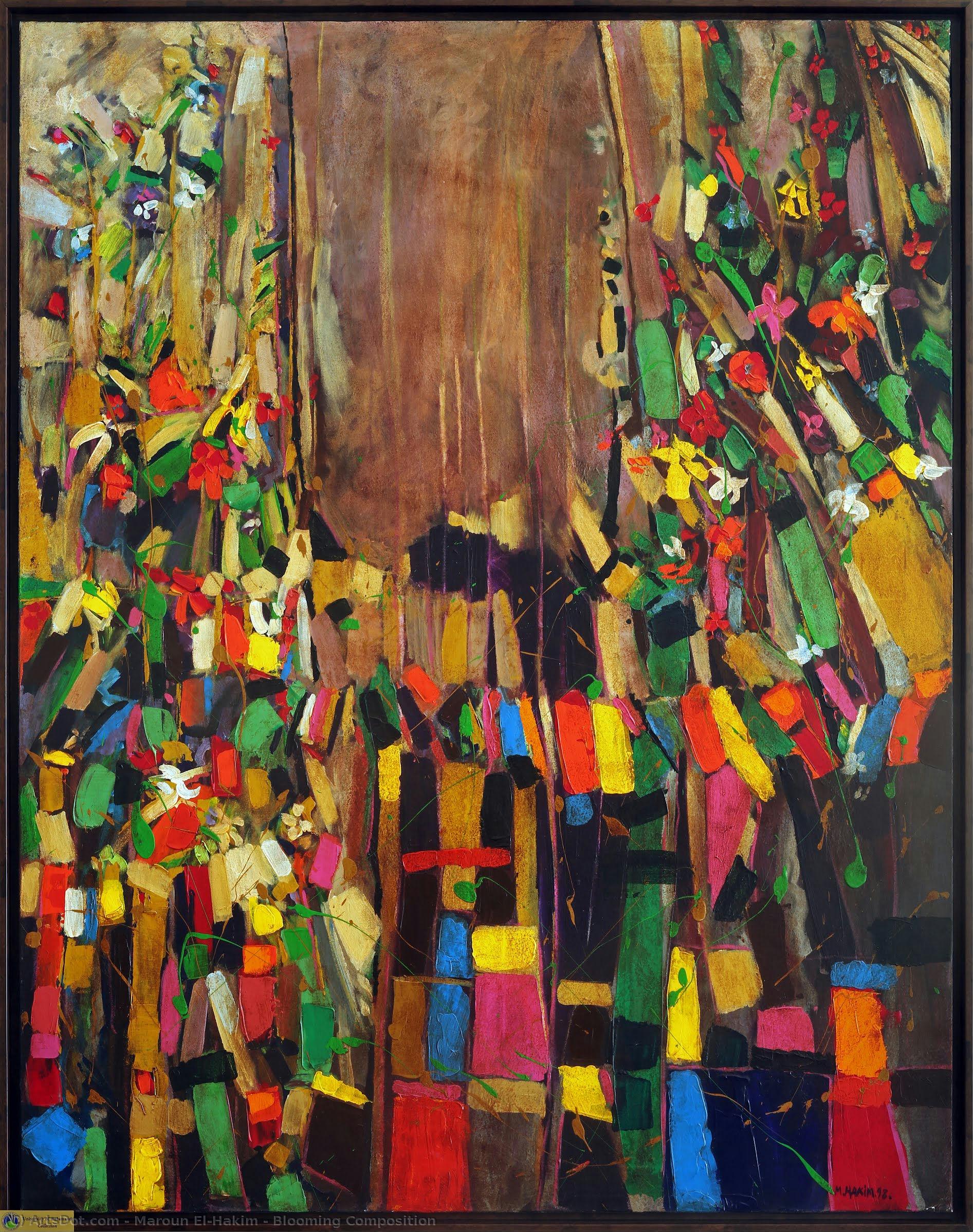
- Blooming Composition
 ნაბეჭდის შეძენა გამოსახულების შეძენა
 გაგზავნა
 გაზიარება
 დეტალები
 დამატება ფავორიტებში

 ჩამოტვირთვა
 მსგავსები
 რენტგენოგრაფიული კვლევა
 სლაიდშოუ
Blooming Composition


 გადასართად დაწვრილებით ნახეთ
ხელით ნაკვეთი ზეთის ტილოს რეპროდუქცია
ტილოზე შესრულებული ფერწერიანი ზეთប្រდათი, თქვენთვის სასურველი ზომისა და ჩარჩოსთვის, ჩვენი ხელოვანების მიერ შეკვეთის საფუძველზე დამზადებული.




































აირჩიეთ ჩვენს მიერ წინასწარ განსაზღვრული ზომებიდან, რომლებიც ნაწარმოების ორიგინალურ პროპორციებს შეესაბამება.

თქვენ შეგიძლიათ მიუთითოთ თქვენთვის სასურველი ზომები კონკრეტული ჩარჩოს ან სივრცის შესაბამისად. თუ თქვენ მიერ არჩეული ზომა არ შეესაბამება ორიგინალი გამოსახულების პროპორციებს, ჩვენ ან შევაჭრებთ ნაწარმოებს, ან ტილოზე დავამატებთ ხელით მოხატულ ელემენტებს. წარმოების დაწყებამდე, დამტკიცებისთვის გამოგეგზავნებათ ციფრული მაკეტი.
გთხოვთ, გაითვალისწინოთ, რომ ეკრანზე ნაჩვენები წინასწარი შეხედულება არ ასახავს რეალურ შეჭრას ან გაფართოებას. საბოლოო კომპოზიციას ზუსტად მხოლოდ მაკეტი წარმოაჩენს.
მიუხედავად იმისა, რომ შესაძლებელია ინდივიდუალური ზომების შერჩევა, ორიგინალური პროპორციების შენარჩუნებისათვის გირჩევთ, გამოიყენოთ წინასწარ განსაზღვრული სიის ზომები.
შეკვეთის შემდეგ, OriginalUniqueArt.com გუნდი დაგიკავშირდებათ ელექტრონული ფოსტით ინსტრუქციებისთვის და გამოგიგზავნით წინასწარ ნახაზს (mockup).
მიწოდება მსოფლიო მასშტაბით -ში 3/4 კვირაში, სტანდარტული 5 კვირის ნაცვლად. (21 ივლისი). ხარისხზე კომპრომისის გაკეთება არ მოხდება.

უფასო ექსპრეს მიწოდება მთელ მსოფლიოში

საბამად მაღალი ხარისხის ტილო

სრული ტრანსპორტირების დაზღვევა

საბაჟო გადასახადების დაბრუნების გარანტია

ფერების სრული შესაბამისობის გარანტია

60-დღიანი დაბრუნების პოლიტიკა (მხოლოდ დეფექტის შემთხვევაში)

100% თანხის დაბრუნების გარანტია

ფასდაკლება დიდი რაოდენობით შეკვეთისას
 მინის ჩარჩოს არჩევანი ხელმისაწვდომია მხოლოდ 110 სმ-ზე ნაკლები ზომისთვის

Blooming Composition
რეკლამაციის ტექნიკა
რეკლამაციის ზომა
-


საბოლოო ფასი
-
მხატვრის ბიოგრაფია
A Sculptor of Wood and Spirit: The Enigmatic World of Maroun El-Hakim
The name Maroun El-Hakim resonates within the relatively quiet sphere of contemporary Lebanese sculpture, yet a comprehensive narrative of his life remains elusive. Emerging in 1993, El-Hakim quickly distinguished himself through an intensely personal and evocative approach to wood carving. While biographical details are scarce – a testament perhaps to the artist’s preference for allowing his work to speak directly – enough evidence exists to paint a picture of a deeply sensitive creator profoundly connected to his Lebanese heritage and the inherent qualities of the natural world. His sculptures aren't merely representations; they are imbued with a spiritual quality, hinting at ancient stories and the enduring power of human emotion.Early Influences and Artistic Development
Born in Lebanon, a nation steeped in history and marked by periods of both vibrant cultural flourishing and profound upheaval, El-Hakim’s artistic trajectory was undoubtedly shaped by his surroundings. The rich tradition of Lebanese craftsmanship – particularly the intricate wood carving seen in architectural details, furniture making, and religious iconography – likely formed an early foundation for his aesthetic sensibilities. However, rather than replicating these established forms, El-Hakim sought to distill their essence, stripping away ornamentation to reveal a more primal and symbolic language. It’s plausible that the political and social climate of Lebanon during his formative years also played a role, fostering a need for artistic expression as a means of processing collective trauma and exploring themes of identity and resilience. While specific mentors or formal training remain undocumented, it is clear that El-Hakim possessed an innate understanding of wood's properties – its grain, texture, and capacity to hold form – allowing him to transform this humble material into objects of striking beauty and emotional depth.Themes and Symbolism in His Sculptures
El-Hakim’s sculptures frequently depict human figures, often abstracted or fragmented, suggesting a sense of vulnerability and the complexities of the human condition. These are not portraits in the traditional sense; rather, they are archetypal representations that tap into universal emotions – longing, sorrow, hope, and spiritual yearning. Recurring motifs include hands, eyes, and faces, each carrying layers of symbolic meaning. Hands, for example, might represent connection, creation, or supplication, while eyes often convey a profound sense of inner life and awareness. The wood itself is integral to the symbolism; its natural imperfections – knots, cracks, and variations in color – are not concealed but embraced as part of the sculpture’s narrative. The artist seems to believe that these flaws add character and authenticity, mirroring the inherent imperfections within ourselves. Furthermore, a strong connection to Lebanese folklore and mythology is subtly present in his work, though rarely explicitly stated. The sculptures often evoke a sense of ancient ritual and reverence for nature, suggesting a deep-rooted respect for the cultural heritage of his homeland.Technique and Materials
El-Hakim’s mastery lies not only in his conceptual vision but also in his technical skill. He primarily works with locally sourced wood, carefully selecting each piece based on its unique characteristics. His process is described as intuitive and organic, allowing the form to emerge from the material rather than imposing a preconceived design.- He employs traditional carving techniques
- His approach is characterized by a delicate balance between precision and spontaneity.
- The surfaces of his sculptures are often left rough-hewn, preserving the natural texture of the wood.
- Occasionally, he incorporates subtle staining or polishing to enhance certain details
Historical Significance and Legacy
While Maroun El-Hakim’s body of work remains relatively small, his contribution to contemporary Lebanese art is significant. He emerged during a period of artistic renewal following years of civil conflict, offering a voice of quiet contemplation and resilience. His sculptures stand as powerful testaments to the enduring human spirit and the importance of cultural identity in a rapidly changing world. Although he maintains a low profile, El-Hakim’s work has garnered recognition within select circles, inspiring a new generation of Lebanese artists to explore the possibilities of wood carving and embrace their own unique heritage. His legacy lies not in prolific output but in the profound emotional depth and artistic integrity that permeates each carefully crafted sculpture – a lasting reminder of the power of art to transcend boundaries and connect us to something deeper within ourselves and the world around us.
maroun el-hakim
Lebanon
მოკლე ინფორმაცია
- Artistic Movement Or Style: Wooden Sculpture
- Full Name: Maroun El Hakim
- Nationality: Lebanese
- Notable Artworks:
- Blooming Composition
- Maroun El Hakim
- Place Of Birth: Mazraat Yachouh, Mount Lebanon

