
 წინასწარი ნახვა
 გაგზავნა
 გაზიარება
 დეტალები
 გზამკვლევი

 ჩამოტვირთვა
 მსგავსები
 რენტგენოგრაფიული კვლევა
 სლაიდშოუ
 კითხვა-პასუხი
 სტატისტიკა
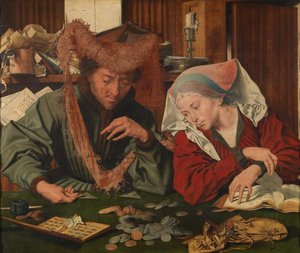
Two tax collectors


 გააგრძელეთ კითხვა
მიიღეთ ბეჭდვისთვის გამზადებული ფაილი, რომლის ხარისხიც ბევრად აღემატება ვებ-პრევიუსს. ჩვენს ბაზაში არსებული ყველა ციფრული გამოსახულება ეყრდნობა მაღალი რეზოლუციის ორიგინალს — როგორც წესი, 5,000-დან 15,000 პიქსელამდე სიგანის — რაც საშუალებას გაძლევთ, თავდაჯერებულად დაამბოროთ დიდი ზომის ბეჭდვა, მოახდინოთ ფრაგმენტის მჭიდროდ გამოჭრა ან აღადგინოთ ნატიფი დეტალები.
ჩვენს სტუდიაში არცერთი ფაილი შეუმჩნევლად არ რჩება. ციფრული ექსპერტი ადარებს ფერებს ორიგინალ ნახატს და საჭიროების შემთხვევაში ასწორებს მათ, შემდეგ კი პროფესიონალური რეტუშირების ინსტრუმენტებით აუმჯობესებს სიცხადესა და დეტალიზაციას — ყოველთვის ოსტატის ფუნჯის მონაკვეთებისა და სტილის ერთგულებით. შედეგი არის გამოსახულება, რომელიც ნამდვილ ნახატს ჰგავს და არა ფილტრებულ სკანირებას.
თქვენ აკონტროლებთ პროცესს მის დასრულებამდე: ჩვენი ექსპერტი 72 საათის განმავლობაში გამოგიგზავნით გამოსახულებას ელექტრონული ფოსტით გადასასინჯად. არ დაკმაყოფილებული? მოითხოვეთ ცვლილებები ან შესწორებები, ან მოითხოვეთ თანხის დაბრუნება, თუ ხარისხი თქვენს მოლოდინს ვერ შეესაბამება.
ეს არის ხარისხი, რომელსაც ენდობიან გამომცემლობები, დიზაინ სტუდიები, გალერეები და அச்சგამოცემები.
ციფრული გამოსახულება
ჩამოტვირთეთ მაღალი გარჩევადობის ფაილი პირადი გამოყენებისთვის, დასაბეჭდად და შემოქმედებითი პროექტებისთვის. ( ბეჭდვის რეჟიმზე გადართვა შეიძინეთ ხელით შესრულებული ნახატი)
ყოველ ციფრულ გამოსახულების შეკვეთაში შედის
ექსპერტული ციფრული მიწოდების გარანტია
როდესაც ირჩევთ OriginalUniqueArt.com-ს, თქვენ მხოლოდ სურათს კი არ იღებთ, არამედ იღებთ პროფესიონალურად დამუშავებულ ციფრულ ნამუშევარს, რომელიც შექმნილია უზადო სიზუსტით და დაცულია კმაყოფილების გარანტიით. თქვენს შეკვეთას ავტომატურად მოჰყვება შემდეგი:

სწრაფი ელექტრონული მიწოდება
თქვენს მაღალი რეზოლუციის ციფრულ გამოსახულებას შეკვეთის დაწყებიდან 72 საათში ელექტრონული ფოსტით მიიღებთ — ის მზად იქნება დაუყოვნებლივი გამოყენებისთვის.

ხელოვნური ინტელექტით გაუმჯობესებული ციფრული გამოსახულება
თქვენი ხელოვნების ნიმუშები პროფესიონალურად არის ოპტიმიზებული მოწინავე AI ინსტრუმენტებისა და მექანიკური რედაქტირების მეშვეობით, რაც უზრუნველყოფს მაქსიმალურ დეტალიზაციას, სიცხადესა და ფერების სიზუსტეს.

ციფრული გამოსახულებების უფასო სამუდამო ხელახალი მიღება
ფაილი შემთხვევით წაიშალა ან დაკარგეთ? ნუបედავთ — ჩვენ მას ნებისმიერ დროს, უფასოდ ხელახლა გამოგეგზავნით.

იმპორტის გადასახადების გარეშე — ყოველთვის
ჭიდად ისიამოვნეთ თქვენი ნამუშევრით მყისიერად, საბაჟო გადასახადის, მოსაკრებლის ან მიწოდების ხარჯის გარეშე - ციფრული ჩამტვირთვისას ყოველთვის საგადასახადო თავისუფლებაა.

ფერების სიზუსტის გარანტია
პროფესიონალური ინსტრუმენტებისა და ფერების მართვის სისტემის გამოყენებით, ჩვენ უზრუნველყოფთ, რომ თქვენი ციფრული გამოსახულება მაქსიმალურად ზუსტად ასახავდეს ორიგინალურ ფერებს.

კმაყოფილების 100-დღიანი გარანტია
თუ თქვენ არ დაკმაყოფილებული ხართ თქვენი ციფრული გამოსახულებით, ჩვენ შევიტანთ მასში ცვლილებებს ან დაგიბრუნებთ 100% თანხას 100 დღის განმავლობაში — ყოველგვარი კითხვის დასმევის გარეშე.

100% თანხის დაბრუნების გარანტია
არ არის კმაყოფილი? მიიღეთ თანხის სრული დაბრუნება ციფრული ფაილის მიღებიდან 100 დღის განმავლობაში — ყოველგვარი დამატებითი კითხვების გარეშე.

ფასდაკლება დიდი რაოდენობით შეკვეთაზე
შეიძინეთ 3 გამოსახულება და მიიღეთ 10% ფასდაკლება - შეიძინეთ 5 და მიიღეთ 15% ფასდაკლება - შეიძინეთ 10+-ზე და მიიღეთ 20% ფასდაკლება. იდეალურია კრეატიული პროექტებისთვის, გალერეებისა და სააგენტოებისთვის.
A Study in Greed and Ink
The air in the room feels heavy, thick with the scent of old parchment and the metallic tang of coins. Two men sit hunched over a wooden table, their world narrowed to the scratching of a quill and the silent weight of wealth. On the left, a man with spectacles perched upon his nose leans into his task, his focus entirely consumed by the ledger before him. He writes with a steady hand, his pen capturing the movement of numbers that represent the lifeblood of commerce. Beside him, his companion shifts, looking over his shoulder as if checking for an intruder or perhaps a witness to their transaction. A cup sits nearby, its contents forgotten in the pursuit of the tally. Scattered across the table, books lie open, their pages filled with the complex bureaucracy of a changing era. A bowl rests in the corner, a quiet observer to this intense, private moment of accounting.
The scene unfolds with a sharp, tactile realism that makes the textures of the room feel almost reachable. One can almost hear the rustle of their heavy, old-fashioned garments and the soft thud of a coin hitting the wood. This is a moment frozen in the sixteenth century, a time when the mercantile heart of the Low Countries beats with a new, restless energy. The lighting is diffused, casting soft shadows that define the deep folds of their clothing and the weathered surfaces of the objects surrounding them. Every detail, from the sheen on a metal scale to the intricate grain of the oak panel, grounds this interaction in a tangible, physical reality.
The Weight of the Ledger
There is a tension simmering beneath the surface of this quiet study. While the men appear absorbed in their administrative duties, the composition whispers of a deeper, more unsettling reality. The meticulous rendering of the coins and the ledgers points toward the rising tide of capitalism that began to reshape society during this period. The very act of recording these sums carries a heavy moral weight, hinting at the friction between civic necessity and the allure of personal gain. The heavy fabrics and the cluttered table create a sense of enclosure, as if the men are trapped within the very systems of law and commerce they are tasked to manage.
The artist uses a muted color palette to emphasize the gravity of the scene. Earthy tones and subtle shifts in light draw the eye to the tools of the trade: the pen, the ink, and the money. This focus on the minute textures of manuscripts and legal documents reflects a preoccupation with the tangible markers of status and power. Through this careful observation, the painting captures the intersection of daily life and the complex machinery of governance, leaving the viewer to wonder about the true nature of the wealth being recorded in the dim light of the room.
კითხვები და პასუხები
რა არის გამოსახული მარინუს ვან რეიმერსვაელე-ის „Two tax collectors“-ში და რა განწყობას გადმოგვცემს იგი?
მარინუს ვან რეიმერსვაელე-ის „Two tax collectors“ ასახავს people, men, table, books, coins, pen, cup, bowl-ს, Dramatic განწყობით. სუბიექტი და ატმოსფერო ერთობლიობაში ქმნის ნამუშევრის აღწერას.
რისთვის არის რეკომენდებული მარინუს ვან რეიმერსვაელე-ის „Two tax collectors“-ის რეპროდუქცია?
"Two tax collectors"-ის პრინტის რეკომენდებული გამოყენება არის Conversation.
რა ტექნიკითა და სტილით არის შესრულებული მარინუს ვან რეიმერსვაელე-ის „Two tax collectors“?
წარმოებაში "Two tax collectors", Oil On Panel ტექნიკა და Northern Renaissance სტილი ერთმანეთს ერწყმის.
მხატვრის ბიოგრაფია
The Enigmatic Master of Antwerp's Shadows
In the bustling, mercantile heart of the sixteenth-century Low Countries, a painter emerged whose brush captured the profound tension between spiritual devotion and worldly greed. Marinus van Reymerswaele, an artist whose very name evokes the coastal town of Reimerswaal where he was born, remains one of the most fascinating enigmas of the Dutch Renaissance. His life followed the typical trajectory of a skilled craftsman; after studying in Leuven, he found professional footing within the prestigious Antwerp Guild of Saint Luke. Registered as a pupil of the glass painter Symon van Daele, Reymerswaele possessed an eye for detail and light that would later define his mastery of texture and atmosphere.
As he established himself in Antwerp, the epicenter of European trade, his work began to mirror the city's own complex identity. He operated a prolific workshop, a bustling studio capable of producing numerous versions of his most celebrated themes. This industriousness allowed his specific visual language—a blend of meticulous realism and biting social commentary—to permeate the collections of the era. His paintings did not merely depict scenes; they staged moral dramas that reflected the anxieties of an era caught between medieval piety and the rising tide of capitalism.
A Gallery of Greed and Grace
To look upon a work attributed to Reymerswaele is to enter a space where the sacred and the profane collide. He was a master of a very specific, recurring iconography that captured the imagination of the sixteenth-century public. His compositions often centered on four pivotal themes that explored the human condition through various lenses:
- The intense study of St. Jerome, representing scholarly devotion and religious contemplation.
- The bustling activity of tax collectors, serving as a satirical commentary on greed and corruption.
- A money changer and his wife, capturing the intersection of domestic life and commerce.
- The legal world, such as a lawyer in his office, reflecting the growing complexity of civic bureaucracy.
His masterpiece, Two Tax Gatherers, stands as a striking example of Northern Renaissance art. Through the use of oil on oak wood, he achieved a sense of depth and texture that brought his subjects to life. The painting serves as a vivid commentary on the corruption of tax officials, using the detailed depiction of clothing and surroundings to ground his satire in a recognizable reality. In these works, the heavy, old-fashioned garments of his characters add a layer of social critique, reminding the viewer of the era's shifting moral landscape.
Legacy and Artistic Influence
The stylistic development of Marinus van Reymerswaele shows the profound influence of the Antwerp painter Quentin Matsys. This connection helped shape his ability to blend elements of realism with a sharp, often caricatural sense of humor. His work is characterized by an attention to detail that allows the viewer to witness the minute textures of manuscripts, legal documents, and coins, all of which serve as symbols of the era's preoccupation with wealth and law.
While he worked extensively in Antwerp, his journey eventually led him back to the Northern Netherlands. After working in Antwerp until at least 1540, he moved to Goes, where his life reached its conclusion. Though many of his panels are known through attribution rather than signature, his impact on the genre scene remains undeniable. He left behind a visual legacy that continues to captivate, offering a profound glimpse into the mind of an artist grappling with faith, scholarship, and the ever-present shadows of human avarice.
მარინუს ვან რეიმერსვაელე
1490 - 1546 , ნიდერლანდები
მოკლე ინფორმაცია
- Artistic Movement Or Style: ჩრდილოეთ რენესანსი
- Artists Who Influenced This Artist: ['კვენტინ მატსისი']
- Date Of Birth: 1490
- Date Of Death: 1546
- Full Name: მარინუს ვან რეიმერსვაელე
- Nationality: ნიდერლანდელი
- Notable Artworks:
- ორი გადასახადების შემგროვებელი
- გადასახადების შემგროვებლები
- წმინდა იერონიმუსი თავის კაბეტში
- გადამცვლელი და მისი ცოლი
- Place Of Birth: რაიმერსვალი, ნიდერლანდები