
 წინასწარი ნახვა
 გაგზავნა
 გაზიარება
 დეტალები

 ჩამოტვირთვა
 მსგავსები
 რენტგენოგრაფიული კვლევა
 სლაიდშოუ
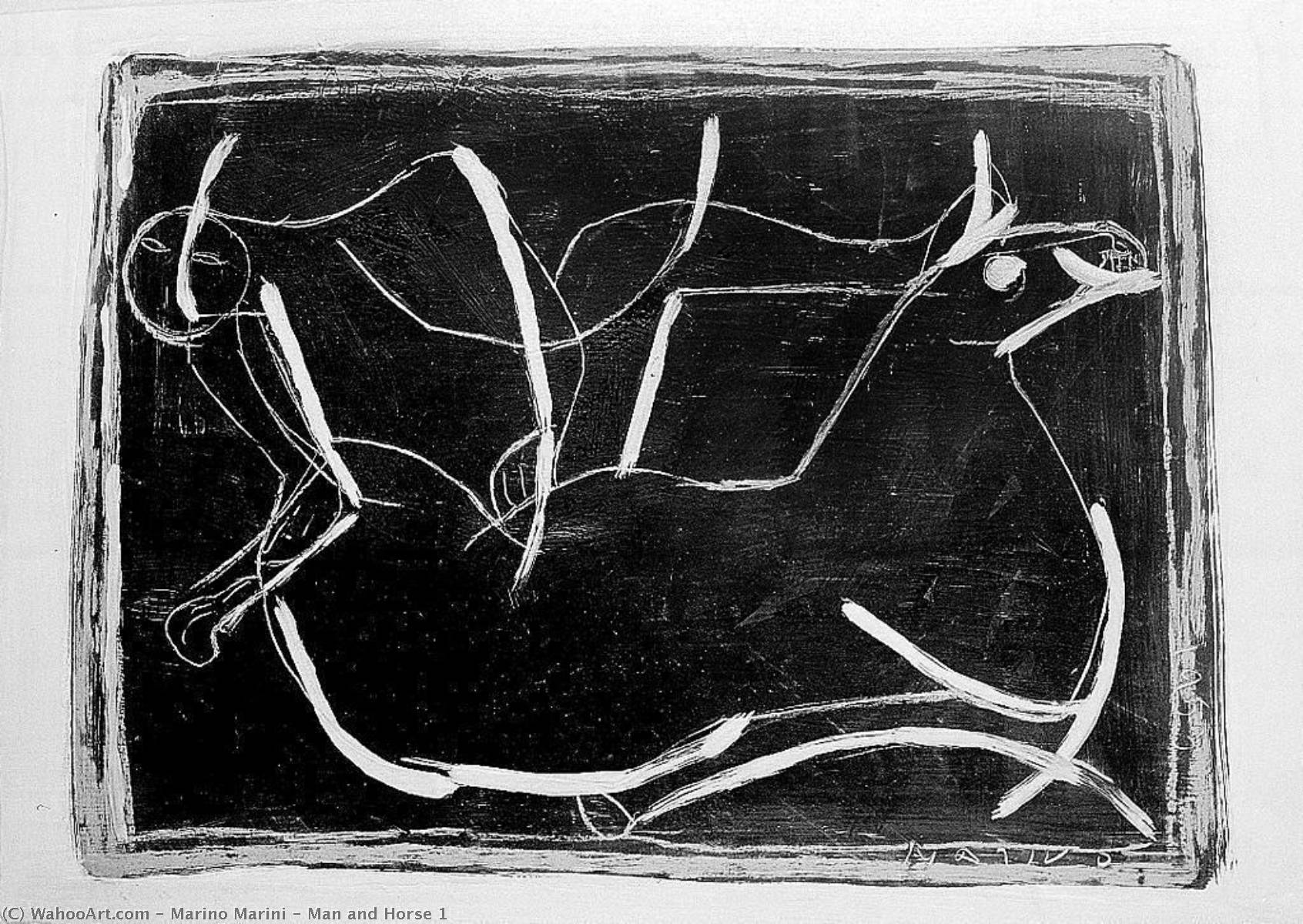
Man and Horse 1
 1953
1953 43.0 x 62.0 cm
 გადასართად დაწვრილებით ნახეთ
გიკლე / ხელოვნების პრინტი
მუზეუმის დონის ჟიკლე ან ტილოზე ბეჭდვა სწრაფი წარმოებისა და დასრულების მოქნილი ვარიანტებით. ( შეიძინეთ ხელით შესრულებული ნახატი შეიძინეთ გამოსახულება)




































აირჩიეთ ჩვენს მიერ წინასწარ განსაზღვრული ზომებიდან, რომლებიც ნაწარმოების ორიგინალურ პროპორციებს შეესაბამება.

თქვენ შეგიძლიათ მიუთითოთ საკუთარი ზომები კონკრეტული ჩარჩოსთვის ან სივრცისთვის მოსარგებლებლად. თუ თქვენ მიერ არჩეული ზომა არ შეესაბამება ორიგინალი გამოსახულების პროპორციებს, ჩვენ ან დავჭრით ნამუშევარს, ან გავაფართოვებთ გამოსახულებას სარკული ან ერთფეროვანი კიდეებით. წარმოების დაწყებამდე თქვენს დასამტკიცებლად გამოგეგზავნებათ ციფრული მაკეტი.
გთხოვთ, გაითვალისწინოთ, რომ ეკრანზე ნაჩვენები წინასწარი ნახვა არ ასახავს რეალურ ჭრას ან გაფართოებას. მხოლოდ მაკეტზე იქნება ზუსტად წარმოდგენილი საბოლოო კომპოზიცია.
მიუხედავად იმისა, რომ ინდივიდუალური ზომები ხელმისაწვდომია, ორიგინალური პროპორციების შესანარჩუნებლად გირჩევთ, აირჩიოთ ზომა წინასწარ განსაზღვრული სიისგან.
მიწოდება მთელ მსოფლიოში () 2 კვირაში, სტანდარტული 4/5 კვირის ნაცვლად. (22 აგვისტო)

უფასო ექსპრეს მიწოდება მთელ მსოფლიოში

საბამად მაღალი ხარისხის ტილო

სრული ტრანსპორტირების დაზღვევა

საბაჟო გადასახადების დაბრუნების გარანტია

ფერების სრული შესაბამისობის გარანტია

60-დღიანი დაბრუნების პოლიტიკა (მხოლოდ დეფექტის შემთხვევაში)

100% თანხის დაბრუნების გარანტია

ფასდაკლება დიდი რაოდენობით შეკვეთისას
 მინის ჩარჩოს არჩევანი ხელმისაწვდომია მხოლოდ 110 სმ-ზე ნაკლები ზომისთვის

Man and Horse 1
გიკლე / ხელოვნების პრინტი
რეკლამაციის ზომა
-


საბოლოო ფასი
$ 80
მხატვრის ბიოგრაფია
The Sculptor of Myth and Modernity
Marino Marini stands as a pivotal figure in Italian sculpture of the mid-twentieth century, a master who possessed the rare ability to blend classical inspiration with an uncompromising exploration of human emotion. Born in 1901, his artistic journey began formally at the Accademia di Belle Arti in Florence, where he honed the technical skills that would eventually allow him to transcend mere representation. While Marini never truly abandoned the medium of painting, it was through the tactile, three-dimensional language of sculpture that he found his most profound voice. From approximately 1922, he dedicated himself primarily to this craft, a commitment that would define his career and solidify his reputation as a sculptor capable of capturing both the monumental and the deeply personal.
His formative years were profoundly shaped by the influence of Arturo Martini, whose sculptural style—characterized by dynamic poses and expressive musculature—served as a cornerstone for Marini’s own artistic vision. This foundation was further enriched by a deep fascination with Etruscan art, particularly its stylized depictions of figures and animals imbued with symbolic meaning. Marini sought to reach beyond the surface of his subjects, aiming instead for an embodiment of psychological depth and spiritual resonance. This preoccupation with antiquity fueled his stylistic choices, underpinning his enduring themes of heroism, primal instinct, and the eternal struggle between man and beast.
A Life of Movement and Exile
Marini’s career was marked by a restless movement across Europe, mirroring the shifting political landscapes of his era. In 1929, he ascended to the position of Professor at the Scuola d'Arte Villa Reale in Monza, a role he maintained until 1940. During these formative decades, Marini cultivated vital connections with the giants of modern art, engaging in creative dialogues with Massimo Campigli, Giorgio de Chirico, and Alberto Magnelli. His frequent travels to Paris allowed him to immerse himself in the avant-garde milieu, fostering friendships with legendary figures such as Alberto Giacometti, Germaine Richier, and Fritz Wotruba—artists who shared his commitment to exploring the human condition through figurative sculpture.
The Second World War brought significant upheaval to his life, forcing Marini into exile in Switzerland. Moving to Tenero-Locarno in 1936, he spent several years navigating the cultural centers of Zürich and Basel. This period of displacement, while fraught with the anxieties of war, allowed him to expand his international reach and integrate new perspectives into his work. By 1940, he accepted a prestigious professorship at the Accademia di Belle Arti di Brera in Milan, eventually settling permanently in the city in 1946. This return to Italy signaled a period of immense productivity and established him as one of the most significant Italian artists of the twentieth century.
The Legacy of Form and Symbolism
The true essence of Marini’s work lies in his ability to evoke raw energy through textured surfaces and angular lines. His sculptures, often featuring equestrian figures and nudes, serve as a bridge between the ancient world and modern existentialism. Whether working with bronze or other materials, he utilized expressive realism to create works that feel both timeless and urgently contemporary. His mastery is evident in several key areas of his artistic output:
- Equestrian Themes: His iconic horse and rider compositions serve as powerful metaphors for the tension between civilization and primal instinct.
- The Human Form: Through his depictions of nudes and portraits, Marini explored the vulnerability and strength of the human spirit.
- Stylistic Synthesis: The seamless integration of Etruscan stylization with modern dynamism allowed him to create a unique visual language that resonated across borders.
Marini’s historical significance is cemented not only by his personal achievements but also by the institutions that preserve his memory. The Museo Marino Marini in Milan, housed in the ancient church of San Pancrazio, holds one of the most important collections of his work, fostering a dialogue between historical architecture and his dynamic sculptural forms. Today, Marini remains a celebrated figure whose work continues to inspire, reminding us of the enduring power of myth to reflect our modern complexities.

Marino Marini
1901 - 1980
მოკლე ინფორმაცია
- Artistic Movement Or Style: Etruscan & Martini Style
- Artists Or Movements Influenced By This Artist:
- Jean arp
- Max beckmann
- Alberto giacometti
- Artists Who Influenced This Artist: ['Arturo Martini']
- Date Of Birth: 1901
- Date Of Death: 1980
- Full Name: Marino Marini
- Nationality: Italian
- Notable Artworks:
- Horse and Rider
- Composizione, (1956)
- Untitled (2)
- Place Of Birth: Italy

