

 გაგზავნა
 გაზიარება
 დეტალები

 ჩამოტვირთვა
 მსგავსები
 სლაიდშოუ
 სტატისტიკა
Dress


 გადასართად დაწვრილებით ნახეთ
ხელით ნაკვეთი ზეთის ტილოს რეპროდუქცია
ტილოზე შესრულებული ფერწერიანი ზეთប្រდათი, თქვენთვის სასურველი ზომისა და ჩარჩოსთვის, ჩვენი ხელოვანების მიერ შეკვეთის საფუძველზე დამზადებული. ( გადართვა ბეჭდზე გადასვლა ციფრულ გამოსახულებაზე)




































აირჩიეთ ჩვენს მიერ წინასწარ განსაზღვრული ზომებიდან, რომლებიც ნაწარმოების ორიგინალურ პროპორციებს შეესაბამება.

თქვენ შეგიძლიათ მიუთითოთ თქვენთვის სასურველი ზომები კონკრეტული ჩარჩოს ან სივრცის შესაბამისად. თუ თქვენ მიერ არჩეული ზომა არ შეესაბამება ორიგინალი გამოსახულების პროპორციებს, ჩვენ ან შევაჭრებთ ნაწარმოებს, ან ტილოზე დავამატებთ ხელით მოხატულ ელემენტებს. წარმოების დაწყებამდე, დამტკიცებისთვის გამოგეგზავნებათ ციფრული მაკეტი.
გთხოვთ, გაითვალისწინოთ, რომ ეკრანზე ნაჩვენები წინასწარი შეხედულება არ ასახავს რეალურ შეჭრას ან გაფართოებას. საბოლოო კომპოზიციას ზუსტად მხოლოდ მაკეტი წარმოაჩენს.
მიუხედავად იმისა, რომ შესაძლებელია ინდივიდუალური ზომების შერჩევა, ორიგინალური პროპორციების შენარჩუნებისათვის გირჩევთ, გამოიყენოთ წინასწარ განსაზღვრული სიის ზომები.
შეკვეთის შემდეგ, OriginalUniqueArt.com გუნდი დაგიკავშირდებათ ელექტრონული ფოსტით ინსტრუქციებისთვის და გამოგიგზავნით წინასწარ ნახაზს (mockup).
მიწოდება მსოფლიო მასშტაბით -ში 3/4 კვირაში, სტანდარტული 5 კვირის ნაცვლად. (11 სექტემბერი). ხარისხზე კომპრომისის გაკეთება არ მოხდება.

უფასო ექსპრეს მიწოდება მთელ მსოფლიოში

საბამად მაღალი ხარისხის ტილო

სრული ტრანსპორტირების დაზღვევა

საბაჟო გადასახადების დაბრუნების გარანტია

ფერების სრული შესაბამისობის გარანტია

დაბრუნების 100-დღიანი პოლიტიკა (მხოლოდ დეფექტის შემთხვევაში)

100% თანხის დაბრუნების გარანტია

ფასდაკლება დიდი რაოდენობით შეკვეთისას
 მინის ჩარჩოს არჩევანი ხელმისაწვდომია მხოლოდ 110 სმ-ზე ნაკლები ზომისთვის

Dress
რეკლამაციის ტექნიკა
რეკლამაციის ზომა
-


საბოლოო ფასი
$ 300
A Glimpse of Parisian Elegance: Mariano Fortuny’s “Dress”
Mariano Fortuny y Marsal's "Dress," a captivating black and white photograph capturing a mannequin adorned in an opulent gown, offers more than just a visual representation; it’s a portal into the innovative world of a Spanish designer who revolutionized theatrical lighting and textile artistry at the turn of the 20th century. The image, dated 1925, presents a study in controlled elegance – a testament to Fortuny's meticulous approach and his ability to evoke a sense of timeless sophistication through carefully orchestrated detail. The mannequin, posed against a simple wall, becomes a stage for the dress itself, highlighting its intricate design and commanding presence.
Fortuny’s genius lay not just in creating beautiful garments but in fundamentally altering how they were presented. Born in 1871 in Granada, Spain, his early life was shaped by the untimely death of his father, a genre painter, which led to a move to Paris and an immersion into the world of textiles – a passion that would define his entire career. He wasn’t merely a fashion designer; he was a visionary inventor, driven by a desire to mimic the soft, diffused light of the East in theatrical productions. This pursuit led him to develop the “fortuny cyclorama,” a revolutionary dome system that utilized reflecting surfaces to create seamless transitions between scenes and bathe performers in an ethereal glow – a technique directly informing his approach to garment design.
The Delphos Dress: A Masterclass in Orientalist Design
“Dress” is intimately connected to Fortuny’s most celebrated creation, the “Delphos” gown. Inspired by the opulence of the Alhambra palace in Granada and drawing heavily on his travels through the Middle East, the Delphos dress embodies a distinctly Orientalist aesthetic. The photograph captures elements of this influence – the flowing lines, the intricate patterns reminiscent of mosaics and textiles, and the overall sense of luxurious comfort. The dress itself is constructed from layers of silk, cording, and delicate beads, creating a textured surface that catches the light beautifully. It’s a garment designed to be worn with grace and confidence, projecting an aura of refined mystery.
Fortuny's meticulous attention to detail extended beyond mere aesthetics; he was obsessed with achieving a specific *feeling* through his designs. He believed in creating garments that told stories – narratives of exotic lands, ancient civilizations, and the beauty of the natural world. The “Dress” photograph subtly hints at this narrative, inviting the viewer to imagine the wearer gliding through grand halls or strolling along sun-drenched streets.
Technique and Innovation: Fortuny’s Legacy
The photograph's stark black and white palette emphasizes the textures and forms of the dress, highlighting Fortuny’s masterful use of fabric manipulation. The layering of silk creates a sense of depth and movement, while the beads add subtle shimmer and sparkle. His innovative approach to lighting, pioneered in his theatrical work, is also evident in the way the photograph captures the play of light on the garment's surface. This wasn’t simply about creating beautiful clothes; it was about controlling and shaping light itself.
Fortuny’s impact extended far beyond fashion. He established a workshop that produced not only clothing but also stage sets, tapestries, and decorative fabrics – all united by his distinctive artistic vision. His work continues to inspire designers today, demonstrating the enduring power of combining artistry, innovation, and a deep appreciation for cultural heritage. The “Dress” photograph serves as a poignant reminder of Fortuny’s legacy—a testament to a singular talent who transformed the world of design in the early 20th century.
Collecting the Spirit of Fortuny
Reproductions of Fortuny's designs, like this "Dress," offer a remarkable opportunity to bring his visionary aesthetic into your home. Whether you’re drawn to the romantic allure of the Delphos gown or simply appreciate the elegance and sophistication of his textile artistry, a Fortuny reproduction is more than just a decorative object; it’s a window into a bygone era—a celebration of creativity, innovation, and timeless beauty.
მხატვრის ბიოგრაფია
ადრეული ცხოვრება და შთაგონება
მარიანო ფორტუნი, ესპანელი მოდის დიზაინერი, 1871 წლის 11 მაისს, ესპანეთში, გრანადაში დაიბადა. მისი მამა, მარიანო ფორტუნი ი მარსალი, ჟანრული მჭევრმეტყველი მხატვარი იყო, რომელიც მარიანოს მხოლოდ სამი წლის ასაკში გარდაიცვალა. ამ ტრაგედიამ ოჯახი საფრანგეთში, პარიზში გადასახლება აიძულა, სადაც დედამ მარიანო სხვადასხვა სახის ტექსტილსა და ქსოვილს გააცნო, რამაც მოგვიანებით უდიდესი გავლენა მოახდინა მის შემოქმედებით ნიჭზე.არტისტული ნიჭი და გამოგონებები
მარიანო ფორტუნიმ თავისი მხატვრული ტალანტი ბავშვობიდანვე გამოავლინა, რაც დადასტურებული იყო მისი უნარებით ფერწერაში, ფოტოგრაფიაში, სკულპტურაში, არქიტექტურაში, etching-სა და თეატრალური სცენის განათების დიზაინში. მისმა გამოგონებებმა, რომელთაგან ოციზე მეტი 1901-დან 1934 წლამდე იყო პატენტებული, რევოლუცია მოახდინა თეატრალური დიზაინის სამყაროში:- მან შექმნა ფორტუნის ციკლორამას დომი — ნახევარგუმბათოვანი სტრუქტურა, რომელიც დამზადებული იყო დუღმათი ან ქსოვილიდან და იყენებდა არაპირდაპირ განათებას სცენებს შორის შეუფერხებელი გადასვლის შესაქმნელად;
- მისმა ტრაქტატმა „eclairage scenique“ (1904) აღწერა სხვადასხვა ზედაპიანზე სინათლის არეკვლის მიერ მისი ფერის, ინტენსივობისა და თვისებების შეცვლის აღმოჩენა.
გამორჩეული წვლილი და კოლაბორაციები
მარიანო ფორტუნის ნამუშევრებმა ფართო აღიარება 1920-იან წლებში მოიპოვა. იგი თანამშრომლობდა ისეთ გამორჩეულ ფიგურებთან, როგორებიც იყვნენ:- რიჩარდ ვაგნერი, გერმანელი კომპოზიტორი, რომლის ოპერებმაც მარიანოს სცენების დახატვა შთაგონა;
- მილანის ცნობილი ოპერული თეატრი, La Scala, სადაც მან დაამონტაჟა თავისი გუმბათი, მოარგო უფრო დიდ თეატრს და გამოიგონა სक्शनის ვენტილატორი მისი დაჭიმული სტრუქტურის შესანარჩუნებლად.
მემკვიდრეობა და გვიანი წლები
მარიანო ფორტუნი 1949 წლის 3 მაისს, იტალიაში, ვენეციაში გარდაიცვალა. მისმა შემოქმედებამ შთაგონება მისცა ფრანგ მწერალ მარსელ პრუსტს, ხოლო მისი ცხოვრება პერე გიმფერერის რომანში „ფორტუნი“ არის ასახული. მარიანოს მემკადვე დღემდე ახდენს გავლენას თეატრალური დიზაინის სამყაროზე.- აღმოაჩინეთ მეტი მარიანო ფორტუნის გამოგონებებისა და დიზაინის შესახებ OriginalUniqueArt-ის კოლექციაში.
- გაეცანით მისი ნამუშევრების გავლენას თეატრალურ განათებაზე სტატიაში თეატრალური განათების შესახებ (აშშ), რომელიც მოგვითხრობს ერთი უბედური შემთხვევის შესახებ, რომელმაც ამერიკული ხელოვნების ისტორია შეცვალა, ხელმისაწვდომია OriginalUniqueArt-ის ბლოგზე.
მარიანო ფორტუნისა და სხვა ხელოვანების შერჩეული ნამუშევრები
- მარიანო ფორტუნი: Teagown (ბოსტონის ხელოვნების მუზეუმი, აშშ), ხელმისაწვდომია OriginalUniqueArt-ის კოლექციაში.
- მარკ ჩაღალი: სტუდია 'ლექსთა ლექსის IV'-ისთვის (ნაივიზმი / პრიმიტივიზმი), ხელმისაწვდომია OriginalUniqueArt-ის კოლექციაში.
- პაბლო პიკასო: Klarineti (ანალიტიკური კუბიზმი, ზეთი ტილოზე), ხელმისაწვდომია OriginalUniqueArt-ის კოლექციაში.
- ვინსენტ ვან გოგი: ხის ფესვები (50 x 100 სმ, პოსტიმპრესიონიზმი, ზეთი ტილოზე), ხელმისაწვდომია OriginalUniqueArt-ის კოლექციაში.

მარიანო ფორტუნი
1871 - 1949 , ესპანეთი
მოკლე ინფორმაცია
- Artistic Movement Or Style: აღმოსავლური ხელოვნება
- Artists Or Movements Influenced By This Artist: ['მარსელ პრუსტი']
- Artists Who Influenced This Artist: ['რიხარდ ვაგნერი']
- Date Of Birth: 1871 წლის 11 მაისი
- Date Of Death: 1949 წლის 3 მაისი
- Full Name: まりანო ფორტუნი ი მარსალი
- Nationality: ესპანელი
- Notable Artworks:
- თეაგაუნი
- ჰენრიეტე ფორტუნის პორტრეტი
- Place Of Birth: გრანაडा, ესპანეთი
დაკავშირებული სტატიები
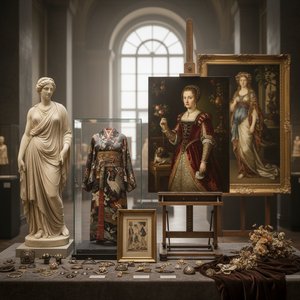
Draped Narratives: Fashion as Symbol & Subject in Historical Art
Explore the fascinating history of fashion as a symbol of power & status in art! Discover masterpieces from Gainsborough to Tissot and learn how clothing shaped societal narratives. Find museum-quality reproductions at OriginalUniqueArt.
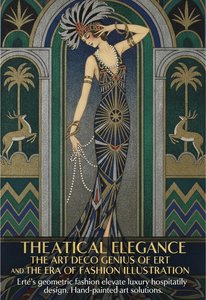
Theatrical Elegance: The Art Deco Genius of Erté and the Era of Fashion Illustration
Explore the theatrical elegance of Erté and the Art Deco era. Discover how his mastery of geometric line and fashion illustration can elevate luxury hospitality design through premium, hand-painted reproductions and bespoke architectural art solutions.

The Gilded Age Reimagined: Exploring the Aesthetic Principles & Enduring Legacy of Art Deco
Explore the captivating world of Art Deco! Discover its origins, defining features, cultural impact & enduring legacy. Expert insights for collectors and design enthusiasts. Shop handmade reproductions at OriginalUniqueArt.

The Theatrical Elegance of Art Deco: The Line Work and Fashion Genius of Erté
Discover the unparalleled elegance of Art Deco through the lens of Erté. Explore a masterclass in linear precision, theatrical costume design, and high-fashion illustration that continues to define modern luxury and sophisticated interior aesthetics.

Mariano Fortuny: A Fusion of Art, Fashion & Design – Exploring a Venetian Innovator's Legacy
Explore the captivating world of Mariano Fortuny – artist, designer & innovator. Discover his revolutionary textiles, iconic Delphos gown, and lasting influence on art, fashion & interiors. A collector's guide to a Venetian master.
