

 წინასწარი ნახვა
 გაგზავნა
 გაზიარება
 დეტალები

 ჩამოტვირთვა
 მსგავსები
 რენტგენოგრაფიული კვლევა
 სლაიდშოუ
 სტატისტიკა
Hat Rack


 გადასართად დაწვრილებით ნახეთ
გიკლე / ხელოვნების პრინტი
მუზეუმის დონის ჟიკლე ან ტილოზე ბეჭდვა სწრაფი წარმოებისა და დასრულების მოქნილი ვარიანტებით. ( შეიძინეთ ხელით შესრულებული ნახატი გადასვლა ციფრულ გამოსახულებაზე)




P118B $10

P118H $10

P118W $10

P438Z $10

P508JH $12

P508YH $12

P805H $10

P805Z $10

P919BZ $10

P919G $10

P919XJ $10

P959ZH $10

P968JZ $12

W106C $8

W218G $10

W218JH $8

W218Y $10

W307PJ $10

W316G $10

W316PJ $8

W316Y $10

W398PJ $8

W4111J $10

W500HY $15

W500JH $15

W692G $12

W849H $8

W940BG $15

W953PJ $8




აირჩიეთ ჩვენს მიერ წინასწარ განსაზღვრული ზომებიდან, რომლებიც ნაწარმოების ორიგინალურ პროპორციებს შეესაბამება.

თქვენ შეგიძლიათ მიუთითოთ საკუთარი ზომები კონკრეტული ჩარჩოსთვის ან სივრცისთვის მოსარგებლებლად. თუ თქვენ მიერ არჩეული ზომა არ შეესაბამება ორიგინალი გამოსახულების პროპორციებს, ჩვენ ან დავჭრით ნამუშევარს, ან გავაფართოვებთ გამოსახულებას სარკული ან ერთფეროვანი კიდეებით. წარმოების დაწყებამდე თქვენს დასამტკიცებლად გამოგეგზავნებათ ციფრული მაკეტი.
გთხოვთ, გაითვალისწინოთ, რომ ეკრანზე ნაჩვენები წინასწარი ნახვა არ ასახავს რეალურ ჭრას ან გაფართოებას. მხოლოდ მაკეტზე იქნება ზუსტად წარმოდგენილი საბოლოო კომპოზიცია.
მიუხედავად იმისა, რომ ინდივიდუალური ზომები ხელმისაწვდომია, ორიგინალური პროპორციების შესანარჩუნებლად გირჩევთ, აირჩიოთ ზომა წინასწარ განსაზღვრული სიისგან.
მიწოდება მთელ მსოფლიოში () 2 კვირაში, სტანდარტული 4/5 კვირის ნაცვლად. (9 სექტემბერი)

უფასო ექსპრეს მიწოდება მთელ მსოფლიოში

საბამად მაღალი ხარისხის ტილო

სრული ტრანსპორტირების დაზღვევა

საბაჟო გადასახადების დაბრუნების გარანტია

ფერების სრული შესაბამისობის გარანტია

დაბრუნების 100-დღიანი პოლიტიკა (მხოლოდ დეფექტის შემთხვევაში)

100% თანხის დაბრუნების გარანტია

ფასდაკლება დიდი რაოდენობით შეკვეთისას
 მინის ჩარჩოს არჩევანი ხელმისაწვდომია მხოლოდ 110 სმ-ზე ნაკლები ზომისთვის

Hat Rack
გიკლე / ხელოვნების პრინტი
რეკლამაციის ზომა
-


საბოლოო ფასი
$ 80
A Deconstructed Object: Marcel Duchamp’s “Hat Rack” – A Study in Provocation
Marcel Duchamp's "Hat Rack," painted in 1917, isn’t merely a depiction of furniture; it’s a deliberate dismantling of artistic conventions and a profound statement on the nature of art itself. This seemingly simple image—a wooden chair supporting an absurdly stacked collection of hats—holds within its quiet stillness a revolutionary spirit that continues to resonate with viewers today. The painting, now housed in the Israel Museum, offers a glimpse into Duchamp’s burgeoning Dadaist philosophy and his audacious challenge to established artistic norms.
The composition is deceptively straightforward. A chair, rendered with an almost clinical precision, forms the skeletal structure of the piece. Its unusual design—a slightly off-kilter angle and subtly exaggerated proportions—suggests a deliberate rejection of functionalism. Instead of serving its intended purpose as a comfortable seat, it becomes a stage for the chaotic arrangement of hats. These aren’t meticulously chosen or artistically displayed; they are piled haphazardly upon one another, creating a visual jumble that defies logic and order. Duchamp's choice to present this commonplace object—a chair and a collection of hats—elevates them to the realm of art through sheer act of selection and presentation.
Dadaist Roots: Challenging Artistic Values
“Hat Rack” is deeply rooted in the Dada movement, which emerged during World War I as a reaction against the perceived irrationality and brutality of the conflict. Dada artists sought to dismantle traditional values—including those surrounding art—and expose the absurdity of societal norms. Duchamp’s work embodies this spirit perfectly. He wasn't interested in creating beautiful objects; he was interested in questioning what constituted “beauty” or “value” within the art world. The hat rack, with its inherent lack of aesthetic appeal, becomes a powerful symbol of this rejection. It forces us to reconsider our assumptions about what deserves artistic attention and how we define artistic merit.
The painting’s creation coincided with Duchamp's exploration of chance operations and the concept of “readymades”—industrial or manufactured objects presented as art without alteration. This approach, central to Dadaism, challenged the traditional notion that an artist needed to create something entirely new. Duchamp argued that the selection and presentation of an existing object could be just as valid a form of artistic expression. The hat rack can be seen as a precursor to this readymade philosophy, demonstrating how the context and intention behind an object’s display could transform its meaning.
Technique and Symbolism: A Calculated Discomfort
Duchamp's technique is remarkably restrained, almost austere. The painting is executed in oil on canvas with a precise, almost photographic quality. This deliberate lack of expressive brushwork further emphasizes the object-like nature of the work. There’s no attempt to romanticize or embellish the scene; instead, Duchamp presents it with cold, objective clarity. The hats themselves—a motley collection of varying shapes, sizes, and colors—add layers of symbolic meaning. They can be interpreted as representing the anxieties and uncertainties of a rapidly changing world, or perhaps simply as a commentary on consumer culture and the accumulation of possessions.
Furthermore, the chair’s unusual design subtly hints at instability and imbalance. It's not a stable, supportive structure; it leans slightly, mirroring the precariousness of the hat arrangement above. This visual dissonance reinforces the painting’s overall theme of disruption and challenges our expectations of harmony and order. The placement within a museum setting further elevates the piece, suggesting that even the most mundane objects can be worthy of contemplation and artistic consideration.
A Timeless Provocation: Reproduction and Interpretation
OriginalUniqueArt offers meticulously crafted reproductions of “Hat Rack,” allowing you to bring this iconic work into your own space. Our hand-painted reproductions capture not only the visual details but also the underlying spirit of Duchamp’s revolutionary vision. Whether displayed in a contemporary interior or as a thoughtful addition to an art collection, "Hat Rack" continues to provoke and inspire, reminding us that art can be found in the unexpected and that questioning established norms is essential for artistic progress. Consider this piece not just as a painting, but as a meditation on perception, value, and the very definition of art itself.
მხატვრის ბიოგრაფია
მარსელ დიუშამპ: ხელოვნების რევოლუციური სული
მარსელ დიუშამპი, დაბადებული ენრი-რობერ-მარსელ დიუშამპად 1887 წლის 28 ივლისს ბლანვილ-სურ-მერს, ნორმანდიაში, საფრანგეთში, იყო მეტად ხელოვანი, ჭადრაკის მოთამაშე და გამოგონებელი, რომელმაც გადამწყვეტი როლი ითამაშა თანამედროვე ხელოვნების განვითარებაში შეერთებულ შტატებში და ნიუ-იორკში, სადაც ცხოვრების ბოლო 25 წელი გაატარა. დიუშამპი იყო ხელოვნების ერთ-ერთი პირველი წარმომადგენელი, რომელმაც ტუალეტიც კი ხელოვნების ფორმად აქცია. მეფრთხილებაBroken Arm-ის წინ (1915) და სხვა მორგებული საგნები ხელოვნების სტატუსამდე აწია. ის ხშირად მოიხსენიებენ როგორც პაბლო פיקאסოსა და ჟორჟ ბრაკის თან시대ელი, რომლებიც ხელოვნებაში ინდუსტრიული თვალყურისძიებას უწყობდნენ ხელს. დიუშამპს კონცეპტუალური ხელოვნების მამადაც აღიარებენ.ადრეული წლები და განათლება
დიუშამპი დაიბადა ევგენისა და ლუსი დიუშამპების ოჯახში, რომელთაც შვიდი ბავშვი ჰყავდათ. მისი ძმები, ჟაკ ვილონი (1875–1963), მხატვერი და რაიმონდ დიუშამპ-ვილიონი (1876–1918), ქანდაკებაც იყვნენ ხელოვანები. დიუშამპი ახალგაზრდობაში სწავლობდა რუანის ლიცეუმში, სადაც მისი თანაკლასელები იყვნენ მომავლის გამოჩენილი მხატვრები. ის ერთი წელი სწავლობდა პარიზის ბიელი-სრულების აკადემიაში, თუმცა ვერაფორმით გააგრძელა სწავლა. დიუშამპმა ადრეულ ასაკში გამოიკვეთა მხატვრული ნიჭი და მალევე დაიწყო კლასიკური ტექნიკის შესწავლა, თუმცა მალე უარზე갔ი და საკუთარი, რევოლუციური ხედვა განავითარა.კუბიზმიდან დადამდე: კონვენციების უარყოფა
დიუშამპის ხელოვნებაული მოგზაურობა მუდმივად ვითარდებოდა, რაც ძველი წესების მიღმა იყო. მისი ადრეული ნაშრომები, როგორიცაა *შესრიალებული ჩოგბურთი* (1911), კუბიზმის გავლენას უჩვენებს დაახლოებითი ფორმებისა და მრავალი ხედვის გამოყენებით. თუმცა, ის მალევე გადახდა მხოლოდ ესთეტიკური საკითხების მიღმა და აღიარა, რომ ელემენტების 단순 재배열 არ იყო საკმარისი იმისთვის, რომ მისაღწევად უფრო ღრმავდება კითხვები. პირველი მსოფლიო ომის ტრაგიკული შედეგები განაპირობა მისი უკმაყოფილება და დიუშამპი დაეხმარა დადაიზმის მოძრაობას, რომელიც დაიფარგალა იმედგაცრუებასთან და ტრადიციულ ხელოვნების ღირებულებებთან. სწორედ დადაისტურ ფასადში დიუშამპმა დაიწყო კონვენციული ხელოვნების გაფანტვა. ის არ ცდილობდა ლამაზი ობიექტების შექმნას, მას სურდა აეღოთ ხელი საზრუნავს, გამოეცადათ მოსწრებეები და გამოეხެއްხვათ ესთეტიკური განაჩენის თვითნაბადობა.რეადი-მეიდები და ხელოვნების დესტრუქცია
დიუშამპის ყველაზე მნიშვნელოვანი წვლილი მეოცე საუკუნის ხელოვნებაში რეადი-მეიდების შემოქმედება იყო - ყოველდღიური, წარმოებული ობიექტები, რომლებიც არჩეულია და წარმოდგენილია ხელოვნებად. ეს არ იყო უბრალოდ ნაპოვნები; ეს იყო ხელოვნების დესტრუქციის განზრახული აქტი. საგნების, როგორიცაა ტუალეტი (*ფონტანი*, 1917), ჩვეულებრივი საგნების ხელოვნების სტატუსამდე აწევა, გამოწვեց კითხვები იმის შესახებ, თუ რა არის ხელოვნება და ვინ არის მისი ავტორი. დიუშამპმა თქვა, რომ ხელოვნება უნდა იყოს გონებაში, არა მხოლოდ თვალში. *L.H.O.O.Q.* (1919), მონა ლიზეს პოსტკარდის გამეორება, რომელსაც დამატებულია მუსტაცია და ღუნღნა, იყო ხელოვნების ისტორიისა და კულტურული კანონიკის თამაში.მემკვიდრეობა და გრძელვადიანი გავლენა
მარსელ დიუშამპის გავლენა მომავალ თაობათა მხატვრებზე შეუდარებელია. მან საფუძველი ჩაუყარა კონცეპტუალურ ხელოვნებას, მინიმალიზმს, პოპ არტს და სხვა მოძრაობებს. მისი აქცენტი იდეაზე, ნაწარმის უკან მდგომარეობს, დღესაც აფრთხილებს მხატვრებს.- კუბიზმი: ფორმების და სივრცის წარმოსადგენლად ადრეული გამოკვლევა.
- დადაიზმი: გონებასთან და ტრადიციულ ხელოვნების ღირებულებებთან უარის თქმა პირველ მსოფლიო ომის შედეგად.
- კონცეპტუალური ხელოვნება: ნაწარმის იდეაზე აქცენტი, მისი ესთეტიკური თვისებების გარეშე.

მარსელ დიუშამპ
1887 - 1968 , საფრანგო
მოკლე ინფორმაცია
- Artistic Movement Or Style:
- კუბიზმი
- დადაიზმი
- კონცეპტუალური ხელოვნება
- Artists Or Movements Influenced By This Artist:
- კონცეპტუალური ხელოვნება
- პოპ არტისტი
- მინიმალისტური
- Date Of Birth: 1887 წლის 28 ივლისი
- Date Of Death: 1968 წლის 2 ოქტომბერი
- Full Name: მარსელ დუშამპი
- Nationality: ფრანცოზელი-ამერიკელი
- Notable Artworks:
- Fountain
- L.H.O.O.Q.
- The Large Glass
- Boîte-en-valise
- Place Of Birth: Blainville-sur-Mer, საფრანგო
დაკავშირებული სტატიები

The Enduring Form: Sculpture Across History, Technique & Emotional Resonance
Explore the rich history of sculpture with OriginalUniqueArt. Discover key techniques, influential artists & investment potential for discerning collectors. Expert insights into valuing and collecting timeless masterpieces.
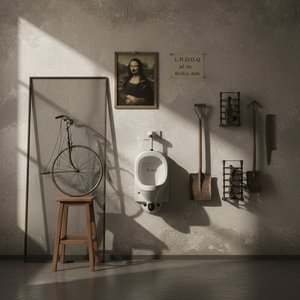
Marcel Duchamp: Challenging Conventions & Redefining Art in the 20th Century
Explore the revolutionary art of Marcel Duchamp! Discover how his Dadaist readymades challenged artistic conventions & redefined modern art. A deep dive into 'Fountain', conceptual shifts, and his lasting impact.

The Enduring Form: Exploring Themes & Techniques in Sculpture Across Historical Periods
Explore the rich history of sculpture from ancient masterpieces to contemporary innovations. Discover key techniques, influential artists & investment potential for discerning art collectors.

Bronze Sculptures That Defined Art History | OriginalUniqueArt
Journey through art history with our Top 10 bronze sculptures! Explore masterpieces by Rodin, Michelangelo & more. Discover stories behind iconic statues and find museum-quality reproductions for your home decor at OriginalUniqueArt.com.

Bronze Age to Modern Masters: 10 Sculptures That Redefined Art | OriginalUniqueArt
Journey through art history with 10 legendary bronze sculptures – from Michelangelo's David to Rodin’s Thinker. Explore the stories, techniques & timeless beauty of these masterpieces. Find museum-quality reproductions & elevate your home decor on OriginalUniqueArt.com.


