

 ნახვა ინტერьерში
 გაგზავნა
 გაზიარება
 დეტალები
 გზამკვლევი

 ჩამოტვირთვა
 მსგავსები
 რენტგენოგრაფიული კვლევა
 სლაიდშოუ
 სტატისტიკა
An angel painter
 Acrylic On Canvas
- WallArt
- Naïve Art (Primitivism)
 1928
1928- Modern
 66.0 x 51.0 cm
 სრული ტექსტის ნახვა
ამ გვერდზე წარმოდგენილი ნამუშევარი დაცულია საავტორო უფლების შესახებ კანონმდებლობით, რაც იმას ნიშნავს, რომ ჩვენ არ გვაქვს მისი იდენტური რეპროდუქციის შექმნის ან გაყიდვის სამართლებრივი უფლება. აღნიშნული დაცვა უზრუნველყოფილია ისეთი საერთაშორისო შეთანხმებებით, როგორიცაა ბერნის კონვენცია და ეროვნული კანონმდებლობით, მათ შორის იმ კანონებით, რომლებიც დეტალურად არის გაწერილი აშშ-ის საავტორო უფლების შესახებ კანონი - თავი 17.
ეს მეთოდი სრულად შეესაბამება საავტორო უფლებების რეგულაციებს, რადგან ის არ გულისხმობს დაცული ნამუშევრის კოპირებას ან დუბლირებას. ამგვარად, ეს წარმოადგენს შემოქმედებით რეინტერპრეტაციას — ახალ ნახატს, რომელიც შთაგონებითაა განპირობებული ორიგინალით, თუმცა არ არის მის იდენტურ ასლს.
გიკლე / ხელოვნების პრინტი
მუზეუმის დონის ჟიკლე ან ტილოზე ბეჭდვა სწრაფი წარმოებისა და დასრულების მოქნილი ვარიანტებით. ( შეიძინეთ ხელით შესრულებული ნახატი გადასვლა ციფრულ გამოსახულებაზე)




P118B ₾10

P118H ₾10

P118W ₾10

P438Z ₾10

P508JH ₾12

P508YH ₾12

P805H ₾10

P805Z ₾10

P919BZ ₾10

P919G ₾10

P919XJ ₾10

P959ZH ₾10

P968JZ ₾12

W106C ₾8

W218G ₾10

W218JH ₾8

W218Y ₾10

W307PJ ₾10

W316G ₾10

W316PJ ₾8

W316Y ₾10

W398PJ ₾8

W4111J ₾10

W500HY ₾15

W500JH ₾15

W692G ₾12

W849H ₾8

W940BG ₾15

W953PJ ₾8




აირჩიეთ ჩვენს მიერ წინასწარ განსაზღვრული ზომებიდან, რომლებიც ნაწარმოების ორიგინალურ პროპორციებს შეესაბამება.

შეიყვანეთ თქვენთვის საჭირო სიგანე და სიმაღლე, რათა იგი მოერგოს თქვენს ჩარჩოს ან კედელს. ბეჭდვისას შესაძლებელია მხოლოდ მისი შემცირება და არა გაზრდა, ამიტომ სხვა ფორმის ზომის შემთხვევაში გამოსახულება ნაწილობრივ იკარგება. სანამ რაიმეს დაბეჭდავთ, ჩვენ გამოგიგზავნით ციფრულ მაკეტს დასდასტურებლად. ამ გვერდზე ნაჩვენები სურათი არ ასახავს რეალურ ჭრას — ამას მხოლოდ მაკეტი გვიჩვენებს.
მიწოდება მთელ მსოფლიოში () 2 კვირაში, სტანდარტული 4/5 კვირის ნაცვლად. (24 ოქტომბერი)

უფასო ექსპრეს მიწოდება მთელ მსოფლიოში

მაღალი ხარისხის ტილო

ტრანსპორტირების სრული დაზღვევა

საბაჟო გადასახადების დაბრუნების გარანტია

ფერების სრული შესაბამისობის გარანტია

დაბრუნების 100-დღიანი პერიოდი (მხოლოდ წარმოების დეფექტის შემთხვევაში)

100% თანხის სრული დაბრუნების გარანტია

ფასდაკლება დიდი რაოდენობით შეკვეთისას
 მინის ჩარჩოს არჩევანი ხელმისაწვდომია მხოლოდ 110 სმ-მდე ზომისთვის

An angel painter
გიკლე / ხელოვნების პრინტი
რეპროდუქციის ზომა
-


ჯამური ღირებულება
₾ 209
An Angel Painter: A Glimpse into Marc Chagall’s Dreamscape
Marc Chagall, a name synonymous with vibrant color and deeply personal symbolism, remains one of the 20th century's most beloved artists. His work transcends mere representation, offering instead a window into his own rich inner world – a world populated by fantastical figures, biblical narratives, and fragments of memory. Amongst his vast oeuvre, “An Angel Painter” (1928), housed within OriginalUniqueArt’s exquisite hand-painted reproductions, stands as a particularly poignant example of this unique artistic vision. Created during a pivotal period in Chagall's career – a time when he was deeply immersed in the avant-garde circles of Paris – the painting is not simply a depiction of an angel; it’s a self-portrait rendered through the lens of his distinctive Naïve Art style, a style that deliberately eschews academic precision for raw emotion and intuitive expression. The scene unfolds within a simple, almost childlike church setting. A doorway dominates the composition, framed by a modest building – a structure suggesting both sanctuary and earthly connection. Standing before this entrance is a figure, unmistakably Chagall himself, holding a paintbrush aloft as if to capture the divine light streaming from above. This gesture immediately establishes the painting’s central theme: the artist's role as a conduit between the spiritual and the material realms. The presence of several other figures – some engaged in artistic pursuits, others seemingly observing with quiet contemplation – adds layers of narrative complexity without disrupting the overall dreamlike atmosphere. A bird, rendered with characteristic Chagallian exuberance, circles overhead, symbolizing freedom, hope, and perhaps even divine guidance. The color palette is dominated by rich blues, yellows, and reds—colors that evoke both the warmth of human emotion and the luminosity of spiritual experience. “An Angel Painter” firmly places itself within the context of Naïve Art (Primitivism), a movement characterized by its directness, simplicity, and rejection of traditional artistic conventions. Artists associated with this style often lacked formal training but possessed an extraordinary ability to convey powerful emotions through bold colors, flattened perspectives, and symbolic imagery. Chagall’s work embodies these qualities perfectly; his brushstrokes are loose and expressive, his forms simplified, and his use of color intensely vibrant. Interestingly, the Naïve Art movement was not entirely dismissed by the established art world. In fact, it gained a certain prestige as “pseudo-naïve” or “faux naïve,” with trained artists deliberately adopting this style to tap into its raw emotional power. This deliberate mimicry highlights the enduring appeal of Naïve Art’s uninhibited expression and its ability to bypass intellectual analysis in favor of direct feeling. The painting's historical context is crucial to understanding its deeper meaning. In the 1920s, Chagall was experiencing a period of intense creative ferment in Paris, surrounded by fellow avant-garde artists like Pablo Picasso and Henri Matisse. This environment profoundly influenced his work, leading him to incorporate more abstract elements while retaining his signature dreamlike imagery. “An Angel Painter” can be interpreted as a reflection of this transformative period – a visual representation of Chagall’s own artistic journey, grappling with the challenges and possibilities of modern art. Furthermore, it echoes themes prevalent in Chagall's broader body of work, particularly his explorations of Jewish folklore, biblical narratives, and the complexities of human relationships. The painting resonates with other iconic works like “Abraham is going to sacrifice his son,” "Study to Jacob Wrestling with the Angel," and "Moses and Aaron," all of which share a common thread of spiritual searching and emotional intensity. OriginalUniqueArt’s hand-painted reproductions capture the essence of “An Angel Painter” with remarkable fidelity, preserving the artist's unique style and vibrant color palette. Each reproduction is meticulously crafted by skilled artists who have painstakingly recreated Chagall’s vision, ensuring that art enthusiasts can experience this masterpiece in all its glory. Available in a range of sizes and framing options, this stunning artwork offers an exceptional opportunity to own a piece of Chagall's extraordinary legacy – a testament to the power of imagination and the enduring beauty of Naïve Art. Explore more of Marc Chagall’s masterpieces at OriginalUniqueArt.com/MarcChagall.Key Features & Technical Details
- Artist: Marc Chagall
- Title: An Angel Painter
- Year: 1928
- Style: Naïve Art (Primitivism)
- Medium: Gouache and Watercolor on Paper
- Dimensions: 66.3 x 51.6 cm
Symbolism & Interpretation
The painting is rich in symbolic meaning, inviting multiple interpretations. The angel figure undoubtedly represents Chagall himself, engaged in the act of creation and seeking divine inspiration. The church doorway symbolizes both earthly existence and access to the spiritual realm. The bird embodies freedom, hope, and perhaps even a connection to the heavens. The other figures likely represent fellow artists or individuals associated with the artistic community of Paris during this period. Overall, “An Angel Painter” is a meditation on the role of the artist, the pursuit of beauty, and the search for meaning in a rapidly changing world.Own a Piece of Art History
OriginalUniqueArt’s hand-painted reproductions offer an unparalleled opportunity to own a genuine representation of Marc Chagall's “An Angel Painter.” Each reproduction is created with meticulous attention to detail, capturing the artist’s unique style and vibrant color palette. Discover more about Marc Chagall and explore other masterpieces at OriginalUniqueArt.com/MarcChagall.კითხვები და პასუხები
1928 წელს შექმნილი „An angel painter“ მარკ შაგალი-ის შემოქმედების რომელი პერიოდის შესაბამისობაა?
მისი 1928 წლის თარიღიდან გამომდინარე, „An angel painter“ ეკუთვნის მარკ შაგალი-ის 1920s France-ს.
რა ორიენტაცია აქვს მარკ შაგალი-ის „An angel painter“-ს?
მარკ შაგალი-ის „An angel painter“-ს აქვს Portrait ფორმატი. ფორმატი აღწერს კომპოზიციის პროპორციებს.
სად არის რეკომენდებული "An angel painter"-ის განთავსება, მისი პალიტრის გათვალისწინებით?
მარკ შაგალი-ის „An angel painter“-ის Neutrals ფერები შეესაბამება მის რეკომენდებულ სივრცეს: Living Room.
მხატვრის ბიოგრაფია
მარკ შაგალი: ოცნებების ფერადი სამყარო
მარკ შაგალი, დაბადებული მოიშე შაგალად 1887 წლის 6 ივლისს ლიოზნას მახლობლად, ბელორუსეთში, არ იყო მხოლოდ მხატვარი; ის ფერების პოეტი, ოცნებების ქსოველი და ხსოვნებისა თუგის მწერველი იყო. მისი ცხოვრება, რომელიც თითქმის საუკუნეს მოიცავს, მეოცე საუკუნის აურზაური ტალღებს ასახავდა, მაგრამ მისი ხელოვნება ყოველთვის იყო ფესტიანებული მის προσωπულ ხედვაში – ხსოვნების ფოლკლორისა და წარმოსაქმნელის ძალის უუარო რწმენით. ლიოზნა მხოლოდ დაბადების ადგილი არ იყო; ის მისი მხატვრული სამყაროს გულშემატებითი ბირთვის გახდა, რომელიც ხშირად წარმოადგენდა მოქცეულ ფიგურებს, მხიარულ ცხოველებსა და გადამორჩილებულ ლანდშაფტების ელფერი. ქალაქის კულტურათა უნიკალური ნარევი – რუსული მართლმსხოვლის ტაძრები და აყვავებული یهودیه ბაზრობები – შექმნა ესთეტიკური განცდა, რომელიც მთელი მისი ხანგრძლივ კარიერას განმავლობაში მოუწონა ადვილად კატეგორიზაციას. მიუხედავად იმისა, რომ მან ფორმალური განათლება პირველად ადგილობრივ ფერებს შექმნილი მხატვართან მიიღო და შემდეგ სანკტ-პეტერბურგში ლეონ ბაკსტის ხელ കീഴით, ხოლო პარიზში გრანდ შომიერის აკადემიაში, შაგალი არასოდეს უFully შეექცეოდა ერთმანეთს. მან შეიწოვა კუბიზმის, სიმბოლიზმის და ფავიზმის ელემენტები, მაგრამ ყოველთვის ფილტრირებდა მათ საკუთარ ინტენსიურად προσωπულ ობიექტში, შექმნილიყო სტილი, რომელიც უნიკალური და შეუცვლელი იყო შაგალი.ხატვადი ენა
შაგალის ადრეული ნაშრომები უკვე მიანიშნებდა მის გამორჩეულ ენაზე. ტილოები, როგორიცაა მე და სოფელი (1911), არ არის მხოლოდ ადგილის აღწერილობა; ისინი იდენტობის, ხსოვნის და ინდივიდის ურთიერთობის შესწავნება საზოგადოებასთან. სოფელს რეალისტურად არ წარმოაჩენს, არამედ მოგონებების ფრაგმენტულ კოლექციად, რომელიც სიმბოლურ მნიშვნელობას ატარებს. მისი უნარი პირადი გამოცდილებათა გარდაქმნა საყოველთაო თემებად გახდა მისი ხელოვნების მახასიათებელი. მისი პალიტრა იყო ბრწყალოვანი და გამომხატველი, ხშირად იყენებდა მკვეთრ, არარეალური ფერებს ემოციის გადასაზიარებლად, ვიდრე სიცრუის აღებისთვის. ფიგურები კანვასზე მძიმეობისა და აზრიანების გარეშე მოცურავენ, ოცნებების ატმოსფეროს ქმნიან, რომელიც სტუმართა სამყაროში მიწევს. ეს სტილისტური მიდგომა არ იყო შემთხვევითი; ის წარმოიშვა რეალობის 단순한 imitación-ის გადასვლის მრწამს და გრძნების არსს, ხსოვნის წონის და ფოლკლორის ძალას აწვდიან. რუსეთის რევოლუციის შემდეგ შაგალი დაბრუნდა ვიტებსკში, სადაც მონაწილეობდა კულტურულ ინიციატივებში, დააარსა ხელოვნების სკოლა, რომელიც მოკლე ხნით გაფართოებულად იყო, სანამ ახალი რეჟიმის მიერ დაწესებული შეზღუდვები არ განუწყვეტა. ეს პერიოდი აღინიშნა როგორც კრეატიული ენერგიით, ასევე პოლიტიკური იმედგაცრუებებით, კონფლიქტი, რომელიც აგრძელებს შაგალის მხატვრულ ტრაექტორიას.სამყაროთაშორის სიცოცხლე: პარიზი, ნიუ-იორკი და სხვა
შემდეგ, შაგალი რუსეთიდან საბოლოოდ გადავიდა საფრანგეთში 1923 წელს. ეს იყო აღიარების საერთაშორისო პერიოდის და პროლიფიკული კრეატიულობის დასაწყისი. ნამუშევრები, როგორიცაა ვიტებსკის ზედა (1920-1922), აჩვენებს მის მუდმივ გართულებას ბავშვობის ხსოვნებთან, ხოლო ბიბლიური მოთხრობებისგან შთაგონებული ტილოები – როგორიცაა იაკობსი სიზმერში – გაზრდის ინტერესს რელიგიურ თემებზე. მეორე მსოფლიო ომის დაწყვამ აიძულა მას დაეტოვებინა ოკუპირებული საფრანგეთი ამერიკის შეერთებულ შტატებში, სადაც შვიდი წელი გაატარა ნიუ-იორკში. ეს პერიოდი აღინიშნა ღრმად ემოციური აურებით და მხატვრულმა ექსპერიმენტებმა. მას თავი მიაგნო ხელოვნებას, შექმნა ძლიერი ნამუშევრები, რომლებიც ასახავდნენ იმ დროს არსებულ შიშებსა და არასტაბილურობას. თეთრი ჯვარატი (1938), ტანჯვისა და დევნის მძიმე აღწერა, არის ამ ეპოქის 증거. ომის შემდეგ შაგალი დაბრუნდა საფრანგეთში, სადაც 계속 рисовал და творил until his death in 1985 at the age of 97.მემკვიდრეობა და მდგრადი გავლენა
შვილიშვილობაში მარკ შაგალი მიიღო მრავალი სახელოვანი კომისიონი, მათ შორის პარიზის ოპერის ჭერა (1964), ფერისა და ფორმის 놀라운 폭발, რომელიც აღნიშნავდა მუსიკალურ შედევრებს, და სანდგომი სათავსოთა სარკეები ჰადასასა ჰებრეუ უნივერსიტეტის სამედიცინო ცენტრში იერუსალიმში. ამ მასშტაბურმა პროექტებმა მისცა საშუალება, მიემართა საკუთარი მხატვრული ხედვა არქიტექტურულ სივრცეებში, შექმნადამისფერი გარემოები, რომლებიც დღესაც აინტერესებს და აღიმართება. შაგალის გავლენა მომავალ თაობათა მხატვრებზე უნაკლუვია. მისი ლირიკული ხასიათი, ემოციური სიღრმე და წარმოსაქმნის ძალა მოქმედებდა სურრეალისტებსა და სხვა მოძრაობებზე, რომლებიც მიიღებენ ფანტაზიასა და სიმბოლიზმს. მან შექმნა კავშირი Ευρωπαϊκής μοντέρνου και یهودیه კულტურული იდენტობის შორის, გახდა ცნობილი როგორც "მეოცე საუკუნის უტოპესი ებრაელი მხატვარი". მისი უნარი აერთიანებდეს προσωπურ გამოცდილებას, ფოლკლორსა და საყოველთაო თემებს დღესაც აინტერესებს მსოფლიოს მასშტაბით. მისი ნამუშევრები გვა提醒s ძალას ხელოვნების საზღვრების გადაღებას, ჩვენს საერთო انسانیობასთან დაკავშირებასა და ცხოვრების güzelliklerini და ਰਹੱਸებს აღმოჩენას.დამკვეთრი შთაბეჭდილება
მარკ შაგალის მემკვიდრეობა გადაც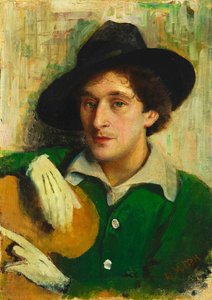
მარკ შაგალი
1887 - 1985 , Belarusi
მოკლე ფაქტები
- Artistic Movement Or Style: მოდერნიზმი, კუბიზმი
- Artists Or Movements Influenced By This Artist:
- სურრეალიზმი
- მოდერნი
- Artists Who Influenced This Artist:
- ლეონ ბაკსტი
- რობერტ დელაუნი
- Date Of Birth: 1887 წლის 6 ივლისი
- Date Of Death: 1985 წლის 28 მარტი
- Full Name: მარკ შაგალი
- Nationality: რუსი, ფრანგი, یهودی
- Notable Artworks:
- მე და სოფელი
- vitebsk-ის ზედა
- თეთრი ჯვარი
- Place Of Birth: ლიოვზნა, ბელარუსი
მსგავსი სტატიები

Celestial Messengers: Angels in Painting – A Historical & Artistic Exploration
Explore the captivating history of angels in painting! Discover symbolism, iconic Renaissance & Byzantine masterpieces, and renowned artists. Expert insights for art lovers & collectors at OriginalUniqueArt.

Celestial Messengers: A Comprehensive Exploration of Angelic Representation in Art History
Explore the captivating history of angels in art! Discover symbolism, iconic Renaissance masterpieces & renowned artists. Expert insights for art lovers & collectors at OriginalUniqueArt.

The Untamed Vision: Exploring Naïve Art & Primitivism's Rejection of Convention
Explore the revolutionary world of Naïve Art & Primitivism! Discover how artists challenged academic traditions with raw emotion & unique styles. Learn about Picasso, Rousseau & more at OriginalUniqueArt.
Divine Beauty: A Curated Guide to the Celestial Majesty of Angelic Figures in Art History
Explore the profound beauty of angelic figures in art history. From Renaissance masterpieces to celestial symbolism, our expert guide offers a sophisticated journey through the divine imagery of the Old Masters for discerning collectors and art enthusiasts.

The Pure Charm of Naïve Art: Finding Beauty in Simplicity, Soul, and the Unfiltered Vision
Discover the profound beauty of Naïve Art. Explore how self-taught masters bypass academic tradition to capture raw emotional truth through vibrant color and soulful simplicity. A cultural journey for the true art lover seeking depth beyond convention.


