- მთავარი გვერდი

- ზეთის ტილოზე რეპროდუქცია
- მარკ შაგალი
- Adam and Eve expelled from Paradise

 ნაბეჭდის შეძენა გამოსახულების შეძენა
 გაგზავნა
 გაზიარება
 დეტალები
 დამატება ფავორიტებში

 ჩამოტვირთვა
 მსგავსები
 რენტგენოგრაფიული კვლევა
 სლაიდშოუ
Adam and Eve expelled from Paradise
 Acrylic On Canvas
- WallArt
- Surrealist Movement
 1961
1961 31.0 x 41.0 cm
 გადასართად დაწვრილებით ნახეთ
ხელით ნაკვეთი ზეთის ტილოს რეპროდუქცია
ტილოზე შესრულებული ფერწერიანი ზეთប្រდათი, თქვენთვის სასურველი ზომისა და ჩარჩოსთვის, ჩვენი ხელოვანების მიერ შეკვეთის საფუძველზე დამზადებული.




P118B $10

P118H $10

P118W $10

P438Z $10

P508JH $12

P508YH $12

P805H $10

P805Z $10

P919BZ $10

P919G $10

P919XJ $10

P959ZH $10

P968JZ $12

W106C $8

W218G $10

W218JH $8

W218Y $10

W307PJ $10

W316G $10

W316PJ $8

W316Y $10

W398PJ $8

W4111J $10

W500HY $15

W500JH $15

W692G $12

W849H $8

W940BG $15

W953PJ $8




აირჩიეთ ჩვენს მიერ წინასწარ განსაზღვრული ზომებიდან, რომლებიც ნაწარმოების ორიგინალურ პროპორციებს შეესაბამება.

თქვენ შეგიძლიათ მიუთითოთ თქვენთვის სასურველი ზომები კონკრეტული ჩარჩოს ან სივრცის შესაბამისად. თუ თქვენ მიერ არჩეული ზომა არ შეესაბამება ორიგინალი გამოსახულების პროპორციებს, ჩვენ ან შევაჭრებთ ნაწარმოებს, ან ტილოზე დავამატებთ ხელით მოხატულ ელემენტებს. წარმოების დაწყებამდე, დამტკიცებისთვის გამოგეგზავნებათ ციფრული მაკეტი.
გთხოვთ, გაითვალისწინოთ, რომ ეკრანზე ნაჩვენები წინასწარი შეხედულება არ ასახავს რეალურ შეჭრას ან გაფართოებას. საბოლოო კომპოზიციას ზუსტად მხოლოდ მაკეტი წარმოაჩენს.
მიუხედავად იმისა, რომ შესაძლებელია ინდივიდუალური ზომების შერჩევა, ორიგინალური პროპორციების შენარჩუნებისათვის გირჩევთ, გამოიყენოთ წინასწარ განსაზღვრული სიის ზომები.
შეკვეთის შემდეგ, OriginalUniqueArt.com გუნდი დაგიკავშირდებათ ელექტრონული ფოსტით ინსტრუქციებისთვის და გამოგიგზავნით წინასწარ ნახაზს (mockup).
მიწოდება მსოფლიო მასშტაბით -ში 3/4 კვირაში, სტანდარტული 5 კვირის ნაცვლად. (16 ივლისი). ხარისხზე კომპრომისის გაკეთება არ მოხდება.

უფასო ექსპრეს მიწოდება მთელ მსოფლიოში

საბამად მაღალი ხარისხის ტილო

სრული ტრანსპორტირების დაზღვევა

საბაჟო გადასახადების დაბრუნების გარანტია

ფერების სრული შესაბამისობის გარანტია

60-დღიანი დაბრუნების პოლიტიკა (მხოლოდ დეფექტის შემთხვევაში)

100% თანხის დაბრუნების გარანტია

ფასდაკლება დიდი რაოდენობით შეკვეთისას
 მინის ჩარჩოს არჩევანი ხელმისაწვდომია მხოლოდ 110 სმ-ზე ნაკლები ზომისთვის

Adam and Eve expelled from Paradise
რეკლამაციის ტექნიკა
რეკლამაციის ზომა
-


საბოლოო ფასი
-
ნაწარმოების აღწერა
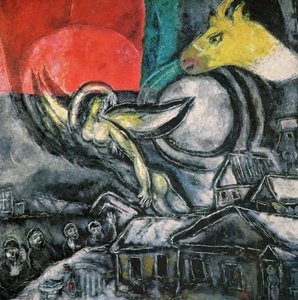
A Dreamscape of Loss and Redemption: Exploring Marc Chagall’s “Adam and Eve Expelled From Paradise”
Marc Chagall's "Adam and Eve Expelled From Paradise," completed in 1961, transcends mere representation; it embodies a profound meditation on biblical themes interwoven with the artist’s deeply personal vision. This monumental canvas—measuring 75 x 111 5/8 inches—immediately captivates viewers with its arresting color palette and fluid brushstrokes, transporting them into a realm of surreal beauty that defies conventional perspective. More than just illustrating a familiar story, Chagall transforms it into an emblem of spiritual struggle and eventual triumph, reflecting the enduring resonance of mythic narratives within the artist’s oeuvre.Composition and Surrealist Vision
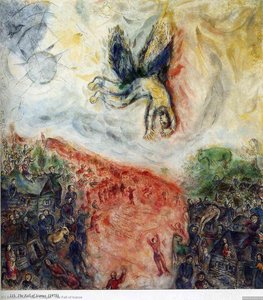
The artwork eschews traditional compositional conventions, prioritizing emotional impact over spatial accuracy. Figures—primarily Eve—float seemingly unbound by gravity amidst a sprawling landscape populated by fantastical elements: horses galloping across the heavens, birds soaring upwards, and a goat-like creature symbolizing earthly desires. These disparate figures are arranged in an asymmetrical manner, creating a dynamic sense of movement that mirrors the turbulent emotions conveyed by Chagall’s artistic impulse. The absence of a central focal point encourages contemplation, inviting viewers to immerse themselves in the painting's dreamlike atmosphere—a characteristic hallmark of Surrealist art and Chagall’s distinctive style.Color Palette and Texture: Earthly Hues Illuminated
Chagall’s masterful use of color is pivotal to conveying the artwork’s emotional core. Dominated by muted earthy tones – beige, brown, and grey – the palette bursts forth with splashes of pink, blue, green, and yellow. These colors aren't blended seamlessly; instead, they appear in distinct patches, contributing significantly to the painting’s ethereal quality and mirroring the artist’s recollections of his homeland—Belarus—where he spent his formative years amidst the vibrant hues of rural landscapes. The visible brushstrokes create a palpable texture, hinting at a mixed media approach possibly incorporating pastels or crayons alongside oil paint – a technique that lends physicality to Chagall's expressive vision.Symbolism and Emotional Resonance: Wings of Ascension
Beyond its visual splendor, “Adam and Eve Expelled From Paradise” is laden with symbolic significance. The wings adorning Eve represent aspiration—a yearning for spiritual liberation from earthly constraints—while the horses symbolize primal energy and movement, mirroring the biblical narrative’s depiction of divine judgment. The goat-like creature embodies temptation and earthly desires, serving as a counterpoint to Eve's upward trajectory. Chagall’s intention wasn’t merely to recount the biblical tale but to distill its essence into a poignant exploration of human vulnerability and resilience—a testament to the enduring power of mythic imagery to evoke profound emotional responses.Style and Technique: Embracing Expressionism
Chagall's artistic style is firmly rooted in Expressionism, prioritizing emotion over realism. He abandons meticulous detail, opting instead for loose brushstrokes and intuitive color choices that prioritize conveying feeling rather than replicating visual reality. This approach aligns seamlessly with the Surrealist movement’s fascination with subconscious imagery—a stylistic hallmark of Chagall’s entire artistic career. The artist's studio is a recurring theme in art history—depicted in drawings, paintings, and photos. Looking at it through Romantic, 19th -century eyes, this fascinating place is the cradle of all artistic creation.**At that time, artists were legendary, admired figures of society, and soon started setting trends1 for upper-class bourgeois and bohemians, who drew their inspiration from and fantasized about the lifestyle of the artist. Around the beginning of the 20th century, artists’ studios became an architectural model in Paris, inspiring new buildings with large glass roofs and high ceilings, bathed in light, boasting a profoundly “bohemian” interior decor—created by careful home-staging and a plethora of more of less luxurious items2. Later on, Chagall’s studio perpetuated this idea, fitting in perfectly with the collective imagination about his space. Photographs from the Marc and Ida Chagall Archive, as well as studio depictions, give us a glimpse of the atmosphere in these creative havens. Indeed, they took on many different facets depending on whether the painter was settled in Russia, France, Germany, or exiled in the United States during World War II. As it grew, Chagall’s studio morphed according to his social status and recognition as an artist—from his stay at La Ruche, a compound of studio lodgings in the Vaugirard neighborhood of Paris, from 1912 to 1914, to the construction of his villa La Colline in Saint-Paul-de-Vence where the artist settled down in 1966. These places were ideal for meeting new people and collaborating on cross-disciplinary artistic projects, transcending an extremely personal vision of the artist’s studio.\n\nThe works depicting his studio help shed light on what role and function the artist pinned on it. Chagall never painted outdoors: “I painted at my window, yet never walked down the street with my paintbox,” he asserted in *Ma vie 3*. The artist’s studio is a pivotal place between outside and inside worlds, materialized by the window itself. In the same way as his self-portrait did, these studio representations bear witness to how Chagall considered his status as an artist—like a window into his world.\n\n1Manuel Charpy, “Les ateliers d’artistes et leurs voisinages. Espaces et scènes urbaines des modes bourgeoises à Paris entre 1830-1914”, *Histoire urbaine* (“Artists’ Studios and their neighborhoods. Urban Areas and Scenes of Upper-Class Bourgeois in Paris between 1830 and 1914,” Urban History), vol. 26, no. 3, 2009, p. 43-68.\n\n\n2*Ibid.*\n\n\n3 Marc Chagall, *Ma vie* (My Life), Paris, republished by Stock, 1983, p. 166, *in* Élisabeth Pacoud-Rème, “Chagall, fenêtres sur l’œuvre” (Chagall, Window onto his Works), in *Chagall, un peintre à la fenêtre* (Chagall, a Painter at the Window) (Nice exhibition catalogue, Nice, Musée national Marc Chagall, June 25–October 13, 2008, Münster, Graphikmuseum Pablo Picasso Münster, November 13–March 4, 2009), Paris, Réunion des musées nationaux, 2008, p. 33.მხატვრის ბიოგრაფია
მარკ შაგალი: ოცნებების ფერადი სამყარო
მარკ შაგალი, დაბადებული მოიშე შაგალად 1887 წლის 6 ივლისს ლიოზნას მახლობლად, ბელორუსეთში, არ იყო მხოლოდ მხატვარი; ის ფერების პოეტი, ოცნებების ქსოველი და ხსოვნებისა თუგის მწერველი იყო. მისი ცხოვრება, რომელიც თითქმის საუკუნეს მოიცავს, მეოცე საუკუნის აურზაური ტალღებს ასახავდა, მაგრამ მისი ხელოვნება ყოველთვის იყო ფესტიანებული მის προσωπულ ხედვაში – ხსოვნების ფოლკლორისა და წარმოსაქმნელის ძალის უუარო რწმენით. ლიოზნა მხოლოდ დაბადების ადგილი არ იყო; ის მისი მხატვრული სამყაროს გულშემატებითი ბირთვის გახდა, რომელიც ხშირად წარმოადგენდა მოქცეულ ფიგურებს, მხიარულ ცხოველებსა და გადამორჩილებულ ლანდშაფტების ელფერი. ქალაქის კულტურათა უნიკალური ნარევი – რუსული მართლმსხოვლის ტაძრები და აყვავებული یهودیه ბაზრობები – შექმნა ესთეტიკური განცდა, რომელიც მთელი მისი ხანგრძლივ კარიერას განმავლობაში მოუწონა ადვილად კატეგორიზაციას. მიუხედავად იმისა, რომ მან ფორმალური განათლება პირველად ადგილობრივ ფერებს შექმნილი მხატვართან მიიღო და შემდეგ სანკტ-პეტერბურგში ლეონ ბაკსტის ხელ കീഴით, ხოლო პარიზში გრანდ შომიერის აკადემიაში, შაგალი არასოდეს უFully შეექცეოდა ერთმანეთს. მან შეიწოვა კუბიზმის, სიმბოლიზმის და ფავიზმის ელემენტები, მაგრამ ყოველთვის ფილტრირებდა მათ საკუთარ ინტენსიურად προσωπულ ობიექტში, შექმნილიყო სტილი, რომელიც უნიკალური და შეუცვლელი იყო შაგალი.ხატვადი ენა
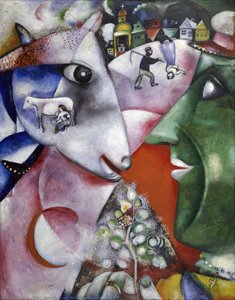
შაგალის ადრეული ნაშრომები უკვე მიანიშნებდა მის გამორჩეულ ენაზე. ტილოები, როგორიცაა მე და სოფელი (1911), არ არის მხოლოდ ადგილის აღწერილობა; ისინი იდენტობის, ხსოვნის და ინდივიდის ურთიერთობის შესწავნება საზოგადოებასთან. სოფელს რეალისტურად არ წარმოაჩენს, არამედ მოგონებების ფრაგმენტულ კოლექციად, რომელიც სიმბოლურ მნიშვნელობას ატარებს. მისი უნარი პირადი გამოცდილებათა გარდაქმნა საყოველთაო თემებად გახდა მისი ხელოვნების მახასიათებელი. მისი პალიტრა იყო ბრწყალოვანი და გამომხატველი, ხშირად იყენებდა მკვეთრ, არარეალური ფერებს ემოციის გადასაზიარებლად, ვიდრე სიცრუის აღებისთვის. ფიგურები კანვასზე მძიმეობისა და აზრიანების გარეშე მოცურავენ, ოცნებების ატმოსფეროს ქმნიან, რომელიც სტუმართა სამყაროში მიწევს. ეს სტილისტური მიდგომა არ იყო შემთხვევითი; ის წარმოიშვა რეალობის 단순한 imitación-ის გადასვლის მრწამს და გრძნების არსს, ხსოვნის წონის და ფოლკლორის ძალას აწვდიან. რუსეთის რევოლუციის შემდეგ შაგალი დაბრუნდა ვიტებსკში, სადაც მონაწილეობდა კულტურულ ინიციატივებში, დააარსა ხელოვნების სკოლა, რომელიც მოკლე ხნით გაფართოებულად იყო, სანამ ახალი რეჟიმის მიერ დაწესებული შეზღუდვები არ განუწყვეტა. ეს პერიოდი აღინიშნა როგორც კრეატიული ენერგიით, ასევე პოლიტიკური იმედგაცრუებებით, კონფლიქტი, რომელიც აგრძელებს შაგალის მხატვრულ ტრაექტორიას.სამყაროთაშორის სიცოცხლე: პარიზი, ნიუ-იორკი და სხვა
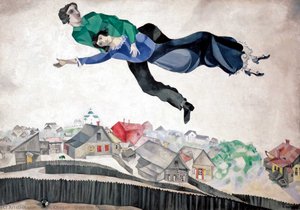
შემდეგ, შაგალი რუსეთიდან საბოლოოდ გადავიდა საფრანგეთში 1923 წელს. ეს იყო აღიარების საერთაშორისო პერიოდის და პროლიფიკული კრეატიულობის დასაწყისი. ნამუშევრები, როგორიცაა ვიტებსკის ზედა (1920-1922), აჩვენებს მის მუდმივ გართულებას ბავშვობის ხსოვნებთან, ხოლო ბიბლიური მოთხრობებისგან შთაგონებული ტილოები – როგორიცაა იაკობსი სიზმერში – გაზრდის ინტერესს რელიგიურ თემებზე. მეორე მსოფლიო ომის დაწყვამ აიძულა მას დაეტოვებინა ოკუპირებული საფრანგეთი ამერიკის შეერთებულ შტატებში, სადაც შვიდი წელი გაატარა ნიუ-იორკში. ეს პერიოდი აღინიშნა ღრმად ემოციური აურებით და მხატვრულმა ექსპერიმენტებმა. მას თავი მიაგნო ხელოვნებას, შექმნა ძლიერი ნამუშევრები, რომლებიც ასახავდნენ იმ დროს არსებულ შიშებსა და არასტაბილურობას. თეთრი ჯვარატი (1938), ტანჯვისა და დევნის მძიმე აღწერა, არის ამ ეპოქის 증거. ომის შემდეგ შაგალი დაბრუნდა საფრანგეთში, სადაც 계속 рисовал და творил until his death in 1985 at the age of 97.მემკვიდრეობა და მდგრადი გავლენა
შვილიშვილობაში მარკ შაგალი მიიღო მრავალი სახელოვანი კომისიონი, მათ შორის პარიზის ოპერის ჭერა (1964), ფერისა და ფორმის 놀라운 폭발, რომელიც აღნიშნავდა მუსიკალურ შედევრებს, და სანდგომი სათავსოთა სარკეები ჰადასასა ჰებრეუ უნივერსიტეტის სამედიცინო ცენტრში იერუსალიმში. ამ მასშტაბურმა პროექტებმა მისცა საშუალება, მიემართა საკუთარი მხატვრული ხედვა არქიტექტურულ სივრცეებში, შექმნადამისფერი გარემოები, რომლებიც დღესაც აინტერესებს და აღიმართება. შაგალის გავლენა მომავალ თაობათა მხატვრებზე უნაკლუვია. მისი ლირიკული ხასიათი, ემოციური სიღრმე და წარმოსაქმნის ძალა მოქმედებდა სურრეალისტებსა და სხვა მოძრაობებზე, რომლებიც მიიღებენ ფანტაზიასა და სიმბოლიზმს. მან შექმნა კავშირი Ευρωπαϊκής μοντέρνου και یهودیه კულტურული იდენტობის შორის, გახდა ცნობილი როგორც "მეოცე საუკუნის უტოპესი ებრაელი მხატვარი". მისი უნარი აერთიანებდეს προσωπურ გამოცდილებას, ფოლკლორსა და საყოველთაო თემებს დღესაც აინტერესებს მსოფლიოს მასშტაბით. მისი ნამუშევრები გვა提醒s ძალას ხელოვნების საზღვრების გადაღებას, ჩვენს საერთო انسانیობასთან დაკავშირებასა და ცხოვრების güzelliklerini და ਰਹੱਸებს აღმოჩენას.დამკვეთრი შთაბეჭდილება
მარკ შაგალის მემკვიდრეობა გადაც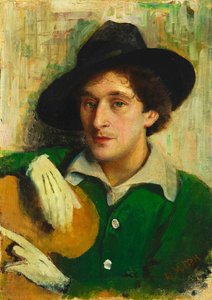
მარკ შაგალი
1887 - 1985 , Belarusi
მოკლე ინფორმაცია
- Artistic Movement Or Style: მოდერნიზმი, კუბიზმი
- Artists Or Movements Influenced By This Artist:
- სურრეალიზმი
- მოდერნი
- Artists Who Influenced This Artist:
- ლეონ ბაკსტი
- რობერტ დელაუნი
- Date Of Birth: 1887 წლის 6 ივლისი
- Date Of Death: 1985 წლის 28 მარტი
- Full Name: მარკ შაგალი
- Nationality: რუსი, ფრანგი, یهودی
- Notable Artworks:
- მე და სოფელი
- vitebsk-ის ზედა
- თეთრი ჯვარი
- Place Of Birth: ლიოვზნა, ბელარუსი
დაკავშირებული სტატიები
Albrecht Dürer's Masterpieces: 25 Iconic Artworks for Your Home | OriginalUniqueArt
Explore 25 iconic artworks by Albrecht Dürer, a master of the German Renaissance. Discover the stories behind Melencolia I, Knight Death and Devil & more. Find museum-quality art reproductions for your home at OriginalUniqueArt.com.
Illuminating Faith: Biblical Scenes & Their Enduring Legacy in Art History
Explore the profound history of biblical art! Discover Renaissance masterpieces by Giotto & more. Uncover symbolism, artistic techniques, and lasting influence. Expert insights at OriginalUniqueArt.
Sacred Narratives on Canvas: Exploring Biblical Art Across Centuries
Explore the rich history of biblical art from Giotto to the Renaissance masters. Discover symbolism, techniques & enduring legacies with OriginalUniqueArt – your source for museum-quality reproductions and expert art insights.
Snowy Masterpieces: 10 Famous Paintings & Art for a Winter Aesthetic
Explore 10 famous snow paintings by Monet, Degas & more! Discover the stories behind these serene winter landscapes and iconic artworks. Find museum-quality art reproductions for your home at OriginalUniqueArt.com.
Reginald Grenville Eves: Bridging Portraiture & Modern British Landscape Painting
Explore the life & work of Reginald Grenville Eves, a leading British portraitist who transitioned to captivating landscape painting. Discover his legacy and prominent works at OriginalUniqueArt.