

 ნახვა ინტერьерში
 გაგზავნა
 გაზიარება
 დეტალები
 გზამკვლევი

 ჩამოტვირთვა
 მსგავსები
 რენტგენოგრაფიული კვლევა
 სლაიდშოუ
 სტატისტიკა
St Stephen
 Acrylic On Canvas
- WallArt
- Renaissance/Baroque
 67.0 x 50.0 cm
 Museo del Prado
 სრული ტექსტის ნახვა
გიკლე / ხელოვნების პრინტი
მუზეუმის დონის ჟიკლე ან ტილოზე ბეჭდვა სწრაფი წარმოებისა და დასრულების მოქნილი ვარიანტებით. ( შეიძინეთ ხელით შესრულებული ნახატი გადასვლა ციფრულ გამოსახულებაზე)




P118B ₾10

P118H ₾10

P118W ₾10

P438Z ₾10

P508JH ₾12

P508YH ₾12

P805H ₾10

P805Z ₾10

P919BZ ₾10

P919G ₾10

P919XJ ₾10

P959ZH ₾10

P968JZ ₾12

W106C ₾8

W218G ₾10

W218JH ₾8

W218Y ₾10

W307PJ ₾10

W316G ₾10

W316PJ ₾8

W316Y ₾10

W398PJ ₾8

W4111J ₾10

W500HY ₾15

W500JH ₾15

W692G ₾12

W849H ₾8

W940BG ₾15

W953PJ ₾8




აირჩიეთ ჩვენს მიერ წინასწარ განსაზღვრული ზომებიდან, რომლებიც ნაწარმოების ორიგინალურ პროპორციებს შეესაბამება.

შეიყვანეთ თქვენთვის საჭირო სიგანე და სიმაღლე, რათა იგი მოერგოს თქვენს ჩარჩოს ან კედელს. ბეჭდვისას შესაძლებელია მხოლოდ მისი შემცირება და არა გაზრდა, ამიტომ სხვა ფორმის ზომის შემთხვევაში გამოსახულება ნაწილობრივ იკარგება. სანამ რაიმეს დაბეჭდავთ, ჩვენ გამოგიგზავნით ციფრულ მაკეტს დასდასტურებლად. ამ გვერდზე ნაჩვენები სურათი არ ასახავს რეალურ ჭრას — ამას მხოლოდ მაკეტი გვიჩვენებს.
მიწოდება მთელ მსოფლიოში () 2 კვირაში, სტანდარტული 4/5 კვირის ნაცვლად. (25 ოქტომბერი)

უფასო ექსპრეს მიწოდება მთელ მსოფლიოში

მაღალი ხარისხის ტილო

ტრანსპორტირების სრული დაზღვევა

საბაჟო გადასახადების დაბრუნების გარანტია

ფერების სრული შესაბამისობის გარანტია

დაბრუნების 100-დღიანი პერიოდი (მხოლოდ წარმოების დეფექტის შემთხვევაში)

100% თანხის სრული დაბრუნების გარანტია

ფასდაკლება დიდი რაოდენობით შეკვეთისას
 მინის ჩარჩოს არჩევანი ხელმისაწვდომია მხოლოდ 110 სმ-მდე ზომისთვის

St Stephen
გიკლე / ხელოვნების პრინტი
რეპროდუქციის ზომა
-


ჯამური ღირებულება
₾ 209
The Silent Witness: Luis de Morales’s St Stephen
Luis de Morales's "St Stephen" isn’t merely a painting; it’s a profound distillation of faith, sorrow, and the quiet dignity of martyrdom. Executed in the late 16th century during a period of fervent religious fervor in Badajoz, Spain, this work stands as a testament to the artist’s extraordinary ability to imbue biblical scenes with palpable emotion and anatomical realism—a hallmark of his distinctive style. The painting depicts St Stephen, the first Christian martyr, not in grand, triumphant pose, but rather in a moment of contemplative stillness, a figure rendered with an almost unnerving intimacy that draws the viewer into his inner world.
Morales’s artistic lineage is deeply rooted in the traditions of Spanish religious art, yet he transcends mere imitation. He masterfully blends elements of the Renaissance and Baroque, employing a meticulous attention to detail reminiscent of Flemish painting—particularly evident in the rendering of St Stephen's skin, which exhibits a remarkable sensitivity to light and shadow – pores, wrinkles, and subtle variations in tone that suggest both age and suffering. The composition is deliberately restrained, focusing entirely on the figure of the saint, set against a subtly rendered landscape that hints at the desolate terrain where he met his tragic end.
A Study in Light and Shadow: Technique and Materials
The painting’s power resides significantly in Morales's masterful manipulation of light. He utilizes *chiaroscuro*—the dramatic contrast between light and dark—to sculpt St Stephen’s form, emphasizing his vulnerability and the weight of his impending fate. The muted palette – dominated by earthy browns, ochres, and subtle blues – contributes to a sense of solemnity and gravity. The artist employed oil on panel, a technique favored for its ability to achieve rich colors and nuanced textures. Close examination reveals an incredibly detailed surface, achieved through countless layers of thin glazes—a painstaking process that speaks volumes about Morales’s dedication to his craft.
Notably, the painting's execution suggests a deep understanding of human anatomy, a skill honed through years of observation and study. The pose is naturalistic, conveying a sense of quiet resignation rather than dramatic anguish. The artist doesn’t shy away from depicting the physical realities of martyrdom – the bald head, the weathered face, the simple garment—transforming a biblical narrative into a deeply human experience.
Symbolism and Spiritual Resonance
Beyond its technical brilliance, “St Stephen” is rich in symbolic meaning. The saint’s posture, with his hand resting gently on his chest, evokes the image of Christ's sacrifice. The presence of the three stones—a direct reference to his brutal execution—underscores the painting’s central theme: unwavering faith in the face of persecution. The rocky landscape, sparsely populated and bathed in a melancholic light, serves as a potent metaphor for the desolate spiritual journey undertaken by those who choose to follow Christ.
Furthermore, St Stephen's baldness is not merely a detail of representation; it’s a deliberate allusion to his role as a deacon, signifying his service and humility. The painting invites contemplation on themes of sacrifice, faith, and the enduring power of spiritual conviction—themes that resonated deeply with viewers during Morales’s time and continue to hold profound significance today.
A Legacy of Devotion: Reproduction and Artistic Value
Reproductions of “St Stephen” offer a remarkable opportunity to experience the depth and emotional resonance of this extraordinary work. The meticulous detail, combined with Morales's masterful use of light and shadow, ensures that these reproductions capture the essence of the original painting—a testament to the artist’s skill and vision. Whether displayed in a private residence or a public space, this image serves as a powerful reminder of the enduring legacy of Spanish religious art and the timeless themes it explores.
Consider commissioning a hand-painted reproduction from OriginalUniqueArt.com – an authentic recreation that honors Morales’s artistic legacy while bringing his profound vision into your home or studio. It's more than just a picture; it’s a window into the soul of a master artist and a celebration of faith, sacrifice, and the enduring power of human spirit.
კითხვები და პასუხები
როგორ ერგება „St Stephen“ ლუის დე მორალესი-ის თემებსა და სტილს?
ლუის დე მორალესი-ის შემოქმედებაში „St Stephen“ Renaissance/Baroque სტილშია შესრულებული და religious devotion, renaissance realism, spanish piety, morales’ style, martyrdom, biblical narrative”, “devotional imagery, spiritual focus” თემებს ეფუძნება.
ვინ არის "St Stephen"-ის ავტორი და რომელ სტილს მიეკუთვნება?
"St Stephen"-ის უკან დგას ლუის დე მორალესი და Renaissance/Baroque მიმდევრობა.
რა პროპორციები აქვს ლუის დე მორალესი-ის „St Stephen“-ს და რა ზომის არის იგი?
სურათის "St Stephen" ფორმატი არის Portrait, ხოლო ორიგინალის ზომა შეადგენს 67 x 50 cm-ს. ორივე მათგანი სასარგებლოა რეპროდუქციის დაგეგმვისას.
მხატვრის ბიოგრაფია
ლუის დე მორალესი: ბადახოს ღვთიური მხატვარი
ლუის დე მორალესი (დაახლ. 1509 – 9 მაისი, 1586), რომელიც სიყვარულით „ელ დივინოსად“ (ღვთიური) არის ცნობილი, ესპანური რენესანსის ერთ-ერთ ყველაზე პატივსაცემ ფიგურად გვევლინება. იგი იყო მხატვარი, რომლის ღრმა სულიერებამ და გასაოცარმა რეალიზმმა მთელი მისი ცხოვრების მანძილზე გაამხიბლა მსმენელები და საუკუნეების შემდეგაც განაგრძობს აღფრთოვანების მოპოვებას. ექსტრემადურის ბადახოში დაბადებული მორალესის შემოქმედებითი გზა განვითარდა ჰუმანისტური იდეებისა და რელიგიური სიმბოლოს ეპოქაში, რამაც იგი რელიგიური გამოსახულებების შეუდარებელ ოსტატად აქცია და მისი მემკვიდრეობა მისი ეპოქის კლასიკურ ხელოვანად დაამკვიდრა.ადრეული წლები და გავლენები
მორალეს ფორმირების წლების შესახებ დოკუმენტური ჩანაწერების გარდა ბევრი რამ არ არის ცნობილი, გარდა იმისა, რომ იგი დაახლოებით 1509 წელს ბადახოში დაიბადა. სავარაუდოდ, მისი მხატვრული სწავლება ჰერნანდო სტურმიოს, ბადახოში დამკვიდრებულ ფლემგურ მხატვარს, და შესაძლოა პედრო დე კამპანიას, სევილეში მოღვაწრე ცნობილ ხელოვანს, ხელში დაიწყო. მისი ადრეული ნამუშევრები ლეონარდო და ვინჩის ლომბარდიის სკოლის შეუმჩხვეველ ნიშნებს ატარებს, რაც გამოხატულია ნაზი sfumato-ით (ბუნდოვანი კონტურებით) და ატმოსფერული პერსპექტივით. ამავდროულად, მან მიიღო გავლენა მიკელანჯელოსგან, რომლის მონუმენტურმა ქანდაკებებმა მას ანატომიისა და ექსპრესიული ჟესტის ოსტატური გაგება შეუძინა. ამ ფორმირების გამოცდილებამ ღრმად იმოქმედა მის მხატვრულ სენსებადობაზე.პერიოდი, რომელიც განსაზღვრულია ანატომიური სიზუსტით და სულიერი სიღრმით
მორალეს შემოქმედება შეიძლება ორ მკვეთრად განსხვავებულ პერიოდად დაიყოს, რაც ასახავს განვითარებად სტილისტურ ტენდენციებსა და ინტელექტუალურ ნაკადებს. პირველი ფაზა, რომელიც დაახლოებით 1539-დან 1560 წლამდე გრძელდებოდა, მოიცავდა ფლორენციულ ესთეტიკასთან, განსაკუთრებით მიკელანჯელოს ანატომიურ სიმკაცრესთან მუდმივ კავშირს, რამაც წარმოშვა ემოციითა და დრამატული დაძაბულობით გაჯერებული ტილოები. ასეთი ნამუშევრები, როგად La Virgen del Pajarito, ამ ადრეული სტილის საუკეთესო მაგალითია, რომელიც გვიჩვენებს ზედმიწევნით დეტალურ და ღრმა სულიერი ჭვრეტის მომენტს. მოგვიანებით, ლეონორ დე ჩავესთან ქორწინებისა და ალკანტარაში გადასვლის შემდეგ, მორალეს შემოქმედებითი რენესანსი გამოუცდა. ამ პერიოდში მან შექმნა შედევრები, რომლებმაც რენესანსული ტექნიკის საზღვრები გაფართოება შეუძლებეს — განსაკუთრებით ანატომიური სიზუსტის თვალსაზრისით. იგი შთაგონებას იღებდა გერმანელი და ფლემგური მხატვრებისგან, რომლებიც მხატვრობაში chiaroscuro-ს (სინათლისა და სიბნელის კონტრასტს) და ბუნების ზედმიწევნით დაკვირვებას იყენებდნენ. მის ყველაზე აღიარებულ ნამუშევრებს შორისაა La Piedad (1560), რომელიც ბადახოს საკათედრო ტაძარში ინახება და წარმოადგენს მარიამს, რომელიც იესოს სიკვდილს გლოვობს — ეს არის მორალეს უდარABLE უნარის დასტური სევდიანი ემოციის გადმოსაცემად; ასევე San Juan de Ribera (1564), რომელიც მადრიდის პრადოს მუზეუმშია და Ecce Homo, რომელიც ამერიკის ჰისპანურ საზოგადოებაშია წარმოდგენილი. ეს ნამუშევრები რენესანსული ღმერთმსახელობისა და მხატვრული სრულყოფილების მარადიულ სიმბოლოებად დარჩა.მემკვიდრეობა და აღიარება
ლუის დეს გავლენა მისსავე სიცოცხლის ფარგლებს ბევრად სცილდებოდა, რამაც იგი ესპანური რენესანსული ხელოვნების ქვაკუთხედად აქცია. რელიგიური თემებისადმი მისი ურყევი ერთგულება — შემოტანილია სუნთქმაშთამღვრევი რეალიზმით — მთელ ევროპაში ღრმად აისმოდა ხალხში. დღეს მისი ნამუშევრები მსოფლიოს პრესტიჟულ ინსტიტუტებშია დალაგებული, მათ შორის მადრიდის პრადოს მუზეუმსა და დორსეტის კინგსტონ ლეისი ჰაუსში, რაც მოწმობს მათ შემოუმაღლებელ მხატვრულ ღირებულებას. მორალეს მემკადვე დღემდე შთაგონების წყაროდ რჩება ხელოვანებისა და მეცნიერებისთვის, რაც უზრუნველყოფს, რომ „ელ დივინო“ მომავალი თაობებისთვის სულიერი ხელოვნების маяკად დარჩეს.შერჩეული ნამუშევრები
- La Virgen del Pajarito (ჩიტის ქალწული) (1546), ინახება სან-აგუსტინის ეკლესიაში, მადრიდში.
- La Piedad (წმინდა მწუხარება) (1560), ინახება ბადახოს საკათედრო ტაძარში.
- San Juan de Ribera (1564), პრადოს მუზეუმი, მადრიდი.
- Ecce Homo, კინგსტონ ლეისი ჰაუსში (National Trust), დორსეტი, დიდი ბრიტანეთი.
- Virgen de la leche (სასწავმედლო ქალწული), პრადოს მუზეუმში.
- St. Jerome in the Wilderness (წმინდა იერონიმე უდაბნოში), ირლანდიის ეროვნულ გალერეაში, დუბლინი.

ლუის დე მორალესი
1509 - 1586 , ესპანეთი
მოკლე ფაქტები
- Artistic Movement Or Style: მანერიზმი
- Artists Or Movements Influenced By This Artist: ['მიკელანჯელო']
- Artists Who Influenced This Artist:
- რაფაელ სანჩიო
- ლეონარდო და ვინჩი
- Date Of Birth: 1509
- Date Of Death: 1586
- Full Name: ლუის დე მორალესი
- Nationality: ესპანელი
- Notable Artworks:
- La Virgen del Pajarito
- La Piedad
- San Juan de Ribera
- Ecce Homo
- Place Of Birth: ბადახოსი, ესპანეთი
მსგავსი სტატიები
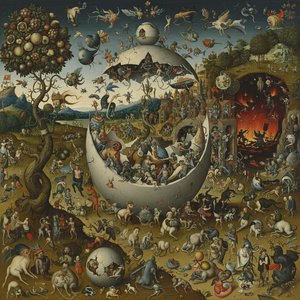
ჰიერონიმუს ბოში: 25 შედევრი, რომელიც შეცვლის თქვენს წარმოდგენას ხელოვნებაზე | OriginalUniqueArt.com
გამოიკვლიეთ ჰიერონიმუს ბოში 25 უნიკალური შედევრით! გაიცანით მისი ფანტასტიკური სამყარო, სიმბოლიზმი და რენესანსული ხელოვნების სიღრმე. შეიძინეთ ხარისხიანი რეპროდუქციები OriginalUniqueArt.com-ზე და შექმნით თქვენი სახლისთვის განსაკუთრებული ინტერიერი. აღმოაჩინეთ მთელი კოლექცია ონლაინ!

ფრანცისკო გოიას 25 შედევრი: ხელოვნების ისტორიაში გამორჩეული ნაწარმოებები | OriginalUniqueArt.com
გაიცანით ფრანცისკო გოიას 25 გამორჩეული შედევრი! რომანტიზმის ბრწყინვალე წარმომადგენლის ტილოები, ისტორიული სიღრმე და განსაცვიფრებელი სილამაზე. შეიძინეთ ხელოვნების რეკონსტრუქციები OriginalUniqueArt.com-ზე და შექმენით თქვენი ოცნების ინტერიერი.

About Us
Discover our story! We bring world-class art into your life through expert curation, personalized creations, and free previews. Trusted by individuals and businesses since 2000.

Oil on Canvas: A Historical & Technical Exploration of a Timeless Artistic Medium
Explore the rich history & enduring techniques of oil painting on canvas. Discover the science behind its longevity, conservation practices, and contemporary relevance. Expert insights for art enthusiasts.

ელ გრეკოს 25 შედევრი: ხელოვნების ისტორია თქვენს სახლში | OriginalUniqueArt.com
აღმოაჩინეთ ელ გრეკოს 25 უნიკალური შედევრი! ესპანური ხელოვნების ბაროკო სტილი, რელიგიური ხატები და მანერიზმის სიმდიდრე თქვენს სახლში. შეიძინეთ ხატის რეპროდუქცია OriginalUniqueArt.com-ზე და შექმნით ელიტური ინტერიერი. Explore the full collection online!