წინასწარი ნახვა
 გაგზავნა
 გაზიარება
 დეტალები
 გზამკვლევი

 ჩამოტვირთვა
 მსგავსები
 რენტგენოგრაფიული კვლევა
 სლაიდშოუ
 კითხვა-პასუხი
 სტატისტიკა
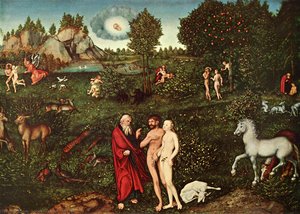
The Three Graces


 გააგრძელეთ კითხვა
გიკლე / ხელოვნების პრინტი
მუზეუმის დონის ჟიკლე ან ტილოზე ბეჭდვა სწრაფი წარმოებისა და დასრულების მოქნილი ვარიანტებით. ( შეიძინეთ ხელით შესრულებული ნახატი გადართვა ციფრულ გამოსახულებაზე)




P118B ₾10

P118H ₾10

P118W ₾10

P438Z ₾10

P508JH ₾12

P508YH ₾12

P805H ₾10

P805Z ₾10

P919BZ ₾10

P919G ₾10

P919XJ ₾10

P959ZH ₾10

P968JZ ₾12

W106C ₾8

W218G ₾10

W218JH ₾8

W218Y ₾10

W307PJ ₾10

W316G ₾10

W316PJ ₾8

W316Y ₾10

W398PJ ₾8

W4111J ₾10

W500HY ₾15

W500JH ₾15

W692G ₾12

W849H ₾8

W940BG ₾15

W953PJ ₾8




აირჩიეთ ჩვენს მიერ წინასწარ განსაზღვრული ზომებიდან, რომლებიც ნაწარმოების ორიგინალურ პროპორციებს შეესაბამება.

შეიყვანეთ თქვენთვის საჭირო სიგანე და სიმაღლე, რათა გამოსახულებამ თქვენს ჩარჩოს ან კედელს ზუსტად მოერგოს. ბეჭდვისას შესაძლებელია მხოლოდ მისი შემცირება და არა გაზრდა, ამიტომ სხვა ფორმის ზომის შემთხვევაში სურათი ნაწილობრივ იკარგება. სანამ რაიმეს დაბეჭდავთ, ჩვენ გამოგიგზავნით ციფრულ მაკეტს დასდასტურებლად. ამ გვერდზე ნაჩვენები სურათი არ ასახავს რეალურ ჭრას — ამას მხოლოდ მაკეტი გვიჩვენებს.
მიწოდება მთელ მსოფლიოში () 2 კვირაში, სტანდარტული 4/5 კვირის ნაცვლად. (11 ნოემბერი)

უფასო ექსპრეს მიწოდება მთელ მსოფლიოში

მაღალი ხარისხის ტილოს ქსოვილი

ტრანსპორტირების სრული დაზღვევა

საბაჟო გადასახადების დაბრუნების გარანტია

ფერების სრული შესაბამისობის გარანტია

დაბრუნების 100-დღიანი პოლიტიკა (მხოლოდ დეფექტის შემთხვევაში)

100% თანხის სრული დაბრუნების გარანტია

ფასდაკლება დიდი რაოდენობით შეკვეთისას
 მინის ჩარჩოს არჩევანი შესაძლებელია მხოლოდ 110 სმ-მდე ზომისთვის

The Three Graces
გიკლე / ხელოვნების პრინტი
რეპროდუქციის ზომა
-


საბოლოო ღირებულება
₾ 210
A Renaissance Vision of Eternal Beauty
In the quiet halls of the Nelson-Atkins Museum of Art, Lucas Cranach the Elder’s "The Three Graces" stands as a breathtaking testament to the enduring allure of the German Renaissance. Painted around 1535, this masterpiece transcends its era to offer a timeless meditation on femininity, grace, and the divine. The composition presents three ethereal figures, stripped of worldly adornment, standing in a poised arrangement against a deep, velvety black background. This stark contrast serves a profound purpose: it pushes the luminous skin of the women toward the viewer, creating an intimate encounter that feels both immediate and otherworldly. Each figure is captured in a moment of quiet confidence, their hands resting elegantly on their hips, embodying a sense of dignity that speaks to the humanist ideals flourishing during the sixteenth century.
The technical brilliance of Cranach lies in his ability to marry the precision of Northern European realism with a soft, almost dreamlike atmosphere. Through the masterful application of sfumato, the artist subtly blurs the contours of the bodies, allowing light to dance across the curves of their forms and creating a sense of palpable warmth. His palette is a sophisticated study in restraint; by utilizing muted earthy browns, creams, and soft flesh tones, Cranach ensures that the viewer's focus remains entirely on the sculptural beauty of the subjects. This delicate handling of oil on panel allows for a luminous depth, where the light seems to emanate from within the figures themselves, inviting the observer into a state of quiet contemplation.
Symbolism and the Spirit of the Age
Beyond its striking visual impact, "The Three Graces" is a rich tapestry of mythological and spiritual symbolism. The subjects are widely identified as the daughters of Zeus—Euphrosyne, Aglaea, and Thalia—the classical personifications of joy, splendor, and youthful beauty. Yet, Cranach imbues these pagan archetypes with a layer of Christianized grace suitable for his contemporary audience. The presence of small birds perched near the figures acts as a subtle metaphor for spiritual aspiration and the lightness of the soul, elevating the scene from a mere study of the human form to a higher plane of existence. This duality—the intersection of classical myth and Renaissance spirituality—is what gives the painting its profound emotional resonance.
For the discerning collector or interior designer, this artwork offers more than just aesthetic pleasure; it provides a focal point of intellectual and emotional depth. A high-quality reproduction of this piece brings a sense of historical gravity and sophisticated elegance to any space. Whether placed in a curated gallery setting or as a centerpiece in a refined living area, "The Three Graces" commands attention through its balance of strength and vulnerability. It is an invitation to pause, to reflect on the harmony of the natural world, and to surround oneself with the enduring symbols of virtue and beauty that have captivated humanity for centuries.
კითხვები და პასუხები
ლუკას კრანახ უფროსი-ის „The Three Graces“-ის ფერები გაჯერებულია თუ მკრთალი?
ლუკას კრანახ უფროსი-ის „The Three Graces“ ფერების სირთულე (დამკვეთភាព) არის Muted. სირთულე აღწერს, თუ რამდენად მკვეთრი ან მკვდარია ფერები.
1535 წელს შექმნილი „The Three Graces“ ლუკას კრანახ უფროსი-ის შემოქმედების რომელი პერიოდის ნაწილია?
1535 წელი „The Three Graces“-ს ლუკას კრანახ უფროსი-ის შემოქმედებითი განვითარების Mature Period პერიოდს მიაკუთვნებს.
რა არის ლუკას კრანახ უფროსი-ის „The Three Graces“-ის დომინანტური ფერი?
ლუკას კრანახ უფროსი-ის „The Three Graces“-ში გაბატონებულია Golden Yellow Range ტონალობა.
დაკავშირებული სტატიები

The Enduring Legacy of Oil on Canvas: Technique, History & Aesthetic Impact
Explore the rich history & techniques of oil painting – from Renaissance masters to Impressionism. Discover pigments, layering methods, and why this timeless medium endures. Expert insights for artists & art enthusiasts.

Oil on Canvas: A Historical & Technical Exploration of a Timeless Artistic Medium
Explore the rich history & enduring techniques of oil painting on canvas. Discover the science behind its longevity, conservation practices, and contemporary relevance. Expert insights for art enthusiasts.

The Enduring Power of Painting: A Historical & Contemporary Exploration of Form and Emotion
Explore the rich history & enduring techniques of oil painting with OriginalUniqueArt. Discover masterpieces, learn about art collecting, and find authentic handmade reproductions crafted by skilled artists.

ზეთის საღებავის მუდმივი მემკვიდრეობა: ტექნიკა, ისტორია და თანამედროვე პრაქტიკა
გაიგეთ ზეთის საღებავის ფერწერის ისტორია, ტექნიკა და თანამედროვე პრაქტიკა. პროფესიონალური მხატვრების რჩევები, ქართული ხელოვნების მიმოხილვა და ინსტრუქციები თქვენი შემოქმედებისთვის.

Echoes of Olympus: Mythological Narratives in Western Art Through the Ages
Explore the captivating history of mythological narratives in Western art! From ancient Greece to modern masterpieces, discover iconic artworks & symbolism. Expert analysis and high-quality reproductions at OriginalUniqueArt.