 სურათის შეძენა გამოსახულების შეძენა
 გაგზავნა
 გაზიარება
 დეტალები
 დამატება ფავორიტებში

 ჩამოტვირთვა
 მსგავსები
 რენტგენოგრაფიული კვლევა
 სლაიდშოუ
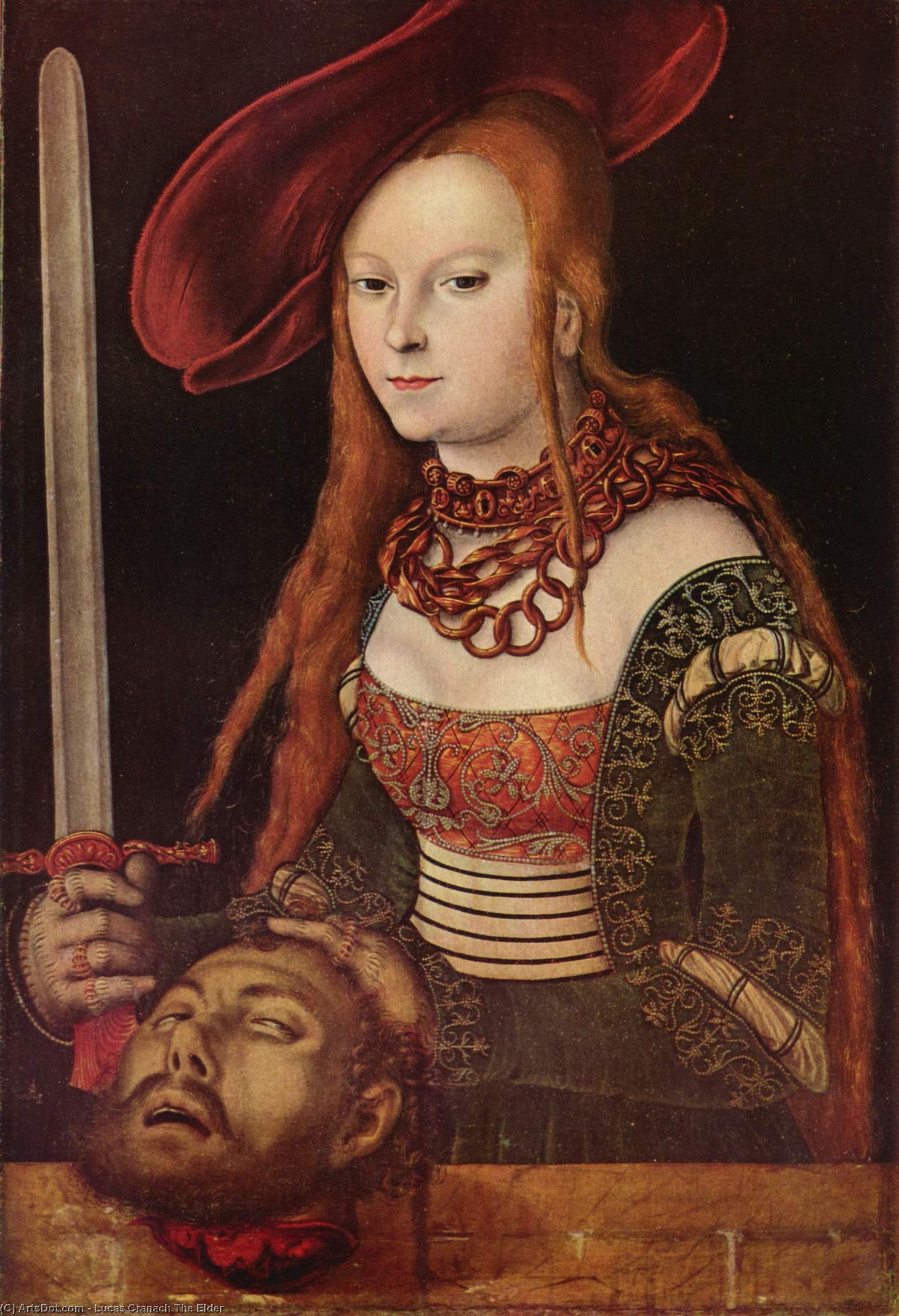
Judith
 Oil On Panel
- Northern Renaissance
 1515
1515- Renaissance
 86.0 x 59.0 cm
 გადასართად დაწვრილებით ნახეთ
გიკლე / ხელოვნების პრინტი
მუზეუმის დონის ჟიკლე ან ტილოზე ბეჭდვა სწრაფი წარმოებისა და დასრულების მოქნილი ვარიანტებით.




P118B $10

P118H $10

P118W $10

P438Z $10

P508JH $12

P508YH $12

P805H $10

P805Z $10

P919BZ $10

P919G $10

P919XJ $10

P959ZH $10

P968JZ $12

W106C $8

W218G $10

W218JH $8

W218Y $10

W307PJ $10

W316G $10

W316PJ $8

W316Y $10

W398PJ $8

W4111J $10

W500HY $15

W500JH $15

W692G $12

W849H $8

W940BG $15

W953PJ $8




აირჩიეთ ჩვენს მიერ წინასწარ განსაზღვრული ზომებიდან, რომლებიც ნაწარმოების ორიგინალურ პროპორციებს შეესაბამება.

თქვენ შეგიძლიათ მიუთითოთ საკუთარი ზომები კონკრეტული ჩარჩოსთვის ან სივრცისთვის მოსარგებლებლად. თუ თქვენ მიერ არჩეული ზომა არ შეესაბამება ორიგინალი გამოსახულების პროპორციებს, ჩვენ ან დავჭრით ნამუშევარს, ან გავაფართოვებთ გამოსახულებას სარკული ან ერთფეროვანი კიდეებით. წარმოების დაწყებამდე თქვენს დასამტკიცებლად გამოგეგზავნებათ ციფრული მაკეტი.
გთხოვთ, გაითვალისწინოთ, რომ ეკრანზე ნაჩვენები წინასწარი ნახვა არ ასახავს რეალურ ჭრას ან გაფართოებას. მხოლოდ მაკეტზე იქნება ზუსტად წარმოდგენილი საბოლოო კომპოზიცია.
მიუხედავად იმისა, რომ ინდივიდუალური ზომები ხელმისაწვდომია, ორიგინალური პროპორციების შესანარჩუნებლად გირჩევთ, აირჩიოთ ზომა წინასწარ განსაზღვრული სიისგან.
მიწოდება მთელ მსოფლიოში () 2 კვირაში, სტანდარტული 4/5 კვირის ნაცვლად. (20 ივლისი)

უფასო ექსპრეს მიწოდება მთელ მსოფლიოში

საბამად მაღალი ხარისხის ტილო

სრული ტრანსპორტირების დაზღვევა

საბაჟო გადასახადების დაბრუნების გარანტია

ფერების სრული შესაბამისობის გარანტია

60-დღიანი დაბრუნების პოლიტიკა (მხოლოდ დეფექტის შემთხვევაში)

100% თანხის დაბრუნების გარანტია

ფასდაკლება დიდი რაოდენობით შეკვეთისას
 მინის ჩარჩოს არჩევანი ხელმისაწვდომია მხოლოდ 110 სმ-ზე ნაკლები ზომისთვის

Judith
გიკლე / ხელოვნების პრინტი
რეკლამაციის ზომა
-


საბოლოო ფასი
-
საკლექციო აღწერა
Judith by Lucas Cranach the Elder: A Renaissance Masterpiece
The painting "Judith" by Lucas Cranach the Elder is a masterpiece of the Northern Renaissance style, created in 1515. This oil painting measures 86 x 59 cm and is a stunning representation of the biblical story of Judith and Holofernes.
Artistic Style and Technique
Lucas Cranach the Elder was a renowned German painter and printmaker, known for his contributions to the development of the Northern Renaissance style. His paintings often featured rich colors, detailed landscapes, and mythological subjects. In "Judith," he used a bold color palette, with the red hat standing out against the rest of the scene. The woman's armor is also intricately detailed, highlighting her role as a warrior.
- The painting is characterized by its use of symbolism, with the severed head representing victory and power.
- The artist’s attention to detail is evident in the intricate design of Judith’s armor and clothing.
- The painting's composition is balanced, with the central figure of Judith drawing the viewer's eye.
Symbolism and Historical Context
This artwork draws from the biblical story of Judith, a courageous Jewish widow who saved her people by seducing and then beheading the Assyrian general Holofernes. Cranach’s depiction reflects the Northern Renaissance fascination with biblical narratives and classical themes. The painting was created during the Reformation period in Germany, and it's believed that some scholars have suggested that such works may relate to the Schmalkaldic League – an alliance of Protestant princes formed to defend against the Holy Roman Emperor.
Emotional Impact and Legacy
“Judith” evokes a sense of strength, determination, and triumph. Judith’s direct gaze and regal posture convey her power and resolve. The somber background enhances the dramatic impact of the scene, drawing attention to the central figure. Cranach's masterful use of light and shadow creates depth and realism, making this painting a captivating work of art that continues to inspire and fascinate audiences today.
Notable Works by Lucas Cranach the Elder
Explore more of Cranach's artistry through these notable works:
The Kunsthistorisches Museum in Vienna, Austria, also houses several of his works.
მხატვრის ბიოგრაფია
A Renaissance Master of Saxony: The Life and Art of Lucas Cranach the Elder
Lucas Cranach the Elder, born in Kronach, Germany around 1472, stands as a pivotal figure of the German Renaissance. His life unfolded during a period of immense religious and political upheaval, and his art became inextricably linked to both the burgeoning Protestant Reformation and the opulent courts he served. Initially trained by his father, Hans Maler, Cranach’s early artistic development remains somewhat shrouded in mystery, though influences from South German masters are evident in his evolving style. He quickly distinguished himself not merely as a skilled craftsman but as an artist capable of capturing psychological depth alongside technical precision – qualities that would soon draw the attention of powerful patrons. In 1504, he entered the service of Frederick III, Elector of Saxony, a relationship that would define much of his career and provide him with both stability and access to influential circles. This appointment as court painter in Wittenberg wasn’t simply about producing decorative works; it placed Cranach at the very heart of one of the most transformative movements in European history.Early Life and Artistic Training
Lucas Cranach's formative years were spent in Kronach, where he received a grounding in traditional artistic techniques under his father’s tutelage. Hans Maler was a respected artist known for his meticulous realism and masterful handling of color—influences that would undoubtedly shape Lucas’s own artistic sensibilities. While biographical details about Cranach’s early life remain scarce, scholars believe he absorbed knowledge from other prominent artists of the region, establishing himself as a student of the South German Renaissance tradition. This exposure to diverse stylistic approaches fostered his creativity and prepared him for the challenges of navigating the complex artistic landscape of his time. The workshop environment instilled in him discipline and collaborative spirit—skills that would prove invaluable throughout his prolific career.Service to Frederick III and Wittenberg
Cranach’s ascension to court painter in Wittenberg marked a pivotal moment in his life and artistic trajectory. Frederick III, Elector of Saxony, recognized Cranach's exceptional talent and entrusted him with the task of documenting the grandeur of Saxon royal life—a commission that demanded both technical virtuosity and imaginative vision. Wittenberg was at the epicenter of the Protestant Reformation, and Cranach’s role as court painter placed him squarely within this turbulent intellectual climate. He skillfully utilized his artistic skills to convey the values and beliefs of the reformed faith, producing monumental paintings and woodcuts that disseminated Protestant ideas throughout Saxony. This engagement with religious discourse profoundly impacted his artistic output—driving him to explore new expressive possibilities and challenge conventional iconography.The Reformation Art: Symbolism and Narrative
Lucas Cranach’s contribution to Reformation art transcends mere visual representation; it embodies a deliberate effort to communicate theological concepts through compelling narratives and symbolic imagery. His depictions of biblical scenes departed from the stylized conventions of Catholic art, prioritizing direct engagement with scripture and fostering a more personal connection between the viewer and faith. Consider *The Annunciation to Joachim*, for example—a radiant portrayal of divine grace infused with vibrant colors and meticulous detail. The composition captures the moment of revelation with breathtaking immediacy, reflecting the renewed emphasis on spiritual contemplation within the Protestant tradition. Cranach’s artistic innovations extended beyond religious subjects; he skillfully employed mythological motifs—such as Venus and Adonis—to convey allegorical meanings relevant to contemporary political debates and social concerns. This multifaceted approach underscored his understanding of art's capacity to shape cultural discourse and influence public opinion.Style, Technique, and Legacy
Lucas Cranach’s artistic style is characterized by its elegance, precision, and psychological insight—qualities that distinguish him from many of his contemporaries. He mastered the techniques of oil painting, woodcut, and engraving, achieving remarkable versatility in his artistic practice. His meticulous attention to detail—evident in portraits like *Judith with Holofernes*, where Cranach captures the solemn dignity and inner turmoil of Judith—demonstrates his mastery of Northern Renaissance realism. The elongated proportions of his figures convey nobility and grace, while subtle shading effects create a sense of depth and atmosphere—drawing the viewer into the depicted scenes. Cranach’s workshop produced an astonishing volume of artworks—spanning portraits, mythological paintings, biblical prints, and decorative panels—establishing him as one of the most prolific artists of his era. His influence extended far beyond Wittenberg and Saxony, inspiring subsequent generations of painters and shaping the artistic landscape of Europe. Lucas Cranach the Elder remains a towering figure of the German Renaissance—a testament to the transformative power of art and its enduring capacity to capture the spirit of an age.
ლუკัส კრანახ ძველი
1472 - 1553 , გერმანია
მოკლე ინფორმაცია
- Artistic Movement Or Style: რენესანსი
- Artists Or Movements Influenced By This Artist: ['მელხოლმ და ბიბლიური სცენა ნორthern რენესანსის სტილში შესრულებული მხატვრობა შვეს კათალიკოს მუზეუმში დაფენილია და წარმოადგენს რენესანსის დროისთვის მნიშვნელოვან ძეგლს']
- Artists Who Influenced This Artist: ['მელხოლმ და ბიბლიური სცენა ნორthern რენესანსის სტილში შესრულებული მხატვრობა შვეს კათალიკოს მუზეუმში დაფენილია და წარმოადგენს რენესანსის დროისთვის მნიშვნელოვან ძეგლს']
- Date Of Birth: 1472 წელი
- Date Of Death: 1553 წელი
- Full Name: Лукас Кранах ძე მელხოლმ და ბიბლიური სცენა ნორthern რენესანსის სტილში შესრულებული მხატვრობა შვეს კათალიკოს მუზეუმში დაფენილია და წარმოადგენს რენესანსის დროისთვის მნიშვნელოვან ძეგლს.
- Nationality: გერმანიელი
- Notable Artworks:
- სხედა ჰოლოფერნის თავით
- ალტე პინაკოთეკის სცენა ნორthern რენესანსის სტილში შესრულებული მხატვრობა შვეს კათალიკოს მუზეუმში დაფენილია და წარმოადგენს რენესანსის დროისთვის მნიშვნელოვან ძეგლს
- Place Of Birth: კრონახი, გერმანია
დაკავშირებული სტატიები
The Northern Awakening: Artistic Innovation & Cultural Transformation in the German Renaissance
Explore the artistic innovation of the German Renaissance! Discover Dürer, the Danube School & Reformation art. Learn about techniques, materials & lasting influence. Find museum-quality reproductions at OriginalUniqueArt.
ჩრდილოეთ რენესანსის 10 შედევრი, რომელმაც განსაზღვრა ხელოვნება | OriginalUniqueArt
აღმოფრთოვანდით ჩრდილოეთ რენესანსის 10 უმშვენიერეს შედევრთან! იხილეთ დიურერი, ვერმერი და სხვა მოწინავე მხატვრების საუკეთესო ნაწარმოებები. შეიძინეთ მაღალი ხარისბის რეპროდუქციები OriginalUniqueArt-ზე და შეცვალეთ თქვენი სახლი ხელოვნების გალერეად!
ადრეული რენესანსის 10 შედევრი, რომელმაც განსაზღვრა ხელოვნების განვითარება
აღმოფრთოვანდით ადრეული რენესანსის 10 უმშვენიერეს შედევრს! გავიგეთ დავიდის, ბოტეტიელის, მანტეინის და სხვა დიდებულების ისტორია. იხილეთ ფერწერა, არქიტექტურა და ხელოვნების განვითარება OriginalUniqueArt-ზე. შეიძინეთ მაღალი ხარისბის რეპლიკები და შეცვალეთ თქვენი სახლი!
Վերածնության գլուխգործոցներ՝ արվեստի 10 լեգենդար ստեղծագործություններ
Բացահայտեք Վերածնության դարաշրջանի 10 լեգենդար գլուխգործոցները՝ Լևոնարդոյի, Մայքելանջելի և Ռաֆայելի ստեղծագործություններով: Արվեստի պատմության ամենակարևոր պահերը OriginalUniqueArt.com-ում։ Գտնեք ձեզ համար կատարյալ դեկորը։
Renaissance Masters: 10 Artworks That Defined a Golden Age | OriginalUniqueArt
Journey through the High Renaissance with 10 iconic masterpieces by Leonardo da Vinci, Michelangelo & Raphael. Explore art history, techniques & timeless beauty. Find museum-quality reproductions for your home at OriginalUniqueArt.com.