
 წინასწარი ნახვა
 გაგზავნა
 გაზიარება
 დეტალები
 გზამკვლევი

 ჩამოტვირთვა
 მსგავსები
 რენტგენოგრაფიული კვლევა
 სლაიდშოუ
 კითხვა-პასუხი
 სტატისტიკა
Guardian Angel

- 148.0 x 202.0 cm


 გააგრძელეთ კითხვა
გიკლე / ხელოვნების პრინტი
მუზეუმის დონის ჟიკლე ან ტილოზე ბეჭდვა სწრაფი წარმოებისა და დასრულების მოქნილი ვარიანტებით. ( შეიძინეთ ხელით შესრულებული ნახატი გადართვა ციფრულ გამოსახულებაზე)




P118B ₾10

P118H ₾10

P118W ₾10

P438Z ₾10

P508JH ₾12

P508YH ₾12

P805H ₾10

P805Z ₾10

P919BZ ₾10

P919G ₾10

P919XJ ₾10

P959ZH ₾10

P968JZ ₾12

W106C ₾8

W218G ₾10

W218JH ₾8

W218Y ₾10

W307PJ ₾10

W316G ₾10

W316PJ ₾8

W316Y ₾10

W398PJ ₾8

W4111J ₾10

W500HY ₾15

W500JH ₾15

W692G ₾12

W849H ₾8

W940BG ₾15

W953PJ ₾8




აირჩიეთ ჩვენს მიერ წინასწარ განსაზღვრული ზომებიდან, რომლებიც ნაწარმოების ორიგინალურ პროპორციებს შეესაბამება.

შეიყვანეთ თქვენთვის საჭირო სიგანე და სიმაღლე, რათა გამოსახულებამ თქვენს ჩარჩოს ან კედელს ზუსტად მოერგოს. ბეჭდვისას შესაძლებელია მხოლოდ მისი შემცირება და არა გაზრდა, ამიტომ სხვა ფორმის ზომის შემთხვევაში სურათი ნაწილობრივ იკარგება. სანამ რაიმეს დაბეჭდავთ, ჩვენ გამოგიგზავნით ციფრულ მაკეტს დასდასტურებლად. ამ გვერდზე ნაჩვენები სურათი არ ასახავს რეალურ ჭრას — ამას მხოლოდ მაკეტი გვიჩვენებს.
მიწოდება მთელ მსოფლიოში () 2 კვირაში, სტანდარტული 4/5 კვირის ნაცვლად. (9 ნოემბერი)

უფასო ექსპრეს მიწოდება მთელ მსოფლიოში

მაღალი ხარისხის ტილოს ქსოვილი

ტრანსპორტირების სრული დაზღვევა

საბაჟო გადასახადების დაბრუნების გარანტია

ფერების სრული შესაბამისობის გარანტია

დაბრუნების 100-დღიანი პოლიტიკა (მხოლოდ დეფექტის შემთხვევაში)

100% თანხის სრული დაბრუნების გარანტია

ფასდაკლება დიდი რაოდენობით შეკვეთისას
 მინის ჩარჩოს არჩევანი შესაძლებელია მხოლოდ 110 სმ-მდე ზომისთვის

Guardian Angel
გიკლე / ხელოვნების პრინტი
რეპროდუქციის ზომა
-


საბოლოო ღირებულება
₾ 211
The Celestial Embrace: An Encounter with Divine Protection
To gaze upon this depiction of the Guardian Angel is to be enveloped in a profound sense of serenity mixed with vigilant watchfulness. The central tableau, featuring the angel cradling a child against a dramatic sky and rocky expanse, speaks immediately to universal themes of innocence protected by divine grace. It is a moment suspended between earthly vulnerability and heavenly assurance. The composition draws the eye upward, suggesting an ascent toward purity, while the grounding elements—the rugged rocks and the presence of other figures observing from the periphery—anchor the narrative in a tangible, if sacred, reality.
A Masterful Echo of Baroque Grandeur
The hand that painted this work channels the vibrant energy characteristic of Luca Giordano. While the specific date remains unknown, the style resonates deeply with the exuberance and dramatic flair of the late Baroque period. Giordano, known as “Luca fa presto,” was a master of movement and luminosity. One can almost feel the quick, confident brushstrokes that lend life to the billowing drapery and the dynamic interplay between light and shadow across the rocky foreground. The artist’s ability to imbue figures with such palpable emotion—the tenderness in the angel's gaze, the quiet dignity of the onlookers—is breathtaking, making this piece feel both monumental in scale and intimately personal.
Symbolism Woven into the Canvas
Every element within this painting seems imbued with symbolic weight. The Guardian Angel itself is the embodiment of divine care, a timeless archetype assuring the viewer that no soul walks unprotected. The child represents pure potential and vulnerability, while the surrounding figures—the observers in the lower right corner, the solitary figure aloft—suggest community witnessing or perhaps different stages of life under the same benevolent watch. Even the inclusion of the birds adds a layer of natural symbolism; they often serve as messengers between realms, further enriching the narrative depth beyond mere portraiture.
Bringing Sacred Drama into Your Sanctuary
For the collector or designer seeking an artwork that commands attention while whispering tales of faith and protection, this piece is unparalleled. Its grand scale (148 x 202 cm) ensures it functions as a breathtaking focal point in any receiving hall, chapel, or grand living space. Reproducing such a work allows one to bring the dramatic sweep of Giordano’s genius into modern life. Imagine the soft glow of this celestial scene illuminating a room—it does not merely decorate; it elevates the spirit, inviting contemplation and offering a visual balm against the noise of the everyday world.
კითხვები და პასუხები
რა არის Лука Джованни-ის „Guardian Angel“-ის დომინანტური ფერი?
Лука Джованни-ის „Guardian Angel“-ის დომინანტური ფერი არის Phthalo Green (#24160d).
არსებობს თუ არა სტუდენტებისთვის განკუთვნილი ინფორმაციული ფურცელი Лука Джованни-ის „Guardian Angel“-ის შესახებ?
Лука Джованни-ის „Guardian Angel“-ისთვის ხელმისაწვდომია გზამკვლევი გვერდი: ამ ხელოვნების ნიმუშის შესახებ დასაბეჭდი ფაქტების ფურცელი, რომელიც შექმნილია სტუდენტებისა და სასწავლო პროცესისთვის.
რა განწყობა და ემოცია იგრძნობა ნამუშევარში "Guardian Angel"?
Лука Джованни-ის „Guardian Angel“ გადმოგვცემს Hopeful შეგრძნებას, საერთო Ethereal განწყობის ფარგლებში.
მხატვრის ბიოგრაფია
Luca Giordano (1634-1705): Exploring the Vibrant Baroque Masterpiece
Luca Giordano, born in Naples in 1634, stands as one of the most celebrated artists of the Neapolitan Baroque—a figure whose prolific output irrevocably shaped the artistic landscape of Italy and Spain. He wasn’t merely a painter; he was an embodiment of dynamism and brilliance, a whirlwind of creativity whose distinctive style captivated contemporaries and continues to inspire awe today. His father, Antonio Giordano, instilled in him early artistic sensibilities, but it was under the tutelage of Jusepe de Ribera that Luca truly honed his craft—a formative experience evident in the dramatic intensity and meticulous realism characteristic of his initial works. Unlike Ribera’s often subdued palette, Giordano possessed an innate inclination for luminosity and movement—qualities that would become central to his artistic signature. Even then, he earned the moniker “Luca fa presto”—Luca the quick one—a testament to his remarkable speed and seemingly boundless energy.From Naples to Spain: A Journey Through Artistic Influences
Giordano’s artistic trajectory wasn't confined to Naples; it unfolded across Italy and beyond, propelled by commissions and fueled by an insatiable curiosity for new styles and techniques. Following his formative apprenticeship with Ribera, he established himself as a rising star in Rome, absorbing the grandeur of papal patronage and experimenting with innovative compositional strategies. His studies at the Accademia di San Luca allowed him to immerse himself in the artistic currents of the era—particularly those championed by Pietro da Cortona, whose frescoes in Palazzo Barberini served as an inspiration for Giordano’s own ambitious projects. Venice proved equally transformative; he absorbed the influence of Titian and Veronese, embracing their masterful use of color and mastering the art of illusionistic space—a stylistic choice that would define his mature oeuvre. This Venetian experience instilled in him a profound appreciation for theatrical grandeur and visual spectacle. However, Giordano’s artistic ambitions extended far beyond Italy's borders. In 1682, he accepted the prestigious invitation to serve as court painter to Charles II of Spain—a move that cemented his international reputation and ushered in a decade of unparalleled creative productivity. During this period, he revitalized Spanish interiors with lavish frescoes, injecting a much-needed dose of Italian exuberance into the more restrained artistic traditions of Castile and Aragon. The Biblioteca Riccardiana in Florence became another canvas for Giordano’s genius—a testament to his ability to synthesize disparate influences into a harmonious whole. His monumental fresco cycles transformed architectural spaces into immersive visual experiences that transported viewers to realms of myth and allegory.A Synthesis of Styles: Giordano's Distinctive Artistic Approach
Giordano’s artistic brilliance lay not in inventing entirely new methods but in skillfully merging existing techniques—primarily those honed during his early training with Ribera—into a remarkably fluid and decorative style. He achieved this synthesis through masterful brushwork, characterized by spontaneity and freedom—a hallmark of his mature oeuvre. Unlike Ribera's austere aesthetic, Giordano embraced ornamentation, filling his canvases with intricate details and swirling draperies—a stylistic choice that reflected the prevailing tastes of his time. This approach enabled him to tackle a diverse range of subjects – from religious narratives to mythological tales to portraits – with equal conviction and artistry. Considered one of the most important artists of the Neapolitan Baroque, Giordano’s legacy extends far beyond his own lifetime. He trained numerous pupils—including Paolo de Matteis—who went on to become accomplished painters in their own right, disseminating Giordano's stylistic innovations throughout Italy and Spain. His work served as a bridge between the High Baroque and the Rococo periods, paving the way for the lighter, more playful aesthetic that would characterize 18th-century art. The Palace of Capodimonte in Naples houses an impressive collection of his paintings—a comprehensive panorama of his artistic evolution—offering visitors a glimpse into the creative spirit of a true visionary. Luca Giordano’s enduring influence continues to resonate today, securing his place as one of Italy's greatest artistic treasures.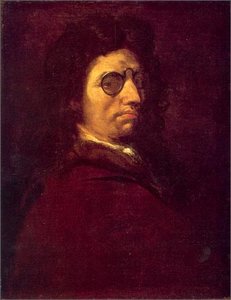
Лука Джованни
1634 - 1705 , იტალია
მოკლე ინფორმაცია
- Artistic Movement Or Style: Ბაროკოს სტილი
- Artists Or Movements Influenced By This Artist: ['პაოლო დ მატეისი და ნეპლის მხატვრები']
- Artists Who Influenced This Artist:
- იუსეს პ დ რิบერა
- ტიტანი და ვერონესე
- Date Of Birth: 1634 წლის ოქტომბერი 18
- Date Of Death: 1705 წლის იანვარი 3
- Full Name: Luca Giordano
- Nationality: იტალიელი
- Notable Artworks:
- პარიზის სასამართლის გადაწყვეტილება
- ქრისტე და médecins მილანში
- Place Of Birth: მილანი და იტალია
დაკავშირებული სტატიები

Giclée Prints: Archival Quality & Aesthetic Nuances for the Discerning Collector
Explore the world of giclée prints with OriginalUniqueArt. Learn about archival quality, aesthetic nuances & investment potential. Expert guidance for discerning art collectors seeking museum-quality reproductions and lasting value.

Celestial Messengers: Angels in Painting – A Historical & Artistic Exploration
Explore the captivating history of angels in painting! Discover symbolism, iconic Renaissance & Byzantine masterpieces, and renowned artists. Expert insights for art lovers & collectors at OriginalUniqueArt.

The Dramatic Flourish: Exploring the Baroque Movement's Enduring Legacy in Art History
Explore the dramatic world of Baroque art! Discover iconic artists like Caravaggio & Rubens, defining techniques, and its lasting impact on art history. Expert insights for collectors & enthusiasts at OriginalUniqueArt.

Celestial Messengers: A Comprehensive Exploration of Angelic Representation in Art History
Explore the captivating history of angels in art! Discover symbolism, iconic Renaissance masterpieces & renowned artists. Expert insights for art lovers & collectors at OriginalUniqueArt.
Luca Giordano: Neapolitan Baroque Master & His European Influence
Explore the life & works of Luca Giordano, the celebrated Neapolitan Baroque master. Discover his prolific fresco cycles, Roman commissions, and lasting influence on European art history. Learn more at OriginalUniqueArt.