

 ნახვა ინტერьерში
 გაგზავნა
 გაზიარება
 დეტალები
 გზამკვლევი

 ჩამოტვირთვა
 მსგავსები
 რენტგენოგრაფიული კვლევა
 სლაიდშოუ
 სტატისტიკა
ნაღმონის სახლი
 ზეთი ტილოზე
- კედლის დეკორი
- Expressionism
 1893
1893- მე-19 საუკუნე
 78.0 x 89.0 cm
 სრული ტექსტის ნახვა
გიკლე / ხელოვნების პრინტი
მუზეუმის დონის ჟიკლე ან ტილოზე ბეჭდვა სწრაფი წარმოებისა და დასრულების მოქნილი ვარიანტებით. ( შეიძინეთ ხელით შესრულებული ნახატი გადასვლა ციფრულ გამოსახულებაზე)




P118B ₾10

P118H ₾10

P118W ₾10

P438Z ₾10

P508JH ₾12

P508YH ₾12

P805H ₾10

P805Z ₾10

P919BZ ₾10

P919G ₾10

P919XJ ₾10

P959ZH ₾10

P968JZ ₾12

W106C ₾8

W218G ₾10

W218JH ₾8

W218Y ₾10

W307PJ ₾10

W316G ₾10

W316PJ ₾8

W316Y ₾10

W398PJ ₾8

W4111J ₾10

W500HY ₾15

W500JH ₾15

W692G ₾12

W849H ₾8

W940BG ₾15

W953PJ ₾8




აირჩიეთ ჩვენს მიერ წინასწარ განსაზღვრული ზომებიდან, რომლებიც ნაწარმოების ორიგინალურ პროპორციებს შეესაბამება.

შეიყვანეთ თქვენთვის საჭირო სიგანე და სიმაღლე, რათა იგი მოერგოს თქვენს ჩარჩოს ან კედელს. ბეჭდვისას შესაძლებელია მხოლოდ მისი შემცირება და არა გაზრდა, ამიტომ სხვა ფორმის ზომის შემთხვევაში გამოსახულება ნაწილობრივ იკარგება. სანამ რაიმეს დაბეჭდავთ, ჩვენ გამოგიგზავნით ციფრულ მაკეტს დასდასტურებლად. ამ გვერდზე ნაჩვენები სურათი არ ასახავს რეალურ ჭრას — ამას მხოლოდ მაკეტი გვიჩვენებს.
მიწოდება მთელ მსოფლიოში () 2 კვირაში, სტანდარტული 4/5 კვირის ნაცვლად. (23 ოქტომბერი)

უფასო ექსპრეს მიწოდება მთელ მსოფლიოში

მაღალი ხარისხის ტილო

ტრანსპორტირების სრული დაზღვევა

საბაჟო გადასახადების დაბრუნების გარანტია

ფერების სრული შესაბამისობის გარანტია

დაბრუნების 100-დღიანი პერიოდი (მხოლოდ წარმოების დეფექტის შემთხვევაში)

100% თანხის სრული დაბრუნების გარანტია

ფასდაკლება დიდი რაოდენობით შეკვეთისას
 მინის ჩარჩოს არჩევანი ხელმისაწვდომია მხოლოდ 110 სმ-მდე ზომისთვის

ნაღმონის სახლი
გიკლე / ხელოვნების პრინტი
რეპროდუქციის ზომა
-


ჯამური ღირებულება
₾ 209
ლუვის კორინთის "რბეული სახლი": სამუშაოსა და ინდუსტრიის დინამიური გამოსახულება
ლუვის კორინთის "რბეული სახლი" (1893) არის ძლიერი და შთამთევზებელი ტილო, რომელიც გვიყვანს ხორციერობის დამუშავების მძიმე სამუშაოებსა და ინტენსიურ პროცესებში. ეს ნაწარმოები, რომელშიც გამოსახულია ხორცსაკეთებლად გადაწყვეტილი სცენა, მკითხველს მოქმედებაში ჩართავს დინამიური კომპოზიციის მეშვეობით. ცენტრალურ ადგილზე დიდი კერძის ასომა-გადაწევა რამდენიმე ადამიანმა, რაც სიმბოლოა ამ საქმის შრომატევადი ბუნებისა. კორინთის ხელწერა, რომელიც აერთებს იმპრესიონისტულ და ექსპრესიონისტულ მიდგომებს, განსაკუთრებით იგრძნობა მისი ფუნიკულირებისა და გამოხატვითი ხაზების გამოყენებაში, რაც ტილოში სიღრმესა და ტაქტილურ გრძნობას მატებს.
სტილი, ტექნიკა და ისტორიული კონტექსტი
კორინთის სტილი მოიცავს იმპრესიონისტულ და ექსპრესიონისტულ ელემენტებს. მისი ტილოები ხასიათდება მკვრივი, გამოხატვითი ფუნიკირებით, რაც ზედაპირს ტექსტურას მატებს. "რბეული სახლის" შემთხვევაშიც იგივე ვფიქრობთ - გამოყენებულია იმპასტო ტექნიკა, რომელიც ტილოს სიტექტურულობას და სიღრმეს აძლევს. ფერადი პალიტრა დომინირებს თბილი, მიწისფერი ტონებით – βαθύ κόκκινο, ყავისფერი და ოქროსფერი, რაც ხორცისა და სისხლის ბუნებრივ ფერს ასახავს. დამალული 녹색 და నీలం ფერები ფონის მხარეს სიღრმესა და კონტრასტს ქმნიან, რაც მთლიან კომპოზიციას ამშვენებს. "რბეული სახლი" აღფლეკილია იმ პერიოდის ინდუსტრიულ და შრომობრივ თემებზე, რომლებიც კორინთის დროს აქტუალური იყო. დაბალი განათება და ნიავში ჩასული ფიგურები აჩქარებენ მისტერიისა და უსიამოვნების გრძნობას, რაც სამუშაოს დამწუხრებელ ბუნებას ხაზს ასმევს. სისხლისა და ხორცის არსებობა შესაძლოა სიმბოლო იყოს სიცოცხლის, სიკვდილისა და არსებობის ციკლის, რაც ნაწარმოებს მრავალშვილიან მნიშვნელობას მატებს.
ემოციური გავლენა და სიმბოლიზმი
ეს ტილო მხოლოდ ხორცსაკეთებლად გადაწყვეტილი სცენის აღწერა არ არის; ესაა ადამიანურ შრომასთან და ინდუსტრიასთან მიძღვნილი 찬양. სცენაში გამოსახული მოძრაობა ენერგიასა და ძალისხმევას გადმოსცემს, ხოლო გამოხატვითი ფუნიკირება და დრამატიული განათება ემოციურ ზემოქმედებას ქმნის, რომელიც მკითხველს აღელვებს. კორინთის იმპრესიონისტულ-ექსპრესიონისტულ სტილის უნიკალური ნაზავმა თანამედროვე ხელოვნობაზე დიდი გავლენა მოახდინა, რაც ამ ტილო를 ხელოვნების კოლექციაში მნიშვნელოვანი დამატებაც yapıyor. ეს ნაწარმოები, თავისი სიმბოლური შინაარსით, შესაძლოა წარმოადგენდეს სიკვდილ-სიცოცხლის თემებს, ადამიანის არსებობის ბნელს მხეცურებას.
ხელოვნების მოყვარულთათვის და ინტერიერის დიზაინერებისთვის
„რბეული სახლი“ ხელოვნების მოყვარულებსა და კოლექციონერებს საშუალებას აძლევს, იფიქრონ შრომის, ინდუსტრიისა და ადამიანური არსებობის თემებზე. მისი დინამიური კომპოზიცია და გამოხატვითი სტილი მას ნებისმიერი ინტერიერის განათლებისთვის შესაფერლად აქცევს. შესაძლებელია, რომ ეს ტილო იყოს თქვენი სახლის ან ოფისის კედელზე გამორჩეული დეკორატიული ელემენტი, რომელიც სტუმრებს შთამთევზს და საინტერესო საუბრებს იწვევს.
კითხვები და პასუხები
ლოველ კორინთი-ის შემოქმედების რომელ პერიოდს მიეკუთვნება „ნაღმონის სახლი“ (1893)?
"ნაღმონის სახლი", რომელიც 1893-ში შეიქმნა, ლოველ კორინთი-ის შემოქმედებითი კარიერის Mature Period პერიოდს განეკუთვნება."
სად შემიძლია "ნაღმონის სახლი"-ის წინასწარი ნახვა?
ლოველ კორინთი-ის „ნაღმონის სახლი“-ის წინასწარი ნახვა ხელოვნების ნიმუშის წინასწარი ნახვა გვერდზე ხელმისაწვდომია.
რამდენად მკვეთრი კონტრასტია ლოველ კორინთი-ის „ნაღმონის სახლი“-ში?
ნათელი და ბნელი ფერების კონტრასტი ნამუშევრისთვის „ნაღმონის სახლი“ შეფასებულია როგორც რბილი. კონტრასტი აღწერს, თუ რამდენად მკვეთრად განსხვავდება ნათელი და ბნელი არეები ერთმანეთისგან.
მხატვრის ბიოგრაფია
A Life Forged in Paint: The World of Lovis Corinth
Lovis Corinth, born Franz Heinrich Louis on July 21, 1858, in the Prussian province of East Prussia, was a figure who embodied the tumultuous transition from the 19th to the early 20th-century art world. His journey wasn’t one of immediate acclaim but rather a gradual evolution fueled by relentless study, diverse influences, and ultimately, personal tragedy. Corinth's beginnings were rooted in the rural landscapes of his birthplace, Tapiau, where his father worked as a tanner. This early exposure to the physicality of labor and the raw beauty of nature would subtly permeate his later work, even amidst more sophisticated stylistic explorations. He initially pursued studies at the Academy of Königsberg in 1876, but quickly realized that academic tradition alone wouldn’t satisfy his artistic ambitions. A period of travel followed, taking him to Munich, Antwerp, and finally Paris – each city serving as a crucial stepping stone in his development. In Munich, he absorbed the meticulous realism championed by Ludwig von Löfftz, honing his observational skills and mastering technique. Antwerp introduced him to the dramatic Baroque intensity of Rubens, while Paris exposed him to the burgeoning Impressionist movement, though his initial response was one of cautious observation rather than immediate embrace. He wasn’t interested in idealized beauty or sentimental narratives; instead, Corinth sought to capture the essence of human experience—the joys and sorrows, triumphs and defeats—with unflinching honesty. This commitment to portraying life as it truly is—warts and all—would become a hallmark of his artistic vision throughout his career. His early paintings often depicted scenes from rural life with remarkable detail and sensitivity, reflecting the influence of Barbizon painters like Jean-François Millet. However, Corinth quickly moved beyond mere imitation, developing a distinctive style that blended Impressionistic vibrancy with a distinctly German sensibility. He recognized the power of color to convey emotion and psychological depth—a principle he would champion throughout his artistic life.From Naturalism to a Synthesis of Styles
Corinth’s artistic development wasn't marked by swift revolutions but by a gradual assimilation and synthesis of diverse influences. His early work leaned heavily towards naturalism, reflecting the prevailing academic standards of the time. Paintings like “In the Slaughterhouse” (1878), with its unflinching depiction of animal carcasses, demonstrate this commitment to realistic representation, yet even here, a nascent emotional intensity begins to surface. The subject matter itself—gruesome and visceral—hints at a willingness to confront uncomfortable truths, a characteristic that would become increasingly prominent in his later work. He studied the works of Gustave Courbet and Jean-Auguste Dominique Ingres alongside Rubens and Rembrandt, absorbing their techniques and stylistic approaches. This intellectual curiosity fueled his artistic experimentation and ensured that he remained attuned to the evolving currents of art history. Corinth’s exploration of Impressionism—particularly Monet and Renoir—was initially hesitant; he wasn't convinced by the fleeting effects of light and color alone. However, he soon realized that these elements could be harnessed to express profound emotional states—a breakthrough that fundamentally altered his artistic trajectory.A Master of Portraiture and Landscape
Corinth’s oeuvre is characterized by two dominant genres: portraiture and landscape painting. He possessed an extraordinary ability to capture the inner life of his subjects, conveying their personality and emotions with remarkable subtlety and nuance. His portraits weren't merely reproductions of physical likeness; they were attempts to penetrate the psychological depths of his sitters—to reveal their innermost thoughts and feelings through expressive gestures, nuanced facial expressions, and carefully considered compositions. He approached each portrait with meticulous attention to detail, striving for an uncanny sense of realism that went beyond mere visual accuracy. Similarly, Corinth’s landscapes weren't simply depictions of scenic vistas; they were emotional responses to nature—manifestations of his own spiritual sensibility. He found inspiration in the Bavarian Alps, particularly the Walchensee region, where he created a series of paintings that captured the dramatic beauty and untamed energy of the landscape. These canvases pulsate with color and movement, conveying a sense of immediacy and visceral experience—a testament to Corinth’s unwavering devotion to his craft.Tragedy, Resilience, and Lasting Legacy
A pivotal moment in Corinth’s life – and arguably in his artistic development – was a stroke he suffered in December 1911. The paralysis it caused on his left side threatened to end his career altogether. However, with unwavering determination and the support of his wife, Charlotte Berend-Corinth, he relearned to paint, adapting to his physical limitations and developing an even more expressive style. This period marked a turning point in his work, as his paintings became increasingly bold, gestural, and emotionally charged. The experience of confronting mortality and physical vulnerability infused his art with a new sense of urgency and authenticity. He embraced a looser brushstroke and intensified color palette, anticipating many of the stylistic innovations that would define Expressionism—a movement he championed alongside fellow artists Ernst Ludwig Kirchner and Erich Heckel. Corinth’s influence extended beyond his own painting; he was also a respected teacher and writer on art, publishing essays such as “On Learning to Paint” in 1908, offering insights into his artistic philosophy and technical approach. He served as president of the Berlin Secession from 1915 until his death in 1925, fostering a vibrant creative community and advocating for progressive artistic ideals. Lovis Corinth’s legacy lies not only in his remarkable body of work but also in his unwavering commitment to artistic integrity and his ability to transform personal tragedy into profound artistic expression—a testament to the enduring power of art to illuminate the human condition.
ლოველ კორინთი
1858 - 1925 , ნიდერლანდები
მოკლე ფაქტები
- Artistic Movement Or Style: იმპრეს আয়নის და არჩევ ს იზ მ ის მ ს კ მ ო ვ ტ მ ა ნ ტ ბ მ ა ს კ მ ო ვ ტ მ ა ს კ
- Artists Or Movements Influenced By This Artist: ['არჩევ ს იზ მ ს კ მ ო ვ ტ მ ა ს კ']
- Artists Who Influenced This Artist:
- კ ო რ ბ ე თ
- რ უ ბ ე ნ ს ს
- Date Of Birth: ივლისი 21, 1858
- Date Of Death: ივლისი 17, 1925
- Full Name: Franz Heinrich Louis Corinth
- Nationality: გერმანია
- Notable Artworks:
- ინ თ ს ლ ო დ ჟ ო ს ს კ ო ს კ ო ს კ ო ს კ
- ს ე ლ ფ თ ო რ ო პ ტი დ ს კ ო ს კ ო ს კ ო ს კ ო ს კ
- ფ ე მ ა ლ ე ს ს ე მ ი ნ ო დ ე ს მ ო ვ ტ ო ს კ ო ს კ ო ს კ ო ს კ ო ს კ
- Place Of Birth: ტაუვადა, ნიდერლანდები
მსგავსი სტატიები
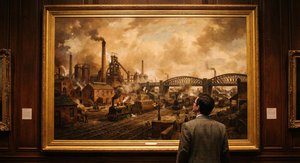
Industrial Revolution on Canvas: 10 Artworks That Define a Modern Aesthetic
Explore 10 iconic artworks capturing the Industrial Revolution’s grit & beauty. From Monet to Manet, discover realism, impressionism & powerful scenes of urban life. Find museum-quality reproductions for your home at OriginalUniqueArt.com.

Bold Strokes & Powerful Visions: 10 Artworks That Command Attention | OriginalUniqueArt
Experience art's raw power! Explore 10 iconic paintings – Van Gogh, Kahlo & more – that define 'bold'. Discover the stories behind these expressive masterpieces and find museum-quality reproductions for your home at OriginalUniqueArt.com.

Lovis Corinth: Bridging Impressionism & Expressionism – A Study of Artistic Evolution
Explore the fascinating artistic journey of Lovis Corinth, a pivotal figure bridging Impressionism & Expressionism. Discover his evolution, key works, and lasting impact on modern art with OriginalUniqueArt.

German Expressionism's 10 Defining Masterpieces | Art for Your Home
Explore 10 defining German Expressionism masterpieces – from Munch's 'The Scream' to Kandinsky’s abstracts. Discover the artists, stories & bold colors behind this powerful art movement. Find museum-quality reproductions at OriginalUniqueArt.com.
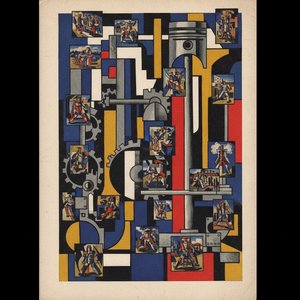
ფერნანდ λεჟეს 25 საუკეთესო შედევრი: ხელოვნების ისტორია თქვენს სახლში | OriginalUniqueArt
გაიცანით ფერნანდ λεჟეს 25 საუკეთესო შედევრი! კუბიზმის, ტუბიზმის და თანამედროვე ხელოვნების ისტორია. ნახატების რესპროდუქციები თქვენი სახლისთვის OriginalUniqueArt-ზე. აღმოაჩინეთ ლეგერის გამოსახულებები ონლაინ!
