
 წინასწარი ნახვა
 გაგზავნა
 გაზიარება
 დეტალები

 ჩამოტვირთვა
 მსგავსები
 რენტგენოგრაფიული კვლევა
 სლაიდშოუ
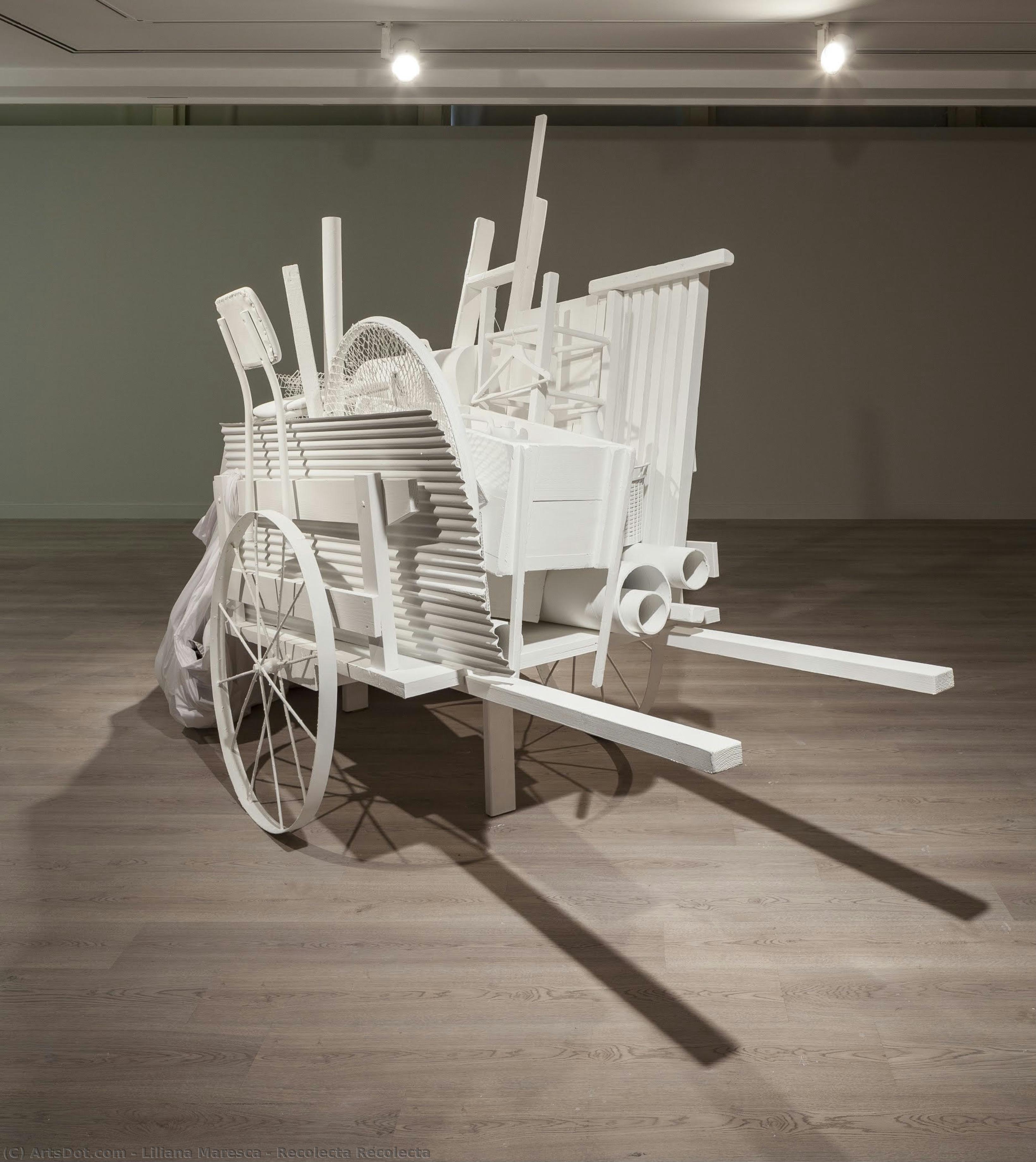
Recolecta Recolecta
 2016
2016 233.0 x 347.0 cm
 15th Istanbul Biennial
 გადასართად დაწვრილებით ნახეთ
გიკლე / ხელოვნების პრინტი
მუზეუმის დონის ჟიკლე ან ტილოზე ბეჭდვა სწრაფი წარმოებისა და დასრულების მოქნილი ვარიანტებით. ( შეიძინეთ ხელით შესრულებული ნახატი შეიძინეთ გამოსახულება)




































აირჩიეთ ჩვენს მიერ წინასწარ განსაზღვრული ზომებიდან, რომლებიც ნაწარმოების ორიგინალურ პროპორციებს შეესაბამება.

თქვენ შეგიძლიათ მიუთითოთ საკუთარი ზომები კონკრეტული ჩარჩოსთვის ან სივრცისთვის მოსარგებლებლად. თუ თქვენ მიერ არჩეული ზომა არ შეესაბამება ორიგინალი გამოსახულების პროპორციებს, ჩვენ ან დავჭრით ნამუშევარს, ან გავაფართოვებთ გამოსახულებას სარკული ან ერთფეროვანი კიდეებით. წარმოების დაწყებამდე თქვენს დასამტკიცებლად გამოგეგზავნებათ ციფრული მაკეტი.
გთხოვთ, გაითვალისწინოთ, რომ ეკრანზე ნაჩვენები წინასწარი ნახვა არ ასახავს რეალურ ჭრას ან გაფართოებას. მხოლოდ მაკეტზე იქნება ზუსტად წარმოდგენილი საბოლოო კომპოზიცია.
მიუხედავად იმისა, რომ ინდივიდუალური ზომები ხელმისაწვდომია, ორიგინალური პროპორციების შესანარჩუნებლად გირჩევთ, აირჩიოთ ზომა წინასწარ განსაზღვრული სიისგან.
მიწოდება მთელ მსოფლიოში () 2 კვირაში, სტანდარტული 4/5 კვირის ნაცვლად. (16 აგვისტო)

უფასო ექსპრეს მიწოდება მთელ მსოფლიოში

საბამად მაღალი ხარისხის ტილო

სრული ტრანსპორტირების დაზღვევა

საბაჟო გადასახადების დაბრუნების გარანტია

ფერების სრული შესაბამისობის გარანტია

60-დღიანი დაბრუნების პოლიტიკა (მხოლოდ დეფექტის შემთხვევაში)

100% თანხის დაბრუნების გარანტია

ფასდაკლება დიდი რაოდენობით შეკვეთისას
 მინის ჩარჩოს არჩევანი ხელმისაწვდომია მხოლოდ 110 სმ-ზე ნაკლები ზომისთვის

Recolecta Recolecta
გიკლე / ხელოვნების პრინტი
რეკლამაციის ზომა
-


საბოლოო ფასი
$ 80
საკლექციო აღწერა
მხატვრის ბიოგრაფია
Liliana Maresca: A Voice of the Post-Dictatorship Generation
Liliana Maresca (1951 – 1994) remains a profoundly enigmatic and vital figure in Argentine art, particularly for her poignant exploration of the turbulent years following the end of the military dictatorship. Born in Avellaneda, Buenos Aires, she emerged from the vibrant bohemian scene of early democracy with an uncompromising artistic vision that blended sculpture, painting, performance, and installation into powerfully evocative works. Maresca’s career, tragically cut short by AIDS at the age of 43, nevertheless left behind a legacy of challenging conventions, confronting social issues, and offering a uniquely intimate perspective on Argentina's transition.
Maresca’s early artistic training encompassed diverse disciplines – ceramics, drawing, and sculpture – reflecting her desire to engage with various materials and techniques. She studied at the Escuela Nacional de Cerámica in Mexico, absorbing influences from masters like Renato Benedetti, Miguel Angel Bengochea, and Emilio Renart. This foundation informed her later practice, characterized by a willingness to utilize unconventional media—discarded objects, street refuse, even her own body—to create works that defied traditional artistic boundaries. Her early career was marked by a rebellious spirit, exemplified by exhibitions like “Lavarte” in a laundromat, a deliberate disruption of the art world’s established spaces and norms.
The Echoes of Trauma and Transformation
Maresca's work is inextricably linked to the aftermath of Argentina’s brutal military dictatorship (1976-1983). The period following its collapse was one of profound social and political upheaval, marked by economic instability, widespread poverty, and a lingering sense of trauma. Maresca responded to this context with an urgent need to address the nation's wounds, not through overt political statements, but through deeply personal and symbolic explorations. Her installations frequently referenced the discarded remnants of everyday life—shopping carts, umbrellas, abandoned furniture—transforming these symbols of marginalization into potent metaphors for social injustice and the fragility of human existence.
The 1985 installation “Una bufanda para la ciudad de Buenos Aires” (A scarf for the city of Buenos Aires) is a particularly striking example. Constructed from thousands of rags collected from the streets, the enormous scarf became a visual representation of collective suffering and resilience. Similarly, "Recolecta" (Collects), presented in 1990, used discarded shopping carts to critique the plight of the homeless population, transforming these symbols of consumerism into emblems of social vulnerability. These works weren’t didactic; instead, they invited viewers to confront uncomfortable truths through a visceral and emotionally resonant experience.
Performance, Photography, and the Body
Beyond her sculptural installations, Maresca was also a prolific performer and photographer. Her 1984 photograph “Maresca se entrega a todo destino” (Maresca goes for anything), featuring herself nude in a white mask, is a complex and layered work that has been interpreted as a commentary on identity, race, gender, and the pervasive influence of media imagery. The mask obscures her face, creating an ambiguous figure that simultaneously embodies vulnerability and defiance. This image, along with other photographic performances, demonstrated Maresca’s willingness to push boundaries and challenge conventional notions of beauty and representation.
Her performance art often blurred the lines between artist and subject, utilizing her own body as a medium for exploring themes of mortality, sexuality, and social critique. These performances were frequently staged in public spaces, further amplifying their impact and inviting direct engagement with the audience.
A Retrospective Legacy
Liliana Maresca’s retrospective at the Centro Cultural Recoleta in 1994, titled “Frenesí” (Frenzied), tragically became her final public exhibition. Her untimely death from AIDS just days after its opening underscored the precariousness of her life and work. Despite this premature end, Maresca's artistic legacy continues to resonate within Argentine art history. Her innovative use of materials, her unflinching engagement with social issues, and her deeply personal approach to artistic expression have cemented her position as a key figure in the post-dictatorship generation—an artist who dared to confront the darkness while simultaneously seeking beauty and meaning in the fragments of a shattered nation.
Her work is now recognized for its powerful emotional honesty and its enduring relevance to contemporary social and political concerns. OriginalUniqueArt continues to offer high-quality reproductions of her evocative works, ensuring that her unique artistic vision remains accessible to a wider audience.

Liliana Maresca
1951 - 1994 , Argentina
მოკლე ინფორმაცია
- Artistic Movement Or Style: Post-dictatorship art
- Artists Or Movements Influenced By This Artist:
- Neo-Dadaism
- Minimalism
- Artists Who Influenced This Artist:
- Renato Benedetti
- Emilio Renart
- Date Of Birth: May 8, 1951
- Date Of Death: November 13, 1994
- Full Name: Liliana Maresca
- Nationality: Argentine
- Notable Artworks:
- Untitled (Liliana Maresca with her work)
- Recolecta
- Liliana Maresca at Marconetti Building
- Frenesí
- Place Of Birth: Avellaneda, Argentina


