ნახვა ინტერьерში
 გაგზავნა
 გაზიარება
 დეტალები
 გზამკვლევი

 ჩამოტვირთვა
 მსგავსები
 რენტგენოგრაფიული კვლევა
 სლაიდშოუ
 კითხვა-პასუხი
 სტატისტიკა
Double manuscript page on the Sforza monument

- 21.0 x 30.0 cm


 სრული ტექსტის ნახვა
გიკლე / ხელოვნების პრინტი
მუზეუმის დონის ჟიკლე ან ტილოზე ბეჭდვა სწრაფი წარმოებისა და დასრულების მოქნილი ვარიანტებით. ( შეიძინეთ ხელით შესრულებული ნახატი გადასვლა ციფრულ გამოსახულებაზე)




P118B ₾10

P118H ₾10

P118W ₾10

P438Z ₾10

P508JH ₾12

P508YH ₾12

P805H ₾10

P805Z ₾10

P919BZ ₾10

P919G ₾10

P919XJ ₾10

P959ZH ₾10

P968JZ ₾12

W106C ₾8

W218G ₾10

W218JH ₾8

W218Y ₾10

W307PJ ₾10

W316G ₾10

W316PJ ₾8

W316Y ₾10

W398PJ ₾8

W4111J ₾10

W500HY ₾15

W500JH ₾15

W692G ₾12

W849H ₾8

W940BG ₾15

W953PJ ₾8




აირჩიეთ ჩვენს მიერ წინასწარ განსაზღვრული ზომებიდან, რომლებიც ნაწარმოების ორიგინალურ პროპორციებს შეესაბამება.

შეიყვანეთ თქვენთვის საჭირო სიგანე და სიმაღლე, რათა იგი მოერგოს თქვენს ჩარჩოს ან კედელს. ბეჭდვისას შესაძლებელია მხოლოდ მისი შემცირება და არა გაზრდა, ამიტომ სხვა ფორმის ზომის შემთხვევაში გამოსახულება ნაწილობრივ იკარგება. სანამ რაიმეს დაბეჭდავთ, ჩვენ გამოგიგზავნით ციფრულ მაკეტს დასდასტურებლად. ამ გვერდზე ნაჩვენები სურათი არ ასახავს რეალურ ჭრას — ამას მხოლოდ მაკეტი გვიჩვენებს.
მიწოდება მთელ მსოფლიოში () 2 კვირაში, სტანდარტული 4/5 კვირის ნაცვლად. (6 ნოემბერი)

უფასო ექსპრეს მიწოდება მთელ მსოფლიოში

მაღალი ხარისხის ტილო

ტრანსპორტირების სრული დაზღვევა

საბაჟო გადასახადების დაბრუნების გარანტია

ფერების სრული შესაბამისობის გარანტია

დაბრუნების 100-დღიანი პერიოდი (მხოლოდ წარმოების დეფექტის შემთხვევაში)

100% თანხის სრული დაბრუნების გარანტია

ფასდაკლება დიდი რაოდენობით შეკვეთისას
 მინის ჩარჩოს არჩევანი ხელმისაწვდომია მხოლოდ 110 სმ-მდე ზომისთვის

Double manuscript page on the Sforza monument
გიკლე / ხელოვნების პრინტი
რეპროდუქციის ზომა
-


ჯამური ღირებულება
₾ 210
A Window into Sforza Ambition: Leonardo’s Double Manuscript Page
Leonardo da Vinci's "Double Manuscript Page on the Sforza Monument," a deceptively modest chalk drawing measuring just 21 x 30 centimeters, offers an extraordinary glimpse into the mind of one of history’s most versatile geniuses. Created in 1493 during his time as court engineer and artist for Ludovico Sforza, Duke of Milan, this seemingly simple sketch is far more than a preparatory study; it's a vibrant testament to Leonardo’s relentless pursuit of knowledge across art, science, and engineering. Housed within the Biblioteca Nacional in Madrid, Spain, this piece isn’t merely documentation of a monument—it’s a profound exploration of design, proportion, and the very nature of representation.
The drawing itself is characterized by an astonishing level of detail, achieved through Leonardo's masterful use of chalk. The tonal range he achieves – from the subtle gradations of shadow to the crisp highlights – speaks volumes about his understanding of light and form. Notice how the brown hues, aged with time, imbue the image with a sense of history and solidity, grounding the fantastical elements within a tangible reality. The deliberate roughness of the chalk lends an intimacy to the work, as if Leonardo were directly addressing the viewer, inviting us into his creative process.
- A Vase of Perfect Proportions: The meticulously rendered vase is not simply a decorative element; it’s a study in geometry and balance. Leonardo's attention to detail reveals an understanding of classical principles of design, suggesting a deep appreciation for the beauty of harmonious forms.
- The Ergonomic Chair: Alongside the vase, we find a chair design—a surprisingly practical consideration for a man often associated solely with grand artistic visions. This sketch demonstrates Leonardo’s interest in functionality and human comfort, reflecting his holistic approach to invention.
- A Maritime Dream: The inclusion of a boat sketch is particularly intriguing. It hints at Leonardo's fascination with engineering and maritime studies – fields that would later contribute significantly to his innovations. It showcases the breadth of his intellectual curiosity, moving seamlessly between artistic expression and practical application.
The Sforza Monument: A Patron’s Vision
This manuscript page isn't just a random collection of sketches; it represents Leonardo’s design for a monumental tribute to Francesco Sforza. The Duke envisioned a grand monument intended to project his power and prestige, and Leonardo was tasked with bringing this vision to life. The drawings reveal not only the architectural plans but also detailed studies of individual elements – the vase, the chair, and the boat—each meticulously analyzed and rendered. This project highlights the crucial role Leonardo played as a courtier and engineer, demonstrating his ability to translate political ambition into tangible artistic expression.
The context of this commission is vital. Leonardo was operating within the vibrant cultural landscape of Milan during the High Renaissance, a period marked by patronage from powerful figures like Ludovico Sforza. This project exemplifies the complex interplay between art and politics – where artistic brilliance served as a tool for asserting power and shaping public image. The Duke’s ambition to establish himself as a prominent figure in Italy is clearly reflected in this ambitious monument.
Leonardo's Synthesis of Art and Science
What truly distinguishes "Double Manuscript Page on the Sforza Monument" is its embodiment of Leonardo’s core philosophy: the seamless integration of art and science. He didn’t view these disciplines as separate entities but rather as interconnected pathways to understanding the world. The meticulous observation, geometric analysis, and engineering considerations evident in this drawing are all hallmarks of his scientific approach to art. It's a powerful demonstration of his belief that true creativity arises from a deep engagement with both the aesthetic and the rational.
This piece is not simply a record of a design; it’s a visual representation of Leonardo’s intellectual process – a testament to his relentless curiosity, his dedication to observation, and his unwavering commitment to bridging the gap between art and science. It invites us to consider how these seemingly disparate fields can inform and enrich one another.
Bringing Da Vinci's Genius Home
For those seeking to connect with the enduring legacy of Leonardo da Vinci, a high-quality reproduction of “Double Manuscript Page on the Sforza Monument” offers an exceptional opportunity. OriginalUniqueArt’s hand-painted reproductions capture the essence of this remarkable drawing – its intricate detail, subtle tonal variations, and profound historical significance. Beyond simply adorning your walls, it becomes a tangible link to one of history's greatest minds.
- Authentic Detail: Our hand-painted reproductions faithfully recreate Leonardo’s meticulous chalk strokes, preserving the drawing’s unique texture and character.
- Premium Quality: Crafted with archival materials and expert techniques, our reproductions ensure lasting beauty and value for generations to come.
- A Window into History: Own a piece of art history – a tangible reminder of Leonardo da Vinci's genius and his profound impact on the world.
Explore more of Da Vinci’s masterpieces at "Storm over a landscape" and Leonardo Da Vinci’s "Self-Portrait" on OriginalUniqueArt.com – and delve deeper into the world of Renaissance art.
კითხვები და პასუხები
ლეონარდო და ვინჩი-ის „Double manuscript page on the Sforza monument“-ის ფერები გაჯერებული თუ მკრთალია?
ლეონარდო და ვინჩი-ის „Double manuscript page on the Sforza monument“ ფერების სირთულე (დამკვეთភាព) არის Subtle Color. სირთულე აღწერს, თუ რამდენად მკვეთრი ან მკვდარია ფერები.
როგორ უკავშირდება ლეონარდო და ვინჩი-ის „Double manuscript page on the Sforza monument“ ფერები მის ემოციას?
წარმოებულში "Double manuscript page on the Sforza monument", Neutrals ფერები Reflective განწყობას ახლავს.
რა ეროვნული წარმომავლობა დგას „Double manuscript page on the Sforza monument“-ის High Renaissance-ის მიღმა?
"Double manuscript page on the Sforza monument" შექმნილია ლეონარდო და ვინჩი-ის მიერ, რომელიც დაბადებულია იტალია-ში და მოძრავი არის High Renaissance სტილის წარმომადგენელი. ხელოვანის წარმოშობა ამ ნამუშევარს აკავშირებს High Renaissance მიმდინარეობასთან, რომელსაც იტალია-ის ხელოვანები ასრულებენ.
მხატვრის ბიოგრაფია
ლეონარდო და ვინჩის ცხოვრება და მემკვიდრეობა
ლეონარდო დი სერ პიერო და ვინჩი, რომელიც 1452 წელს, ტოსკანურ სოფელ ვინჩის მახლობლად დაიბადა, რენესანსის ყველაზე აღიარებულ ფიგურად რჩება — ჭეშმარიტი პოლიმათი, რომლის დაუცხრომელი ცნობისმოყვარეობა სხვადასხვა დარგს აფართოებდა და წარუშლელ კვალს ტოვებდა ხელოვნებაში, მეცნიერებასა და ინჟინერიაში. მისი სახელი თავად გახდა გენიოსის სინონიმებული, რაც მის არაჩვეულებრივ ნიჭსა და ვიზიონერულ აზროვნებაზე მოწმობს. პიერო და ვინჩის, ნოტარიუსის და კატერინას, გლეხ ქალის შვილა, ლეონარდოს ადრეული ცხოვრება არასტანდარტული იყო, თუმცა სწორედ ამან მისცა მას წვდომა როგორც პრაქტიკულ სამყაროზე, ასევე ბუნებისადმი იმ ღრმა აღფრთოვანებაზე, რამაც შემდგომში მისი მხატვრული ხედვის საფუძველი ჩაუყარა. მან მიიღო ელემენტარული განათლება კითხვის, წერისა და მათემატიკის შესახებ, მაგრამ სწორედ ფლორენციაში, ანდრეა დელ ვერროკიოსთან გატარებულმა სტაჟირებამ აღძრა მისი შემოქმედებითი ნაპერწკალი. ვერროკიოს სახელოსნოში ლეონარდო მხოლოდ ფერწერას თუ ქანდაკებას კი არ სწავლობდა, არამედ მთლიანად იყო ჩაფლული ტექნიკური ოსტატობის სამყაროში — დახვეწდა ლითონის დამუშავებას, ნაკვეთს, ხატვასა და მხატვრული შემოქმედების სირთულეებს, რაც იმ მრავალმხრივი გენიოსობის საფუტი გახდა, რომელსაც ის მოგვიანებით ააშენებდა. ამ ფორმირების პერიოდშიც კი უკვე გავრცელებული იყო ჭორები მისი გამორჩეული ნიჭის შესახებ; არსებული თქმები მიუთითებს, რომ თავად ვერროკიომ შეწყვიტა ფერწერა ლეონარდოს უპირატესი შესაძლებლობების დანახვის შემდეგ.
მილანური ინოვაციები და მხატვრული აყვავება
1482 წელს ლეონარდომ ახალი თავი დაიწყო, როდესაც მილანის დუკის, ლუდოვიკო სფორცას სამსახურში ჩაერთო. ეს არ იყო მხოლოდ მხატვრული დანიშვნა; ლეონარდო მოასრულებდა სამხედრო ინჟინერის, არქიტექტორის, ქანდაკებულისა და დიზაინერის როლს სამეფო კარზე — რაც მისი მრავალფეროვანი უნარების დასტური იყო. მან შეიმუშავა ინოვაციური გამ fortifications, შექმნა რთული სცენოგრაფია და დახატა ფანტასტიკური მანქანების გეგმებიც კი. თუმცა, სწორედ ამ პერიოდში დაიწყო მან მუშაობა ერთ-ერთ ყველაზე საკულტურო შედევრზე: უკანასკნელი ვახშამი. სანტა მარია დელე გრაციეს მონასტრის რეფექტორიაში ფრესკად შესრულებული ეს ნამუშევარი სცდება მხოლოდ რეპრეზენტაციას; იგი ადამიანური ემოციებისა და ფსიქოლოგიური დრამატის ღრმა კვლევაა, რომელიც ზუსტად იმ მომენტს აფიქსირებს, როდესაც ქრისტე ღალატს აცხადებს. კომპოზიცია, რომელიც თავისი დროისთვის ინოვაციური იყო, და პერსპექტივის ოსტატური გამოყენება, საუკუნეების მანძილზე ახდენდა გავლენას დასავლურ ხელოვნებაზე. მიუხედავად იმისა, რომ მილანის პერიოდში ბევრი ქანდაკებებითი პროექტი დასრულებდაით, ლეონარდოს გამომგონებლური სული აგრძელებდა აყვავებას და საფუძველს უყრიდა მომავალ სამეცნიერო კვლევებს.
ფლორენციური დაბრუნება და სრულყოფილებისკენ სწრაფვა
1499 წელს მილანში ფრანგული შემოჭრის შემდეგ, ლეონარდო ფლორენციას დაუბრუნდა — ქალაქს, რომელიც მხატვრული განვითარების პიკს განიცდიდა. მიუხედავად იმისა, რომ ამ დროს მან ნაკლები დასრულებული ნამუშევარი შექმნა, მათი გავლენა უზომო იყო. სწორედ აქ დაიწყო მან მუშაობა იმაზე, რაც მსოფლიოში ყველაზე ცნობილ ფერწერად იქცა: მონა ლიზა (ლა ჯოკონდა). სუბიექტის იდუმალი ღიმილი და მომხიბვლელი მზერა თაობებს გასცდა ადამიანთა გულებს, ხოლო ლეონარდოს რევოლუციურმა *სფუმატო* ტექნიკამ — სინათლისა და ჩრდილის ნატიფი შერწყმამ ბუნდოვანი კონტურებისა და ატმოსფერული პერსპექტივის შესაქმნელად — მნიშვნელოვანი წვლილი შეიტანა ნახატის ეთერულ ხარისხში. ეს პერიოდი ასევე მოიცავდა მისი ანატომიური კვლევების გაუმჯობესებას, რასაც განაპირობებდა ადამიანური ფორმის სამეცნიერო სიზუსტით შეცნობის შეუპოვარი სურვილი. იგი ახდენდა გვამების დისექციას და ზედმიწევნით აღრიცხავდა კუნთებს, ძვლებსა და ორგანოებს საოცრად დეტალური ნახატების სერიაში, რომელიც თავისი დროისგან საუკუნეებით წინსვლას წარმოადგენდა.
მემკვიდრეობა ხელოვნობის მიღმა: მეცნიერება, გამოგონება და მარადიული გავლენა
ლეონარდოს მოგვიანებითი წლები აღინიშნა მოგზაურობებით ფლორენციას, მილანსა და რომს შორის; მას ყოველთვის ეძებდნენ მისი ექსპერტიზის გამო, თუმცა პროექტები ხშირად დასრულებელ მდგომარეობაში რჩებოდა — რაც, შესაძლოა, მისი მოუსვენარი ინტელექტისა და ინტერესების უზარმაზარი მასშტაბის පිළිබერბება იყო. 1516 წელს მან მიიღო მოწვევა მეფე ფრანცის I-ისგან, რათა ეცხოვრა და ემუშაათ საფრანგეთში, ამბუაზის მახლობლად მდებარე შატო დუ კლოს ლუსეში, სადაც მან ბოლო წლები გაატარა. იგი 1519 წელს გარდაიცვალა, დატოვა უზარმაზარი მემკადვეობა, რომელიც ხელოვნების სფეროს ბევრად სცილდება. მისი რვეულები აჩვენებს პიონერულ ნამუშევრებს ანატომიაში, ოპტიკაში, ჰიდრავლიკაში, გეოლოგიასა და კარტოგრაფიაში — ასევე წარმოადგენდა გამოგონებებს, რომლებიც თავიანთი დროისგან საუკუნეებით წინსვლას ახდენდნენ, მათ შორის მფრინავი მანქანები, ტანკები და მოწინავე შეიარაღება. ლეონარდო და ვინჩის გავლენა ხელოვნების ისტორიაზე შეუფასებელია. მან მხატვრის სტატუსი გამოცდილი ხელოსნიდან ინტელექტუალურ ფიგურად აწამო elevates, დაამტკიცა, რომ მხატვრული შემოქმედება შეიძლება ეფუძნებოდეს სამეცნიერო კვლევასა და ბუნებრივი სამყაროს ღრმა წვდომას. მისი ფერწერები აღიარებულია რეალიზმით, ფსიქოლოგიური სიღრმითა და ინოვაციური ტექნიკით. იგი რჩება ადამიანური ცნობისმოყვარეობის, შემოქმედებითობისა და ცოდნის დაუცხრომელი ძიების სიმბოლოდ — რენესანსის სულის ნამდვილი განსახიერებად, რომლის მემკვიდრეობაც მისი გარდაცვალებიდან საუკუნეების შემდეგაც აგრძელებს აღფრთოვანებისა და მოხიბვლის შთაგონებას.
მთავარი მიღწევები და მარადიული გავლენა
- ფერწერა: მონა ლიზა, უკანასკნელი ვახშამი, სკოლის ქალწული, უწყება
- ხატვა და ესკიზი: ვრცელი ანატომიური კვლევები, საინჟინრო დიზაინი (მფრინავი მანქანები, შეიარაღება), ბოტანიკური ილუსტრაციები
- მეცნიერება და ინჟინერია: პიონერული ნამუშევრები ანატომიაში, ოპტიკაში, ჰიდრავლიკაში, გეოლოგიასა და კარტოგრაფიაში. შექმნილი იყო გამოგონებები, რომლებიც თავის დროისგან საუკუნეებით წინსვლას ახდენდა.
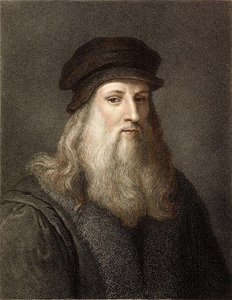
ლეონარდო და ვინჩი
1452 - 1519 , იტალია
მოკლე ფაქტები
- Artistic Movement Or Style: რენესანსის ხელოვნება
- Artists Or Movements Influenced By This Artist: ['რენესანსის ხელოვნება']
- Artists Who Influenced This Artist: ['ანდრეა დელ ვერროკიო']
- Date Of Birth: 1452 წლის 15 აპრილი
- Date Of Death: 1519 წლის 2 მაისი
- Full Name: ლეონარდო და ვინჩი
- Nationality: იტალიელი
- Notable Artworks:
- მონა ლიზა
- სადილე ბოლო
- ვიტრუვის człowieკი
- Place Of Birth: ვინცი, იტალია
მსგავსი სტატიები

ლუვრის საუკეთესო 25 შედევრი: ხელოვნების ისტორია თქვენს სახლში | OriginalUniqueArt.com
აღმოაჩინეთ ლუვრის 25 საუკეთესო შედევრი! და ვინჩის, მონეტისა და რემბრანდის ნახატების ისტორია. სახლის დეკორისთვის მაღალი ხარისხიანი რეპროდუქციები OriginalUniqueArt.com-ზე. ხელოვნების კოლექცია ონლაინ!
Renaissance Humanism's Greatest Art: 10 Masterpieces for Your Home
Explore 10 Renaissance Humanism masterpieces by Leonardo da Vinci, Michelangelo & Raphael. Discover the stories behind these iconic paintings & sculptures and bring timeless art into your home with museum-quality reproductions from OriginalUniqueArt.com. Explore the full collection online!

ფლორენციის უფიცის გალერეის 25 შედევრი: რენესანსის საგანძური თქვენს სახლში
აღმოაჩინეთ ფლორენციის უფიცის გალერეის 25 შედევრი! ბოტტიჩელი, ლეონარდო და ვინჩი, მიქელანჯელო და სხვა რენესანსული გენიების ნახატები. სახლის დეკორი მუზეუმის ხარისხით OriginalUniqueArt.com-ზე.
Leonardo da Vinci: A Renaissance Master’s Synthesis of Art, Science & Human Observation – Reinterpreted for the Collector
Explore Leonardo da Vinci’s timeless masterpieces with OriginalUniqueArt. Discover insights into his art, science, and legacy – trusted expertise for discerning collectors seeking authentic reproductions & investment opportunities.

ლეონარდო და ვინჩის 25 შედევრი: ხელოვნების ისტორია თქვენს სახლში | OriginalUniqueArt
აღმოაჩინეთ ლეონარდო და ვინჩის 25 უნიკალური შედევრი! მონა ლიზა, უკანასკნელი სადილობა და სხვა რენესანსული ნახატები – ისტორია, ტექნიკა, შთაგონება. ხარისხიანი რეპროდუქციები თქვენი სახლისთვის OriginalUniqueArt-ზე! Explore the full collection online.