Russian Modernism · 1922
Samarkand Sultan (ლეონ ბაქსტი, 1922)
ლეონ ბაქსტი (1866–1924)-მა შექმნა Samarkand Sultan. ის შექმნილ არის 1922 წელს. ის Russian Modernism მიძღვნილ სტილს მიეკუთვნება. შესრულებულია Ink On Paper-ით.
- 1922
- Ink On Paper

 წინასწარი ნახვა

 ხელით შესრულებული ზეთប្រეწერი
 გაგზავნა
 გაზიარება
 სპეცფიკაცია


 ჩამოტვირთვა
 მსგავსები
 რენტგენოგრაფიული კვლევა
 სლაიდშოუ
 კითხვა-პასუხი

 სტატისტიკა
Samarkand Sultan, მოკლედ
- სათაური
- Samarkand Sultan
- ავტორი
- ლეონ ბაქსტი (1866–1924)
- ხატვის წელი და ადგილი
- გროდნო, ბელარუსი
- თარიღი
- 1922
- ტექნიკა
- Ink On Paper
- მოძრაობა
- Russian Modernism
- ეპოქა
- Modern
- სუბიექტი
- eastern costume, ornate design, theatrical figure, stylized portrait, vibrant colors, russian culture
რა არის გამოსახული Samarkand Sultan-ში?
A Study in Grandeur
In this 1922 work, we encounter a figure of quiet authority, a Samarkand Sultan rendered with a graphic precision that feels both ancient and modern. The subject is centered, filling the frame with a verticality that commands attention without needing to shout. He is draped in a robe of deep reds and blues, a garment defined by its intricate geometric patterns—triangles, diamonds, and stripes that dance across the fabric. There is a certain stillness in his expression, a tranquil gaze that suggests a man accustomed to the weight of his own status. His dark beard is long and neatly kept, providing a sharp contrast to the luminous colors of his attire.
The composition relies on a sophisticated layering of shapes and colors to create a sense of presence. While the perspective remains somewhat flattened, reminiscent of theatrical sketches or costume studies, the use of shading gives the figure a tangible, sculptural quality. The light appears to fall from above, catching the edges of his elaborate headwear and the subtle folds of his sleeves.
The Language of Ornament
The detail in the Sultan's attire reveals a meticulous approach to pattern and texture. The artist uses line and color to suggest materials that one can almost feel through the visual surface:
- A large turban adorned with blue and white beads and a singular, striking white feather.
- Sleeves and hems lined with a soft, heavy fur that adds a sense of tactile luxury.
- A complex arrangement of geometric motifs that break up the saturated fields of color.
This work belongs to the Art Nouveau movement, a period where the boundaries between fine art and decorative design often blurred. The influence of Orientalism is palpable here, not as a mere imitation of the East, but as a way to explore new visual languages through exotic silhouettes and intense color palettes. The use of ink and watercolor allows for a certain fluidity, where bold outlines meet softer, shaded transitions.
A Vision of the Stage
There is an inherent theatricality to this piece, as if we are catching a glimpse of a character just before the curtain rises. The stylized forms and exaggerated features move away from photographic realism, opting instead for a heightened sense of character. It feels less like a portrait of a specific historical individual and more like an exploration of an idea—the idea of power, of ceremony, and of the exotic. The emotional weight of the piece lies in this tension between the graphic, almost two-dimensional quality of the illustration and the profound sense of dignity held in the subject's eyes.
Samarkand Sultan-ის მაღალი გარ Auflხ resolución-ის გამოსახულებები
საჯარო საკუთრება: მხატვარი გარდაიცვალა 1924 წელს.
ლეონ ბაქსტი, Samarkand Sultan (1922). საჯარო საკუთრება
კითხვები Samarkand Sultan-ზე, პასუხები
რა თარიღში შეიქმნა ლეონ ბაქსტი-ის „Samarkand Sultan“?
Samarkand Sultan შექმნილია 1922 წელს. ეს თარიღი ნამუშევარს ლეონ ბაქსტი-ის შემოქმედებითი კარიერისა და იმ ეპოქის კონტექსტში ათავსებს.
რა ტექნიკა გამოიყენეს ლეონ ბაქსტი-ის „Samarkand Sultan“-ის შესაქმნელად?
ლეონ ბაქსტი-მა „Samarkand Sultan“-ის შესაქმნელად Ink On Paper ტექნიკა გამოიყენა. აღნიშნული ტექნიკა განსაზღვრავს ორიგინალი ნამუშევრის მატერიალურ ბუნებას.
რას ეხება "Samarkand Sultan"?
ლეონ ბაქსტი-ის „Samarkand Sultan“-ზე გამოსახულია: eastern costume, ornate design, theatrical figure, stylized portrait, vibrant colors, russian culture, decorative art.
არის თუ არა "Samarkand Sultan" საავტორო უფლებებისგან თავისუფალი?
ავტორული უფლებების სტატუსი ნამუშევრისთვის ლეონ ბაქსტი-ის „Samarkand Sultan“: ნამუშევარი არის საჯარო საკუთრებაშია — საავტორო უფლებები ამოწდა. ეს განსაზღვრავს, შესაძლებელია თუ არა გამოსახულების რეპროდუქციის თავისუფლად წარმოება.
ვინ არის „Samarkand Sultan“-ის ავტორი?
ნამუშევრის „Samarkand Sultan“ ავტორი არის ლეონ ბაქსტი. ნამუშევარი დატრიალებულია ლეონ ბაქსტი-ის სახელით.
რომელ მხატვრულ მიმდევრობას წარმოადგენს ლეონ ბაქსტი-ის „Samarkand Sultan“?
"Samarkand Sultan" არის Russian Modernism სტილის ნამუშევარი. აღნიშნული მიმდინარეობა ასახავს იმ მხატვრულ ტრადიციას, რომლის ნაწილიცაა ეს ნამუშევარი.
ლეონ ბაქსტი-ის შემოქმედების რომელი პერიოდის ნაწილია "Samarkand Sultan"?
"Samarkand Sultan" წარმოადგენს ლეონ ბაქსტი-ის შემოქმედებით პერიოდს: Early Modernism.
რამდენი წლის იყო ლეონ ბაქსტი, როდესაც 1922 წელს შექმნა „Samarkand Sultan“?
როდესაც 1922 წელს შექმნა „Samarkand Sultan“, ლეონ ბაქსტი — რომელიც 1866-ში დაიბადა — 56 წლის იყო.
არის თუ არა ლეონ ბაქსტი-ის ნამუშევარი „Samarkand Sultan“ საჯარო საკუთრებაში და რატომ?
„Samarkand Sultan“-ის საავტორო უფლებების სტატუსი — საჯარო საკუთრებაშია — საავტორო უფლებები ამოწდა — განპირობებულია მხატვრის იმ გარდაცვალებით, რომელიც 1924-ში მოხდა.
ხელပاتარში: ლეონ ბაქსტი
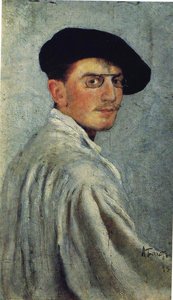
1866–1924, ბელარუსი
ლეონ ბაქსტი
ადრეული ცხოვრება და სახელოვნებო ამბოხის თესლი 1866 წელს, გროდნოში — ქალაქში, რომელიც მაშინ რუსეთის იმპერიის ნაწილი იყო — დაიბადა ლეიბ-ხაიმ იზრაილევიჩ როზენბერგი. ლéon Bakst-ის გზა სახელოვნებო დიდებისკენ იყო მომხიბვლელი ნარატივი, რომელიც ერთმანეთთან იყო გადაჯაჭვული როგორც თანდაყოლილი ნიჭით, ისე სოციალური შეზღუდვებით. მიუხედავად იმისა, რომ მისი ოჯახი საშუალო ფენას მიეკუთვნებოდა, მათ იმპერიულ კარმთან კავშირი ჰქონდათ, რაც მისი პدერბის, ცნობილი თეილერის დამსახურება იყო, რომელიც თავად ცარის მფარველობის ქვეშ იმყოფებოდა. ამ გარემომ ახალგაზრდა ლეიბს განუყოფელი კავშირი დაუستაბილა კულტურული ნიუანსების აღქმა და ხატვისადმი ადრეულიСтрасть, რაც მკაფიოდ გამოვლინდა, როდესაც მან თორმეტი წლის ასაკში კონკურსში გამარჯვება მოიპოვა.
ლეონ ბაქსტი-ის შესახებ ლეონ ბაქსტი-ის გამორჩეული ნამუშევრები
ასევე ლეონ ბაქსტი-ის მიერ
 ფieurs მატრიცი დიზაინი
 Operatic costume designs1911
 Costume design for the ballet ''Cleopatra''1909
 Drawing young divinity Narcisse costume, ballet Diaghilev1911
ესეები Samarkand Sultan-ის შესახებ
 The Soft Soul of Art: Exploring the Tactile Beauty and Timeless Narrative of Textile MasterpiecesEmbark on a sensory journey through the tactile beauty of textile art. Explore how thread, silk, and loom weave human history, from ancient…
 French artworks of the 1860s1860s French masterpieces by Édouard Manet, Claude Monet, and Gustave Courbet. View the full collection online at OriginalUniqueArt.com.
 Masterpieces of Hyacinthe Rigaud: The Top 25 Portraits of a Baroque IconExplore 25 iconic Hyacinthe Rigaud masterpieces. From Baroque portraits to royal splendor, discover the full collection on OriginalUniqueAr…