
 ნახვა ინტერьерში
 გაგზავნა
 გაზიარება
 დეტალები
 გზამკვლევი

 ჩამოტვირთვა
 მსგავსები
 რენტგენოგრაფიული კვლევა
 სლაიდშოუ
 სტატისტიკა
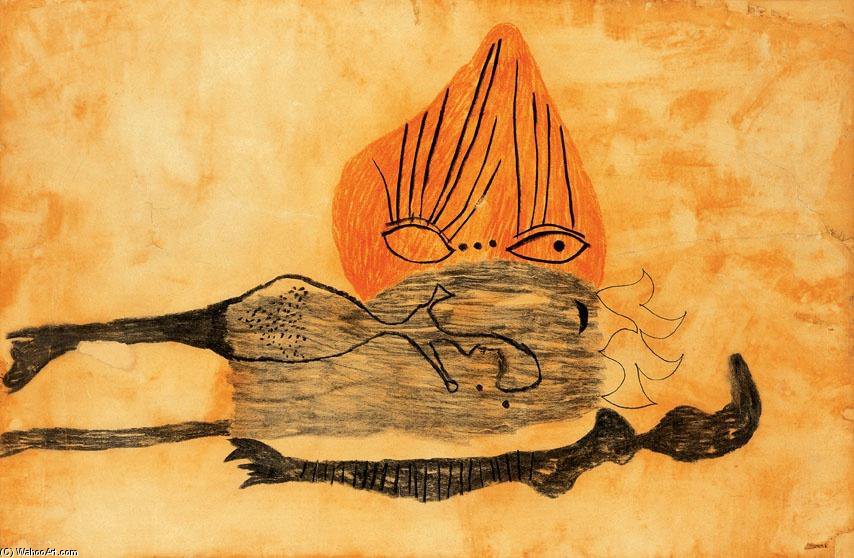
Fire-eye
 სრული ტექსტის ნახვა
ხელით შესრულებული ზეთის საღებავით რეპროდუქცია
ტილოზე შესრულებული ფერწერიანი ზეთប្រდათი, თქვენთვის სასურველი ზომისა და ჩარჩოსთვის, ჩვენი ხელოვანების მიერ შეკვეთის საფუძველზე დამზადებული. ( გადართვა ბეჭდვის რეჟიმზე გადასვლა ციფრულ გამოსახულებაზე)




































აირჩიეთ ჩვენს მიერ წინასწარ განსაზღვრული ზომებიდან, რომლებიც ნაწარმოების ორიგინალურ პროპორციებს შეესაბამება.

თქვენ შეგიძლიათ მიუთითოთ თქვენთვის სასურველი ზომები კონკრეტული ჩარჩოს ან სივრცის შესაბამისად. თუ თქვენ მიერ არჩეული ზომა არ შეესაბამება ორიგინალი გამოსახულების პროპორციებს, ჩვენ ან შევაჭრებთ ნაწარმოებს, ან ტილოზე დავამატებთ ხელით მოხატულ ელემენტებს. წარმოების დაწყებამდე, დასამტკიცებლად გამოგეგზავნებათ ციფრული მაკეტი.
გთხოვთ, გაითვალისწინოთ, რომ ეკრანზე ნაჩვენები წინასწარი შეხედულება არ ასახავს რეალურ შეჭრას ან გაფართოებას. საბოლოო კომპოზიციას ზუსტად მხოლოდ მაკეტი წარმოაჩენს.
მიუხედავად იმისა, რომ შესაძლებელია ინდივიდუალური ზომების შერჩევა, ორიგინალური პროპორციების შენარჩუნებისათვის გირჩევთ, გამოიყენოთ წინასწარ განსაზღვრული სიის ზომები.
შეკვეთის შემდეგ, OriginalUniqueArt.com გუნდი დაგიკავშირდებათ ელექტრონული ფოსტით ინსტრუქციებისთვის და გამოგიგზავნით წინასწარ ნახაზს (mockup).
მიწოდება მსოფლიო მასშტაბით -ში 3/4 კვირაში, სტანდარტული 5 კვირის ნაცვლად. (26 სექტემბერი). ხარისხზე კომპრომისის გაკეთება არ მოხდება.

უფასო ექსპრეს მიწოდება მთელ მსოფლიოში

მაღალი ხარისხის ტილო

ტრანსპორტირების სრული დაზღვევა

საბაჟო გადასახადების დაბრუნების გარანტია

ფერების სრული შესაბამისობის გარანტია

დაბრუნების 100-დღიანი პერიოდი (მხოლოდ წარმოების დეფექტის შემთხვევაში)

100% თანხის სრული დაბრუნების გარანტია

ფასდაკლება დიდი რაოდენობით შეკვეთისას
 მინის ჩარჩოს არჩევანი ხელმისაწვდომია მხოლოდ 110 სმ-მდე ზომისთვის

Fire-eye
რეპროდუქციის ტექნიკა
რეპროდუქციის ზომა
-


ჯამური ღირებულება
$ 300
მხატვრის ბიოგრაფია
ლაჟო ვაიდა: უნგრული ავანგარდის ვიზიონერული ექო
ლაჟო ვაიდა ავანგარდულ ხელოვნებაში უნგრეთის ერთ-ერთ ყველაზე გამორჩეულ და გამაღელვებელ ფიგურად აღფენილია; ეს იყო მხატვარი, რომლის გამორჩეული სტილი და ღრმა სიმბოლური გამოსახულებები დღემდე მძაფრი ინტენსივობით რეზონირებს. 1908 წელს, უნგრეთში, ზალაეგერსეგში, თავდაბალი ებრაული ოჯახის შვილად დაბადებული ვაიდაর ადრეული ცხოვრება მუდმივი მოძრაობითა და სირთულეების ჩრდილებით იყო აღსავსე. მისი შემოქმედებითი გზა ბუდაპესტის ხელოვნების აკადემიაში, ისტვან ჩოკის მკაცრი მეთვალყურეობის ქვეშ დაიწყო, რამაც კომპოზიციის ფუნდამენტური ოსტატობა დაუწესდა. თუმცა, სწორედ პარიზში, 1930-დან 1934 წლამდე, ფერნან ლეჟერის ატელიეში დეჟო კორნის გვერდით სწავლის პერიოდმა ნამდვილად გააღვიძა მისი შემოქმედებითი სული. საფრანგეთის ცოცხალ ინტელექტუალურ გარემოში ვაიდამ შეხვედრა ჰპოვა კუბიზმისა და სურrealიზმის რევოლუციურ ტენდენციებს — ძალებს, რომლებმაც სამუდამოდ შეცვალეს მისი ვიზუალური ენა გეომეტრიული აბსტრაქციისა და სიზმრისებური, ხშირად შემაშფოთებელი, გამოსახულებების უნიკალურ სინთეზად.
ვაიდას შემოქმედების არსი განსხვავებული სამყაროების გადაბმის არაჩვეულებრივ უნარში მდგომარეობს. უნგრეთში დაბრუნებისას იგი გახდა ხალხური ხელოვნების მოტივების ერთგული შემგროვებელი და ქრონიკოსი, განსაკუთრებით სენტენდრესა და სიგეტმონოსტორის რეგიონებიდან. იგი არ შემოჰყურებდა ამ ტრადიციებს მხოლოდ მხედველობით; იგი მათ შთანთენდა, ზედმიწევნით აღრიცხავდა სიმბოლოებსა და ორნამენტებს, რაც მისი შემოქმედებითი პროცესის საფუძვლად იქცა. მისი ტილოები რთულ ტაბლოებად იქცა, სადაც რელიგიური იკონოგრაფია — მართლმადიდებლური, კათოლიკური და ებრაული ტრადიციების საფუძველზე — შეუფერხებლად იყო გადაჯაჭვული არქიტექტურულ ელემენტებთან და ფოლკლორულ ტექსტურებთან. სიმბოლოთა ამ შრეულობამ შექმნა სულიერი სიღრმე, რომელიც ერთდროULად ძველსა და გასაკვირად თანამედროვეს ჰგავდა, რაც მას საშუალებას აძლევდა, იდენტობის, მემკვიდრეობისა და ადამიანური ყოფიერების თემები კონსტრუირებული რეალობის პრიზმაში გამოეკვლია.
სიმბოლიზმისა და მოდერნულობის სინთეზი
ვაიდას ტექნიკური ევოლუცია აღწესდა წარმოუდგენელი მრავალფეროვნებით, რომელიც კონსტრუქტივიზმის სტრუქტურირებულ დისციპლინასა და სურრეალიზმის დენად, ემოციურ სიღრმეებს შორის მოძრაობდა. მისი ნამუშევრები ხშირად წარმოადგენდა ვიზუალურ დიალოგს ტანძენტულსა და მეტაფიზიკურს შორის. მის უფრო გრაფიკულ ნაშრომებში შეგვიძლიან დავინახოთ რიტმული დაძაბულობა, რომელიც შთაგონებულია ბელა ბარტოკისა და ზოლტან კოდაის მუსიკალური სტრუქტურებით, სადაც ხაზი და ფორმა მათემატიკური, თუმცა სულიერი სიზუსტით ცეკვავენ. პირიქით, მისი გვიანდელი ნახატები და ესკიზები ფლობენ პირველყოფილ, ვიცერალურ თვისებას, სადაც ხშირად ნახშირი და აკვარელი გამოიყენება ბუნების ქარბუქი და არაპროგნოზირებადი ძალებისა და ისტორიის მოახლოებული სიბნელის გამოსახატად.
გარდა წმინდა ესთეტიკისა, ვაიდას ხელოვნება ღრმად იყო გადაჯაჭვული XX საუკუნის დასაწყისის ტურბულენტურ პოლიტიკურ ლანდშაფტთან. ფილმისა და ფოტომონტაჟის დრამატული ძალისადმი მისი ინტერესი მას აიძულებდა შეექმნა ნამუშევრები, რომლებიც კაცობრიობის უდიდეს კატაკლიზმებს ეხებოდა. მისი ობიექტივის მეშვეობით, ომის, შიმშილისა და სისტემური ძალადობის საშინელება არა მხოლოდ დოკუმენტირებული, არამედ სიმბოლურ ალეგორიებად გარდა transformation-ებული იყო. მისი ბოლო აბსტრაქტული სურრეალისტური ნამუშევრები განსაკუთრებით მწარედ ჟღერს, რადგან ისინი თითქოს წინასწარმეტყველებდნენ მეორე მსოფლიო ომის წარმოსადგენს საშინელებებს, დაჭერდა შიშისა და ფრაგმენტაციის განცდას, რაც თავად ევროპული ცივილიზაციის დაშლას ასახავდა.
მემკვიდრეობა და ისტორიული მნიშვნელობა
მიუხედავად იმისა, რომ მისი სიცოცხლე ტრაგედიულად შეწყდა ტუბერკულოზისგან 1941 წელს, სულ რაღაც שלוცდა წლის ასაკში, ლაჟო ვაიდამ დატოვა შთამბეჭდავი და გავლენიანი შემოქმედება, რომელმაც ხელახლა განსაზღვრა უნგრული მოდერნიზმის საზღვრები. მისი სიდიადე მდგომარეობს იმ მოძრაობათა მკაცრ დოგმებზე უარის თქმაში, რომლებშიც ის მოღვაწეობდა; ნაცვლად ამისა, მან მიაღწია ღრმა დამოუკიდებლობას ლოკალური ისტორიული მასალების საერთაშორისო ავანგარდულ ტენდენციებთან ინტეგრირებით. მან "ლოკალური" გარდაქმნა უნივერსალურად, დაამტკიცა, რომ ფოლკლორულ მოტივებსა და რელიგიურ სიმბოლოებს შეეძლოთ თანამედროვე ეპოქის გლობალურ შფოთვებთან საუბარი.
დღეს ვაიდა იხსენებენ არა მხოლოდ როგორც მხატვარს, არამედ როგორც ვიზიონერს, რომელმაც შეძლო ქრებადი სამყაროს სულის დაჭერა და ამავდროულად მომავლის ქაოსში შეხედვა. მისი წვლილი დღემდე შეისწავლება მისი შემდეგი თვისებების გამო:
- ინოვაციური სინთეზი: კუბისტური სტრუქტურის შეუფერხებელი შერწყმა სურრეალისტურ სიზმრებთან და ფოლკლორულ ტრადიციასთან.
- კულტურული შენარჩუნება: მისი სასიცოცხლო როლი უნგრული და ებრაული კულტურული მოტივების დოკუმენტირებისა და მაღალ ხელოვნებაში ამაღლების პროცესში.
- ემოციური სიღრმე: თავისი ეპოქის პოლიტიკური და სოციალური შფოთვის მარადიულ, სიმბოლურ შედევრებად გარდაქმნის უნარი.

ლაჟოს ვაიდა
1908 - 1941 , უნგრეთი
მოკლე ფაქტები
- Artistic Movement Or Style: კუბიზმი და სურrealიზმი
- Artists Or Movements Influenced By This Artist: ['ევროპული სკოლის სახელოვნებო ჯგუფი']
- Artists Who Influenced This Artist:
- ბელა ბარტოკი
- ზოლტან კოდაი
- ფერნან ლეგერი
- Date Of Birth: 1908
- Full Name: ლაჟო ვაიდა
- Nationality: უნგრელი
- Notable Artworks:
- ძალების ფორმირება ჰორიზონტზე
- ავტოპორტრეტი ქუდიანად
- მადალენა ჭიშკრის ზემოთ
- Place Of Birth: ზალაეგერსეგი, უნგრეთი