- მთავარი გვერდი

- ზეთის ტილოზე რეპროდუქცია
- Kenyon Cox
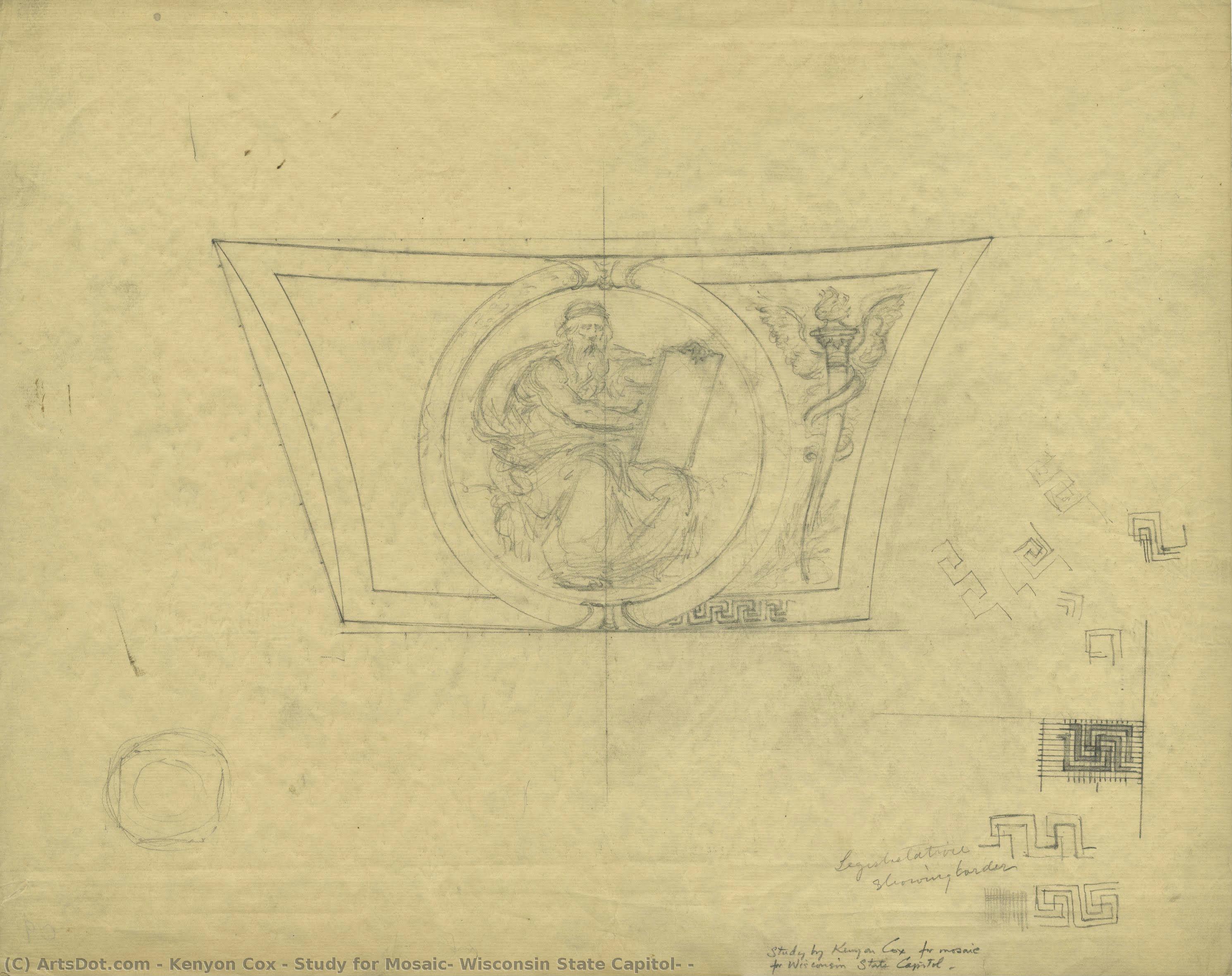
- Study for Mosaic, Wisconsin State Capitol,
 წინასწარი ნახვა
 გაგზავნა
 გაზიარება
 დეტალები

 ჩამოტვირთვა
 მსგავსები
 რენტგენოგრაფიული კვლევა
 სლაიდშოუ
Study for Mosaic, Wisconsin State Capitol,
 Pencil
- Classical Realism
 1912
1912- 19th Century
 40.0 x 50.0 cm
 Oklahoma City Museum of Art
 გადასართად დაწვრილებით ნახეთ
ხელით ნაკვეთი ზეთის ტილოს რეპროდუქცია
ტილოზე შესრულებული ფერწერიანი ზეთប្រდათი, თქვენთვის სასურველი ზომისა და ჩარჩოსთვის, ჩვენი ხელოვანების მიერ შეკვეთის საფუძველზე დამზადებული. ( გადართვა ბეჭდვაზე გადართვა სურათზე)




































აირჩიეთ ჩვენს მიერ წინასწარ განსაზღვრული ზომებიდან, რომლებიც ნაწარმოების ორიგინალურ პროპორციებს შეესაბამება.

თქვენ შეგიძლიათ მიუთითოთ თქვენთვის სასურველი ზომები კონკრეტული ჩარჩოს ან სივრცის შესაბამისად. თუ თქვენ მიერ არჩეული ზომა არ შეესაბამება ორიგინალი გამოსახულების პროპორციებს, ჩვენ ან შევაჭრებთ ნაწარმოებს, ან ტილოზე დავამატებთ ხელით მოხატულ ელემენტებს. წარმოების დაწყებამდე, დამტკიცებისთვის გამოგეგზავნებათ ციფრული მაკეტი.
გთხოვთ, გაითვალისწინოთ, რომ ეკრანზე ნაჩვენები წინასწარი შეხედულება არ ასახავს რეალურ შეჭრას ან გაფართოებას. საბოლოო კომპოზიციას ზუსტად მხოლოდ მაკეტი წარმოაჩენს.
მიუხედავად იმისა, რომ შესაძლებელია ინდივიდუალური ზომების შერჩევა, ორიგინალური პროპორციების შენარჩუნებისათვის გირჩევთ, გამოიყენოთ წინასწარ განსაზღვრული სიის ზომები.
შეკვეთის შემდეგ, OriginalUniqueArt.com გუნდი დაგიკავშირდებათ ელექტრონული ფოსტით ინსტრუქციებისთვის და გამოგიგზავნით წინასწარ ნახაზს (mockup).
მიწოდება მსოფლიო მასშტაბით -ში 3/4 კვირაში, სტანდარტული 5 კვირის ნაცვლად. (3 აგვისტო). ხარისხზე კომპრომისის გაკეთება არ მოხდება.

უფასო ექსპრეს მიწოდება მთელ მსოფლიოში

საბამად მაღალი ხარისხის ტილო

სრული ტრანსპორტირების დაზღვევა

საბაჟო გადასახადების დაბრუნების გარანტია

ფერების სრული შესაბამისობის გარანტია

60-დღიანი დაბრუნების პოლიტიკა (მხოლოდ დეფექტის შემთხვევაში)

100% თანხის დაბრუნების გარანტია

ფასდაკლება დიდი რაოდენობით შეკვეთისას
 მინის ჩარჩოს არჩევანი ხელმისაწვდომია მხოლოდ 110 სმ-ზე ნაკლები ზომისთვის

Study for Mosaic, Wisconsin State Capitol,
რეკლამაციის ტექნიკა
რეკლამაციის ზომა
-


საბოლოო ფასი
$ 300
ნაწარმოების აღწერა
A Vision in Graphite: The Preparatory Soul of the Wisconsin State Capitol
In the quiet, focused strokes of Kenyon Cox’s 1912 study for the Wisconsin State Capitol mosaic, we find a profound glimpse into the architectural and spiritual ambitions of early twentieth-century America. This exquisite pencil drawing serves as more than just a technical blueprint; it is a window into a moment of divine contemplation. The composition centers on a man seated within a celestial circle, his hands cradling a book—perhaps a sacred text—that anchors him to the earth even as he exists in a realm of mythic significance. Flanked by ethereal angels, the figure becomes a bridge between the human and the divine, a theme that resonates deeply with anyone seeking art that speaks to the eternal.
The technique employed by Cox is a masterclass in classical realism. Through delicate gradations of graphite, he achieves a sense of volume and weight that breathes life into the figures. Every line is intentional, designed to guide the eye through a narrative of light and shadow. The presence of a subtle clock-like element near the upper periphery introduces a poignant layer of symbolism, reminding the viewer of the relentless march of time against the backdrop of immortal truths. For the discerning collector or interior designer, this piece offers a sophisticated interplay of grayscale tones that can anchor a room with its quiet, intellectual gravity.
The Legacy of Classical Mastery
To understand this work, one must look to the lineage of Kenyon Cox himself. Trained in the prestigious ateliers of Paris under masters like Jean-Léon Gérôme and Alexandre Cabanel, Cox brought the rigorous anatomical precision of the French Academic tradition to American soil. This study is a testament to that heritage, showcasing an unwavering commitment to anatomical accuracy and classical grace. The way the light catches the folds of drapery and the musculature of the figures reflects a Renaissance-inspired devotion to beauty as a reflection of truth.
This artwork is not merely a relic of 1912; it is a living piece of history that invites modern spaces to embrace a sense of timelessness. Whether displayed in a library, a study, or a grand hallway, a high-quality reproduction of this mosaic study brings with it the prestige of the Beaux-Arts movement. It offers an opportunity to surround oneself with art that does not shout, but rather whispers stories of devotion, history, and the enduring human spirit. For those looking to curate a collection defined by depth and academic excellence, Cox’s preparatory vision remains an incomparable inspiration.
მხატვრის ბიოგრაფია
Kenyon Cox: Life and Legacy
Early Life and Education
- Born: October 27, 1856, in Warren, Ohio.
- Parents: Jacob Dolson Cox and Helen Finney Cox.
- Kenyon Cox initially studied at the Art Academy of Cincinnati (formerly the McMicken School of Art). However, he quickly recognized the limited artistic opportunities available in the city.
- Following a visit to the Centennial Exposition in Philadelphia, he decided to pursue further education at the Pennsylvania Academy of Fine Arts, hoping it would lead to studies in Europe.
Parisian Training and Influences
- In 1877, Cox moved to Paris, joining a wave of American artists seeking artistic inspiration. He believed Paris was experiencing a “second renaissance” in art.
- Influential Teachers: Carolus-Duran, Jean-Léon Gérôme, and Alexandre Cabanel at the École des Beaux-Arts.
- He initially studied under Carolus-Duran but became frustrated with what he perceived as a “vulgarity” in Duran’s style.
- Travels throughout France and Italy exposed him to the works of Renaissance masters, profoundly shaping his artistic vision.
Career in New York and Artistic Style
- In 1882, Cox returned to New York City, where he established himself as a painter and illustrator.
- Illustration Work: He became well-known for his magazine illustrations, which reached a wider audience than his paintings.
- Art Criticism: Cox also wrote unsigned art criticisms for the New York Evening Post, supplementing his income.
- His artistic style leaned towards realism, with a focus on landscapes, portraits, and genre studies. He was known for idealized nudes and traditional treatments of classical themes.
Teaching and Institutional Involvement
- Art Students League of New York: Cox became a highly influential instructor at the Art Students League, shaping generations of artists. He designed the League’s logo featuring the motto “Nulla Dies Sine Linea” (No Day Without a Line).
- Elected an Associate Academician of the National Academy of Design in 1900 and a full Academician in 1903.
- Founding Member: He was one of the founders and secretary of the National Free Arts League.
- Leadership Roles: Served as president of the National Society of Mural Painters from 1915 to 1919, and held memberships in various prestigious art organizations.
Major Achievements and Historical Significance
- Cox’s work represented a commitment to classical ideals at a time when modern art movements were emerging. He advocated for careful drawing, modulated color, and the use of allegory and symbolism.
- His writings, such as “Two Ways of Painting,” articulated his views on figurative art versus abstract or representational styles.
- Legacy: Though not a radical innovator, Kenyon Cox played a crucial role in maintaining traditional artistic standards and educating aspiring artists. His influence extended through his teaching and his contributions to the American art establishment.
- Death: March 17, 1919.

Kenyon Cox
1856 - 1919
მოკლე ინფორმაცია
- Birth Date: 1856
- Birth Place: Warren, Ohio
- Death Date: 1919
- Influenced By:
- Carolus-Duran
- Jean-Léon Gérôme
- Alexandre Cabanel
- Movement: Realism
- Name: Kenyon Cox
- Nationality: American
- Notable Works:
- Louise Howland King (Mrs. Kenyon Cox)
- Fields
- Lengthening Shadows
- Augustus Saint-Gaudens
- An Eclogue
დაკავშირებული სტატიები

The Eloquent Line: Exploring the Artistic Significance of Sketches Across Movements and Media
Explore the profound artistic significance of sketches throughout history. From Renaissance masters to modern innovators like Van Gogh & Guston, discover how these foundational works reveal technique, emotion, and vision. Learn more at OriginalUniqueArt.

ლეონარდო და ვინჩის 25 შედევრი: ხელოვნების ისტორია თქვენს სახლში | OriginalUniqueArt
აღმოაჩინეთ ლეონარდო და ვინჩის 25 უნიკალური შედევრი! მონა ლიზა, უკანასკნელი სადილობა და სხვა რენესანსული ნახატები – ისტორია, ტექნიკა, შთაგონება. ხარისხიანი რეპროდუქციები თქვენი სახლისთვის OriginalUniqueArt-ზე! Explore the full collection online.

Romantic Realism's Finest: 10 Masterpieces for Your Home | OriginalUniqueArt
Explore 10 defining masterpieces of Romantic Realism! Discover Courbet, Millet & Daumier's powerful paintings—capturing emotion and social realities. Find museum-quality reproductions for your home at OriginalUniqueArt.com.

Neo-Classicism's Greatest Hits: 10 Masterpieces for Your Home |
Journey through Neo-Classicism's finest! Explore 10 iconic masterpieces by David, Ingres & Canova. Discover art history, techniques & timeless beauty – perfect for inspiring your home decor. Find museum-quality reproductions at
The Architecture of Flesh: A Journey Through Anatomical Mastery in Art History
Explore the profound intersection of science and beauty in art history. Discover how masters like Michelangelo used anatomical precision to define the human form through iconic studies of musculature, light, and movement.

