
 ნახვა ინტერьерში
 გაგზავნა
 გაზიარება
 დეტალები
 გზამკვლევი

 ჩამოტვირთვა
 მსგავსები
 რენტგენოგრაფიული კვლევა
 სლაიდშოუ
 კითხვა-პასუხი
 სტატისტიკა
Peacock


 სრული ტექსტის ნახვა
ამ გვერდზე წარმოდგენილი ნამუშევარი დაცულია საავტორო უფლების შესახებ კანონმდებლობით, რაც იმას ნიშნავს, რომ ჩვენ არ გვაქვს მისი იდენტური რეპროდუქციის შექმნის ან გაყიდვის სამართლებრივი უფლება. აღნიშნული დაცვა უზრუნველყოფილია ისეთი საერთაშორისო შეთანხმებებით, როგორიცაა ბერნის კონვენცია და ეროვნული კანონმდებლობით, მათ შორის იმ კანონებით, რომლებიც დეტალურად არის გაწერილი აშშ-ის საავტორო უფლების შესახებ კანონი - თავი 17.
ეს მეთოდი სრულად შეესაბამება საავტორო უფლებების რეგულაციებს, რადგან ის არ გულისხმობს დაცული ნამუშევრის კოპირებას ან დუბლირებას. ამგვარად, ეს წარმოადგენს შემოქმედებით რეინტერპრეტაციას — ახალ ნახატს, რომელიც შთაგონებითაა განპირობებული ორიგინალით, თუმცა არ არის მის იდენტურ ასლს.
გიკლე / ხელოვნების პრინტი
მუზეუმის დონის ჟიკლე ან ტილოზე ბეჭდვა სწრაფი წარმოებისა და დასრულების მოქნილი ვარიანტებით. ( შეიძინეთ ხელით შესრულებული ნახატი გადასვლა ციფრულ გამოსახულებაზე)




P118B ₾10

P118H ₾10

P118W ₾10

P438Z ₾10

P508JH ₾12

P508YH ₾12

P805H ₾10

P805Z ₾10

P919BZ ₾10

P919G ₾10

P919XJ ₾10

P959ZH ₾10

P968JZ ₾12

W106C ₾8

W218G ₾10

W218JH ₾8

W218Y ₾10

W307PJ ₾10

W316G ₾10

W316PJ ₾8

W316Y ₾10

W398PJ ₾8

W4111J ₾10

W500HY ₾15

W500JH ₾15

W692G ₾12

W849H ₾8

W940BG ₾15

W953PJ ₾8




აირჩიეთ ჩვენს მიერ წინასწარ განსაზღვრული ზომებიდან, რომლებიც ნაწარმოების ორიგინალურ პროპორციებს შეესაბამება.

შეიყვანეთ თქვენთვის საჭირო სიგანე და სიმაღლე, რათა იგი მოერგოს თქვენს ჩარჩოს ან კედელს. ბეჭდვისას შესაძლებელია მხოლოდ მისი შემცირება და არა გაზრდა, ამიტომ სხვა ფორმის ზომის შემთხვევაში გამოსახულება ნაწილობრივ იკარგება. სანამ რაიმეს დაბეჭდავთ, ჩვენ გამოგიგზავნით ციფრულ მაკეტს დასდასტურებლად. ამ გვერდზე ნაჩვენები სურათი არ ასახავს რეალურ ჭრას — ამას მხოლოდ მაკეტი გვიჩვენებს.
მიწოდება მთელ მსოფლიოში () 2 კვირაში, სტანდარტული 4/5 კვირის ნაცვლად. (4 ნოემბერი)

უფასო ექსპრეს მიწოდება მთელ მსოფლიოში

მაღალი ხარისხის ტილო

ტრანსპორტირების სრული დაზღვევა

საბაჟო გადასახადების დაბრუნების გარანტია

ფერების სრული შესაბამისობის გარანტია

დაბრუნების 100-დღიანი პერიოდი (მხოლოდ წარმოების დეფექტის შემთხვევაში)

100% თანხის სრული დაბრუნების გარანტია

ფასდაკლება დიდი რაოდენობით შეკვეთისას
 მინის ჩარჩოს არჩევანი ხელმისაწვდომია მხოლოდ 110 სმ-მდე ზომისთვის

Peacock
გიკლე / ხელოვნების პრინტი
რეპროდუქციის ზომა
-


ჯამური ღირებულება
₾ 211
მხატვრის ბიოგრაფია
A Life Immersed in Color and Culture: The Journey of Kattingeri Krishna Hebbar
Kattingeri Krishna Hebbar, a name synonymous with the vibrant tapestry of modern Indian art, wasn't merely a painter; he was a visual storyteller who breathed life into the everyday experiences of India. Born in 1911 in Karnataka, his artistic journey began not within the hallowed halls of formal institutions but amidst the rich cultural landscape of his family and surroundings. His father, a traditional artisan, instilled in him an early appreciation for craftsmanship and local aesthetics. This upbringing proved pivotal, shaping Hebbar’s unique style that seamlessly blended folk art traditions with contemporary sensibilities. Though he initially pursued studies at the Chennai School of Art, it was his later exposure to European masters – particularly during his time at the Slade School of Fine Art in London – that broadened his artistic horizons. However, unlike many of his contemporaries who fully embraced Western techniques, Hebbar consciously chose a path of synthesis, integrating global influences with the deeply rooted narratives of Indian life. He returned to India imbued with new skills but determined to forge an identity distinctly his own.The Evolution of a Distinct Style: From Realism to Narrative Abstraction
Hebbar’s early works demonstrate a clear grounding in realism, reflecting the academic training he received. However, this phase was relatively short-lived. He quickly moved away from purely representational art, driven by a desire to capture not just *what* India looked like but *how it felt*. This led him towards a unique form of narrative abstraction. His paintings are characterized by bold lines, simplified forms, and a striking use of color – often employing earthy tones alongside vibrant hues. He wasn’t interested in photographic accuracy; instead, he sought to distill the essence of his subjects, conveying their energy and spirit through dynamic compositions. Scenes of village life, festivals, and social gatherings became recurring motifs, rendered with a captivating sense of movement and rhythm. His figures, though stylized, are imbued with a palpable humanity, reflecting his deep empathy for the common people. This period also saw him experiment with mural painting, further solidifying his connection to traditional Indian art forms. He believed that art should be accessible to all, not confined within the walls of galleries, and murals provided a powerful medium for reaching a wider audience.Themes of Society and Celebration: The Heart of Hebbar’s Work
The core of Hebbar's artistic vision lay in his portrayal of Indian society – its joys, struggles, rituals, and celebrations. He depicted the lives of farmers, laborers, women, and children with dignity and respect, challenging conventional representations that often marginalized these communities. His paintings are filled with scenes of bustling marketplaces, vibrant festivals like *Dasara* and *Holi*, and intimate moments of family life. However, his work wasn’t merely celebratory; he also subtly addressed social issues such as poverty, inequality, and the changing dynamics of rural India. He did so not through overt political statements but by highlighting the resilience and spirit of the people in the face of adversity. His ability to capture the essence of human experience without resorting to sentimentality is a testament to his artistic maturity. Hebbar’s fascination with folklore and mythology also played a significant role in his work. He drew inspiration from traditional stories, epics like the *Ramayana* and *Mahabharata*, and local legends, imbuing them with contemporary relevance.Recognition and Legacy: A Padma Shri and Enduring Influence
Throughout his career, Hebbar received numerous accolades for his contributions to Indian art. He was awarded the prestigious Padma Shri in 1969, recognizing his exceptional talent and dedication to promoting Indian culture. His work has been exhibited extensively both nationally and internationally, earning him widespread critical acclaim. Beyond his own artistic achievements, Hebbar played a crucial role as an educator. He served as Principal of the Karnataka Chitrakala Parishat for many years, nurturing generations of young artists and encouraging them to embrace their cultural heritage while exploring new creative avenues. He believed in fostering a holistic approach to art education, emphasizing both technical skill and conceptual understanding. Today, Hebbar’s legacy continues to inspire artists across India. His unique style – a harmonious blend of tradition and modernity – has left an indelible mark on the landscape of Indian painting. He demonstrated that it was possible to be both rooted in one's culture and engaged with the global art world, paving the way for future generations of artists to explore their own identities and express themselves authentically.Hebbar’s Enduring Significance: A Bridge Between Worlds
Kattingeri Krishna Hebbar stands as a pivotal figure in the evolution of Indian modernism. He wasn't simply adopting Western styles or replicating traditional forms; he was actively synthesizing them, creating something entirely new and uniquely his own. His work serves as a powerful reminder of the richness and diversity of Indian culture, celebrating the lives of ordinary people and challenging conventional narratives.- His emphasis on narrative abstraction broadened the possibilities of Indian painting.
- His commitment to art education nurtured generations of artists.
- His ability to seamlessly blend folk traditions with contemporary sensibilities continues to inspire.
- He remains a vital link between India’s artistic past and its vibrant present.

მოკლე ფაქტები
- Full Name: Kattingeri Krishna Hebbar
- Nationality: Indian
- Date Of Birth: (Living)
- Place Of Birth: India
- Notable Artworks:
- Untitled (Hungry Soul)
- Peacock
- Untitled (Landscape)
- Artistic Movement Or Style: Traditional Indian art; Mural painting India; Rajput miniatures influence
მსგავსი სტატიები

გეომეტრიული აბსტრაქცია: 10 შედევრი, რომელმაც ხელოვნება განსაზღვრა | OriginalUniqueArt.com
გეომეტრიული აბსტრაქციის 10 შედევრი მონდრიანის, მალევიჩისა და კანდინსკის ჩართულობით. გაიგეთ მათი ისტორია, ტექნიკა და გავლენა ხელოვნებაზე. შეიძინეთ უმაღლესი ხარისხის რეკონსტრუქციები OriginalUniqueArt.com-ზე!

Beyond the Lines: Mastering the High-Impact World of Contemporary Abstraction
Master the high-impact world of contemporary abstraction. Discover how bold colors, textures, and modern movements like Abstract Expressionism can transform your space with premium, high-energy art curated for the design-conscious professional.

შექსտროფული გამოხატვის აბსტრაქციზმის 10 შედევრი: ხელოვნება თქვენი სახლისთვის
აღმოფრთოვანდით აბსტრაქტული გამოხატვისმანიერიზმის 10 უმშვენიერეს შედევრთან! ვასელის, პოლ locks-ის და სხვა ცნობილი მხატვრების ისტორიები. შეიძინეთ მაღალი ხარისბის ხელოვნების რეპროდუქციები OriginalUniqueArt.com-ზე და შეცვალეთ თქვენი სახლი!

Mastering Abstraction: The 25 Most Iconic Works by Wassily Kandinsky
Explore 25 iconic Kandinsky masterpieces and the birth of abstraction. Discover the full collection online at OriginalUniqueArt.com.
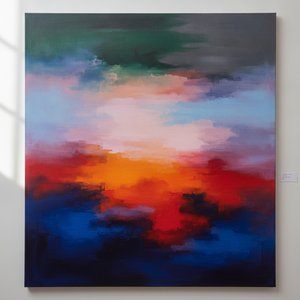
Color Field Painting: The Emotional Power of Pure Abstraction and Chromatic Depth
Explore the profound emotional depth of Color Field painting. Discover the history of mid-century abstraction, from Rothko to Newman, and learn how pure color transforms the viewer's experience through our expert art history guide.