
 წინასწარი ნახვა
 გაგზავნა
 გაზიარება
 დეტალები

 ჩამოტვირთვა
 მსგავსები
 რენტგენოგრაფიული კვლევა
 სლაიდშოუ
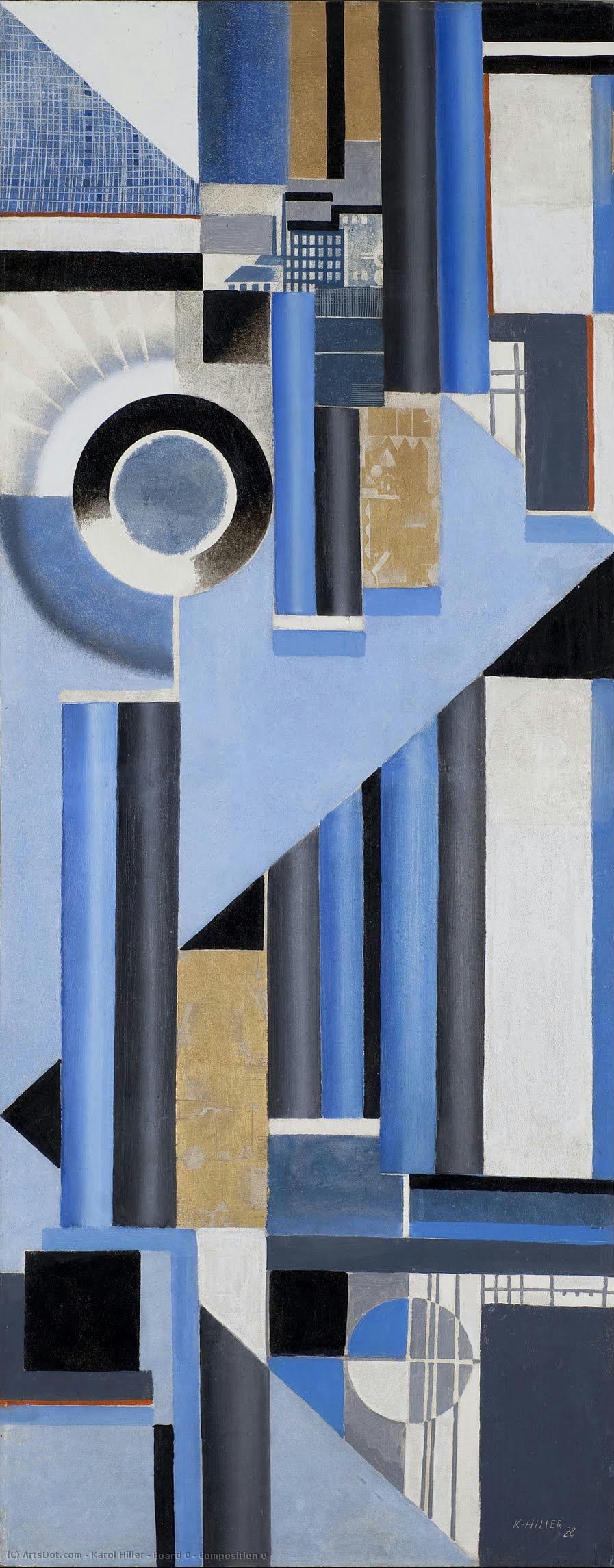
Board 0 / Composition 0
 1928
1928 120.0 x 47.0 cm
 გადასართად დაწვრილებით ნახეთ
შეიძინეთ მაღალი რეზოლუციის, გაუმჯობესებული ციფრული გამოსახულება, რომელიც ხარისხით ბევრად აღემატება ონლაინ წინასწარ ნახვას.
თითოეულ ფაილს ჩვენი შიდა სპეციალისტები საგულდაგულოდ ამზადებენ თანამედროვე ინსტრუმენტებისა და პროფესიონალური რეტუშირების გამოყენებით. ჩვენ უზრუნველყოფთ, რომ თითოეულ გამოსახულებას ჰქონდეს გამორჩეული სიცხადე, ფერების ზუსტი გადაცემა და დეტალიზაცია.
დასრულებული ფაილი ელექტრონული ფოსტით 72 საათში გიგზავნით; იგი ოპტიმიზებულია პროფესიონალური, რედაქციული და პოლიგრაფიული გამოყენებისთვის. ეს არის ისეთივე ხარისხი, რომელსაც წამყვანი დიზაინ-სტუდიები, გამომცემლობები და გალერეები ენდობიან.
ციფრული გამოსახულება
ჩამოტვირთეთ მაღალი გარჩევადობის ფაილი პირადი გამოყენებისთვის, დასაბეჭდად და შემოქმედებითი პროექტებისთვის. ( გადართვა ბეჭდვაზე გადართვა ხელით შესრულებულ ნახატზე)
ყოველ ციფრულ გამოსახულების შეკვეთაში შედის
ექსპერტული ციფრული მიწოდება, გარანტირებული
როდესაც ირჩევთ OriginalUniqueArt.com-ს, თქვენ მხოლოდ სურათს კი არ იღებთ, არამედ იღებთ პროფესიონალურად დამუშავებულ ციფრულ ნამუშევარს, რომელიც შექმნილია უზადო სიზუსტით და დაცულია კმაყოფილების გარანტიით. თქვენს შეკვეთას ავტომატურად მოჰყვება შემდეგი:

სწრაფი მიწოდება ელექტრონული ფოსტით
თქვენს მაღალი რეზოლუციის ციფრულ გამოსახულებას ელექტრონული ფოსტით შეკვეთის დაწყებიდან 72 საათში მიიღებთ — ის მზად იქნება დაუყოვნებლივი გამოყენებისთვის.

AI-ით გაუმჯობესებული ციფრული ფაილი
თქვენი ხელოვნების ნიმუშები პროფესიონალურად არის ოპტიმიზებული მოწინავე AI ინსტრუმენტებისა და მექანიკური რედაქტირების მეშვეობით, რაც უზრუნველყოფს მაქსიმალურ დეტალიზაციას, სიცხადესა და ფერების სიზუსტეს.

ციფრული გამოსახულებების უფასო სამუდამო ხელახალი მიღება
ფაილი შემთხვევით წაიშალა ან დაკარგეთ? ნუបედავთ — ჩვენ მას ნებისმიერ დროს, უფასოდ ხელახლა გამოგეგზავნით.

იმპორტის გადასახადების გარეშე — ყოველთვის
ჭიდად ისიამოვნეთ თქვენი ნამუშევრით მყისიერად, საბაჟო გადასახადის, მოსაკრებლის ან მიწოდების ხარჯის გარეშე - ციფრული ჩამტვირთვისას ყოველთვის საგადასახადო თავისუფლებაა.

ფერების სიზუსტის გარანტია
პროფესიონალური ინსტრუმენტებისა და ფერების მართვის სისტემის გამოყენებით, ჩვენ უზრუნველყოფთ, რომ თქვენი ციფრული გამოსახულება მაქსიმალურად ზუსტად ასახავდეს ორიგინალურ ფერებს.

60-დღიანი კმაყოფილების გარანტია
თუ თქვენს ციფრულ გამოსახულებას ვერ დაკმაყოფილებთ, ჩვენ შევირჩევთ მას ან დავაბრუნებთ 100% თანხას 60 დღის განმავლობაში — ყოველგვარი დამატებითი კითხვის გარეშე.

100% თანხის დაბრუნების გარანტია
არ არის თქვენი კმაყოფილების საფუძველი? მიიღეთ თანხის სრული დაბრუნება ციფრული ფაილის მიღებიდან 60 დღის განმავლობაში — ყოველგვარი დამატებითი კითხვის გარეშე.

ფასდაკლება დიდი რაოდენობით შეკვეთაზე
შეიძინეთ 3 გამოსახულება და მიიღეთ 10% ფასდაკლება - შეიძინეთ 5 და მიიღეთ 15% ფასდაკლება - შეიძინეთ 10+-ზე და მიიღეთ 20% ფასდაკლება. იდეალურია კრეატიული პროექტებისთვის, გალერეებისა და სააგენტოებისთვის.
მხატვრის ბიოგრაფია
A Pioneer of Polish Abstraction: The Life and Art of Karol Hiller
Karol Hiller, born in Łódź, Poland, on December 6th, 1891, stands as a pivotal figure in the development of abstract art within the interwar Polish landscape. His life, tragically cut short by the Gestapo in December 1939 near Lućmierz Forest, embodies both artistic innovation and the brutal realities of a nation consumed by conflict. Hiller’s journey was one of constant exploration, moving from early studies in chemistry and civil engineering to a passionate embrace of art, ultimately leading him to pioneer techniques and forms that would define Polish Constructivism and later evolve into uniquely organic abstract compositions. His story is not merely biographical; it's a testament to the power of artistic vision amidst political turmoil and a relentless pursuit of new modes of expression.From Scientific Roots to Artistic Awakening
Hiller’s initial academic pursuits seem far removed from the world of painting, yet they profoundly shaped his later work. He began with studies in chemistry at the Higher Technical School in Darmstadt, followed by civil engineering at the Polytechnic Institute in Warsaw. The outbreak of World War I interrupted these studies, leading to conscription into the army in 1916. Following the war, a period spent in Kiev proved transformative. There, he enrolled at the Academy of Fine Arts under the tutelage of Mikhail Boychuk, a renowned Byzantinesque painter. This exposure to traditional techniques—particularly icon painting—provided Hiller with a foundational understanding of materials and composition that would resurface later in his experimentation. It was during this time that Hiller began to develop a keen interest in the underlying principles of form and color, setting the stage for his future artistic endeavors. He remained politically engaged throughout his stay in Kiev, an early indication of his commitment to social awareness which would inform much of his work.The Rise of Constructivism and the Association of Visual Artists
Returning to Łódź in 1921 marked a turning point in Hiller’s career. He quickly became involved in the city's burgeoning art scene, co-founding the Association of Visual Artists (Zrzeszenie Artystów Plastyków) in 1931. This association served as a crucial platform for promoting avant-garde ideas and fostering collaboration among Polish artists. During the 1920s, Hiller wholeheartedly embraced Constructivism, aligning himself with a movement that sought to reflect the dynamism of modern life through geometric abstraction. His early works from this period are characterized by precise lines, bold contrasts, and a rejection of representational imagery. He participated in numerous exhibitions throughout Poland, showcasing his commitment to the principles of functionalism and industrial aesthetics. From 1930 to 1938, he actively exhibited at shows organized by the Institute of Art Propaganda in Łódź and Warsaw, further solidifying his position within the Polish art community.Heliographic Compositions: A Unique Artistic Innovation
Perhaps Hiller’s most significant contribution lies in the development of the heliographic technique—a process that involved using sunlight to create abstract compositions on photosensitive paper. This innovative method allowed him to explore chance and control simultaneously, resulting in works characterized by intricate patterns and subtle gradations of tone. The “Heliographic Compositions,” created throughout the 1930s, represent a departure from the rigid geometry of his earlier Constructivist pieces. These compositions often evoke biological forms—cells, organisms, and natural structures—reflecting a growing fascination with the organic world. This shift signaled a move towards a more abstract and intuitive approach to artmaking. He was not simply creating images; he was exploring the very nature of perception and the interplay between light, form, and space.Legacy and Historical Significance
In the late 1930s, Hiller’s work underwent another transformation, becoming increasingly abstract and focused on biological forms. This evolution reflected a broader trend within Polish art towards greater experimentation and a rejection of strict ideological constraints. Tragically, his artistic journey was abruptly halted in December 1939 when he was executed by the Gestapo. Despite his untimely death, Karol Hiller left an indelible mark on Polish art history. He is remembered as a pioneer of abstraction, a champion of Constructivism, and an innovator who fearlessly explored new techniques and forms. His work continues to inspire artists today, serving as a powerful reminder of the enduring power of artistic vision in the face of adversity. Karol Hiller’s legacy is not just about the paintings he created; it's about his unwavering commitment to pushing boundaries and challenging conventional notions of art—a spirit that continues to resonate within the Polish art world and beyond. His exploration of light, form, and biological structures remains a testament to his unique artistic sensibility.
Karol Hiller
1891 - 1939 , Poland
მოკლე ინფორმაცია
- Artistic Movement Or Style: Constructivism
- Artists Or Movements Influenced By This Artist: ['Cubism']
- Artists Who Influenced This Artist: ['Mikhail Boychuk']
- Date Of Birth: December 6, 1891
- Date Of Death: December 1939
- Full Name: Karol Hiller
- Nationality: Polish
- Notable Artworks:
- Heliographic composition (XXIX)
- Factory outlet
- O Composition
- Place Of Birth: Łódź, Poland

