
 წინასწარი ნახვა
 გაგზავნა
 გაზიარება
 დეტალები
 გზამკვლევი

 ჩამოტვირთვა
 მსგავსები
 რენტგენოგრაფიული კვლევა
 სლაიდშოუ
 კითხვა-პასუხი
 სტატისტიკა
SOLEIL COUCHANT APRES L'ORAGE


 გააგრძელეთ კითხვა
გიკლე / ხელოვნების პრინტი
მუზეუმის დონის ჟიკლე ან ტილოზე ბეჭდვა სწრაფი წარმოებისა და დასრულების მოქნილი ვარიანტებით. ( შეიძინეთ ხელით შესრულებული ნახატი გადართვა ციფრულ გამოსახულებაზე)




P118B ₾10

P118H ₾10

P118W ₾10

P438Z ₾10

P508JH ₾12

P508YH ₾12

P805H ₾10

P805Z ₾10

P919BZ ₾10

P919G ₾10

P919XJ ₾10

P959ZH ₾10

P968JZ ₾12

W106C ₾8

W218G ₾10

W218JH ₾8

W218Y ₾10

W307PJ ₾10

W316G ₾10

W316PJ ₾8

W316Y ₾10

W398PJ ₾8

W4111J ₾10

W500HY ₾15

W500JH ₾15

W692G ₾12

W849H ₾8

W940BG ₾15

W953PJ ₾8




აირჩიეთ ჩვენს მიერ წინასწარ განსაზღვრული ზომებიდან, რომლებიც ნაწარმოების ორიგინალურ პროპორციებს შეესაბამება.

შეიყვანეთ თქვენთვის საჭირო სიგანე და სიმაღლე, რათა გამოსახულებამ თქვენს ჩარჩოს ან კედელს ზუსტად მოერგოს. ბეჭდვისას შესაძლებელია მხოლოდ მისი შემცირება და არა გაზრდა, ამიტომ სხვა ფორმის ზომის შემთხვევაში სურათი ნაწილობრივ იკარგება. სანამ რაიმეს დაბეჭდავთ, ჩვენ გამოგიგზავნით ციფრულ მაკეტს დასდასტურებლად. ამ გვერდზე ნაჩვენები სურათი არ ასახავს რეალურ ჭრას — ამას მხოლოდ მაკეტი გვიჩვენებს.
მიწოდება მთელ მსოფლიოში () 2 კვირაში, სტანდარტული 4/5 კვირის ნაცვლად. (7 ნოემბერი)

უფასო ექსპრეს მიწოდება მთელ მსოფლიოში

მაღალი ხარისხის ტილოს ქსოვილი

ტრანსპორტირების სრული დაზღვევა

საბაჟო გადასახადების დაბრუნების გარანტია

ფერების სრული შესაბამისობის გარანტია

დაბრუნების 100-დღიანი პოლიტიკა (მხოლოდ დეფექტის შემთხვევაში)

100% თანხის სრული დაბრუნების გარანტია

ფასდაკლება დიდი რაოდენობით შეკვეთისას
 მინის ჩარჩოს არჩევანი შესაძლებელია მხოლოდ 110 სმ-მდე ზომისთვის

SOLEIL COUCHANT APRES L'ORAGE
გიკლე / ხელოვნების პრინტი
რეპროდუქციის ზომა
-


საბოლოო ღირებულება
₾ 210
A Tempestuous Soul Captured: Jules Dupré’s “Soleil Couchant Après l'Orage”
Jules Dupré’s “Soleil Couchant Après l’Orage” (Setting Sun After the Storm) isn’t merely a landscape painting; it’s an immersion into the raw, untamed heart of nature. Painted in 1851, during his pivotal years within the Barbizon School, this work transcends simple representation to become a profound meditation on light, shadow, and the melancholic beauty born from elemental forces. It's a scene that whispers of resilience, solitude, and the humbling power of the natural world – an experience readily accessible through high-quality reproductions like those offered by OriginalUniqueArt.com.
The composition immediately draws the eye to a solitary tree dominating the foreground, its branches reaching skyward as if battling the lingering remnants of the storm. Below, a small stream cascades over rocks into a pool, reflecting the bruised hues of the twilight sky. In the distance, a hazy horizon line suggests an expansive vista, hinting at both the vastness and the isolation of the landscape. Dupré masterfully employs a pyramidal structure – a technique borrowed from classical art but imbued with his own intensely personal vision – to guide our gaze towards this central anchor point, creating a sense of stability amidst the apparent chaos.
The Barbizon School: Embracing Nature’s Drama
To fully appreciate “Soleil Couchant Après l’Orage,” it's crucial to understand the context within which Dupré worked – the Barbizon School. Rejecting the idealized landscapes favored by earlier generations, the Barbizon artists sought to capture nature as they *actually* saw it: weathered, dramatic, and often imbued with a sense of melancholy. Unlike Corot, who focused on lyrical beauty, or Rousseau, who emphasized epic grandeur, Dupré wrestled with the darker aspects of the natural world – the fury of storms, the poignant stillness after a tempest. This is evident in the painting’s palpable atmosphere; it doesn't celebrate nature’s splendor but rather acknowledges its power and potential for destruction.
Dupré’s connection to Constable, an English landscape painter known for his atmospheric effects and use of light, profoundly influenced his approach. Constable demonstrated how to capture the fleeting qualities of light and shadow, a skill Dupré expertly translates into this work. The diffused lighting, suggestive of either an overcast sky or the soft glow of twilight, contributes significantly to the painting’s mood – a blend of serenity and underlying tension.
Technique and Materials: A Masterful Impression
The painting is executed in oil paint on wood panel, utilizing broad brushstrokes that create a wonderfully textured surface. Dupré's technique isn't about meticulous detail; instead, he prioritizes capturing the *impression* of light and atmosphere. The loose, expressive lines, particularly evident in the depiction of foliage and water movement, convey a sense of dynamism and immediacy. Notice how the brushstrokes themselves seem to mimic the swirling patterns of the storm clouds – a testament to Dupré’s ability to translate visual experience onto canvas.
The color palette is dominated by cool blues and grays, punctuated by flashes of warm ochre and amber in the setting sun. These contrasting hues create a dramatic interplay of light and shadow, further enhancing the painting's emotional impact. The subtle use of atmospheric perspective – where distant objects appear paler and less distinct – adds depth to the composition without sacrificing its overall sense of immediacy.
Symbolism and Emotional Resonance
The solitary tree in “Soleil Couchant Après l’Orage” is more than just a compositional element; it functions as a potent symbol. Standing resilient against the forces of nature, it embodies themes of endurance, strength, and perhaps even isolation. The storm itself can be interpreted as a metaphor for life's challenges – periods of hardship and uncertainty that ultimately give way to renewal and tranquility. The painting’s overall mood is one of quiet contemplation, inviting viewers to reflect on their own experiences with the natural world and the enduring power of the human spirit.
Reproductions of “Soleil Couchant Après l’Orage” offer a remarkable opportunity to bring this evocative artwork into your home or office. OriginalUniqueArt.com provides high-quality reproductions that faithfully capture Dupré's masterful technique and emotional depth, allowing you to experience the painting’s beauty and symbolism firsthand.
კითხვები და პასუხები
რომელ ხელოვანს მიეწერება "SOLEIL COUCHANT APRES L'ORAGE"?
„SOLEIL COUCHANT APRES L'ORAGE“ მიკუთვნებულია ჟიულ დიუპრე-ს.
რისთვის არის რეკომენდებული "SOLEIL COUCHANT APRES L'ORAGE"-ის პრინტის გამოყენება?
ჟიულ დიუპრე-ის „SOLEIL COUCHANT APRES L'ORAGE“-ის გამოყენების რეკომენდებული ფორმაა Statement. მას ასევე შეიძლება სხვა დანიშნულება ჰქონდეს.
არსებობს თუ არა "SOLEIL COUCHANT APRES L'ORAGE"-ის მსგავსი ნამუშევრები?
ჟიულ დიუპრე-ის „SOLEIL COUCHANT APRES L'ORAGE“-ის მსგავსი ნამუშევრები მოქცეულია ამ ნამუშევრის მსგავსი ნამუშევრები გვერდზე.
მხატვრის ბიოგრაფია
ბარბიზონის დრამატული სული
ჟიულ დიუპრე (1811–1889) ბარბიზონის სკოლის ქვაკიდროდ აღფენილა, ამ მხატვრული მიმდევრობისა, რომელმაც პეიზაჟური ფერწერაში პირველყოფილი დაკვირვება და ემოციური რეზონანსი დაამკვიდრა. მისი თანამედროვეებისგან, მაგალითად კოროტისგან განსხვავებით, რომელიც ხშირად ლირიკულ სილამაზესა და მშვიდ სიმშვიდეს ეძებდა, დიუპრე ბუნების ბნელ მხარეებთან იბრძოდა. მას ჰქონდა უნიკალური უნარი, ეჭ captures შტორმების რისხვა, ბინდბუნდობის მელანქოლიური დიდებულება და ელემენტების დაუცხრომელი ენერგია, რაც ამ გამოცდილებებს შეუდარებელ ინტესივობას სძენდა. საფრანგეთში, ნანტში დაბადებული დიუპრეს შემოქმედებითი გზა დაიწყო ბუნებრივი სამყაროსა და მისი უნარისადმი მზარდი გატაცებით, რომელსაც ადამიანის ღრმა და ხშირად ტურბულენტური გრძნობების აღძვრის ძალა გააჩნია.
მისი ადრეული ცხოვრება დეტალებისადმი მეტი ყურადღება და ხელოსნობისადმი პატივისცემა შეუძლებდა, რაც მამამისის ფარფანის წარმოების ბიზნესით გამოწრთობილმა გამოცდილებამ განსაზღვრა. ეს ფორმირების პროცესი მოგვიანებით მის საკუთარ მხატვრულ ძიებებში აისახა, რაც განსაკუთრებით თვალსაჩინო იყო მისი ადრეული ნამუშევრებისას, სადაც კერამიკური დეკორაციის სირთულეებს იკვლევდა. როგორც ფარფანის დეკორატორის მოწაფე, მან ისწავლა დახვეწილი ხაზებისა და ტექსტურების დისციპლინა — უნარი, რომელიც საბოლოოდ მის ოსტატურ ტრანსფორმაციად იქცა ატმოსფერული სიღრმისა და ორგანული ფორმების შექმნისას.
ხედვა, რომელიც შტორმმა და ცამ ჩამოაყალიბა
დიუპრეს კარიერის ტრაექტორია წარუვალად შეიცვალა ჯონ კონსტაბლის გამჭრიახი ტილოების აღმოჩენით. ინგლისური პეიზაჟური ტრადიციების ამგვარმა შეხებამ გააღვიძა სურვილი, ეჭ captures ბუნების დინამიკის არსი — ქარით შექცეული ფოთლების დაუცხრომელი მოძრაობა და სინათლისა და ჩრდილის დრამატული თამაში დღის ყველაზე მერყე საათებში. 1831 წელს დიდ ბრიტანეთში გამგზავრებისას, დიუპრემ ღრმად შეისწავლა ეს ინგლელი ოსტატები და საფრანგეთში დაბრუნდა იმ გამოსახულებებით, რომლებმაც პეიზაჟისადმი მისი მიდგომა ხელახლა განსაზღვრა.
განსაკუთრებული შთაგონება მან საუნტფრეტისა და პლიმ muth-ის შემდგომ ტერიტორიებზე არსებულ სანაპირო რაიონებში იპოვა. წყლის ეს უზარმაზარი სივრცეები, რომლებიც შტორმიან ცას ირეკლავდნენ, მისთვის იდეალურ ლაბორატორიად იქცა შტორმული ღრუბლების მძაფრი მოძრაობისა და ზღვის დინამიკის შესასწავლად. ამ პერიოდის მისი ნამუშევრები არ არის მხოლოდ სცენების აღწერა; ისინი განწყობისა და გრძნობის ვიცერალური გამოხატულებაა, გაჯერებული დრამისა და სევდის შეგრძნებით. ბარბიზონის ესთეტიკის მიღებით, დიუპრემ პრიორიტეტი ექსპრესიულ ფერთა პალიტრასა და თამამ ფუნჯის მონასმებს მიანიჭა იდეალიზებული რეპრეზენტაციების ნაცვლად, რაც საშუალებას აძლევდა საღებავის ტექსტურას თავად მიებრუნებინა დედამიწის უხეშობისთვის.
ბარბიზონის ოსტატის მემკვიდრეობა
ბარბიზონის ჯგუფის საკვანძო ფიგურად, დიუპრემ დაამყარა მჭიდრო კავშირები სხვა ლეგენდარულ მხატვრებთან, მათ შორის თეოდორ რუსოსთან. მისი აღსწრევა საფრანგეთის სახელოვნებო წრეებში მნიშვნელოვანი ეტაპებით აღინიშნა, როგ एग्जामपुर სალონში მიღება და ოფიციალური აღიარება პეიზაჟებისთვის მედლებისთვის. მისი შემოქმედება გახდა გარკვეული სონორული და რეზონანსული ფერთა ჰარმონიის სინონიმი, სადაც მზის ჩასვლის სინათლე ან მოახლოებული ქარიშხლის ბნელობა მაყურებლისთვის ისეთივე შეგრძნებად იქცეოდა, როგორც მხედველობადი ფენომენი.
დღეს ჟიულ დიუპრე ილსწავლება, როგორც მე-19 საუკუნის ერთ-ერთი ყველაზე გავლენიანი ფრანგი პეიზაჟისტი. მისი წვლილი ხელოვნებაში მდგომარეობს წმინდა დაკვირვებასა და რომანტიკულ ემოციას შორის ხიდის აგების უნარში. ისეთი ნამუშევრების მეშვეობით, როგორიცაა La Petite Charrette, Cows Crossing a Ford და მისი გამაღელვებული მდინარის პეიზაჟები, მან მხატვრების თაობებს ასწავლა, რომ ბუნება არა მხოლოდ საღებავის ობიექტი, არამედ ძლიერი ძალაა, რომელიც უნდა გამოცადო. მისი მემკვიდრეობა წარუვალია იმ მძიმე, ატმოსფერულ ტექსტურებსა და დრამატულ, სუნთქავ ცას, რომლებიც დღემდე აღფრთოვანებას იწვევს თანამედროვე წარმოსახვაში.

ჟიულ დიუპრე
1811 - 1889 , საფრანგეთი
მოკლე ინფორმაცია
- Artistic Movement Or Style: ბარბიზონის სკოლა
- Artists Or Movements Influenced By This Artist: ['რომანტიზმი']
- Artists Who Influenced This Artist: ['კონსტებლი']
- Date Of Birth: ნანტი, საფრანგეთი (1811)
- Date Of Death: 6 ოქტომბერი, 1889
- Full Name: ჟიულ დიუპრე
- Nationality: ფრანგი
- Notable Artworks:
- დილა და საღამო ლუვრში
- ხიდის გადალახვა უოლესის კოლექციაში
- Place Of Birth: საფრანგეთი
დაკავშირებული სტატიები

Evoking Nature's Sublime: A Comprehensive Exploration of 19th-Century Landscape Painting
Explore the captivating world of 19th-century landscape painting! Discover renowned artists like Friedrich & Monet, key movements, and find the perfect artwork to bring nature's serenity into your home. Expert insights at OriginalUniqueArt.

როμανტიზმის ეპოქის ტენდერება: საუკეთესო 10 შედევრი, რომელმაც განსაზღვრა ლანშაფტური მხატვრობა
აღმოფრთოვანდით რომანტიზმის ეპოქის 10 საუკეთესო ლანშაფტური შედევრით! ტერნერი, კორტო და სხვა მხატვრების ნაწარმოებები. იხილეთ მათი ისტორია და აღმოგეყვინებათ ხელოვნების márgali. შეიძინეთ მაღალი ხარისბის რესტავრაციული ასლები OriginalUniqueArt.com-ზე!
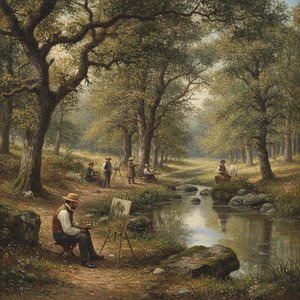
The Barbizon School: The Revolution of Naturalism and the Birth of Plein Air Landscape Painting
Explore the profound impact of the Barbizon School on landscape painting. Discover how masters like Rousseau and Corot revolutionized art through plein air naturalism, moving from academic idealism to the authentic beauty of the French countryside.

ჯონ კონსტებლის 25 საუკეთესო შედევრი | ხელოვნების რეკრეაციები OriginalUniqueArt-ზე
გაიცანით ჯონ კონსტებლის 25 საუკეთესო შედევრი! ინგლისური პეიზაჟების ისტორია, XIX საუკუნის ხელოვნება და OriginalUniqueArt-ზე ხელოვნების უნიკალური კოლექცია. შეიძინეთ ხარისხიანი რეკრეაციები სახლის დეკორაციისთვის. აღმოაჩინეთ სრულყოფილი შეფერილი ტილოები OriginalUniqueArt.com-ზე!

Evocations of Place: A Historical Journey Through Landscape Art
Explore the rich history of landscape art with OriginalUniqueArt. Discover renowned artists, movements like Impressionism & Romanticism, and expert guidance for collecting timeless pieces. Find your perfect serene escape today!