Cubism
L (ხუან გრი)
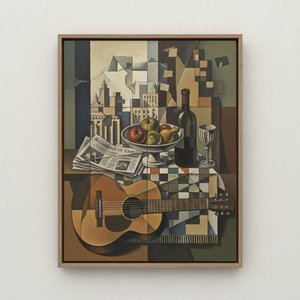
ხუან გრი (1887–1927)-მა შექმნა L. ის Cubism მიძღვნილ სტილს მიეკუთვნება. შესრულებულია Oil On Canvas-ით. ნახატი დაცულია Biennale Internazionale dell'Antiquariato di Firenze-ში, ფლორენცია, იტალია-ში.

 წინასწარი ნახვა

 ხელით შესრულებული ზეთប្រეწერი
 გაგზავნა
 გაზიარება
 სპეცფიკაცია


 ჩამოტვირთვა
 მსგავსები
 რენტგენოგრაფიული კვლევა
 სლაიდშოუ
 კითხვა-პასუხი

 სტატისტიკა
L, მოკლედ
- სათაური
- L
- ავტორი
- ხუან გრი (1887–1927)
- ხატვის წელი და ადგილი
- მადრიდი, ესპანეთი
- ტექნიკა
- Oil On Canvas
- სად ნახვა შეგიძლიათ
- Biennale Internazionale dell'Antiquariato di Firenze, ფლორენცია, იტალია
- მოძრაობა
- Cubism
- ეპოქა
- Modern
- სუბიექტი
- guitar, music paper, man, geometric abstraction, monochrome, picasso influence
რა არის გამოსახული L-ში?
The Architect of Cubism: The Visionary World of Juan Gris
In the vibrant, avant-garde heart of early 20th-century Paris, a new visual language was being forged—one that dismantled the familiar to reveal a deeper, more structured truth. At the center of this revolution stood Juan Gris, a Spanish master whose analytical mind and poetic soul converged to create some of the most enduring icons of Synthetic Cubism. While contemporaries like Picasso and Braque often focused on the fragmentation of form, Gris brought a unique sense of mathematical precision and crystalline clarity to the movement. His work does not merely break objects apart; it reconstructs them into a harmonious symphony of geometric planes, where every line and shadow serves a deliberate, architectural purpose.
To encounter a piece like "Guitar & Music Paper" is to step into a world where reality is distilled into its most essential elements. The composition is a masterful dance of interlocking rectangles and cubes, creating a rhythmic interplay that guides the eye across the canvas. Gris utilized a sophisticated technique of layering textures and subtle gradations, allowing light to play across the surface as if through a prism. His palette, often characterized by earthy, muted tones, avoids the distraction of bright colors to focus instead on the profound relationship between shape and space. This deliberate restraint creates an atmosphere of contemplative stillness, inviting the viewer to linger within the complexity of the design.
A Symphony of Form and Symbolism
Beyond the technical brilliance lies a deep, symbolic resonance that continues to captivate collectors and decorators alike. The recurring motifs in Gris’s oeuvre—the guitar, the musical score, the newspaper—are not merely objects of study but symbols of the modern era's sensory richness. In "Guitar & Music Paper," the fusion of the instrument with the sheet music suggests a blurring of boundaries between the physical and the ephemeral, between sound and sight. The way the geometric shapes overlap creates an illusion of depth that feels both modern and timeless, making such works incredibly versatile for contemporary interior design.
For the discerning art lover or interior designer, a high-quality reproduction of a Juan Gris masterpiece offers more than just decoration; it provides a focal point of intellectual and aesthetic sophistication. The structured nature of his Cubist compositions lends itself beautifully to modern, minimalist, or mid-century modern environments, where the artwork can act as an anchor of stability and elegance. The emotional impact of his work is one of profound balance—a sense that even in a fragmented world, there is an underlying order and beauty waiting to be discovered. Owning a piece inspired by Gris is an invitation to celebrate the intersection of logic and lyricism, bringing a touch of Parisian avant-garde history into the sanctuary of the home.
რომელ მუზეუმში ინახება L?
Biennale Internazionale dell'Antiquariato di Firenze
ფლორენცია, იტალია
ფლორენციული რენესანსის ახალი ხედვა: BIAF-ში თავის submersion (დაღ immersion) ფლორენცია ხელოვნებით სუნთქავს; ის არ არის მხოლოდ ქალაქი ხელოვნებით, არამედ ქალაქი ხელოვნებისა, რომელიც მისი თითოეული ქვაშია ჩაქსოვილი და თავის სასახლეებში (palazzi) ეხმიანება. მარადიული სილამაზის ამ ატმოსფეროში არსებობს ფლანჩენის საერთაშორისო ანტიკვარიატის ბიენალე (BIAF), ღონისძიება, რომელიც სცდება ტიპურ ანტიკვარულ გამოფენას და ხდება შეგნებული პილიგრიმობა იტალიური ხელოვნების გულში. თავად ბაროკოს შედევრად აღიქმებულ დიდებულ პალაცო კორსინში (Palazzo Corsini) გამართული BIAF გვთავაზობს არა მხოლოდ დათვალიერების გამოცდილებას, არამედ სრულ submersion-ს – შანსს, დავუკავშირდეთ საუკუნეების მანძილზე გადაცემულ ოსტატობას და იტალიის მდიდარ კულტურულ მემკვიდრეობას.


L-ის მაღალი გარ Auflხ resolución-ის გამოსახულებები

საჯარო საკუთრება: მხატვარი გარდაიცვალა 1927 წელს.
სხვა ზომები, კადრისრები და ციტირება →ხუან გრი, L, Biennale Internazionale dell'Antiquariato di Firenze. საჯარო საკუთრება
კითხვები L-ზე, პასუხები
რომელი მუზეუმი ინახავს ორიგინალ "L"-ს?
ხუან გრი-ის „L“ წარმოდგენილია Biennale Internazionale dell'Antiquariato di Firenze, ფლორენცია, იტალია-ში. მუზეუმის აღწერილობა ეხება ორიგინალ ნამუშევარს და არა რეპროდუქციებს.
რა ტექნიკით არის შექმნილი "L"?
რა თემებია გამოსახული ნამუშევარში ხუან გრი-ის „L“?
არის თუ არა ხუან გრი-ის „L“ საჯარო დომენში?
რაც შეეხება საავტორო უფლებებს, „L“ არის საჯარო საკუთრებაშია — საავტორო უფლებები ამოწდა.
რომელ ხელოვნების მიმდევრობას მიეკუთვნება ხუან გრი-ის „L“?
ხუან გრი-ის შემოქმედების რომელ პერიოდს მიეკუთვნება „L“?
რატომ არის "L"-ის საავტორო უფლებების სტატუსი სწორედ ასეთი?
ხელပاتარში: ხუან გრი

1887–1927, ესპანეთი
ხუან გრი
Early Life, Family and Training Born José Victoriano González-Pérez on March 23, 1887, in Madrid, Spain, the man who would become known as Juan Gris grew up in a large, busy household. He was the thirteenth of fourteen children. His father, Gregorio Gonzalez, was a prosperous businessman, and the family environment provided a stable foundation during his formative years in the Spanish capital. His early education took a technical turn at the Madrid School of Arts and Sciences, where he studied engineering.
ასევე ხუან გრი-ის მიერ
 მადამ ჟოზეტ გრი-ს პორტრეტი1916
 მაცრები და მოყავისთავი სუფრის ზედაპირზე1913
 სურათი ღია ფანჯრასთან ერთად (პლას Равиньანი)1915
 காண்போம்1915

ესეები L-ის შესახებ
 Spontaneity and Matter: Distinguishing CoBrA from Art InformelMaster the differences between CoBrA and Art Informel with our expert guide. Learn to identify these post-war movements today.
 Juan Gris: Cubist Deconstruction & Synthesis – A Comprehensive ExplorationExplore the revolutionary art of Juan Gris – a master of Cubism. Discover his unique approach to deconstruction, vibrant Synthetic Cubist w…
 Understanding the Difference Between Analytical and Synthetic CubismMaster the differences between Analytical and Synthetic Cubism with our expert guide. Learn to identify these iconic art movements now.